English
 Dutch
Dutch Japanese
 Hindi
Hindi Italian
 Spanish
 French
 German
 Chinese
 Korean
 Arabic
 Hebrew
 Russian
 Portuguese
 Danish
 Czech
Czech Polish
 Swedish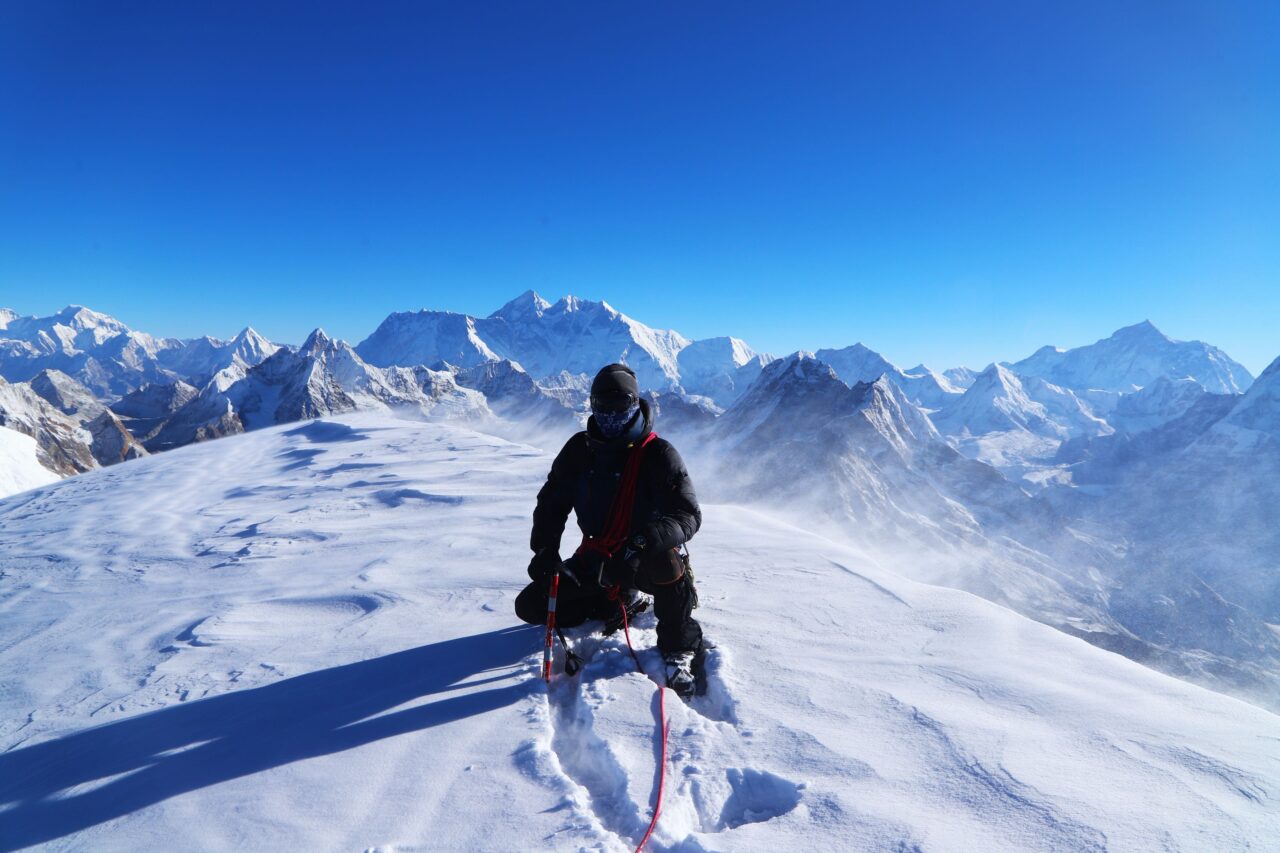
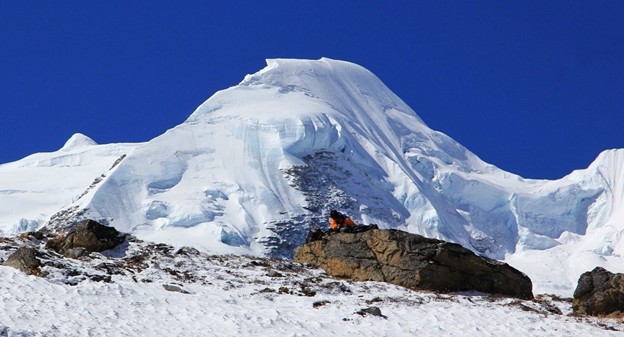
 Share
ShareMera Peak Climbing - 18 Days

18 Days

Difficult

6461m/21199ft (Mera Peak Summit)

1-20 People

Kathmandu

Spring , Autumn and Early Winter

- 16 Breakfast
- 14 Lunch
- 15 Dinner

- 4-Star Hotel in Kathmandu
- Teahouse or tented camp

- Private Tourist Vehivle
- Domestic Flights
- 1 - 1 personUS$ 2620
- 2 - 4 personUS$ 2350
- 5 - 8 personUS$ 2185
- 9 over 9999 US$ 2050
- Your safety, our no 1 priority
- Best price guarantee
- Experienced & dedicated team
- Easy booking, no hidden charge
- You can customize this trip
US$ 2620


Highlights of Mera Peak Climbing
- Climb to the summit of Mera Peak at 6,461 meters, the highest trekking peak in Nepal
- Witness panoramic views of five 8,000 meter peaks from the summit Mount Everest, Kanchenjunga, Lhotse, Makalu and Cho Oyu
- Trek through the remote and unspoiled Hinku Valley, far from the crowded Everest Base Camp trail
- Experience authentic Sherpa and Rai village life in traditional settlements like Kothe and Thaknak
- Spend a full day at Khare for pre climb training including crampon practice and rope techniques
- Stand on the summit ridge as the sun rises over the Himalayas, a truly unforgettable moment
- Cross Zatrwa La pass at 4,610 meters with spectacular views of the Everest and Makalu regions
- Enjoy a well structured itinerary with gradual ascent and proper acclimatization days at Khare
- Benefit from a built in reserve day on Day 13 for weather delays or extra acclimatization
- Walk through dense rhododendron forests, open yak pastures and along glacial moraines
- Receive expert guidance from experienced climbing Sherpas who have summited Mera Peak many times
- Take a scenic flight to and from Lukla, with stunning aerial views of the Himalayan range
Trip Overview
Mera Peak Climbing 18 Days is one of the most rewarding high-altitude adventures in Nepal. At 6,461 meters, Mera Peak is the highest trekking peak in the country. It offers climbers a chance to stand on a summit above 6,000 meters without requiring advanced technical mountaineering skills.
The climb takes you through the remote Hinku Valley, far from the busy trails of the Everest region. This valley is quiet and unspoiled. The forests are dense. The villages are small and traditional. And the views from the summit are nothing short of spectacular. From the top, you see five of the world’s fourteen 8,000-meter peaks. Mount Everest, Kanchenjunga, Lhotse, Makalu and Cho Oyu spread out before you.
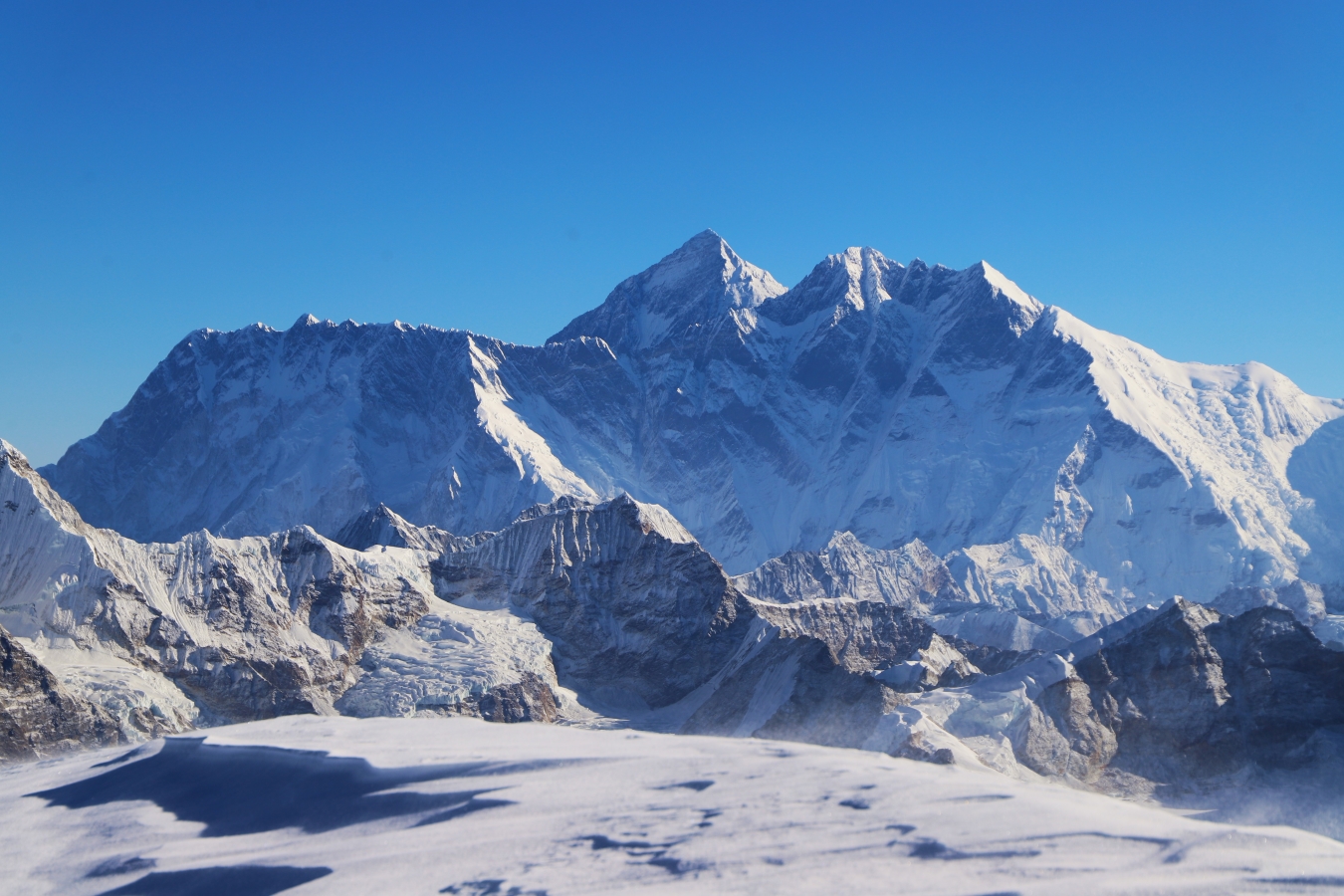
This itinerary is designed for trekkers with good physical fitness and a sense of adventure. You do not need prior climbing experience, but you must be comfortable at high altitudes and willing to train before you arrive. With proper preparation and the support of our experienced climbing guides, the summit of Mera Peak is within your reach.
What to Expect on Mera Peak Climbing
Remote and Unspoiled Trails
The Hinku Valley is one of the least-visited trekking corridors in the Everest region. Unlike the crowded routes to Everest Base Camp, you will walk for days without seeing many other trekkers. The trail passes through rhododendron forests, open pastures and narrow glacial valleys.
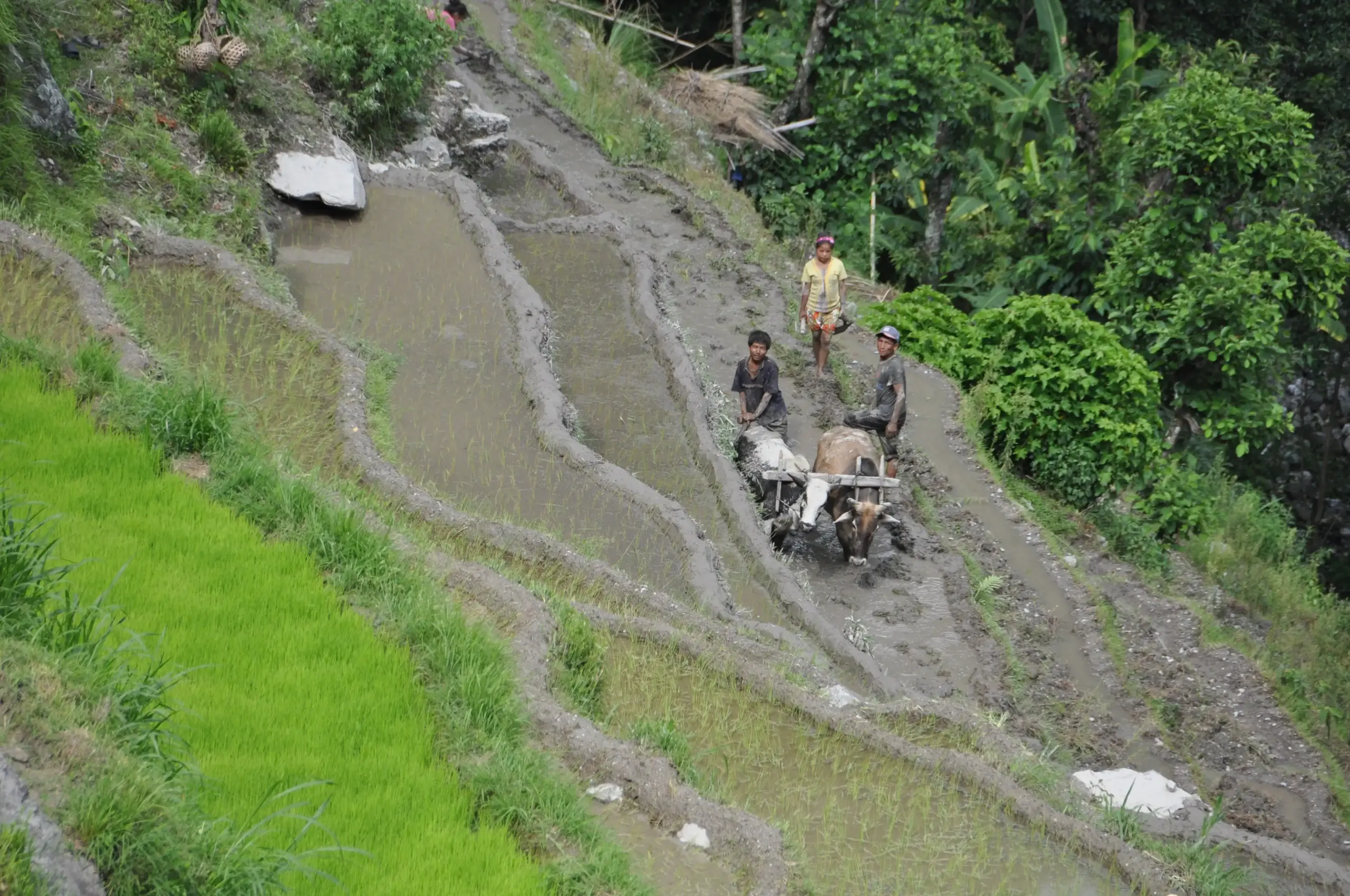
You will cross streams on wooden bridges and walk along moraines covered with rocks and debris. The silence of the valley is striking. You will hear the sound of the Hinku River, the wind in the trees and the occasional call of a bird. This sense of isolation is rare in the Himalayas and it is one of the things that makes Mera Peak so special.
Teahouse and Tented Accommodation
For the first part of the trek, you stay in basic teahouses in villages like Paiya, Panggom, Kothe and Thaknak. These teahouses offer simple twin sharing rooms with shared toilets. The beds have mattresses, pillows and blankets. The food is simple but nourishing. Dal bhat, noodles, pasta, eggs, bread and soup are available at most teahouses.
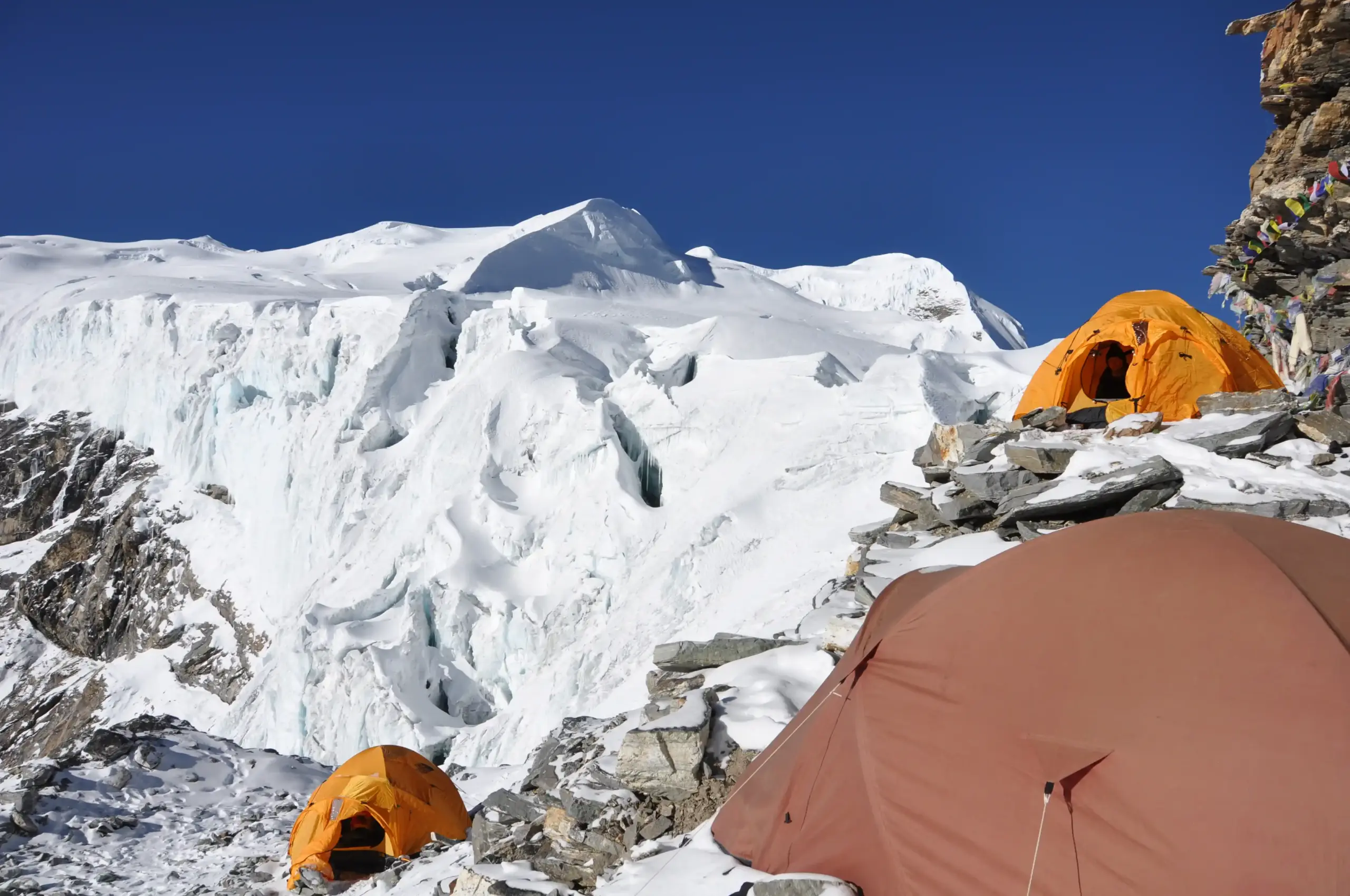
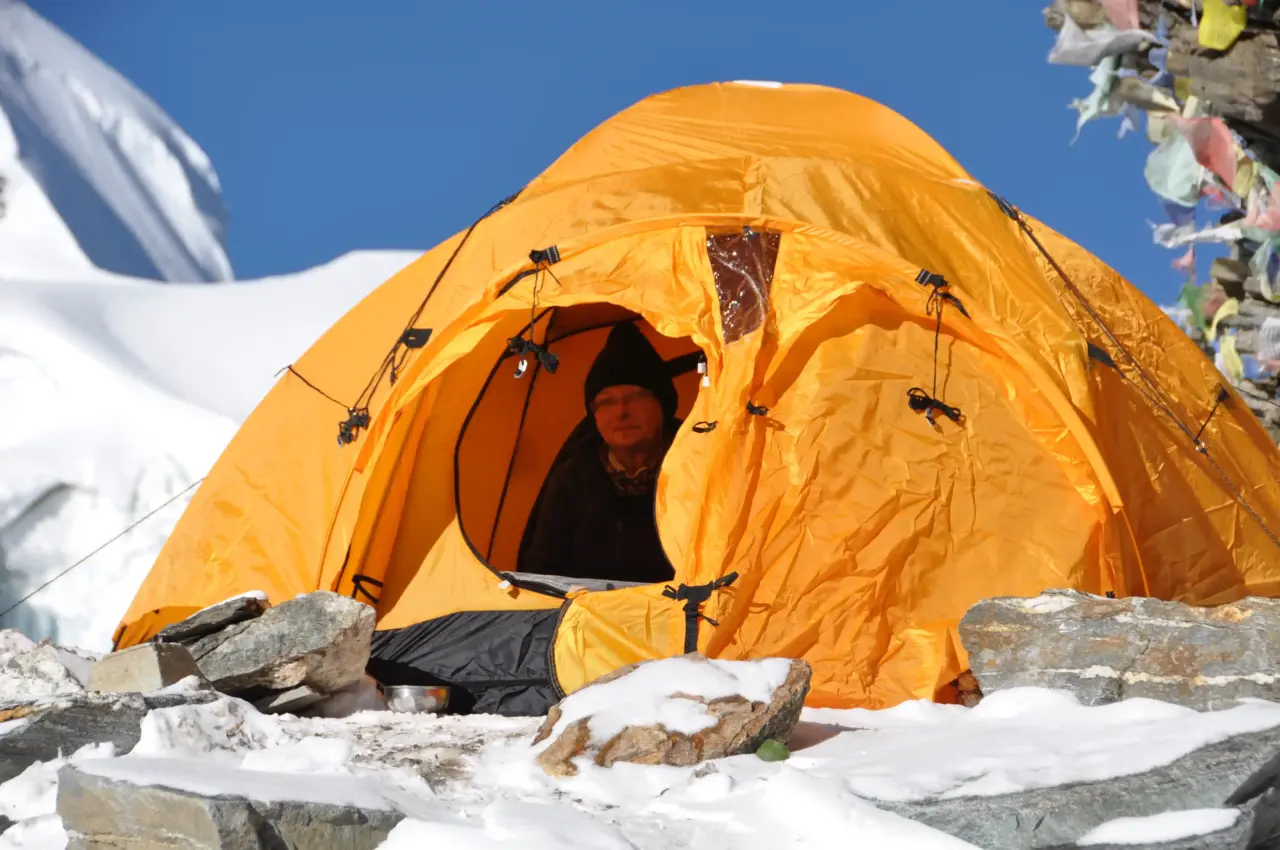
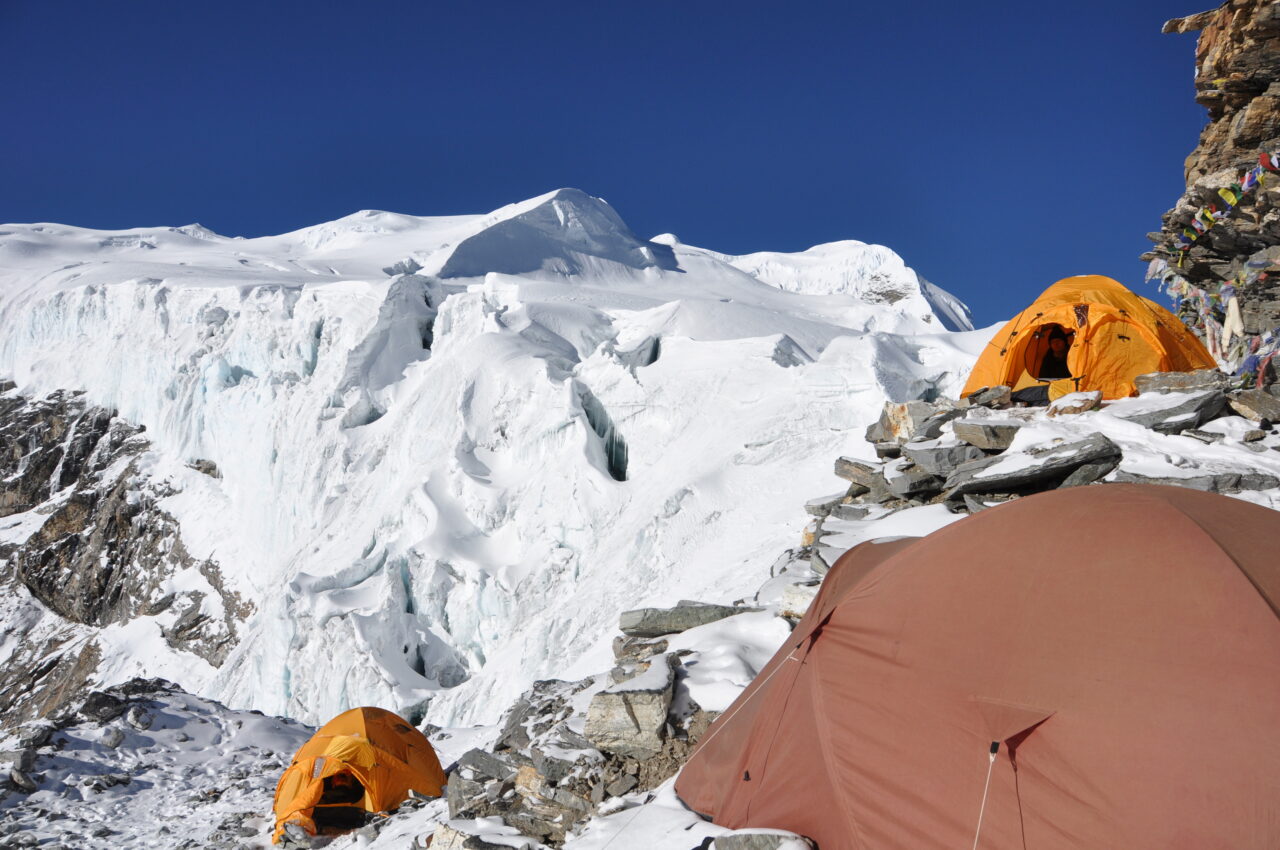
From Khare onwards, you stay in tents. At Mera High Camp, there are no teahouses. You sleep in a tent on the glacier. This is a true alpine experience. Your climbing team sets up the camp and prepares hot meals. The nights are cold, so a good sleeping bag rated to minus 20 degrees Celsius is essential.
Pre Climb Training at Khare
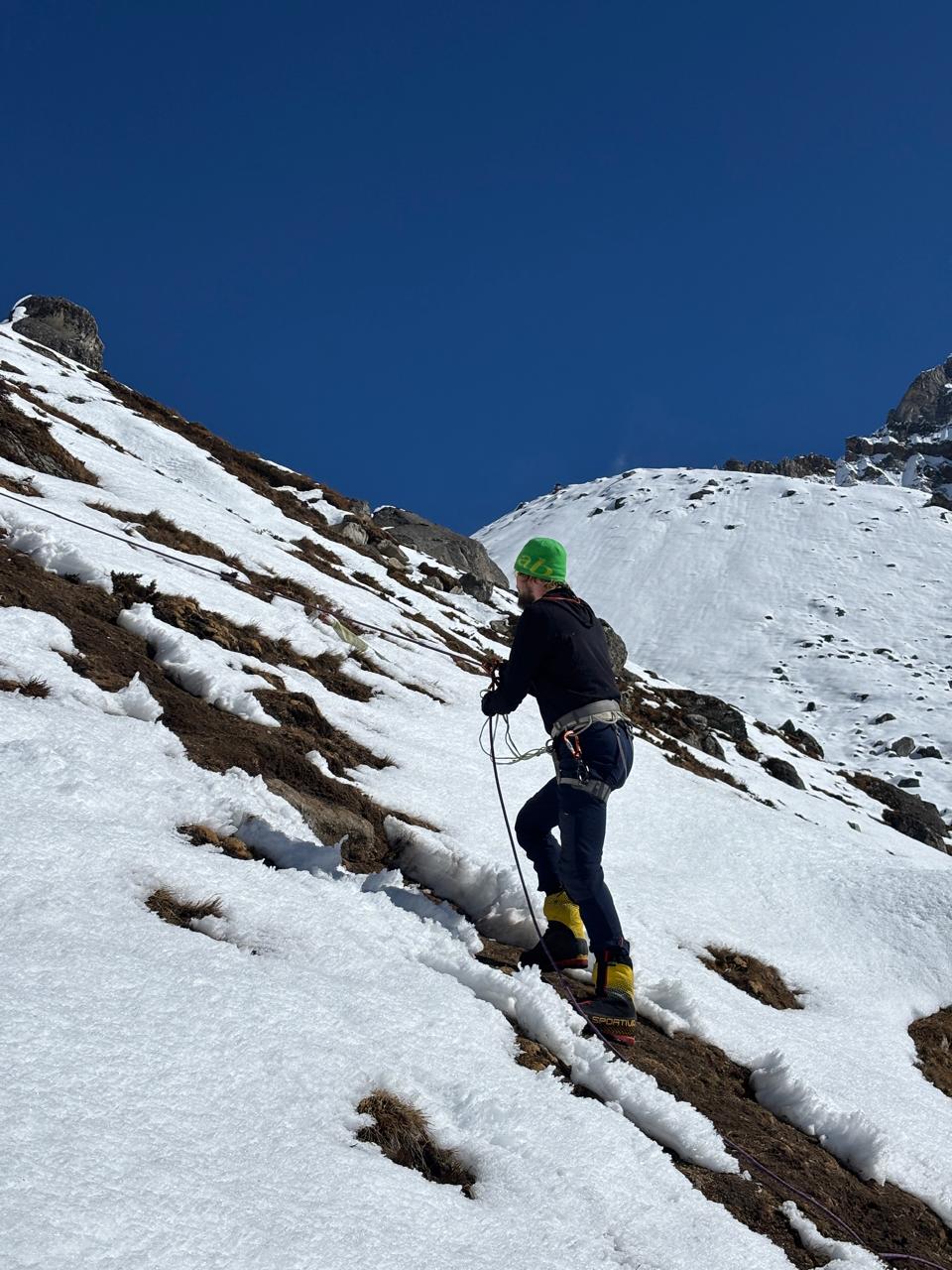
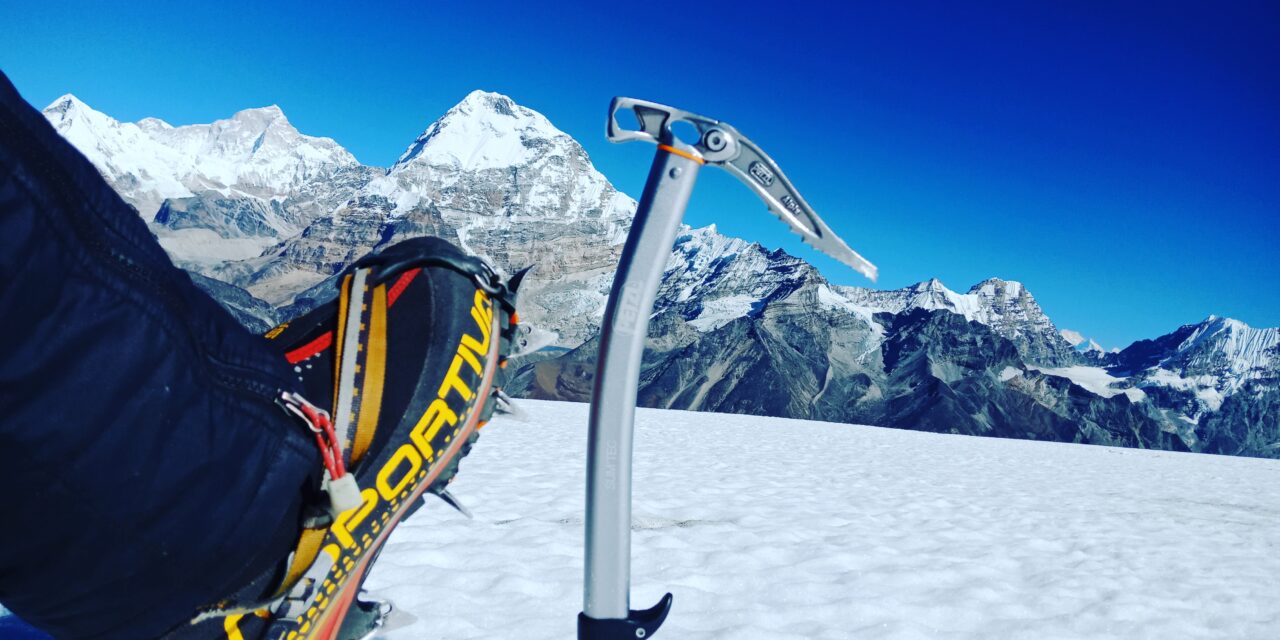
Before you attempt the summit, you spend a full day at Khare for acclimatization and training. Your climbing guide will teach you how to put on and walk in crampons. You will practice using a jumar on fixed ropes. You will learn how to move efficiently on snow and ice. This training is important because even if you have used this equipment before, practicing at 5,000 meters refreshes your skills and builds confidence.
The Summit Day
The summit day starts very early. You wake up around midnight at Mera High Camp, put on your layers and your crampons and begin climbing by headlamp. The climb is steep but not technical. You follow fixed ropes on the steepest sections. Your guide sets a slow and steady pace. The air is thin, so you stop often to breathe.
After several hours of climbing, you reach the summit ridge as the sun begins to rise. The views are unforgettable. Below you, stretching to the horizon, are Everest, Kanchenjunga, Lhotse, Makalu and Cho Oyu. The peaks are lit by the first light of day. You stand at 6,461 meters.
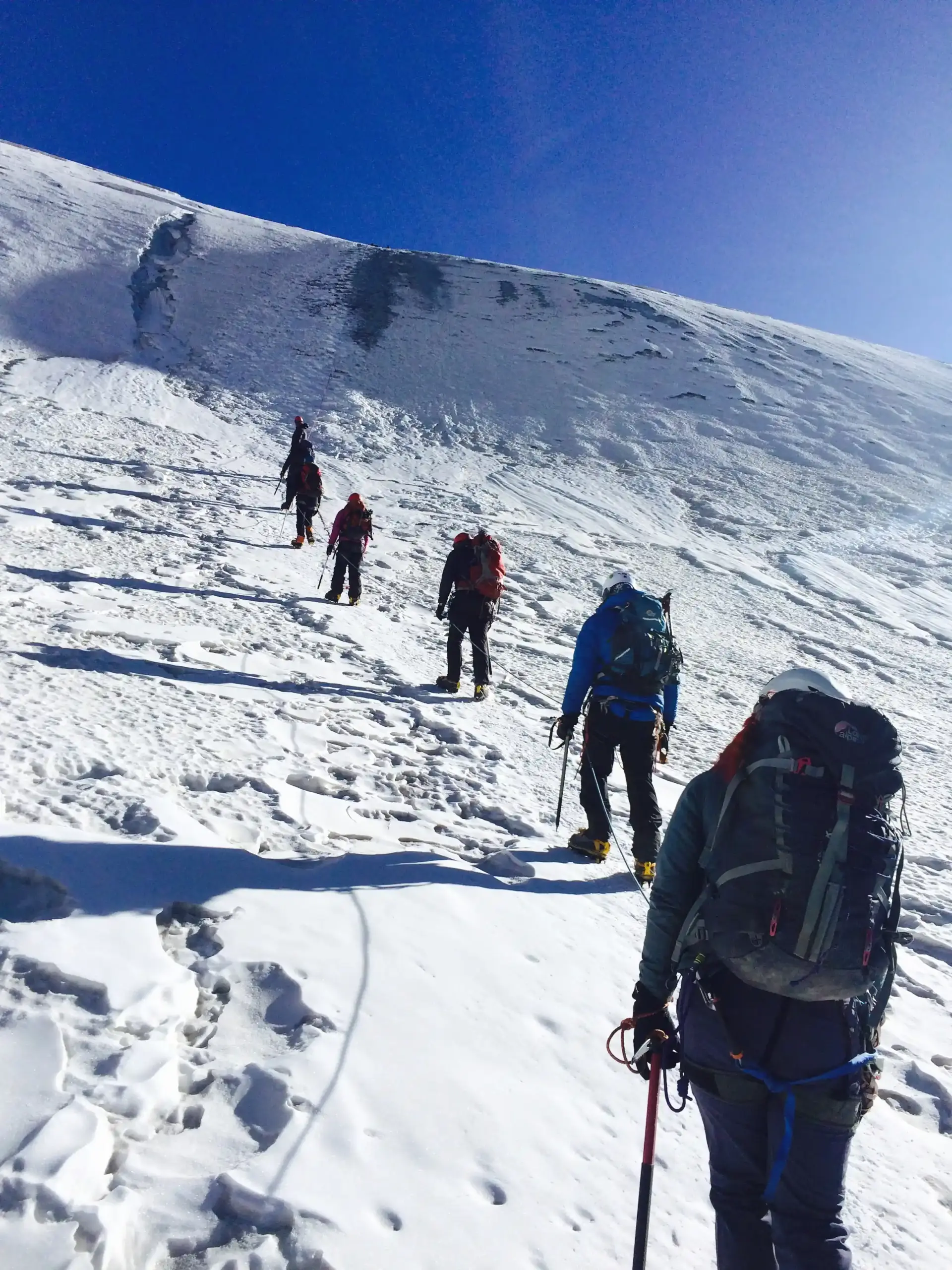
The descent back to Mera High Camp and then to Khare takes several more hours. You will be tired but filled with a sense of achievement.
Physical Demands and Altitude
Mera Peak is a challenging climb. The summit day requires 10 to 12 hours of walking and climbing. The altitude is severe. At 6,461 meters, the oxygen level is about half of what it is at sea level. Most climbers experience some symptoms of altitude sickness. Mild headache and shortness of breath are common. Severe symptoms are rare if you follow the itinerary and listen to your body.
Your safety is our first priority. The itinerary includes a gradual ascent, two full rest days at Khare and a reserve day on Day 13 for weather or extra acclimatization. If you feel unwell, tell your guide immediately. Do not hide your symptoms.
Is Mera Peak Climbing Right for You
Fitness Level
You need good cardiovascular fitness and leg strength for Mera Peak. The trekking days range from three to eight hours. The summit day requires ten to twelve hours of continuous effort at high altitude. You should be comfortable walking uphill for several hours with a light daypack. Start training at least three months before your departure. Running, cycling, swimming and stair climbing are excellent ways to build endurance.
Previous Experience
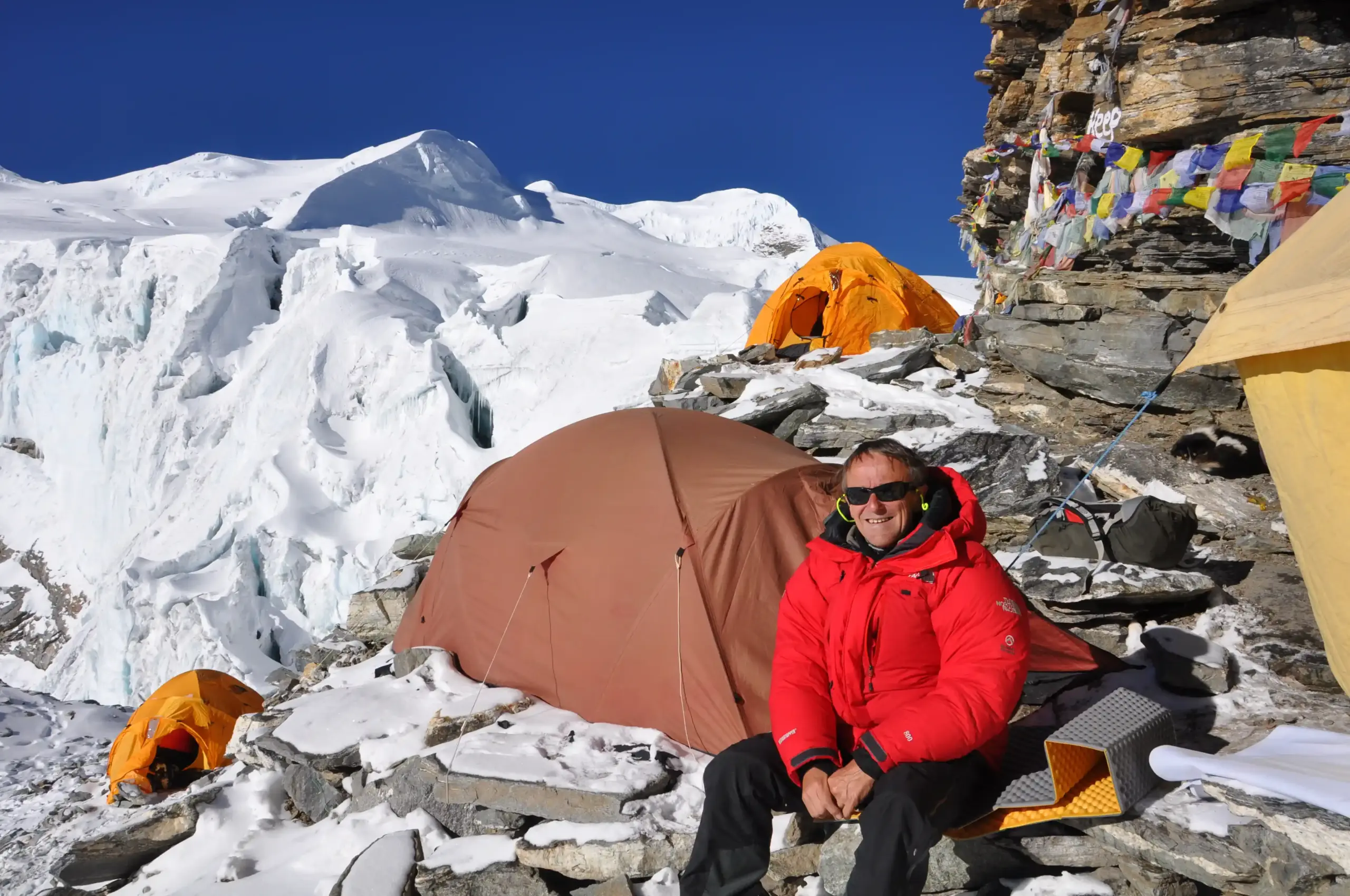
You do not need technical climbing experience for Mera Peak. The climb is non-technical. You will use crampons and follow fixed ropes, but your guide will teach you how to use this equipment during the training day at Khare. However, prior high altitude trekking experience above 5,000 meters is strongly recommended. If you have successfully completed a trek like Everest Base Camp or Annapurna Base Camp, you are well prepared for Mera Peak.
Mental Preparation
Climbing a 6,000 meter peak is as much a mental challenge as a physical one. There will be moments when you feel tired, cold or frustrated. This is normal. The early morning start on summit day is difficult. The cold is intense. The air is thin. But your guide will be with you every step. Focus on one step at a time. Trust your training. Trust your team.
Altitude Considerations
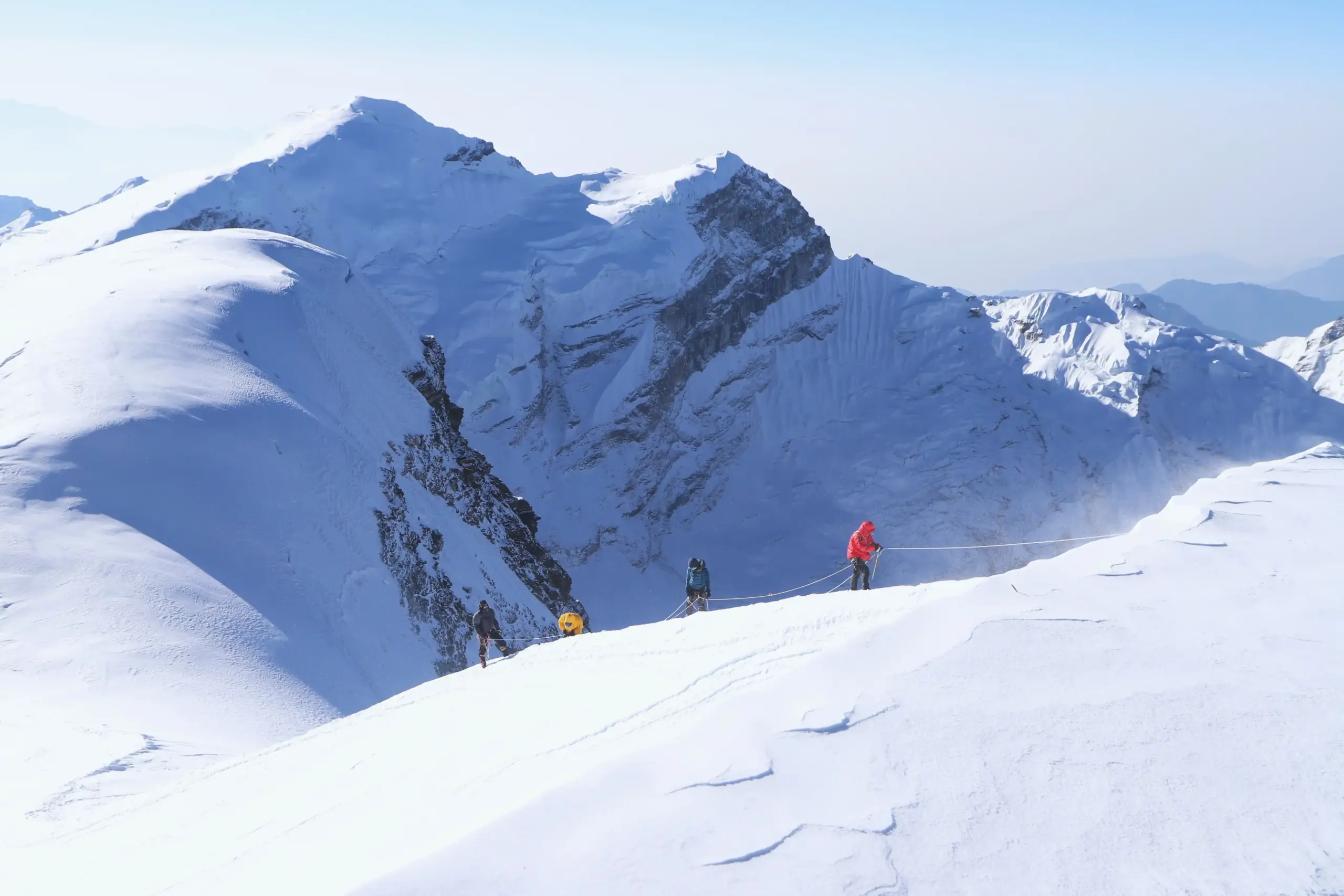
Mera Peak stands at 6,461 meters. At this altitude, the oxygen level is about half of what it is at sea level. Most climbers experience some symptoms of altitude sickness. Mild headache, shortness of breath and loss of appetite are common. Your safety is our first priority. The itinerary is designed with gradual ascent and proper acclimatization days. You also have a reserve day on Day 13 for weather or extra rest. Listen to your body. Tell your guide immediately if you feel unwell. Do not hide your symptoms.
Best Time for Mera Peak Climbing
Spring from March to May
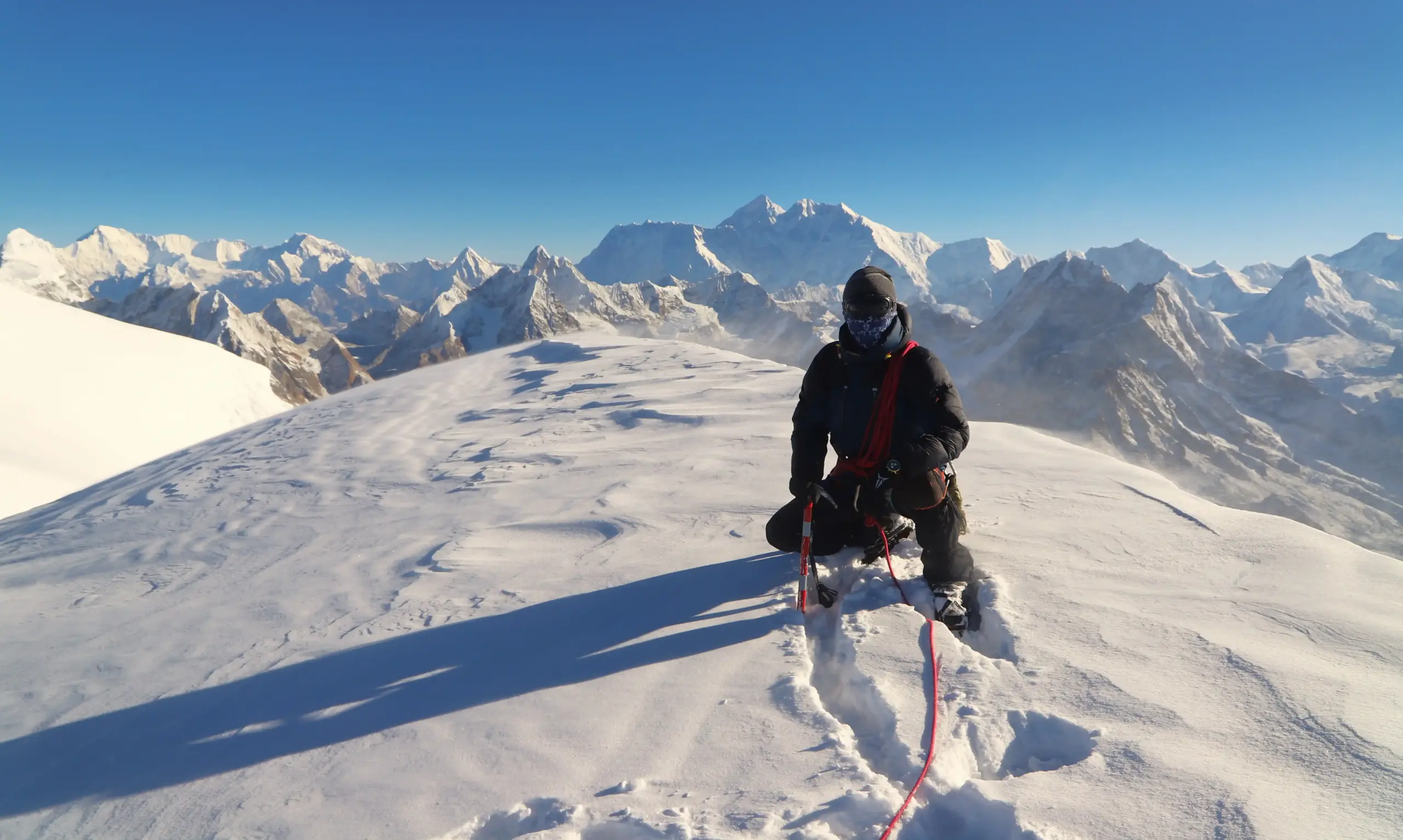
Spring is one of the best seasons for climbing Mera Peak. The weather is generally stable. Daytime temperatures at lower elevations range from 10 to 20 degrees Celsius. At higher elevations and on the summit, temperatures drop well below freezing, especially at night. The skies are clear and the mountain views are stunning. The rhododendron forests are in full bloom. This is a busy season, so book early.
Summer from June to August
This is the monsoon season in Nepal. The trails become wet, slippery and muddy. The views are often blocked by clouds. Flights to and from Lukla are frequently delayed or cancelled due to poor weather. We do not recommend climbing Mera Peak during the summer months. If you choose to come during this time, be prepared for rain, leeches on the lower trails and limited mountain views.
Autumn from September to November
Autumn is the other peak season for Mera Peak. The weather is stable after the monsoon rains. The skies are clear and the visibility is excellent. The temperatures are pleasant during the day but cold at night, especially above 5,000 meters. This is the most popular time for climbing Mera Peak. The trails are busy but not overcrowded. Book well in advance.
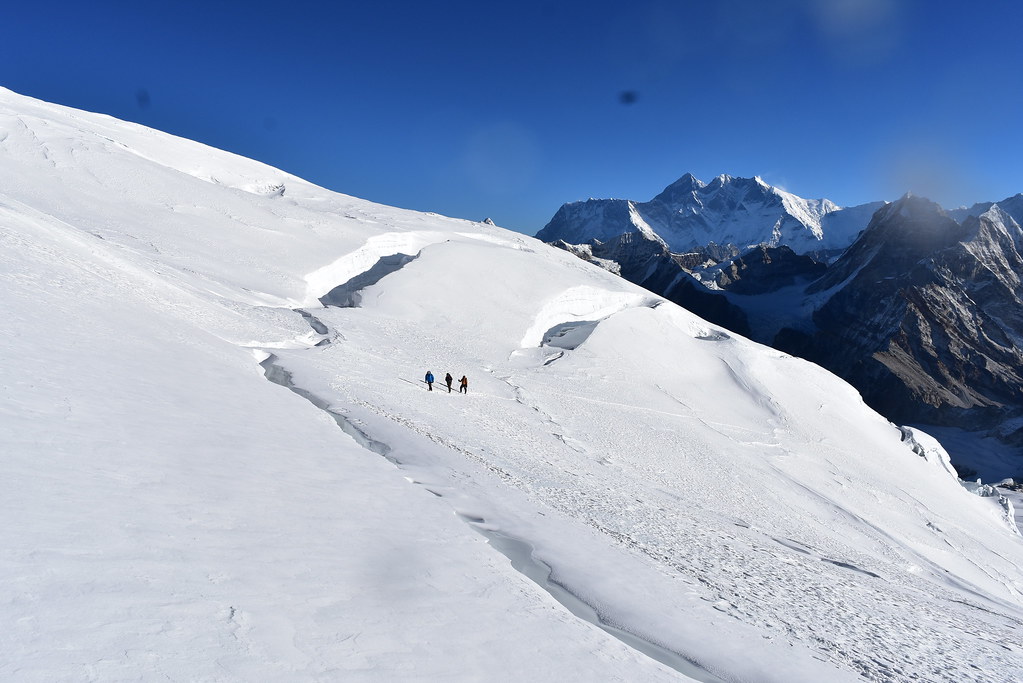
Winter from December to February
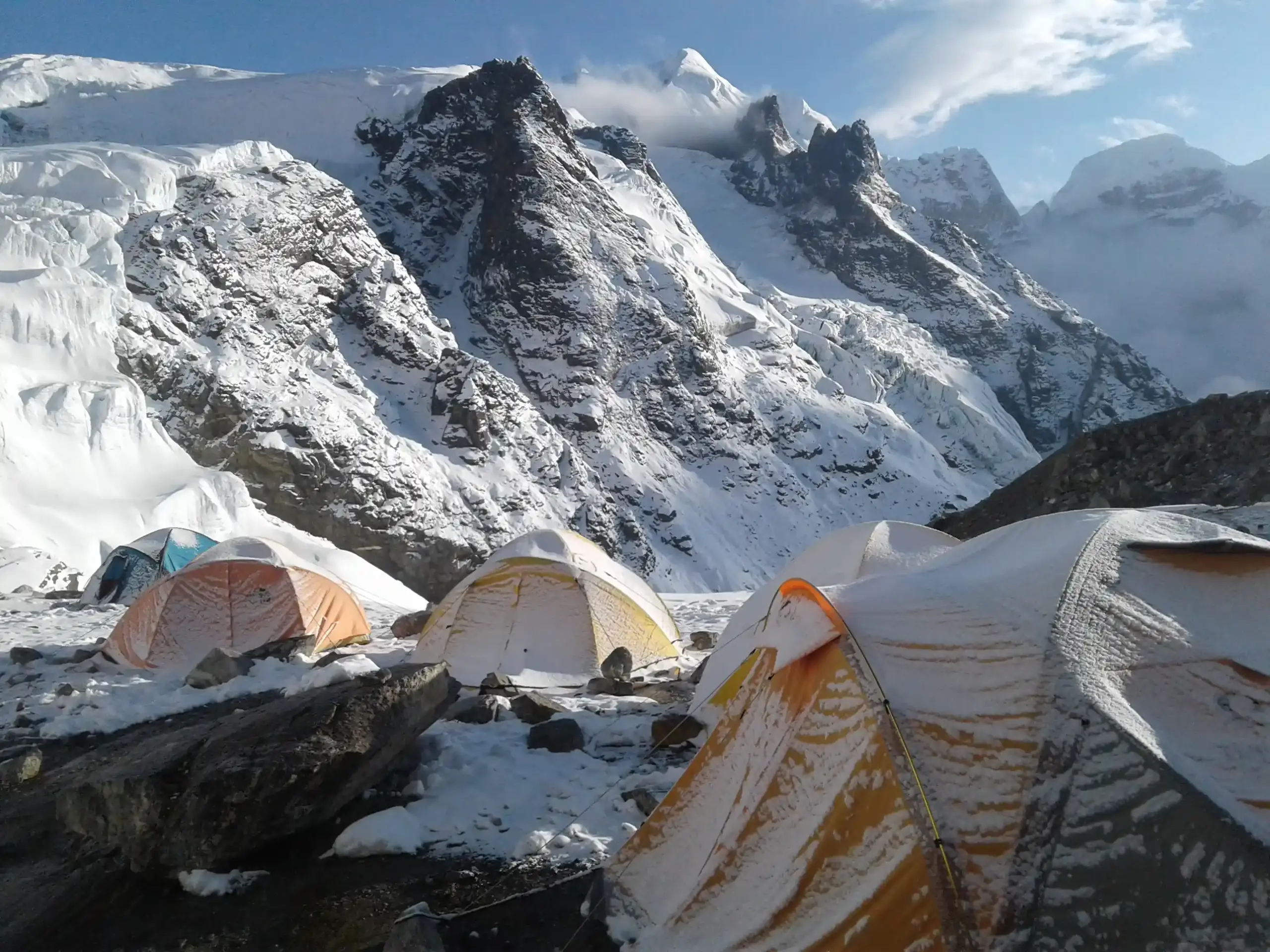
Winter climbing is possible but very challenging. Daytime temperatures are cold. Nighttime temperatures at high camp can drop to minus 20 degrees Celsius or lower. Snowfall can block the trails and make the climb more difficult. Flights to Lukla are often cancelled due to weather. Only experienced winter climbers should attempt Mera Peak during this season. If you choose to come in winter, bring extra warm layers and be prepared for delays.
Why Choose Us for Mera Peak Climbing
Local Expertise and Knowledge
Our climbing guides are from the Solukhumbu region. They have grown up in the shadow of these mountains. They know the Hinku Valley intimately. They have climbed Mera Peak dozens of times. They understand the weather patterns, the safest route to the summit and how to manage acclimatization. When you climb with us, you are climbing with locals who know this mountain better than anyone.
Safety First
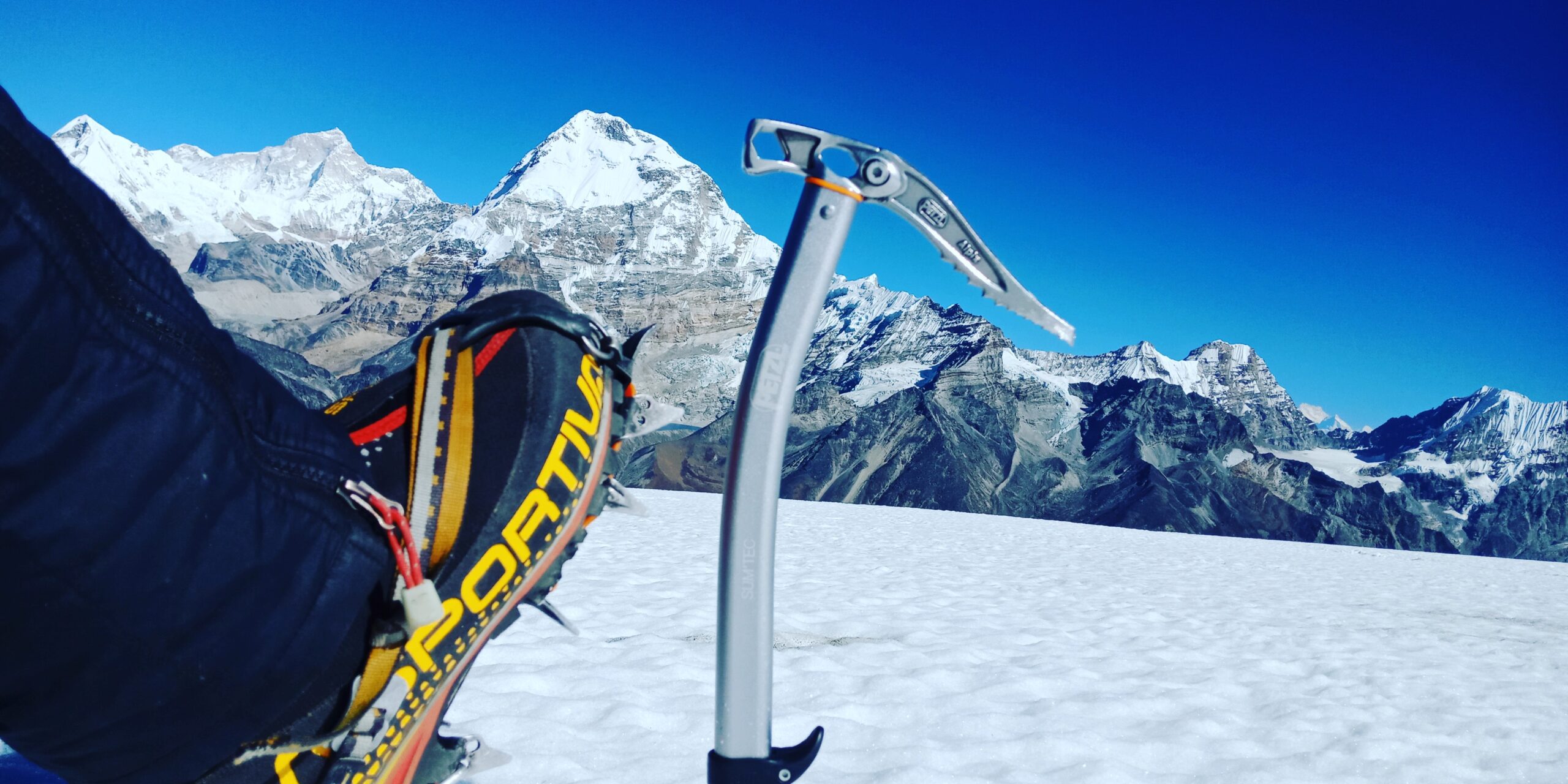
Your safety is our first priority. Our climbing guides are certified by the Nepal Mountaineering Association and trained in high altitude first aid and rescue. We carry a comprehensive first aid kit, a satellite phone for emergency communication and emergency oxygen for medical use. Our guides monitor your oxygen saturation and heart rate twice daily using a pulse oximeter. If you show signs of altitude sickness, your guide will take immediate action.
Experienced Climbing Sherpas
Our climbing Sherpas are among the most experienced in Nepal. They have summited Mera Peak many times. They will fix ropes on the steep sections, lead the way to the summit and stay with you every step of the climb. They are patient, encouraging and highly skilled. When you reach the summit, they will be right there with you.
Personalized Service
We keep our climbing groups small. This allows us to give individual attention to every climber. We offer pre-climb training at Khare so you feel confident before summit day. We are available to answer your questions before, during and after the climb. If you need to customize the itinerary for your schedule or fitness level, just let us know.
Affordable Pricing with No Hidden Costs
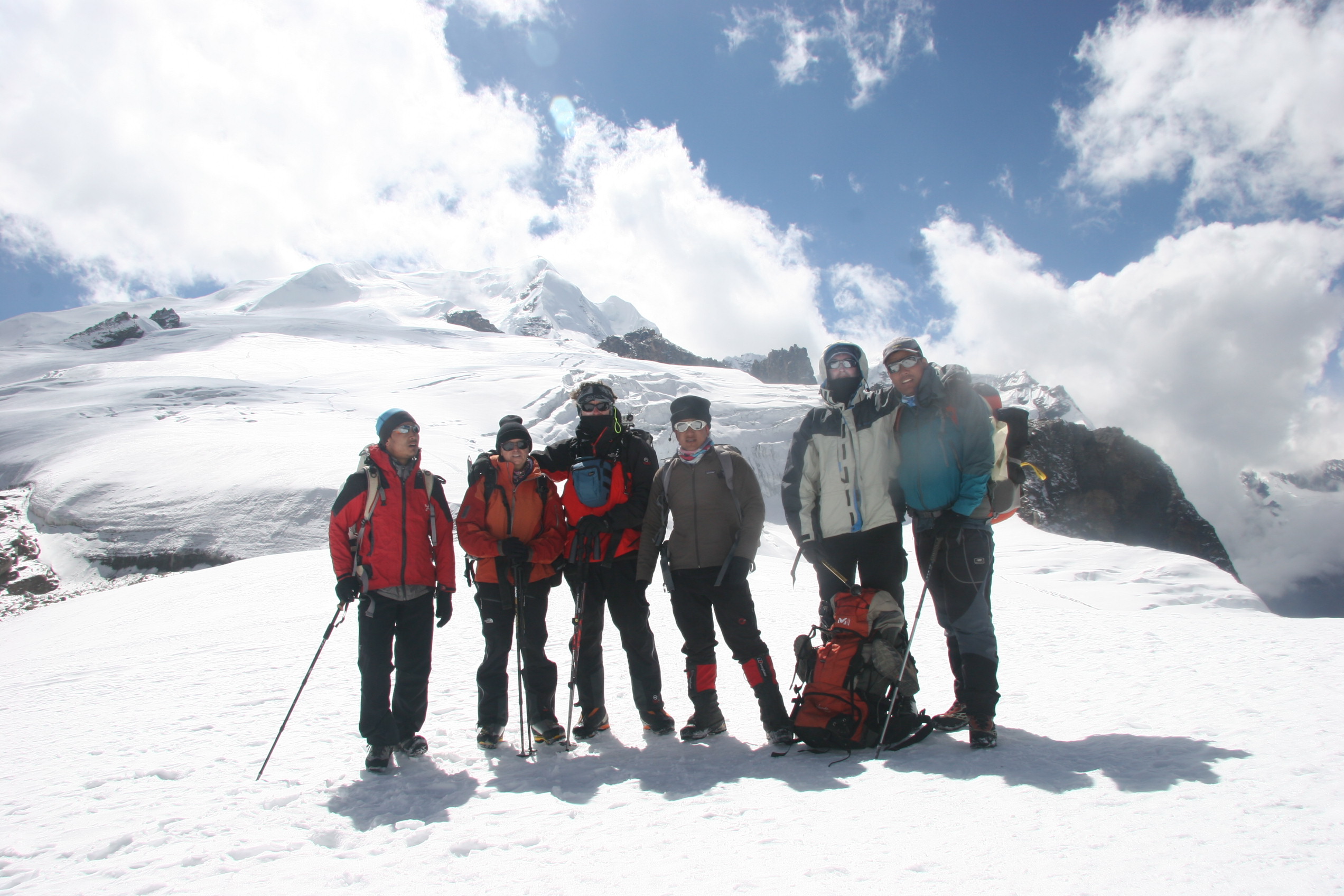
Our Mera Peak Climbing package includes all permits, accommodation, meals during the trek, guide and porter services, group climbing equipment and airport transfers. The price you see is the price you pay. There are no surprise fees. We believe that climbing a 6,000-meter peak should be accessible to trekkers with a reasonable budget.
Excellent Track Record
We have guided hundreds of climbers to the summit of Mera Peak. Our reviews on TripAdvisor and Google speak for themselves. Trekkers consistently mention our knowledgeable guides, our attention to safety and the smooth organization of our trips. We are proud of our reputation and we work hard to maintain it.
Recommended Equipment Packing for Mera Peak Climbing
The following basic equipment checklist for Mera Peak Climbing is designed to assist you in preparing for your trek. Packaging efficiently and keeping your gear’s weight as light as possible to ensure a comfortable trekking experience is important.
At the beginning of your trek, your packed bag should weigh no more than 33 pounds (15 kg). This weight limit helps to ensure that our Porter can carry your bag comfortably. Please review the checklist carefully and pack accordingly to maximize your enjoyment and minimize any unnecessary strain.
- Sun hat or scarf
- Warm fleece hat
- Sunglasses with UV protection
- Warm beanie
- Buff or neck gaiter
- Moisture-wicking T-shirts
- Fleece jacket or pullover
- Fleece Wind-Stopper jacket (optional)
- Waterproof (preferably breathable fabric) shell jacket
- Down jacket or synthetic insulated jacket
- Lightweight gloves and or
- Heavyweight gloves
- Under Garments
- Hiking shorts
- Lightweight cotton long pants
- Fleece or wool pants (seasonal)
- Waterproof pants
- Lightweight trekking pants
- Thermal pants (for Higher and colder regions)
- Thin, lightweight inner socks
- Thick, warm wool hiking socks
- Hiking boots with spare laces
- Camp shoes (sneakers and/or sandals)
- Sleeping bag
- Sleeping bag liner (for added warmth)
- Map and compass/GPS
- Headlamp with extra batteries
- Daypack (20-30 liters)
- Duffle bags
- Basic First Aid Kit
- Regular medicine
- Trekking Poles
- Water bottles or hydration system (at least 2 liters capacity)
- Water purification tablets or filter
- Solar charger or power bank
- Multi-tool or knife
- Medium-sized quick-drying towel
- Toothbrush/paste
- Multipurpose soap
- Deodorants
- Nail clippers
- Face and body moisturizer
- Sunscreen (SPF 30 or higher)
- Lip balm with SPF
- Personal Hygiene
- Wet wipes (baby wipes)
- Tissue / toilet roll
- Anti-bacterial hand wash
- Reading book
- Trail Map/Guidebook
- Lightweight reading material or Journal with Pen
- iPod/Smartphones
- Pencils and small notebooks
- Camera and spare batteries
- Snacks and energy bars
- Gaiters (for snow or muddy trails)
- Lightweight binoculars
- Portable trekking pillow
- Travelling games (Uno, playing cards, dice, etc)
- Trekking permits and
- Copies of important documents (passport, insurance)
- Cash for tea houses, tips, and small purchases
- Travel insurance details
- Emergency contact information
- Layering: Dress in layers to manage temperature changes easily.
- Breaking in Gear: Make sure all gear, especially boots, is not broken and comfortable before the trek.
- Weight Management: Keep your backpack weight as light as possible without sacrificing essential items.
- Training: Physical preparation is key; train with hikes and exercise to build endurance.
Outline Itinerary of Mera Peak Climbing
Arrival in Kathmandu
Free Day in Kathmandu
Fly to Lukla and Trek to Paiya
Paiya to Panggom
Panggom to Ningsow
Ningsow to Chhetra Khola
Chhetra Khola to Kothe
Kothe to Thaknak
Thaknak to Khare
Khare Acclimatization and Pre Climb Training
Khare to Mera High Camp
Mera High Camp to Summit to Khare
Reserve Day for Contingency
Khare to Kothe
Kothe to Thuli Kharka
Thuli Kharka to Lukla via Zatrwa La Pass
Fly to Kathmandu
Final Departure
Mera Peak Caravan Route Length: 29.8 KM (Lukla to Khare)
The caravan route of the Mera Peak Climbing expedition covers approximately 29.8 kilometres, starting from Lukla and passing through the beautiful and remote Hinku Valley before reaching Khare, the final settlement below Mera Peak. This section of the journey takes trekkers through rhododendron forests, traditional Sherpa villages, alpine landscapes, and pristine mountain wilderness. The gradual ascent along this route is crucial for proper acclimatization, allowing climbers to adjust to the increasing altitude while enjoying spectacular views of the Himalayas. The trek to Khare typically takes several days and forms an essential foundation for a safe and successful Mera Peak ascent.
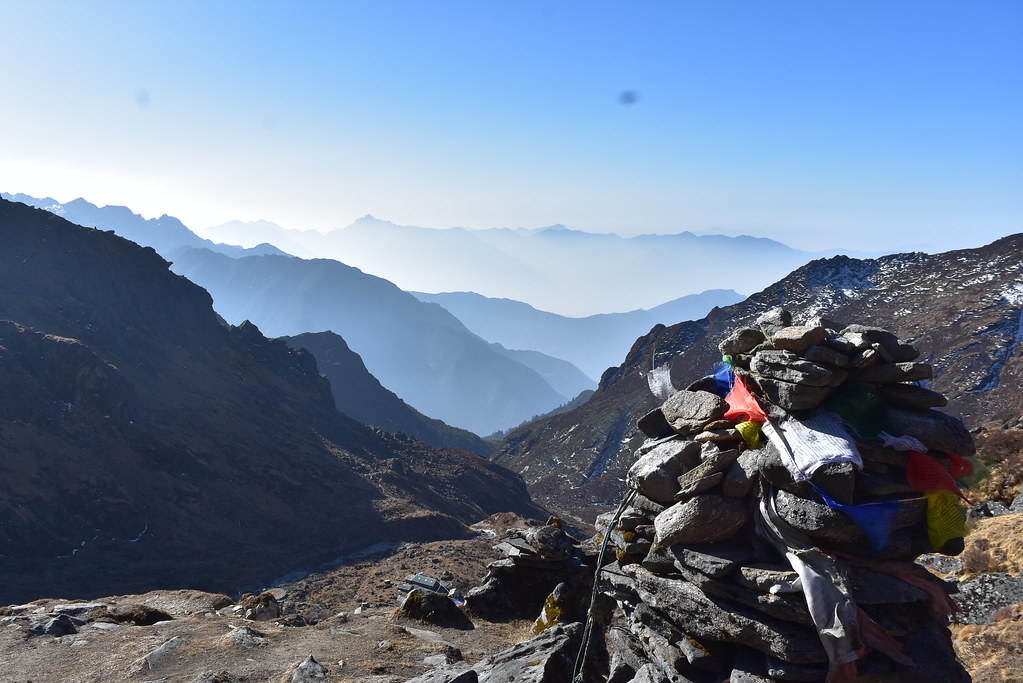
Mera Peak Climbing Route Length: 4.2 KM
The actual climbing route from Mera High Camp to the summit of Mera Peak covers approximately 4.2 kilometers. Although relatively short in distance, this section is the most physically demanding part of the expedition due to the high altitude and challenging glacier terrain. Climbers traverse snowfields and glaciated slopes while using mountaineering equipment under the guidance of experienced climbing guides. Reaching the summit at 6,476 meters (21,247 feet) rewards climbers with one of the finest panoramic mountain views in the Himalayas, including Mount Everest, Lhotse, Makalu, Cho Oyu, Kanchenjunga and many more.
Preparing for the Mera Peak Climb
The journey to the summit of Mera Peak is not just about the final push to 6,461 meters. It is about the days you spend walking through the Hinku Valley, the nights you sleep in remote teahouses and the training you do before you even arrive in Nepal.
The Hinku Valley is one of the most remote and unspoiled regions in the Everest area. Unlike the crowded trails to Everest Base Camp, the path to Mera Peak sees very few trekkers. You will walk through dense rhododendron forests, open pastures where yaks graze and narrow valleys with glacial streams. The villages you pass through are small and traditional. The local Rai and Sherpa people are warm and welcoming. This sense of quiet and isolation is something you will remember long after the climb is over.
As you trek deeper into the valley, Mera Peak appears on the horizon. It gets closer each day. By the time you reach Khare at 5,000 meters, the peak towers above you. The climb is challenging but achievable for trekkers with good fitness and proper preparation.
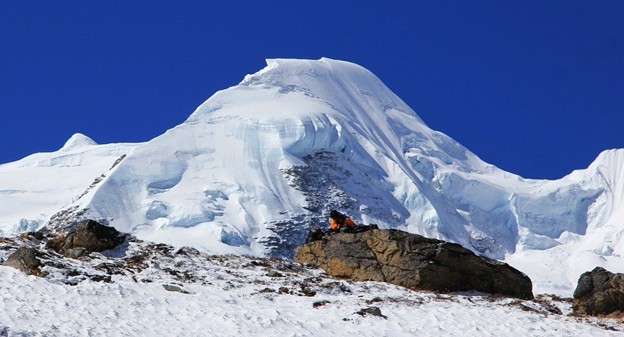
Physical Preparation Tips
Cardiovascular Training
Your heart and lungs need to be strong for high-altitude climbing. Start training at least three months before your departure. Running, cycling, swimming and stair climbing are excellent choices. Aim for 30 to 45 minutes of cardio exercise, four to five times per week.
Strength Training
Your legs will carry you up and down for many hours each day. Strong legs make a big difference. Focus on squats, lunges, step ups and calf raises. Core strength is also important for balance on uneven terrain. Add planks and back extensions to your routine.
Hiking Practice
There is no substitute for walking with a loaded backpack. Start with short hikes on hilly terrain and gradually increase the distance and elevation gain. Wear the same boots you will use on the climb. Break them in well before you arrive in Nepal. Aim for at least one long hike each week, ideally carrying 5 to 8 kilograms in your daypack.
Flexibility and Balance
Yoga or simple stretching exercises help prevent injuries. Good balance is useful when you walk on moraine, cross streams or climb steep snow slopes. Practice standing on one leg, lunges and basic yoga poses like downward dog and warrior.
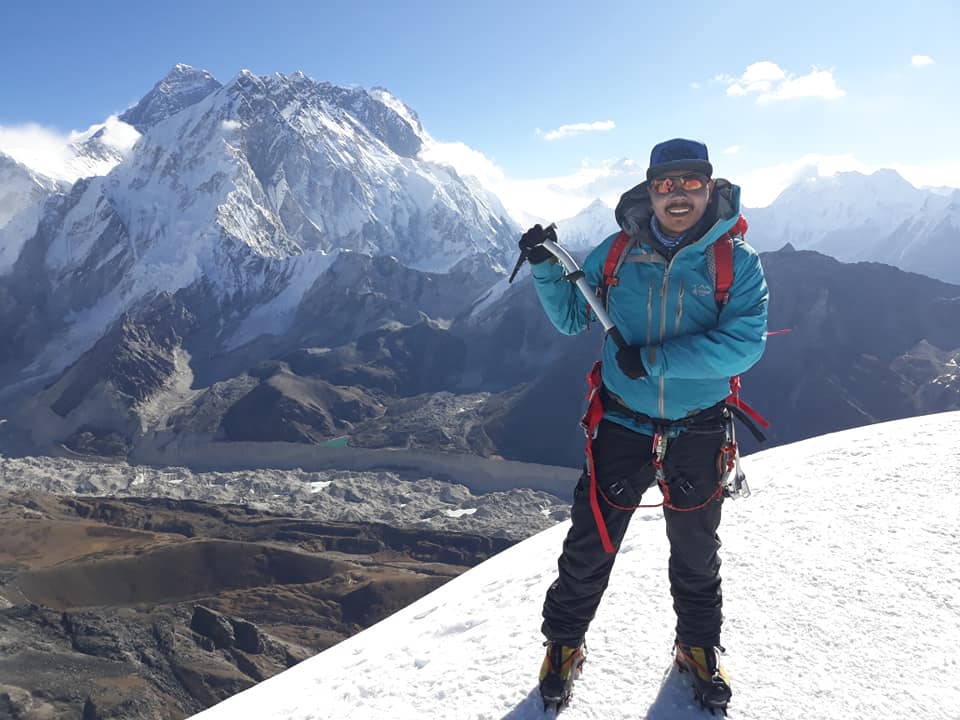
Mental Preparation Tips
Mindset
Climbing a 6,000 meter peak is as much a mental challenge as a physical one. There will be moments when you feel tired, cold or frustrated. This is normal. Remind yourself why you came. Focus on one step at a time. Do not think about how far you have to go. Think only about the next ten steps.
Adjust Expectations
The weather in the Himalayas is unpredictable. Your summit day may be delayed by wind or snow. The reserve day on Day 13 exists exactly for this reason. Do not let a weather delay discourage you. The mountain will wait.
Stress Management
The days are long and the air is thin. Practice deep breathing exercises before you arrive. When you climb, breathe deeply and rhythmically. This calms your mind and delivers oxygen to your muscles.
Educate Yourself
Read about Mera Peak. Watch climbing videos online. Learn about altitude sickness and its symptoms. The more you know, the less you will worry. Knowledge is a form of preparation too.
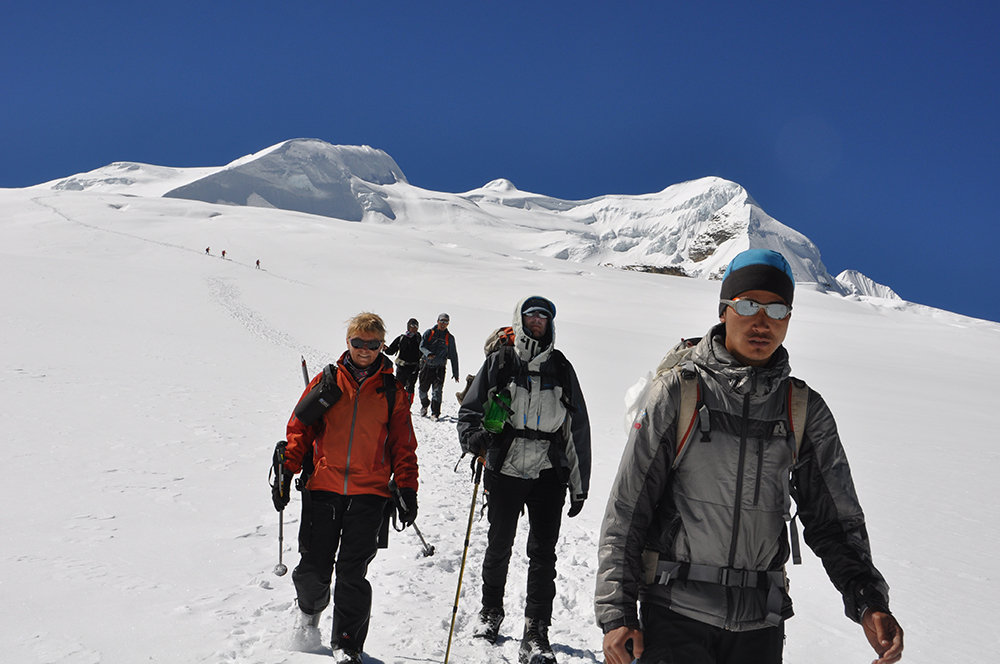
The Summit Day Experience
We do not want to give away every detail of the summit day because the experience is yours to discover. But we can tell you this. You will wake up before midnight. You will put on your boots and your crampons. You will turn on your headlamp and follow your guide into the darkness. The climb is steep and the air is thin. You will stop often to breathe. And then, as the sun rises, you will see the Himalayas laid out before you. Everest, Kanchenjunga, Lhotse, Makalu and Cho Oyu. Five of the highest mountains in the world. You will stand at 6,461 meters. And you will know that every step was worth it.
Start your training now. Arrive in Kathmandu rested and ready. Trust your guide. Trust yourself.
Detailed Itinerary of Mera Peak Climbing
Day 1: Arrival in Kathmandu
Today’s Highlights
- Arrive at Tribhuvan International Airport in Kathmandu
- Meet your representative from Namaste Nepal Trekking and Research Hub
- Private transfer to your hotel
- Pre trip meeting at our office
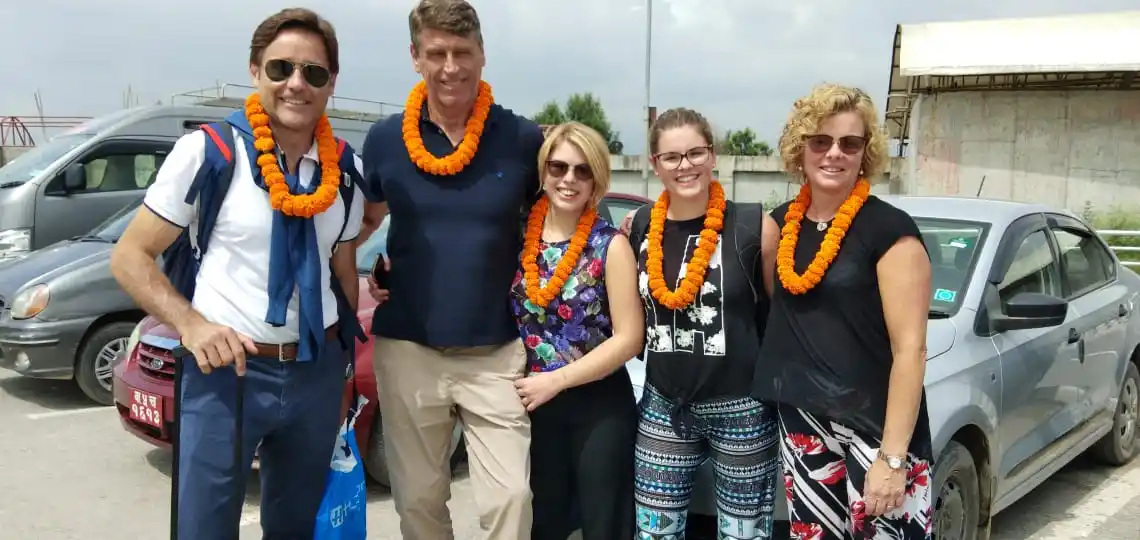
Upon your arrival at Tribhuvan International Airport in Kathmandu, your representative from Namaste Nepal Trekking and Research Hub will meet you outside the arrival terminal. He will be holding a company signboard with your name on it. Look for him as you exit the customs area.
From the airport, you will take a private vehicle to your hotel in Kathmandu. The drive takes about thirty minutes depending on traffic. You can rest at the hotel and freshen up after your flight.
In the afternoon, you will come to our office for the pre-trip meeting. This meeting is important because you will meet your climbing guide and go over the entire itinerary in detail. During this meeting, we will check your gear to make sure you have everything you need for the climb. If you are missing any essential items, you can rent or buy them in Thamel after the meeting.
Please bring your passport, two copies of your passport-sized photos and your travel insurance policy to the meeting. You will also sign the trip form and the non-liability disclaimer.
After the meeting, you have the rest of the evening free. Thamel is a good place to find your first Nepali meal. There are many restaurants offering both Western and local food.
- Activity Arrival and pre trip meeting
- Trip Duration 30 to 45 minutes
- Max Altitude 1,400 meters or 4,593 feet
- Meals None included today
- Accommodation: 4-star hotel in Kathmandu
Practical Tips
- Rest well tonight because the journey to Lukla starts early tomorrow
- Double-check that you have all your documents before leaving the hotel
- Exchange some Nepali currency at the hotel or at a money exchange counter in Thamel

Day 2: Free Day in Kathmandu
Today’s Highlights
- Full day to rest and prepare for your climb
- Optional sightseeing in the Kathmandu Valley
- Last minute gear shopping in Thamel
- Final equipment check with your guide
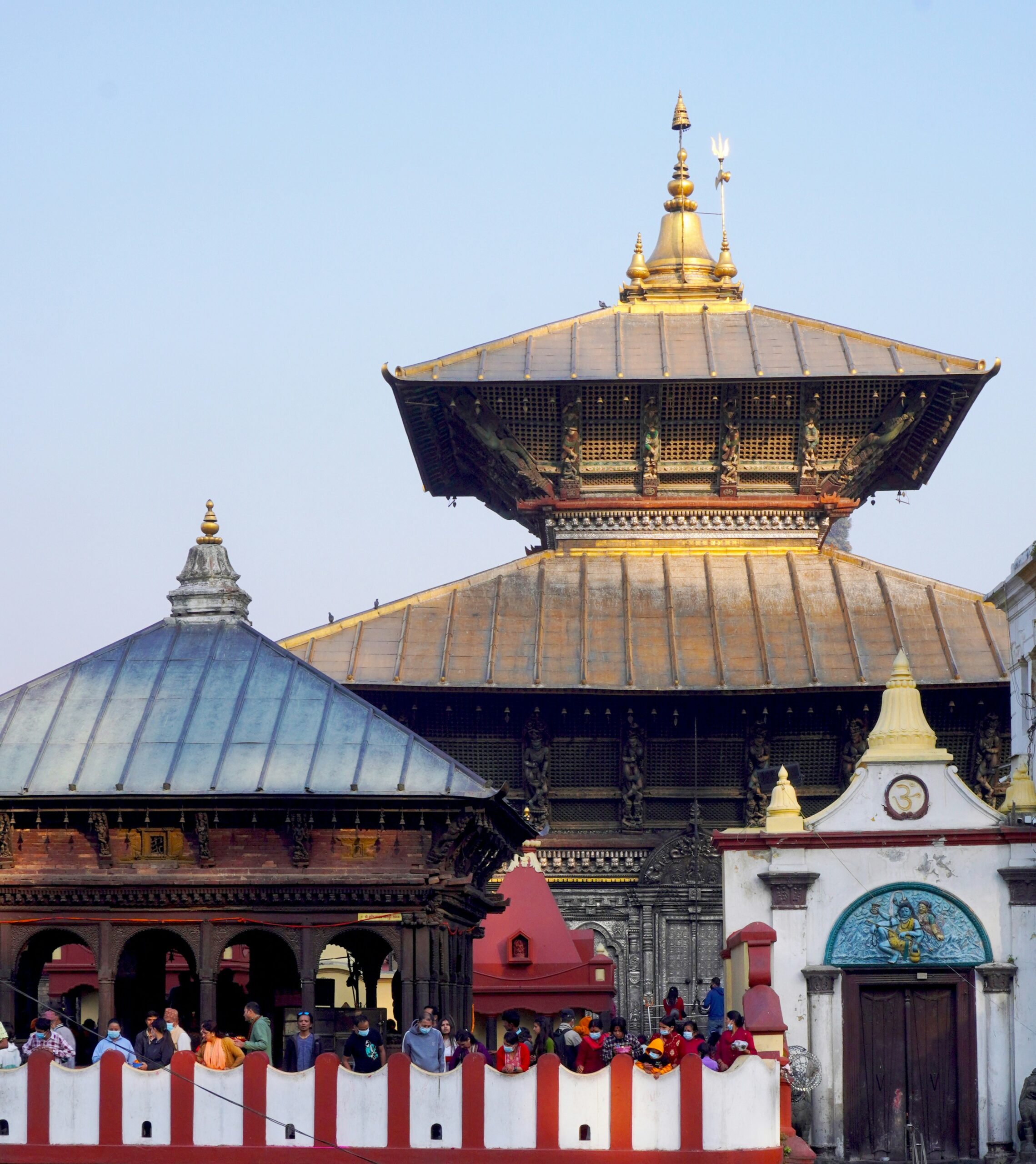
Today is a free day in Kathmandu. This day is built into the itinerary for two reasons. First, it gives you a full day to recover from your international flight before the climb begins. Second, it gives you a buffer day in case your flight to Nepal was delayed.
You can use this day to rest at the hotel or explore the city. If you want to do some sightseeing, we recommend visiting Swayambhunath Stupa which is also called the Monkey Temple or Kathmandu Durbar Square. Both are UNESCO World Heritage sites and offer a good introduction to Nepali culture and architecture.
If you need any last minute gear, Thamel has many shops selling trekking and climbing equipment. You can find good quality boots, jackets, sleeping bags and other items here. If you are renting gear like crampons or an ice axe, this is a good day to pick them up.
Your guide will be available for a final equipment check. Please bring all your climbing gear to the hotel lobby in the afternoon so the guide can confirm you are ready for the climb.
Tonight, have a good dinner and go to bed early. Tomorrow you fly to Lukla and the climb begins.
- Activity: Rest and preparation day
- Trip Duration: Full day
- Max Altitude: 1,400m / 4,593ft
- Accommodation: Three star hotel in Kathmandu
Practical Tips
- Drink plenty of water to stay hydrated before the climb starts
- Avoid heavy alcohol consumption tonight
- Pack your duffel bag for the trek and keep your daypack ready for the flight to Lukla
- Make sure your valuables are stored securely at the hotel
Day 3: Fly to Lukla and Trek to Paiya
Today’s Highlights
- Scenic morning flight from Kathmandu or Manthali to Lukla
- Meet your trekking crew at Lukla airport
- Begin trekking through the foothills of the Everest region
- Trek to the village of Paiya
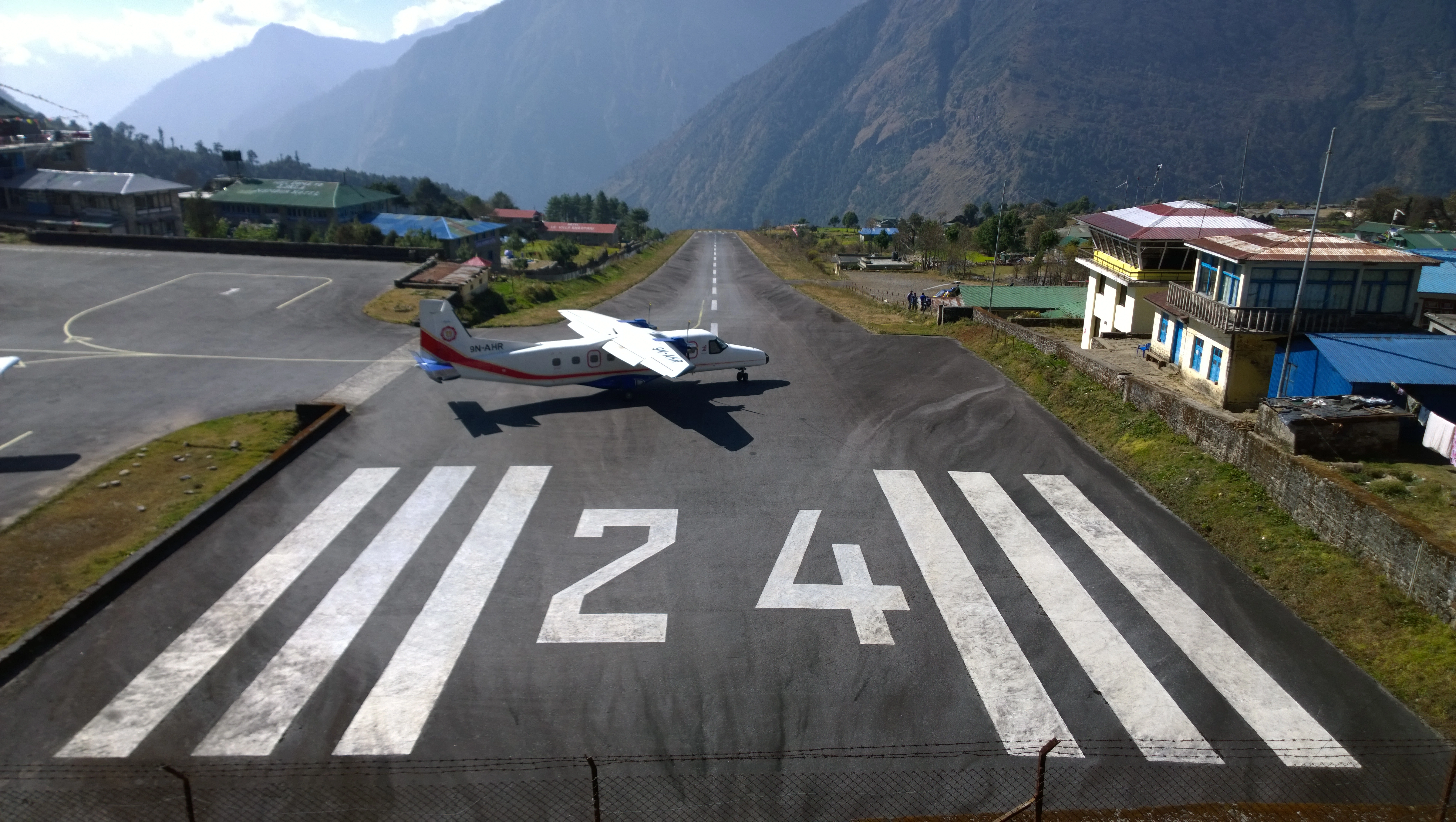
You will wake up early for your flight to Lukla. Depending on the season, your flight may depart from Kathmandu airport or from Manthali airport in Ramechhap.
Note
Important Information About Your Lukla Flight
During the peak trekking seasons of autumn from September to November and spring from March to May, flights to and from Lukla are often operated from Manthali Airport in Ramechhap instead of Kathmandu Airport. This is because the flight route from Kathmandu becomes very crowded during these months. If your flight is scheduled from Manthali, we will inform you in advance.
For a flight from Kathmandu to Lukla via Manthali, you will leave your hotel in Kathmandu at around 2 AM. You will drive for four to five hours to Manthali Airport. The flight from Manthali to Lukla takes about twenty minutes. The same applies for your return flight from Lukla to Kathmandu. You will fly from Lukla to Manthali and then drive back to Kathmandu.
Please be patient with flight schedules. Lukla flights depend heavily on the weather. If the weather is bad in Lukla, flights may be delayed or cancelled. Your safety is our first priority. We will rebook flights for the next available day. The itinerary includes buffer days for this reason.
The flight to Lukla is a memorable experience. You will see the Himalayan range from your window as the plane flies east. The runway at Lukla airport is short and the approach is dramatic, but your pilot is highly experienced.
Once you land in Lukla, you will meet the rest of your trekking crew including your assistant guides and porters. After a brief introduction and a hot cup of tea, you will begin your trek.
Today you trek from Lukla to the village of Paiya. This is a newer route that avoids the crowded main trail to Everest Base Camp. The trail starts with a descent from Lukla towards the Dudh Koshi River. You will cross suspension bridges and pass through small farming villages. The trail then climbs gradually through forests of pine and rhododendron.
After about five to six hours of walking, you will reach Paiya. This village is quiet and less visited by trekkers, which makes it a peaceful place to spend your first night on the trail.
- Activity: Flight and trekking
- Trip Duration: 5 to 6 hours of trekking
- Max Altitude: 2,730 meters or 8,956 feet
- Meals: Breakfast, lunch and dinner
- Accommodation: Teahouse in Paiya
Practical Tips
- Wear layers on the flight and the trek because temperatures change quickly
- Keep your camera accessible for the flight to Lukla
- Walk slowly today to save energy for the coming days
- Drink water regularly even though the walking is not difficult
Day 4: Paiya to Panggom
Today’s Highlights
- Trek through dense forests of rhododendron and oak
- Cross several streams and small bridges
- Enjoy views of Mera Peak and other surrounding mountains
- Arrive at the small settlement of Panggom
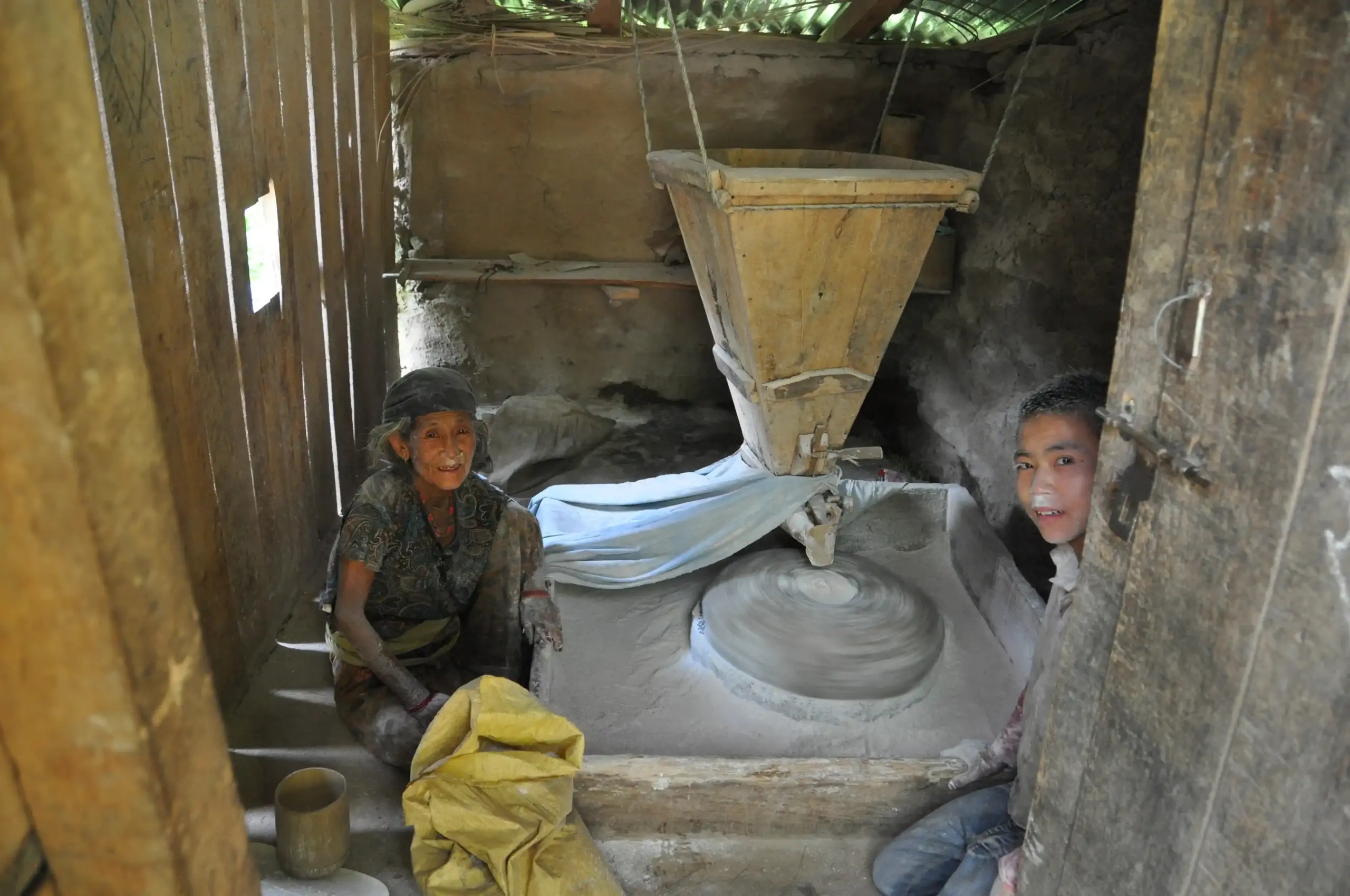
After breakfast in Paiya, you begin your trek towards Panggom. The trail today takes you through beautiful forests. In spring, the rhododendron trees are in full bloom and the hillsides are covered in red, pink and white flowers. The forest is home to many birds, so keep your eyes open for colorful species.
The trail undulates today. You will go up and down through the forest, crossing several small streams along the way. The path is well defined and easy to follow. As you gain elevation, you will start to see views of Mera Peak in the distance. This is a good reminder of where you are heading.
After about five to six hours of walking, you arrive at Panggom. This is a small settlement with just a few teahouses. The village is surrounded by forested hills and offers a quiet atmosphere. It is a good place to rest and let your body adjust to the increasing altitude.
Tonight, you will sleep at 2,850 meters. The air is noticeably thinner than in Kathmandu, so take it easy in the evening.
- Activity: Trekking
- Trip Duration: 5 to 6 hours
- Max Altitude: 2,850 meters or 9,350 feet
- Meals: Breakfast, lunch and dinner
- Accommodation: Teahouse in Panggom
Practical Tips
- Walk at your own steady pace and do not rush
- Use trekking poles to protect your knees on the downhill sections
- Apply sunscreen even in the forest because the sun is strong at this altitude
- Listen to your body and tell your guide if you feel any unusual symptoms
Day 5: Panggom to Ningsow
Today’s Highlights
- Continue trekking through the remote Hinku Valley
- Pass through small Rai and Sherpa villages
- Gradual ascent through forests and pastures
- Arrive at the village of Ningsow
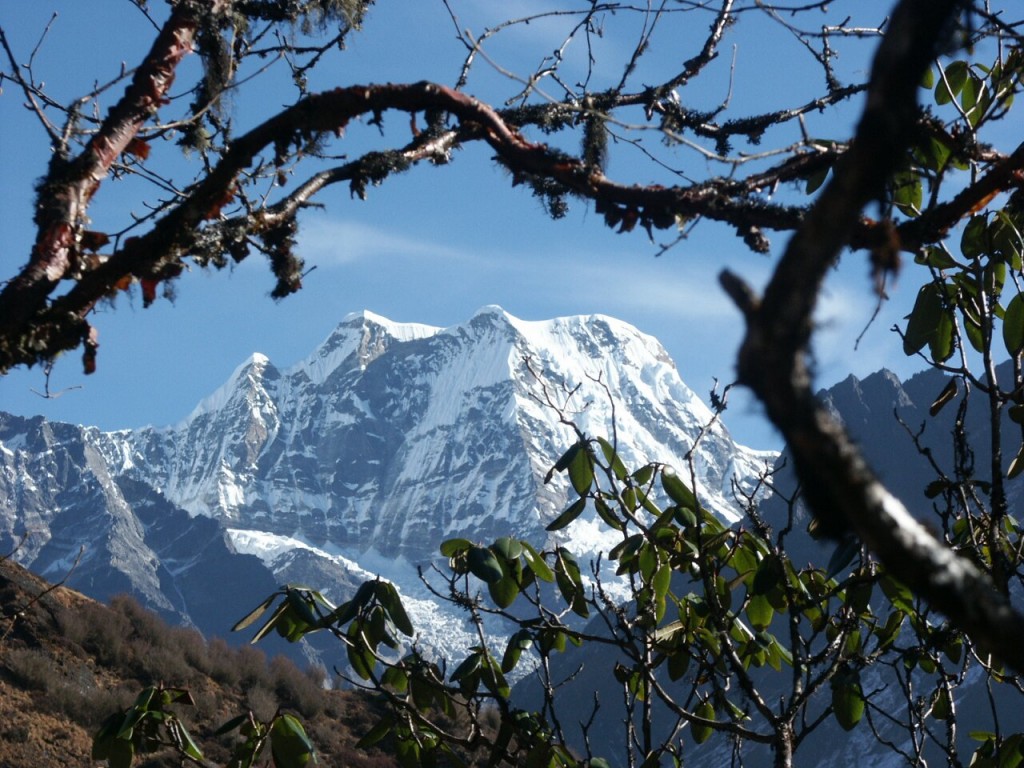
You leave Panggom after breakfast and continue your journey deeper into the Hinku Valley. The trail today is mostly gradual with some short steep sections. You will pass through a few small villages where local Rai and Sherpa families live. These villages are far from the main roads and the people here rely on farming and livestock for their livelihood.
The landscape begins to open up as you walk. The forests become thinner and you start to see more open pastures. You may see yaks grazing on the hillsides. These animals are essential to the local economy and you will see them throughout the trek.
After about four to five hours of walking, you reach Ningsow. This village sits on a hillside with good views of the surrounding peaks. The teahouses here are basic but comfortable. This is a good place to rest and hydrate.
Tonight you sleep at 2,863 meters. Your body is still adjusting, so continue to drink water and eat well even if you do not feel hungry.
- Activity: Trekking
- Trip Duration: 4 to 5 hours
- Max Altitude: 2,863 meters or 9,394 feet
- Meals: Breakfast, lunch and dinner
- Accommodation: Teahouse in Ningsow
Practical Tips
- Eat a good breakfast even if you feel tired in the morning
- Carry snacks in your daypack to eat between meals
- Keep your water bottle filled and drink small sips regularly
- Take photos of the villages because you will not see many settlements like these after you climb higher
Day 6: Ningsow to Chhetra Khola
Today’s Highlights
- Longer trekking day through the Hinku Valley
- Walk along the Hinku River with views of waterfalls
- Pass through remote forests and pastureland
- Arrive at the camping site near Chhetra Khola stream
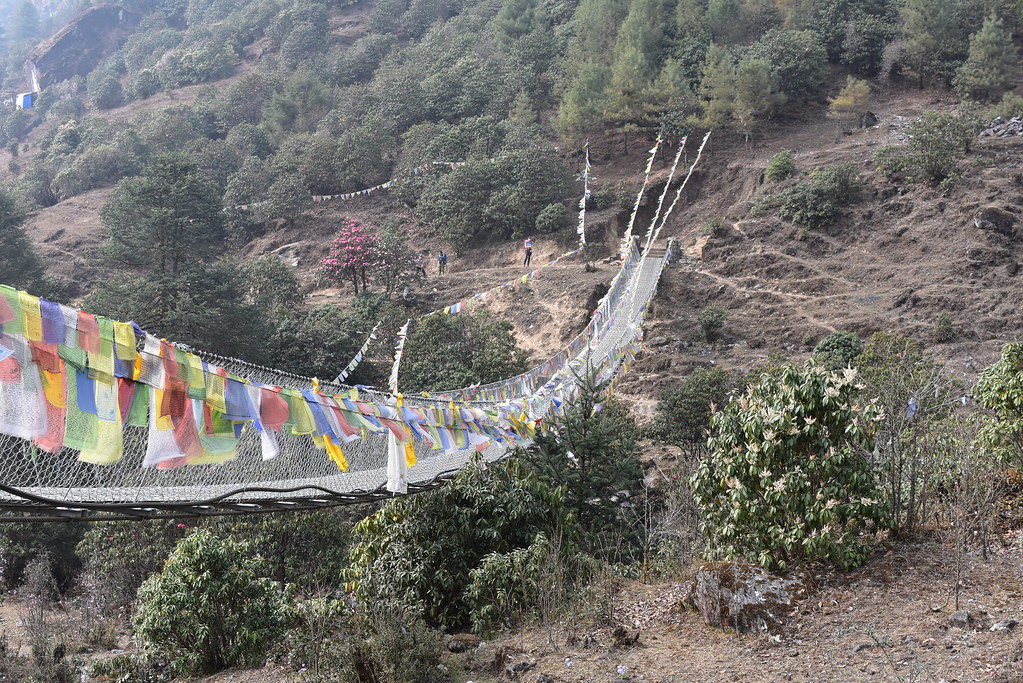
Today is one of the longer trekking days of the entire journey. You leave Ningsow after an early breakfast. The trail follows the Hinku River upstream. You will walk alongside the river for most of the day, crossing several small tributary streams. The sound of running water keeps you company throughout the morning.
The trail passes through dense forests of pine and rhododendron. In the afternoon, the forest opens up into wide pastures where local herders bring their yaks during the summer months. You may see stone shelters that the herders use when they stay here with their animals.
After about seven to eight hours of walking, you reach Chhetra Khola. This is not a village but a camping site next to a stream. You stay in tents here. The campsite is surrounded by forested hills and the sound of the stream is calming after a long day.
As you sleep at 3,122 meters, your body is adjusting well to the altitude by now, but the longer walking day may leave you tired. Rest well.
- Activity: Trekking
- Trip Duration: 7 to 8 hours
- Max Altitude: 3,122 meters or 10,242 feet
- Meals: Breakfast, lunch and dinner
- Accommodation: Tented camp at Chhetra Khola
Practical Tips
- Start walking early to avoid trekking in the dark
- Wear comfortable well broken in boots because today is a long day
- Keep snacks in your pocket for quick energy during the hike
- Rest your legs in the evening by elevating them slightly on your backpack
Day 7: Chhetra Khola to Kothe
Today’s Highlights
- Trek through the narrowing Hinku Valley
- Views of Mera Peak becoming closer and clearer
- Pass through the village of Tashinga
- Arrive at Kothe, the largest village in the upper Hinku Valley
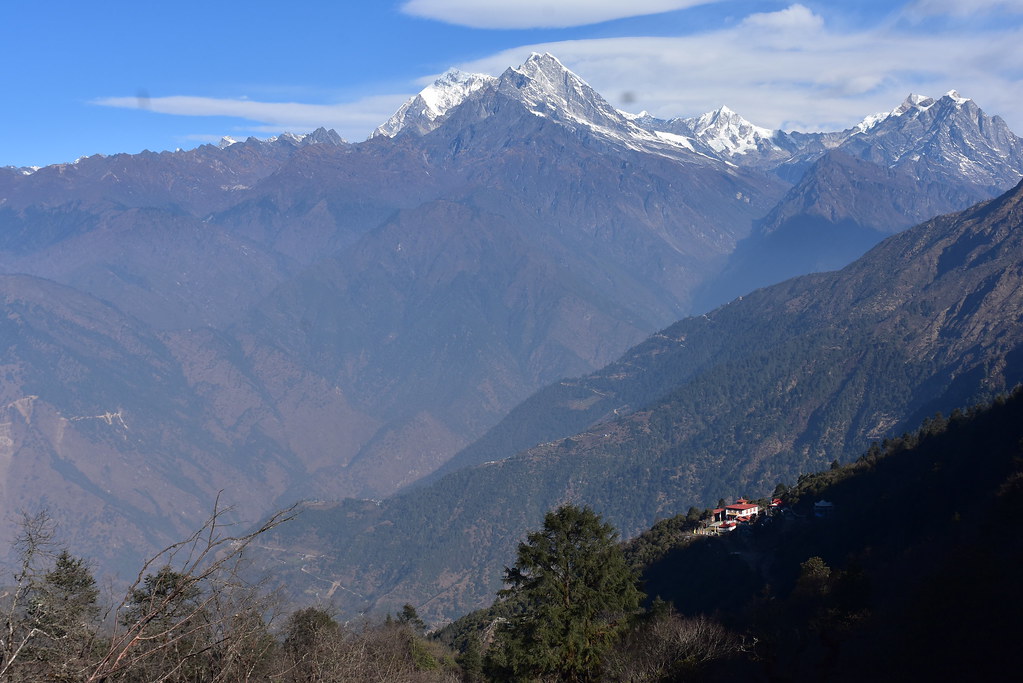
You wake up to the sound of the stream at Chhetra Khola. After breakfast, you continue trekking up the Hinku Valley. The valley narrows today and the walls on either side become steeper. The trail continues to follow the river closely.
As you walk, Mera Peak becomes more visible in front of you. This is encouraging because you can see your destination getting closer with each step. The peak stands above the valley and its snow covered slopes shine in the sunlight.
You pass through the small village of Tashinga. There are a few teahouses here. This is a good spot for a short tea break. After Tashinga, the trail continues through the forest until you reach Kothe.
Kothe is the largest village in the upper Hinku Valley. There are several teahouses here. The village sits on a flat area next to the river. From Kothe, you have excellent views of Mera Peak and the surrounding mountains.
After six to seven hours of trekking, you arrive at Kothe. You stay in a teahouse. Tomorrow is a shorter day to Thaknak.
- Activity: Trekking
- Trip Duration: 6 to 7 hours
- Max Altitude: 3,580 meters or 11,745 feet
- Meals: Breakfast, lunch and dinner
- Accommodation: Teahouse in Kothe
Practical Tips
- Charge your camera batteries tonight because the scenery becomes more beautiful and drastic from here
- Wear sunscreen and sunglasses even on cloudy days
- Drink plenty of water to help your body adjust to the increasing altitude
- Take a short walk around Kothe village in the evening to stretch your legs
Day 8: Kothe to Thaknak
Today’s Highlights
- Shorter trekking day to help with acclimatization
- Walk through the upper Hinku Valley with open views
- Cross the Hinku River several times
- Arrive at the small settlement of Thaknak
Today is a shorter day. This is intentional. Your body needs time to adjust to the altitude before you go higher. You leave Kothe after a relaxed breakfast.
The trail continues up the Hinku Valley. The forest becomes thinner and the landscape opens up. You can see Mera Peak clearly now, as well as other peaks like Kusum Kanguru and Kyashar. The valley floor is wide and flat in some sections.
You cross the Hinku River several times today on wooden bridges. The water is glacial melt and it is very cold. Do not try to wade across. The bridges are safe and sturdy.
After about three to four hours of walking, you reach Thaknak. This is a small settlement with a few teahouses. Thaknak sits at the base of a moraine. Behind the village, the Dig Glacier flows down from the mountains.
Tonight you sleep at 4,358 meters. This is the highest elevation you have reached so far. Pay attention to how your body feels. Mild headache or slight breathlessness is normal. Severe symptoms are not.
- Activity: Trekking
- Trip Duration: 3 to 4 hours
- Max Altitude: 4,358 meters or 14,299 feet
- Meals: Breakfast, lunch and dinner
- Accommodation: Teahouse in Thaknak
Practical Tips
- Walk slowly even though today is a short day
- Drink at least three to four liters of water today
- Avoid alcohol and cigarettes at this altitude
- Sleep with your head slightly elevated using an extra pillow or jacket
Day 9: Thaknak to Khare
Today’s Highlights
- Short trek to Khare, the base camp for Mera Peak
- Walk along the Dig Glacier moraine
- Final views of the valley before entering the higher zone
- Arrive at Khare and prepare for training day
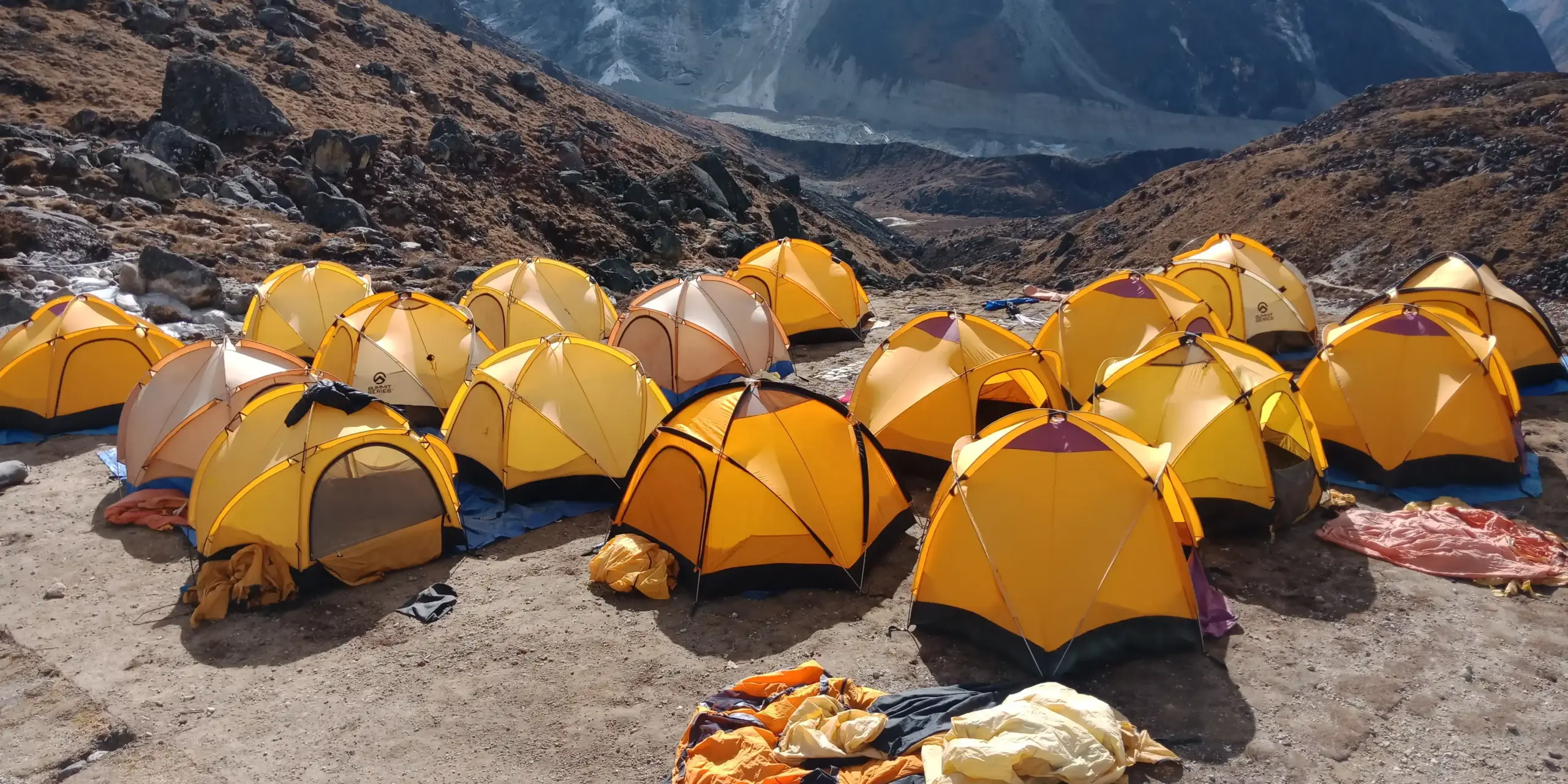
After breakfast in Thaknak, you begin the short trek to Khare. The trail follows the moraine of the Dig Glacier. The path is rocky and you need to watch your footing. The vegetation is sparse here. You are above the treeline now.
As you walk, you can see the glacier below you to your left. The ice is covered with rocks and debris, but you can see the blue color where the ice is exposed. The sound of creaking ice is something you will remember.
After about three to four hours of walking, you arrive at Khare. Khare is the last settlement before the climb. It sits at 5,000 meters. From here, you can see the south face of Mera Peak rising above you. The peak looks steep and challenging, but your training tomorrow will prepare you.
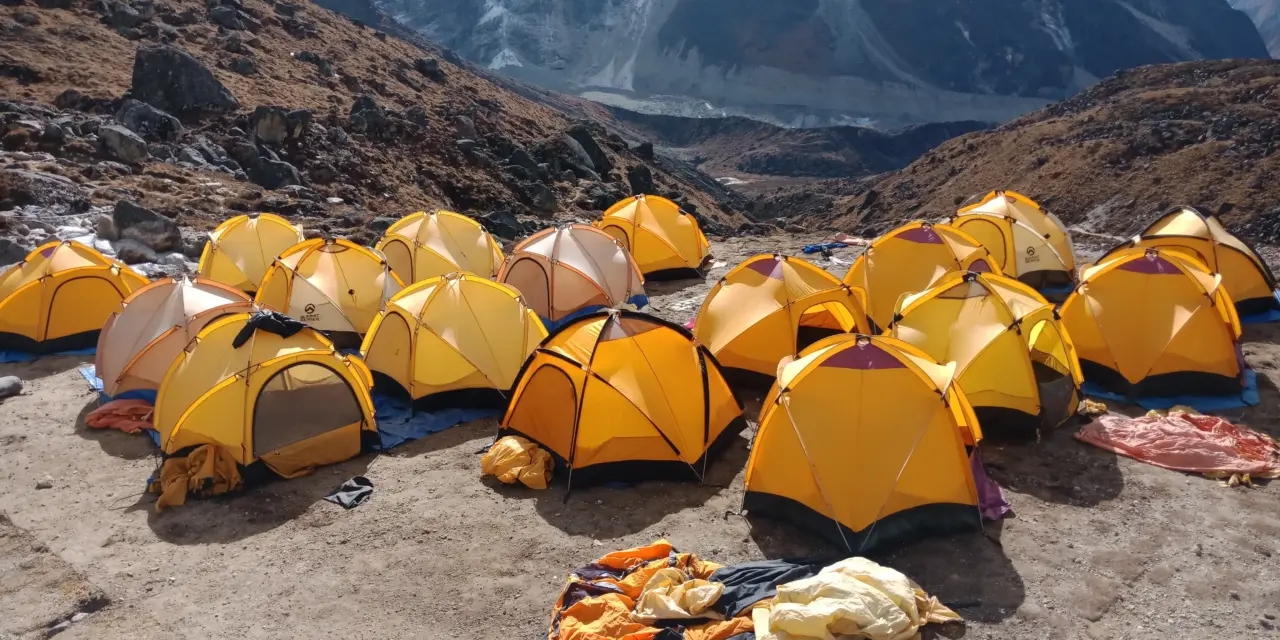
You stay in a teahouse or a tented camp at Khare depending on availability. The accommodation is basic but comfortable. The main thing is to rest and let your body continue adjusting to the altitude.
- Activity: Trekking
- Trip Duration: 3 to 4 hours
- Max Altitude: 5,000 meters or 16,404 feet
- Meals: Breakfast, lunch and dinner
- Accommodation: Teahouse or tented camp at Khare
Practical Tips
- Walk very slowly today. There is no rush.
- Keep your head and neck covered because the sun is intense at this altitude
- Listen to your guide’s instructions about breathing and pacing
- Inform your guide immediately if you feel any symptoms of altitude sickness
Day 10: Khare Acclimatization and Pre Climb Training
Today’s Highlights
- Full rest day at 5,000 meters to let your body acclimatize
- Pre climb training with your climbing guide
- Practice using crampons on snow and ice
- Learn rope techniques including using a jumar and harness
- Equipment check for summit day
Today is a critical day for your success on Mera Peak. You do not trek anywhere. Instead, you stay at Khare to rest and train.
Your body needs time to adjust to 5,000 meters. The air here has only about half the oxygen available at sea level. By resting today, you give your red blood cells time to multiply and carry more oxygen. This is called acclimatization and it is the most important factor in high altitude climbing.
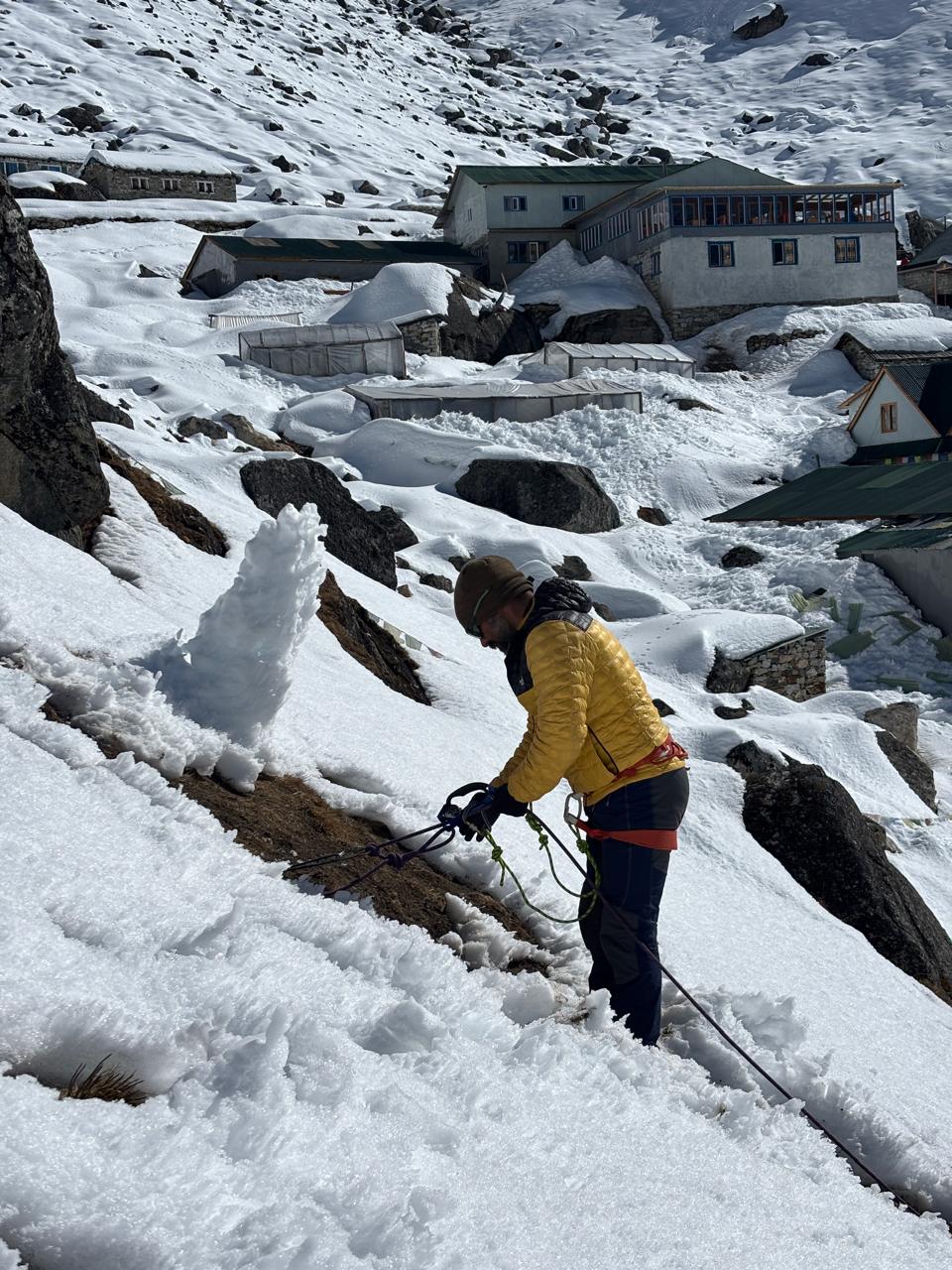
In the morning, your climbing guide will lead a training session. You will practice putting on your crampons correctly and walking in them on snow. Walking in crampons feels different from normal walking. You need to keep your feet flat and avoid crossing your ankles. Your guide will show you the technique.
You will also learn how to use a jumar on fixed ropes. A jumar is a device that slides up a rope but locks when you put weight on it. This allows you to pull yourself up steep sections safely. You will practice clipping into a rope, sliding the jumar up and moving your feet.
Your guide will also check your harness, carabiners and ice axe. Make sure all your gear fits properly. If anything needs adjustment, your guide will help you.
The rest of the day is for resting, hydrating and mentally preparing for the summit push.
- Activity: Acclimatization and training
- Trip Duration: 3 to 4 hours of training
- Max Altitude: 5,000 meters or 16,404 feet
- Meals: Breakfast, lunch and dinner
- Accommodation: Teahouse or tented camp at Khare
Practical Tips
- Drink water continuously throughout the day even if you are not thirsty
- Eat small meals frequently even if your appetite is low
- Practice deep breathing to increase your oxygen intake
- Organize your summit day gear tonight so you are ready for an early start on Day 11
- Trust your training. Your guide has done this many times before.
Day 11: Khare to Mera High Camp
Today’s Highlights
- Trek from Khare to Mera High Camp at 5,800 meters
- Walk on glacier moraine and snow
- Last views of the Hinku Valley behind you
- Prepare for the summit attempt tomorrow morning
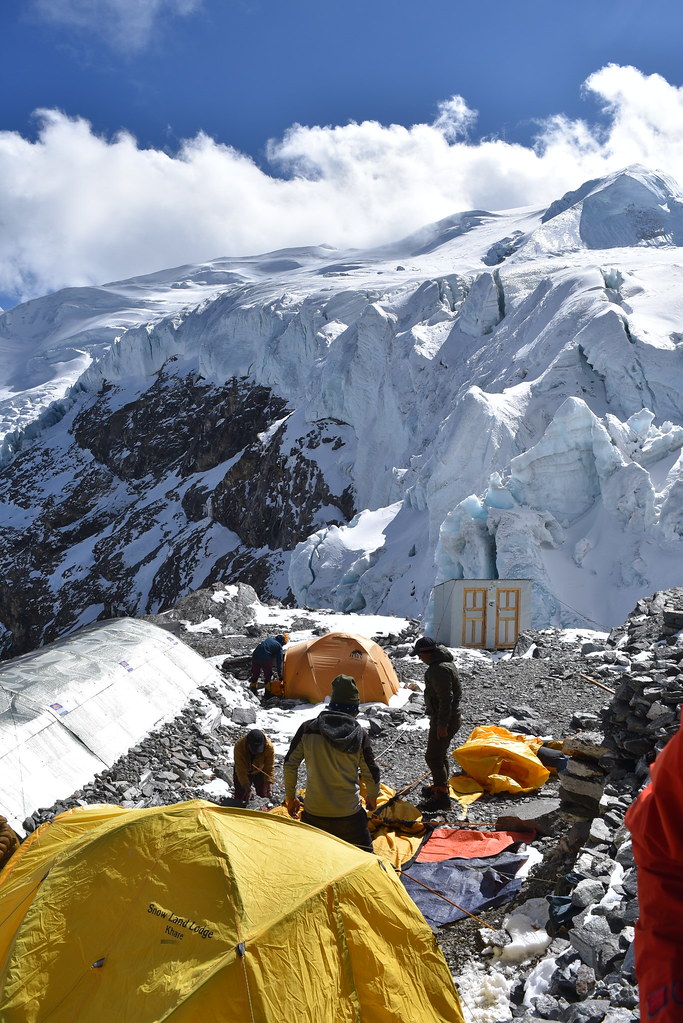
After breakfast at Khare, you begin the climb to Mera High Camp. This is a short but challenging day. The trail leaves Khare and immediately starts climbing steeply onto the glacier. You will put on your crampons here if the snow conditions require them.
The route follows the Mera Glacier. You walk on moraine and snow. The surface is uneven, so watch your footing carefully. Your guide will set the pace. Stay behind them and step exactly where they step.
As you climb, the view behind you opens up. You can see the entire Hinku Valley stretching below. The peaks of Kusum Kanguru and Kyashar rise on either side. Ahead of you, Mera Peak looks large and close.
After about four to five hours of climbing, you reach Mera High Camp at 5,800 meters. This is not a village. There are no teahouses here. You stay in tents. The camp is exposed, so expect wind and cold temperatures.
You will spend the afternoon resting, hydrating and preparing for the summit attempt. Your guide will check your gear one more time. You will eat an early dinner and go to sleep as soon as possible. Tomorrow you wake up before midnight.
- Activity: Trekking and climbing
- Trip Duration: 4 to 5 hours
- Max Altitude: 5,800 meters or 19,028 feet
- Meals: Breakfast, lunch and dinner
- Accommodation: Tented camp at Mera High Camp
Practical Tips
- Drink as much water as you can today. Hydration is critical for summit success.
- Pack your summit day bag before you go to sleep. Include extra batteries for your headlamp.
- Wear all your warm layers to bed. It gets very cold at high camp.
- Listen carefully to your guide’s instructions about the summit plan.
Day 12: Mera High Camp to Summit to Khare
Today’s Highlights
- Midnight wake-up for summit attempt
- Climb to the summit of Mera Peak at 6,461 meters
- Witness sunrise over Everest, Kanchenjunga, Lhotse, Makalu and Cho Oyu
- Descend back to Mera High Camp and continue down to Khare
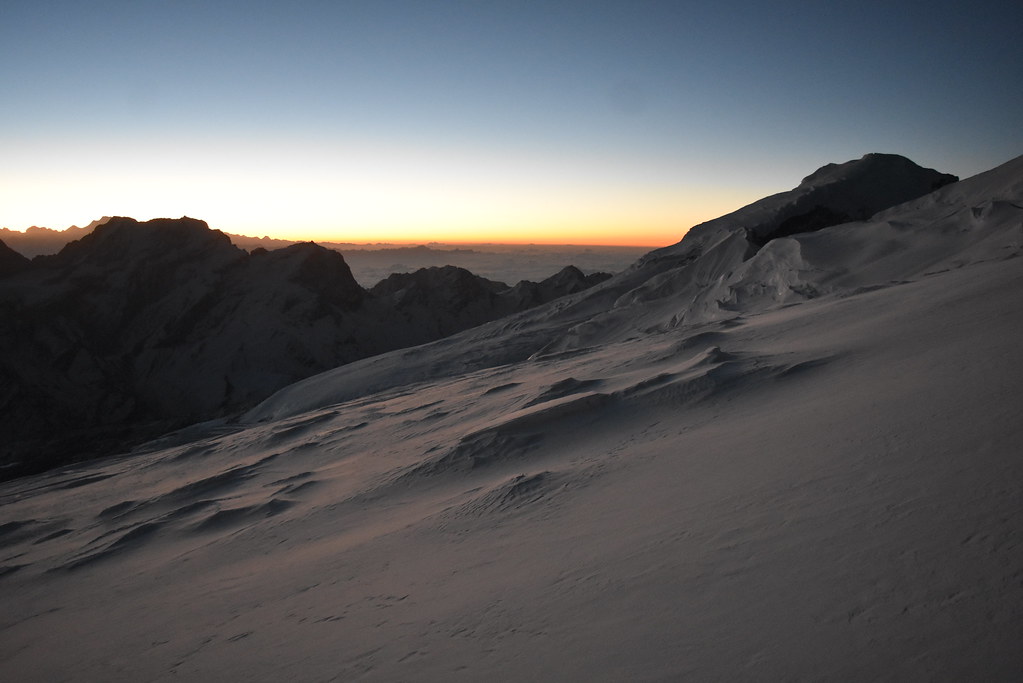
You wake up around midnight. Your guide will bring you hot drinks and a light snack. You put on all your layers, your boots, your crampons and your harness. Your headlamp is your only light source in the darkness.
You leave camp around 1 AM. The climb starts immediately. The first section is a steep snow slope. You use your ice axe and follow the fixed ropes. Your guide leads the way. You clip your jumar into the rope and climb one step at a time.
The climbing is physically demanding. The air is very thin. Every few steps you stop to breathe. This is normal. Do not rush. Your guide sets a slow and steady pace.
After several hours of climbing, the slope eases. You can see the summit ridge ahead. The sky begins to lighten in the east. The stars fade. You keep moving.
You reach the summit around sunrise. The view is unlike anything you have ever seen. Below you, stretching to the horizon, are five of the world’s highest peaks. Mount Everest at 8,848 meters. Kanchenjunga at 8,586 meters. Lhotse at 8,516 meters. Makalu at 8,485 meters. Cho Oyu at 8,188 meters. The peaks are lit by the rising sun. The sky is deep blue. There are no words for this moment.
You take photos. You celebrate with your team. But you cannot stay long. The descent is long and you need to save energy.
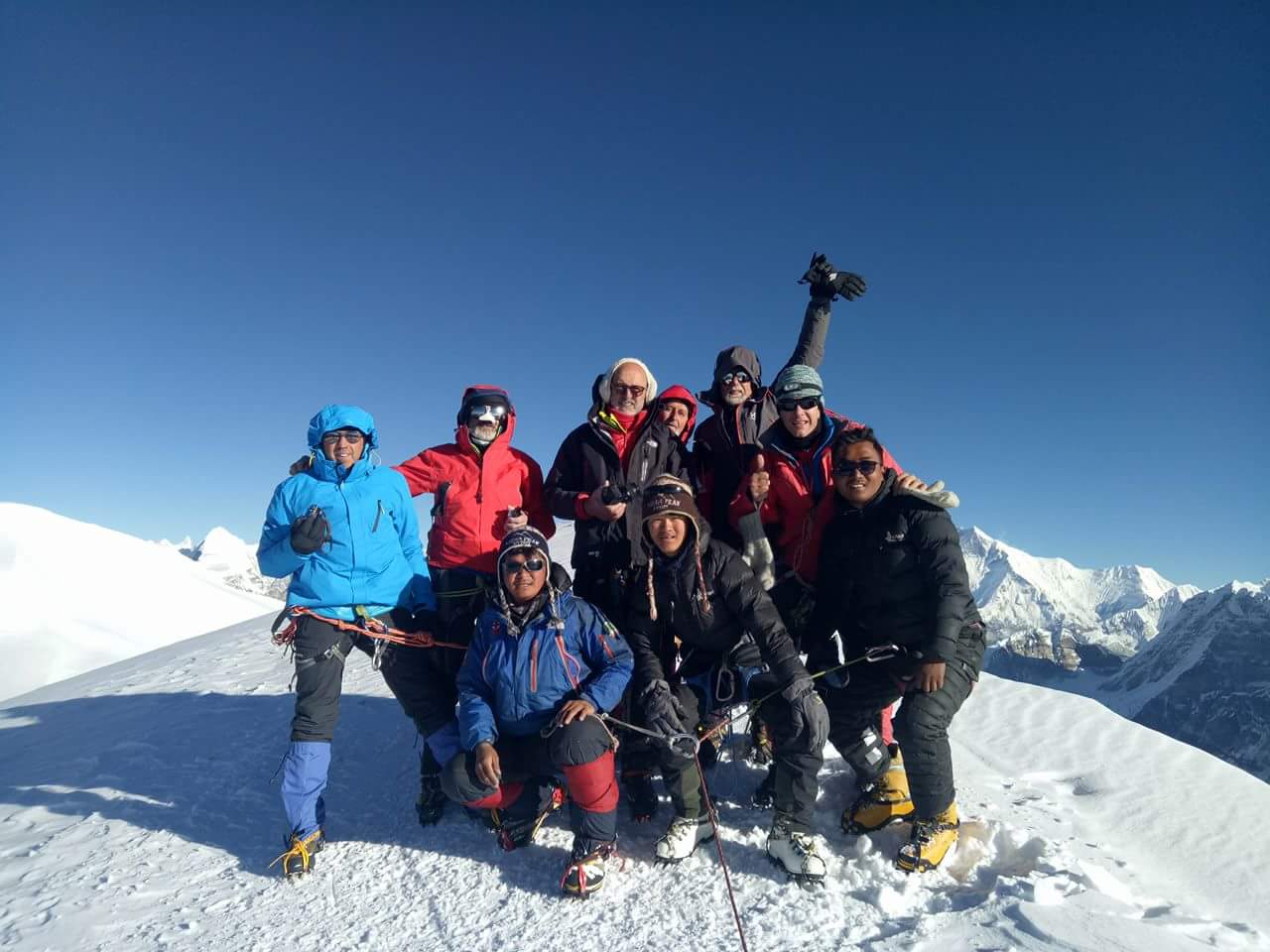
You climb back down to Mera High Camp. You rest briefly, pack your tent and continue descending to Khare. The descent is tiring on your legs. Use your trekking poles. By late afternoon, you reach Khare.
Tonight you sleep tired but you have done it. You have climbed Mera Peak.
- Activity: High altitude climbing and descent
- Trip Duration: 10 to 12 hours total
- Max Altitude: 6,461 meters or 21,199 feet
- Meals: Breakfast, lunch and dinner
- Accommodation: Teahouse or tented camp at Khare
Practical Tips
- Drink water during the climb even though you do not feel thirsty
- Keep moving on the descent. Stopping for too long makes your legs stiff.
- Celebrate at Khare but go to bed early. You need rest.
- Check your feet for blisters when you arrive at Khare.
Day 13: Reserve Day for Contingency
Today’s Highlights
- Buffer day built into the itinerary for safety
- Available for weather delays or additional acclimatization
- Extra rest day if summit was successful on Day 12
- Alternative summit attempt if weather was bad on Day 12
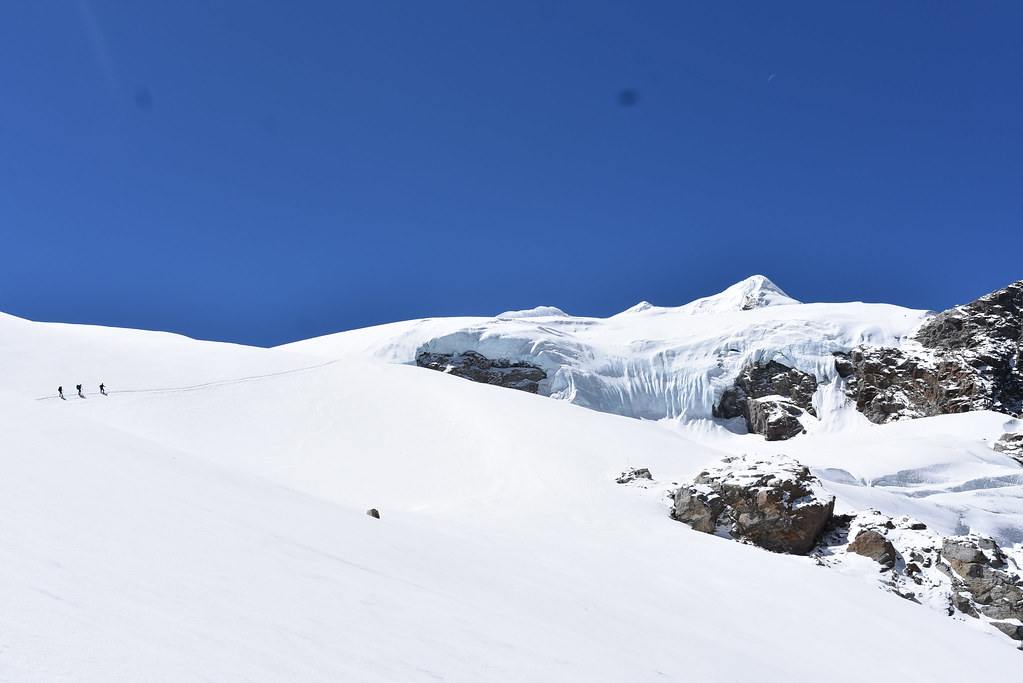
Day 13 is a reserve day. You can relax, wash your face, change your clothes and let your body recover from the summit push. Your guide will monitor everyone’s condition.
If the weather was bad on Day 12 and you could not summit, you use this day to attempt the summit again. Your guide will assess the weather forecast and make a decision. If conditions are favorable, you will repeat the schedule from Day 11 and Day 12.
If the weather remains bad, you stay at Khare and rest. Your safety is our first priority. The mountain will always be here.
Note
Day 13 is a day built into the itinerary for contingency. This day exists for two reasons. First, if the weather on Day 12 is bad with high winds, heavy snow or poor visibility, you can use Day 13 to attempt the summit again. Second, if any climber needs an extra day to acclimatize before the summit push, you can use Day 13 for that purpose.
If you successfully summit on Day 12 and the weather is good, Day 13 becomes an extra rest day at Khare. You can relax, recover and prepare for the descent.
Do not worry if the reserve day is not used for climbing. It is better to have it and not need it than to need it and not have it.
- Activity: Rest or contingency summit attempt
- Trip Duration: Full day
- Max Altitude 5,000 meters or 16,404 feet
- Meals: Breakfast, lunch and dinner
- Accommodation: Teahouse or tented camp at Khare
Practical Tips
- Stay hydrated even on a rest day
- Eat well to replenish energy used during the summit climb
- Pack your bags for the descent if you have already summited
- Listen to your guide’s decision about the weather. Do not push if conditions are unsafe.
Day 14: Khare to Kothe
Today’s Highlights
- Begin the descent back down the Hinku Valley
- Walk through familiar landscapes from a different perspective
- Gradual downhill through Thaknak and on to Kothe
- Celebrate your successful climb with the team
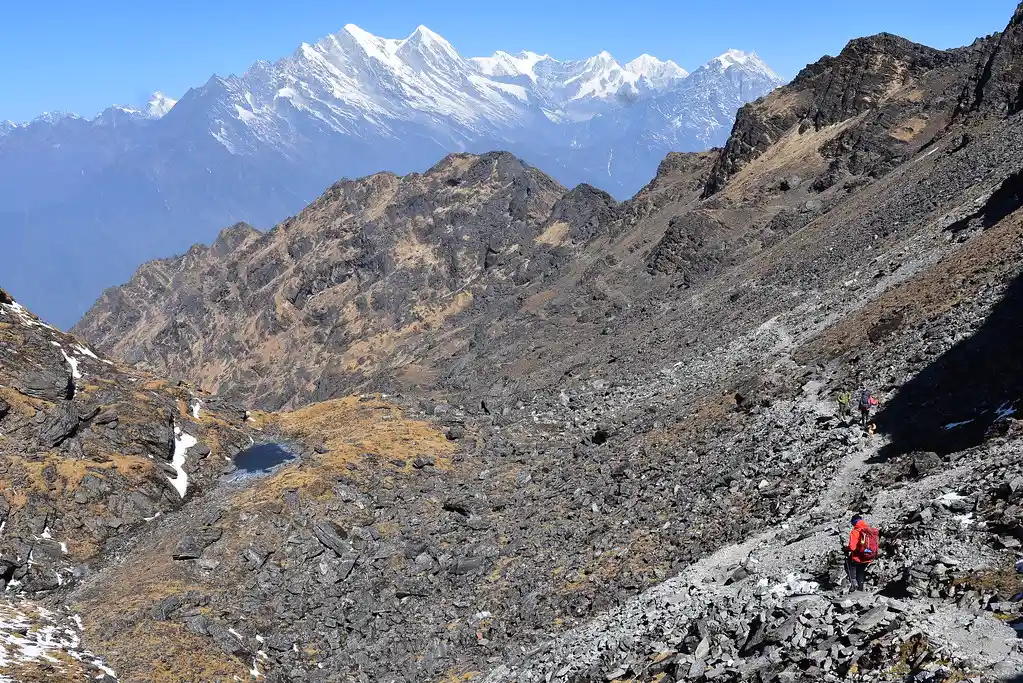
After breakfast at Khare, you begin your descent. The walk down is much easier than the walk up. Your body is grateful for the downhill. The air feels thicker with every step you take.
You pass through Thaknak where you stayed on Day 8. You stop for a tea break and look back at Mera Peak. It looks different from down here. You can see the route you climbed. It feels good to know you stood up there.
You continue down to Kothe. The trail follows the same route you took on the way up. The forest looks greener now. The river sounds the same. The village of Kothe welcomes you back.
After about four to five hours of walking, you arrive at Kothe. You stay in a teahouse tonight. The beds feel softer than you remember. The air is easier to breathe.
Tonight you celebrate with your team. You have climbed Mera Peak together. That is something to be proud of.
- Activity: Trekking
- Trip Duration: 4 to 5 hours
- Max Altitude: 3,580 meters or 11,745 feet
- Meals: Breakfast, lunch and dinner
- Accommodation: Teahouse in Kothe
Practical Tips
- Take photos of Mera Peak from the valley for a different perspective
- Wear comfortable shoes for the descent. Your feet may be sore.
- Celebrate with your team but save energy for the remaining days.
- Charge your devices tonight. Electricity may not be available at higher camps tomorrow.
Day 15: Kothe to Thuli Kharka
Today’s Highlights
- Trek from Kothe to Thuli Kharka
- Gradual ascent towards Zatrwa La pass
- Walk through forests and open pastureland
- Arrive at the campsite near Thuli Kharka
After breakfast in Kothe, you begin the trek to Thuli Kharka. The trail leaves the river and starts climbing gradually towards the Zatrwa La pass. You will cross this pass tomorrow.
The landscape changes today. The forest becomes thinner and you walk through open pastureland. Local herders use this area during the summer. You may see their stone shelters and corrals.
The trail ascends steadily but not steeply. You have plenty of time today. The walking is pleasant and the views are good. You can see back down the Hinku Valley and ahead to the ridge you will cross tomorrow.
After about five to six hours of walking, you reach Thuli Kharka. This is a camping site on a hillside. There are basic teahouses here or you stay in tents depending on the season. The site is exposed, so it may be windy.
You are descending overall but today you go up again towards the pass. Do not worry. This is normal.
- Activity: Trekking
- Trip Duration: 5 to 6 hours
- Max Altitude: 4,200 meters or 13,779 feet
- Meals: Breakfast, lunch and dinner
- Accommodation: Teahouse or tented camp at Thuli Kharka
Practical Tips
- Wear layers that you can remove easily as you warm up while climbing
- Carry water and snacks for the trail
- Check your trekking poles for tomorrow. You will need them for the pass.
- Sleep well tonight. Tomorrow you cross Zatrwa La at 4,610 meters.
Day 16: Thuli Kharka to Lukla via Zatrwa La Pass
Today’s Highlights
- Cross Zatrwa La pass at 4,610 meters
- Spectacular views of the Everest and Makalu regions
- Final day of trekking before returning to Lukla
- Celebrate the completion of your Mera Peak climb
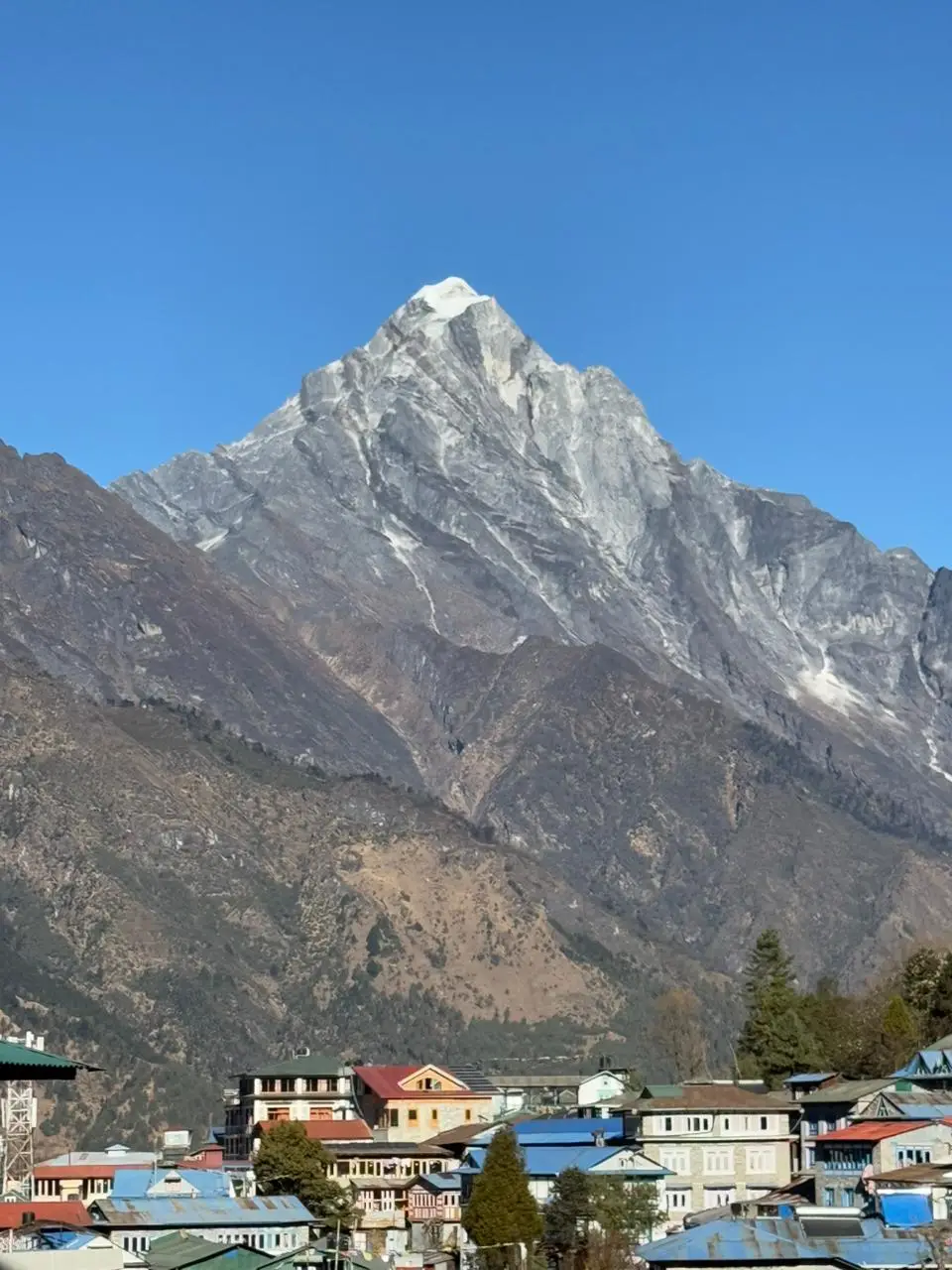
You wake up early at Thuli Kharka. Today you cross Zatrwa La pass, the highest point of your trek back to Lukla. After breakfast, you begin the climb to the pass.
The trail ascends steadily for about two to three hours. The slope is not technical but it is a steady uphill grind. Take your time. Your guide sets a comfortable pace. As you climb, the views open up behind you. You can see Mera Peak in the distance. Ahead of you, the Everest region reveals itself.
At the top of Zatrwa La pass at 4,610 meters, you are rewarded with stunning panoramic views. To the north, you can see Mount Everest, Lhotse and Nuptse. To the east, Makalu rises above the clouds. Prayer flags flutter in the wind. This is a beautiful place to pause and reflect on your journey.
The descent from the pass is steep. You walk down through rocky terrain for about two hours. Use your trekking poles. They protect your knees on the way down. The trail eventually reaches the forest and becomes gentler.
After about six to seven hours of walking, you arrive in Lukla. You have completed the trek. You check into your teahouse, take a hot shower if available and rest. In the evening, you celebrate with your crew. This is your last night in the mountains.
- Activity: Trekking and crossing Zatrwa La pass
- Trip Duration: 6 to 7 hours
- Max Altitude: 4,610 meters or 15,124 feet
- Meals: Breakfast, lunch and dinner
- Accommodation: Teahouse in Lukla
Practical Tips
- Start walking early to give yourself plenty of time for the pass
- Use trekking poles on the steep descent to save your knees
- Drink water throughout the day even though the walking is easier
- Celebrate with your crew tonight. They worked hard for you.
Day 17: Fly to Kathmandu
Today’s Highlights
- Morning flight from Lukla back to Kathmandu or Manthali
- Transfer to your hotel in Kathmandu
- Free afternoon for rest or shopping
- Farewell dinner with cultural performance in the evening
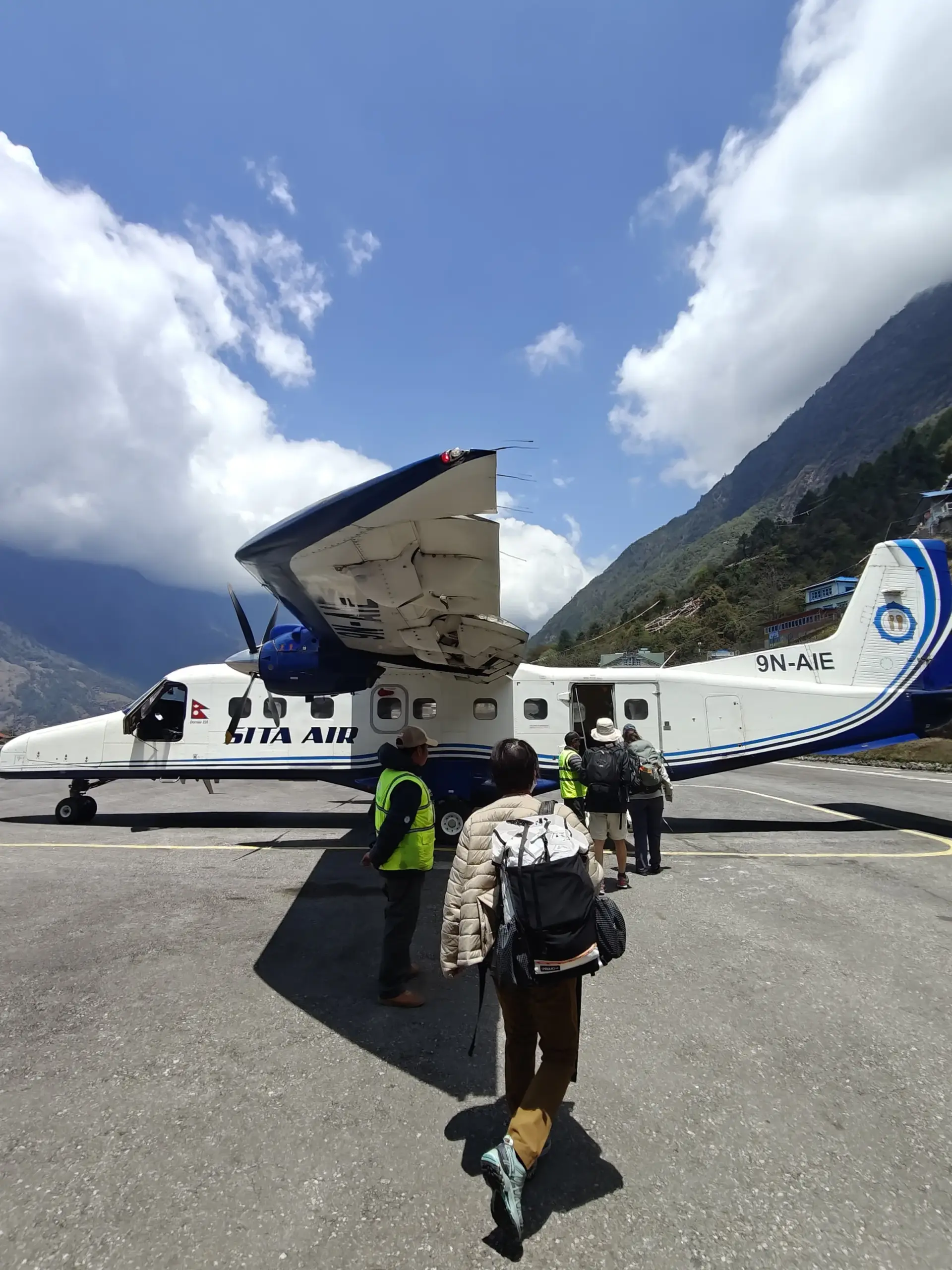
You wake up in Lukla and prepare for your flight back to Kathmandu. Depending on the season, your flight may land at Kathmandu airport or at Manthali airport in Ramechhap. During peak seasons, flights from Lukla often go to Manthali. If this is the case, you will fly to Manthali and then drive four to five hours back to Kathmandu.
The flight from Lukla is scenic. You see the mountains one last time from the air. The hills and valleys pass beneath you. If you are flying to Manthali, the drive back to Kathmandu takes you through the Nepali countryside with views of hills, rivers and villages.
Once you arrive in Kathmandu, you transfer to your hotel. The rest of the afternoon is free. You can rest at the hotel, go for a massage in Thamel to soothe your tired muscles or do some souvenir shopping.
You can explore this beautiful ancient city if you didn’t get the chance to. Maybe head to a spa in Thamel or the Thamel bazaar to take some souvenirs back home.
- Activity: Flight and drive
- Trip Duration: 30 minute flight, plus 4 to 5 hour drive if flying to Manthali
- Max Altitude: 1,400 meters or 4,593 feet
- Meals: Breakfast and dinner
- Accommodation: Three star hotel in Kathmandu
Practical Tips
- Keep your passport and valuables in your carry on bag for the flight
- Pack your trekking clothes separately from your souvenirs
- Enjoy the farewell dinner. It is a celebration of your achievement.
- Confirm your international flight departure time with our representative
Day 18: Final Departure
Today’s Highlights
- Transfer to Tribhuvan International Airport
- Final farewell to Nepal
- Flight home with unforgettable memories
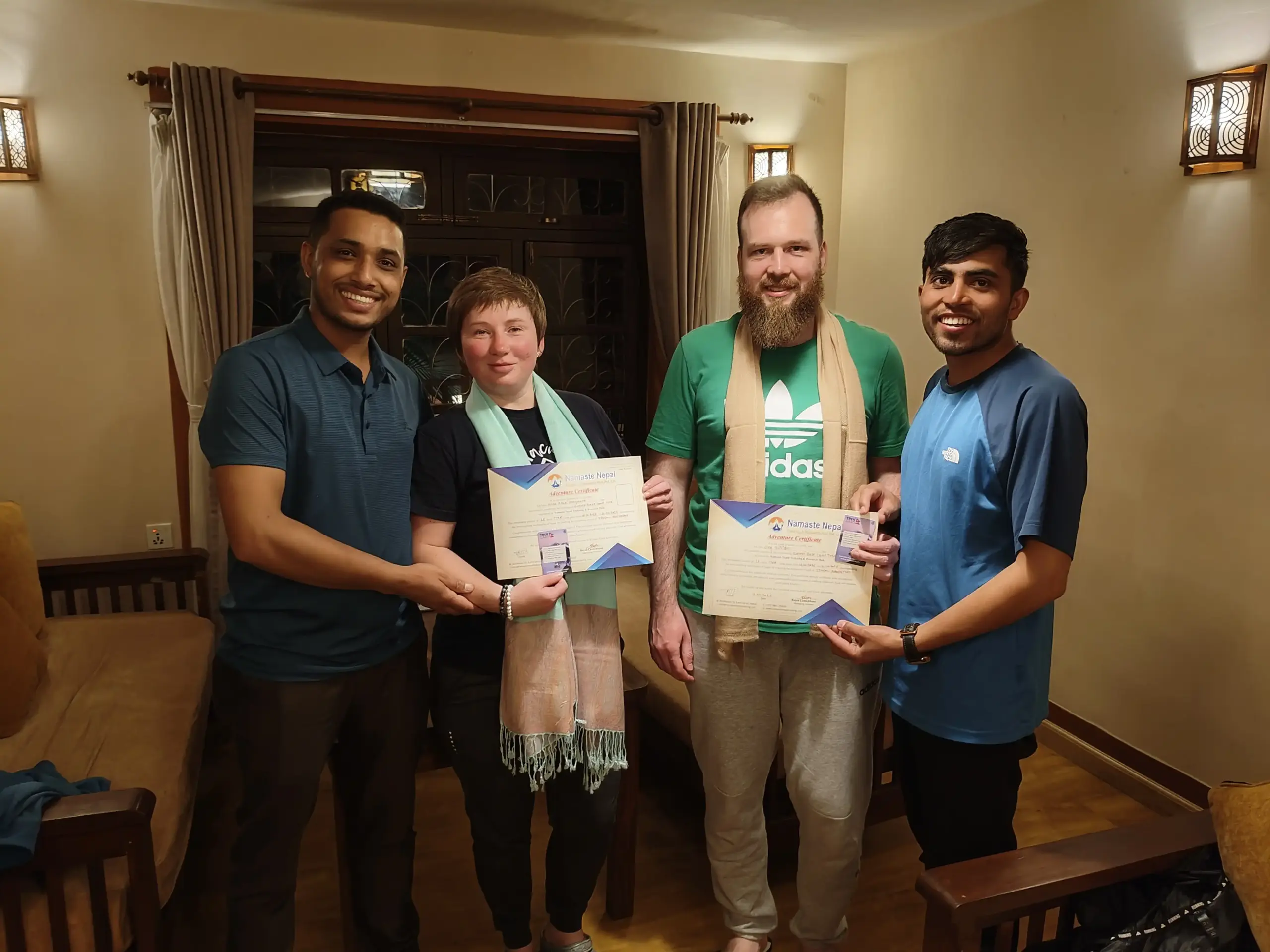
Your adventure in Nepal comes to an end today. After breakfast at the hotel, our representative will meet you in the lobby. They will drive you to Tribhuvan International Airport for your flight home.
Please arrive at the airport at least three hours before your international flight departure time. Our representative will help you with your bags and see you off at the departure gate.
As you fly home, you have time to look through your photos and remember the moments on Mera Peak. The sunrise from the summit. The views of Everest. The feeling of standing at 6,461 meters.
If you ever want to return to Nepal for another adventure, we are here to welcome you back.
- Activity: Airport transfer and departure
- Trip Duration: 30 minute drive to airport
- Max Altitude: 1,400 meters or 4,593 feet
- Meals: Breakfast only
Practical Tips
- Check your flight time the night before and confirm the pickup time with our representative
- Keep your passport and flight tickets easily accessible
- Leave extra time for traffic. Kathmandu traffic can be unpredictable.
- Take one last look at the Himalayas from the airport if the sky is clear
Expertly Crafted for Success on Mera Peak
At Namaste Nepal Trekking and Research Hub, we believe that a well designed itinerary is the most important factor in a successful climb. This Mera Peak itinerary is the result of years of experience guiding climbers on this mountain.
Notice that the trek to Khare takes 9 days from Lukla. This is not because the distance is long. It is because your body needs time to adjust to the altitude. Climbing too quickly is the main cause of altitude sickness. By walking slowly and gaining elevation gradually, you give your body the best chance to acclimatize properly.
The pre-climb training day at Khare on Day 10 is another critical part of this itinerary. Even if you have used crampons and ropes before, practicing at 5,000 meters helps you remember the techniques while your body is adjusting to the altitude. Your guide will make sure you are comfortable with all the equipment before summit day.
The reserve day on Day 13 is not a wasted day. It is a safety buffer. High altitude weather is unpredictable. The reserve day gives you a second chance if the weather on your scheduled summit day is bad. Many climbers have successfully summited on the reserve day after being turned back by wind or snow on the first attempt.
The descent is built into the itinerary with enough time. Descending too quickly can be dangerous because you may still be affected by altitude. We walk down over four days to let your body recover gradually.
If you have any concerns about the itinerary or want to customize it for your schedule, please contact us. We can adjust the itinerary for private groups or for climbers who need extra rest days.
Build Your Own Adventure!
Collaborate with our specialists to create a unique itinerary.
Expedition Inclusions: Mera Peak Climbing 2026
- International and Domestic airport transfers by private vehicle.
- 4-star hotel with Breakfast in Kathmandu for 2 nights (twin sharing).
- Round-trip domestic flights between Kathmandu/Ramechhap and Lukla.
- Best available accommodation during the trek to Khare
- All your food (Breakfast, Lunch and Dinner, Unlimited Hot Water and Tea) during the Expedition
- Fresh seasonal fruits during the trek
- All Climbing and trekking Permits
- Mera Peak Climbing Permit
- Garbage Deposit for Mera Peak climbing
- TIMS Permit
- 1 English-speaking Trekking Guide During the trek
- 1 veteran and government-licensed High Altitude climbing Sherpa Guide (We provide 1:1 Climbing Guides for this expedition)
- All Necessary Sherpa staff (guide, cook) during the expedition
- Pre-climbing training and safety briefing by your climbing guide
- Medical & Emergency rescue Insurance for all Guides, Sherpa Climbers, and involved Nepalese staff during the trek and expedition.
- All Staff Salary, travelling expenses, food, and accommodations
- Expedition-grade tented camps at Mera Peak Base Camp/High Camp
- All necessary expedition equipment for Mera Peak, including:
- Climbing Boots
- Crampons
- Harness Set
- Safety Helmet
- Ice Axe
- Climbing Rope
- Satellite Phone Climb the climb and Pass
- Best Quality Sleeping Bags
- Best Quality Down Jackets
- Trekking Pools
- Well-managed Base/High camp set up for members & Staff
- 1 Solar panel and Generator for lights at base camp, battery charge for the camera and other electronic devices.
- Clean, nutritious, and fresh food at the Base Camp/High Camp (We provide you with nutrition, high altitude package Lunch, essential EPI cooking gas and stoves during the Mera Peak Climbing.
- Comprehensive Medical kit for the team
- Climbing certificate
- International flights to and from Nepal
- Nepalese visa fee
- Travel Insurance: Mandatory coverage for high-altitude rescue, medical, and emergency evacuation.
- Summit bonus of for each climbing guide, plus tips for kitchen and porter crews.
- Personal climbing Gear and personal trekking equipment.
- Extra night accommodation in Kathmandu because of early arrival, late departure, early return from the mountain (due to any reason) than the scheduled itinerary
- Lunch and Dinners in Kathmandu
- Personal expenses (phone calls, laundry, bar bills, battery recharge, extra porters, bottle or boiled water, shower, etc.)
- Costs arising from unforeseen events (weather delays, flight cancellations, or political disturbances).
Book Your Mera Peak Climbing Adventure Today and Enjoy These Complimentary Services
- Personalised virtual consultation before confirming your Mera Peak Climbing booking
- Online pre-trip briefing after booking confirmation
- Welcome and farewell dinner in Kathmandu
- Free excess luggage storage at our Kathmandu office
- Namaste Nepal Trekking & Research Hub expedition duffle bag
- Namaste Nepal Trekking & Research Hub T-shirt or baseball cap
- Detailed Mera Peak climbing route map
- Trekking poles (to be returned after the trip)
- High-quality down jacket (to be returned after the trip)
- Four-season sleeping bag suitable for high-altitude conditions (to be returned after the trip)
- Comprehensive group first aid kit with essential medications and emergency supplies
- Pulse oximeter monitoring throughout the trek for altitude acclimatization checks
- Summit achievement certificate and group photographs
- 24/7 emergency support during the expedition
Important Information for Mera Peak Climbing
All foreign travelers except Indian nationals require a visa to enter Nepal. You can obtain a visa on arrival at Tribhuvan International Airport in Kathmandu. The process is straightforward. You fill out a form, provide a passport size photo and pay the visa fee in cash.
For the Mera Peak Climbing itinerary of 18 days, we recommend a 30 day visa. Your passport must be valid for at least six months from your date of arrival.
In Kathmandu, you stay in a three star hotel with breakfast included. During the trek to Khare, you stay in basic teahouses. These teahouses offer twin sharing rooms with shared toilets. The rooms have beds with mattresses, pillows and blankets.
At Khare and Mera High Camp, you stay in tents. Your climbing team sets up the camp. You need a sleeping bag rated to minus 20 degrees Celsius. We provide a sleeping bag if you do not have one, but you must return it after the climb.
During the trek, teahouses serve a variety of meals. Dal bhat is the most common. It is rice served with lentil soup, vegetable curry and pickles. You also find noodles, pasta, fried rice, eggs, bread, soup and momos. Breakfast options include porridge, eggs, toast, pancakes and Tibetan bread.
From Khare onwards, your climbing team prepares hot meals at the camps. Bottled water and boiled water are available for purchase along the trail. We recommend using water purification tablets to reduce plastic waste.
You need three permits for this climb. The Sagarmatha National Park Permit costs 3,000 Nepali rupees per person. The Khumbu Pasang Lhamu Rural Municipality Entrance Permit costs 2,000 Nepali rupees per person.
The Mera Peak Climbing Permit costs 350 US dollars per person for the spring season and 175 US dollars for the autumn season. We arrange all permits for you. You only need to provide a copy of your passport and two passport size photos.
Mera Peak rises to 6,461 meters. At this altitude, altitude sickness is a real risk. The itinerary is designed to prevent it. You ascend slowly. You have rest days at Khare. You have a reserve day on Day 13. Here are some tips to help you acclimatize. Walk slowly. Do not rush. Drink three to four liters of water each day. Avoid alcohol and cigarettes. Eat small meals even if you are not hungry. Inform your guide immediately if you have a headache, nausea, dizziness or loss of appetite. These are early signs of altitude sickness. Do not hide your symptoms.
Travel insurance is mandatory for this climb. Your policy must cover high altitude trekking and climbing up to 6,500 meters. It must include emergency helicopter evacuation, medical expenses, trip cancellation and lost baggage. Without insurance, you are responsible for evacuation costs which can exceed 5,000 US dollars. Please send us a copy of your insurance policy before the trip starts.
WiFi is available in some teahouses in the lower villages. The connection is often slow and may cost a small fee. Mobile network coverage from Ncell and Nepal Telecom is available in Lukla and some villages along the trail. Above Kothe, the signal becomes unreliable. At Khare and Mera High Camp, there is no mobile network and no WiFi. We carry a satellite phone for emergency communication. You can use it if needed, but calls are expensive.
Tipping is customary in Nepal’s trekking industry. It is a way to show appreciation for the hard work of your guide and porters. There is no fixed amount, but the general guideline is 10 to 15 percent of the total trip cost for the guide and 5 to 10 percent for the porters. You can give tips at the end of the climb during the farewell dinner. Your guide will distribute the tips to the entire team.
When you arrive at Tribhuvan International Airport in Kathmandu, our representative will meet you outside the arrival terminal. He will hold a signboard with your name on it. He will take you to your hotel by private vehicle. On your departure day, our representative will pick you up from your hotel and drive you to the airport. Please be ready at the hotel lobby at least three hours before your international flight.
To book the Mera Peak Climbing package, click the Book Now button on the package page and fill out the form. We require a 25 percent deposit to confirm your booking. You can pay by bank transfer, credit card, online payment or cash when you arrive in Kathmandu. The deposit is non refundable but you can use it as a lifetime credit for a future trip. The full payment is due before the climb starts.
You need proper gear for this climb. Here is a checklist.
- For your head and hands: Sun hat or scarf. Warm fleece hat that covers your ears. Sunglasses with UV protection. Balaclava or face mask for high wind. Headlamp with extra batteries. Lightweight gloves for trekking. Heavyweight mittens or gloves for the summit.
- For your upper body: Moisture-wicking t-shirts. Fleece jacket or pullover. Waterproof shell jacket with hood. Down jacket or synthetic insulated jacket. Thermal base layers.
- For your lower body: Trekking pants. Waterproof pants. Fleece pants for cold evenings. Thermal leggings. Underwear.
- For your feet: Thin liner socks. Thick warm wool hiking socks. Insulated waterproof boots compatible with crampons. Camp shoes like sneakers or sandals.
- Climbing gear: Crampons. Ice axe. Climbing harness. Helmet. Jumar. Two locking carabiners. Trekking poles. We provide group climbing gear like ropes and snow bars. You are responsible for your personal climbing gear.
- Accessories: Sleeping bag rated to minus 20 degrees Celsius. Sleeping pad. Duffle bag for your main luggage. Daypack of 30 to 40 liters. Water bottles or hydration system with at least two liter capacity. Water purification tablets. Sunscreen with SPF 30 or higher. Lip balm with SPF. Personal first aid kit. Personal medications. Power bank. Camera. Snacks and energy bars.
- Documents: Passport with at least six months validity. Passport-sized photos for permits. Travel insurance policy. Cash for personal expenses and tips.
Mera Peak Climbing - 18 Days Altitude Chart
Additional Information About Mera Peak Climbing
How Difficult is Mera Peak Climbing
Mera Peak is considered a trekking peak, not a technical mountaineering climb. But do not let the term trekking peak fool you. This is a challenging climb. The summit day requires 10 to 12 hours of continuous effort at a very high altitude. You climb from Mera High Camp at 5,800 meters to the summit at 6,461 meters. The slope is steep but not vertical. You use crampons and follow fixed ropes on the steepest sections.
The main difficulties are the altitude and the length of the summit day. At 6,461 meters, the oxygen level is about half of what it is at sea level. Every step requires effort. Your heart beats faster. Your breathing is shallow. This is normal. Your guide sets a slow and steady pace.
Prior high altitude trekking experience above 5,000 meters is strongly recommended. If you have successfully completed a trek like Everest Base Camp or Annapurna Circuit, you are well prepared for Mera Peak. If you have no high altitude experience, we recommend training at altitude before attempting this climb.
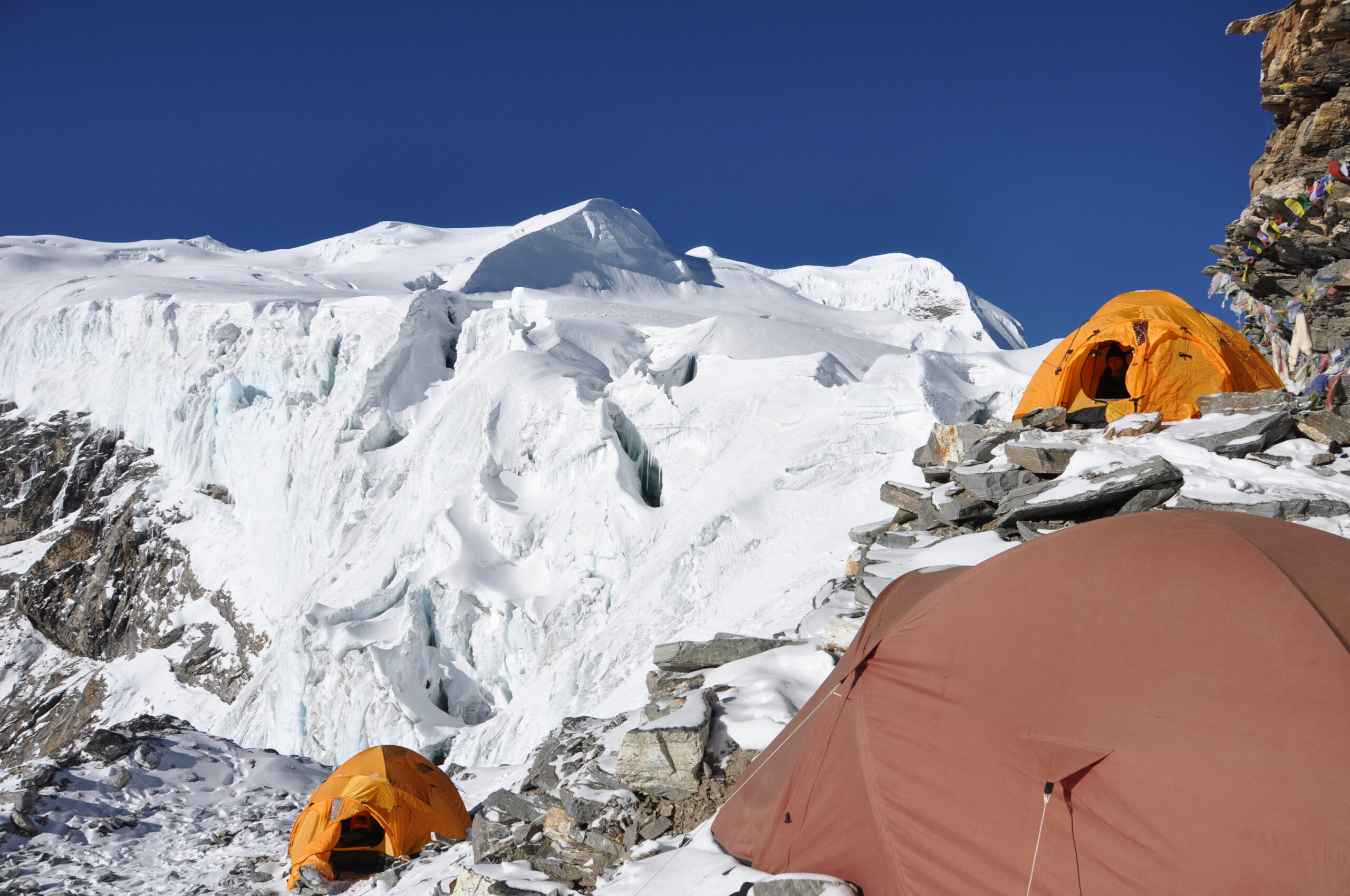
How to Prepare for Mera Peak Climbing
Start your training at least three months before your departure. Cardiovascular training is the most important. Run, cycle, swim or use a stair climbing machine for 30 to 45 minutes, four to five times per week. This builds your lung capacity and endurance.
Strength training is also important. Focus on your legs. Squats, lunges, step ups and calf raises will prepare your muscles for the long days of walking. Core strength helps with balance on uneven terrain. Add planks and back extensions to your routine.
Practice hiking with a weighted daypack. Start with short walks on hilly terrain and gradually increase the distance and elevation gain. Wear the same boots you will use on the climb. Break them in before you arrive in Nepal. Aim for at least one long hike each week, ideally carrying 5 to 8 kilograms.
Mental preparation is just as important as physical training. High altitude climbing tests your patience and resilience. There will be moments when you feel tired, cold or frustrated. This is normal. Practice deep breathing. Focus on one step at a time. Trust your guide. Trust your training.
Our Team for Mera Peak Climbing
Your safety is our first priority. Your climbing guide is certified by the Nepal Mountaineering Association. He has climbed Mera Peak many times. He knows the route, the weather patterns and how to manage altitude sickness. He speaks English fluently and is trained in high-altitude first aid and rescue.
For groups larger than four climbers, we provide an assistant guide. This ensures that everyone receives individual attention. If someone needs to descend early, an assistant guide can accompany them while the main guide continues with the rest of the group.
Our Sherpa porters carry the group equipment, including tents, food, cooking gear and climbing ropes. They are experienced, strong and hard working. We pay them fair wages and provide them with proper gear, insurance, food and accommodation.
The entire team works together to make your climb safe and successful. They are friendly, encouraging and professional. When you reach the summit of Mera Peak, they will be right there with you.
Frequently Asked Questions
General Questions
What is Mera Peak?
Mera Peak is the highest trekking peak in Nepal at 6,461 meters. It is located in the Khumbu region of the Himalayas, south of Mount Everest. The peak was first climbed in 1953 by Colonel Jimmy Roberts and Sen Tenzing. Today, it is one of the most popular trekking peaks in Nepal.
How high is Mera Peak?
Mera Peak stands at 6,461 meters or 21,199 feet above sea level. This makes it the highest trekking peak in Nepal. For comparison, Everest Base Camp is at 5,364 meters. Mera Peak is more than 1,000 meters higher.
How long is the Mera Peak Climbing package?
The package is 18 days from arrival in Kathmandu to final departure. This includes two nights in Kathmandu at the beginning, one night in Kathmandu at the end, one free day for preparation, 13 days of trekking and climbing and one reserve day for contingency.
Can beginners climb Mera Peak?
Absolute beginners with no trekking experience should not attempt Mera Peak. However, if you have good physical fitness and prior high altitude trekking experience above 5,000 meters, you can attempt it. You do not need technical climbing experience because the climb is non technical and your guide will teach you how to use crampons and ropes during the training day at Khare.
What is the difference between Mera Peak and Island Peak?
Mera Peak is higher at 6,461 meters compared to Island Peak at 6,189 meters. Mera Peak is considered less technical than Island Peak. The approach to Mera Peak is through the remote Hinku Valley, while Island Peak is closer to the Everest Base Camp trail. Both are excellent trekking peaks. Mera Peak is better suited for climbers who want a higher summit with less technical difficulty.
Do I need a guide for Mera Peak?
Yes. Trekking and climbing in the Everest region requires a licensed guide. It is not allowed to trek independently in the national park. More importantly, a guide is essential for your safety. Your guide knows the route, the weather patterns and how to manage altitude sickness. We provide a certified climbing guide for every group.
Fitness and Health
How fit do I need to be for Mera Peak?
You need good cardiovascular fitness and leg strength. The trekking days range from three to eight hours. The summit day requires 10 to 12 hours of continuous effort at high altitude. You should be comfortable walking uphill for several hours with a light daypack. Start training at least three months before your departure.
What is the best way to train for Mera Peak?
Cardiovascular training is most important. Run, cycle, swim or use a stair climbing machine for 30 to 45 minutes, four to five times per week. Strength train your legs with squats, lunges, step ups and calf raises. Practice hiking with a weighted daypack on hilly terrain. Wear the same boots you will use on the climb to break them in.
Can I climb Mera Peak if I have a health condition?
You should consult your doctor before booking any high altitude climb. Conditions affecting your heart, lungs or circulation may be worsened by high altitude. Your doctor knows your medical history best. Please be honest with us about any health conditions so we can advise you appropriately.
Do I need travel insurance for Mera Peak?
Yes. Travel insurance is mandatory for this climb. Your policy must cover high altitude trekking and climbing up to 6,500 meters. It must include emergency helicopter evacuation, medical expenses, trip cancellation and lost baggage. Without insurance, you are responsible for evacuation costs which can exceed 5,000 US dollars.
Altitude and Safety
What is the risk of altitude sickness on Mera Peak?
Altitude sickness is a real risk at 6,461 meters. Most climbers experience some symptoms. Mild headache, shortness of breath and loss of appetite are common. Severe symptoms like HAPE or HACE are rare if you follow the itinerary and listen to your body. The itinerary includes gradual ascent, rest days at Khare and a reserve day for safety.
How can I prevent altitude sickness?
Ascend slowly. Do not rush. The itinerary is designed for gradual ascent. Drink three to four liters of water each day. Avoid alcohol and cigarettes. Eat small meals even if you are not hungry. Inform your guide immediately if you have a headache, nausea, dizziness or loss of appetite. Do not hide your symptoms.
What happens if I get altitude sickness on the climb?
Your guide will assess your condition. If you have mild symptoms, you rest at camp and drink water. If your symptoms worsen, you descend to a lower altitude immediately. In an emergency, we arrange helicopter evacuation. Your travel insurance must cover this cost.
Is oxygen provided on Mera Peak?
We carry emergency oxygen for medical use. This oxygen is for emergencies only. Personal oxygen for the summit is not included in the package. If you want personal oxygen, you can arrange it as an addon at an extra cost. Most climbers do not use personal oxygen on Mera Peak because the climb is non technical and the altitude is manageable with proper acclimatization.
What is the success rate for Mera Peak?
The success rate depends on weather, fitness and acclimatization. With proper preparation and good weather, most climbers reach the summit. The reserve day on Day 13 significantly increases your chances. If the weather is bad on your scheduled summit day, you have a second opportunity the next day.
Guides and Porters
What is the guide to climber ratio?
We provide one climbing guide for every four climbers. For groups larger than four, we provide an assistant guide. This ensures that everyone receives individual attention. If someone needs to descend early, an assistant guide can accompany them while the main guide continues with the rest of the group.
Are the guides certified?
Yes. All our climbing guides are certified by the Nepal Mountaineering Association. They have climbed Mera Peak many times. They are trained in high altitude first aid and rescue. They speak English fluently.
What do the porters carry?
Porters carry group equipment including tents, food, cooking gear and climbing ropes. They do not carry your personal bag. Each climber has one porter who carries up to 15 kilograms of personal luggage. If your bag weighs more than 15 kilograms, you need an additional porter at extra cost.
How much weight can a porter carry?
Each porter carries a maximum of 15 kilograms of personal luggage. This is the standard limit set by the Trekking Agencies Association of Nepal. If your bag exceeds this weight, you must hire an additional porter.
How much should I tip my guide and porter?
Tipping is customary but not mandatory. The general guideline is 10 to 15 percent of the total trip cost for the guide and 5 to 10 percent for the porters. You can give tips at the end of the climb. Your guide will distribute the tips to the entire team.
Accommodation and Facilities
What type of accommodation is there on Mera Peak?
In Kathmandu, you stay in a three star hotel. During the trek to Khare, you stay in basic teahouses. These teahouses offer twin sharing rooms with shared toilets. At Mera High Camp, you stay in tents. Your climbing team sets up the camp.
Can I get a hot shower on the trek?
Hot showers are available in some teahouses in the lower villages for a small fee of 1 to 2 US dollars. At Khare and Mera High Camp, there are no showers. You can wash your face and hands with warm water provided by your climbing team.
Is there electricity to charge my devices?
Electricity is available in teahouses in the lower villages. You may need to pay a small fee to charge your phone or camera. At Khare and Mera High Camp, there is no electricity. Bring a power bank to keep your devices charged. Solar chargers are useful but not always reliable in cloudy weather.
Is there WiFi on the trek?
WiFi is available in some teahouses in Lukla and lower villages. The connection is often slow and may cost a small fee. Above Kothe, there is no WiFi. Do not rely on internet communication during the climb.
What food is available on the trek?
Teahouses serve dal bhat, noodles, pasta, fried rice, eggs, bread, soup and momos. Breakfast options include porridge, eggs, toast, pancakes and Tibetan bread. At the camps, your climbing team prepares hot meals. The food is simple but nourishing.
Permits and Logistics
What permits are required for Mera Peak?
You need three permits. The Sagarmatha National Park Permit, the Khumbu Pasang Lhamu Rural Municipality Entrance Permit and the Mera Peak Climbing Permit. We arrange all permits for you. You only need to provide a copy of your passport and two passport size photos.
Do I need a visa for Nepal?
Yes. Most nationalities can obtain a visa on arrival at Kathmandu airport. For the 18 day itinerary, we recommend a 30 day visa. The fee is 50 US dollars. Your passport must be valid for at least six months from your arrival date.
How do I get to Lukla?
You take a domestic flight from Kathmandu or Manthali airport to Lukla. During peak seasons, flights operate from Manthali. You drive from Kathmandu to Manthali for four to five hours, then fly to Lukla for twenty minutes. In off seasons, flights operate directly from Kathmandu and take thirty minutes.
What if my Lukla flight is cancelled?
Flight cancellations are common due to weather. Do not panic. We rebook your flight for the next available day. The itinerary has buffer days for this reason. If flights are cancelled for multiple days, you can take a helicopter or drive back by jeep as an alternative. These alternatives have extra costs not included in the package.
What is the reserve day for?
The reserve day on Day 13 is for weather delays or extra acclimatization. If the weather is bad on your scheduled summit day, you use this day to try again. If you summit successfully on Day 12, the reserve day becomes an extra rest day at Khare.
Cost and Booking
How much does Mera Peak Climbing cost?
The price depends on group size. Please check the price box on this page for current rates. The price includes airport transfers, hotel nights, flights to and from Lukla, teahouse and tented accommodation, all meals during the trek, all permits, guide and porter services, group climbing equipment and taxes.
What is included in the package?
The package includes airport transfers, two nights in a three star hotel in Kathmandu at the beginning and one night at the end, Kathmandu to Lukla round trip flights, all teahouse and tented accommodation during the trek, all meals during the trek, farewell dinner in Kathmandu, all permits, an experienced climbing guide, assistant guide for larger groups, porters, group climbing equipment and all taxes.
What is not included?
The package does not include your Nepal visa, international airfare, excess luggage charges, extra hotel nights if you return early, travel insurance, personal climbing gear like boots, crampons, harness and ice axe, personal expenses like phone calls, laundry, bar bills, battery charging, hot shower and wifi and tips for guides and porters.
How do I book Mera Peak Climbing?
Click the Book Now button on this package page. Fill out the booking form with your details. We require a 25 percent deposit to confirm your booking. We will send you a confirmation email with trip details and payment instructions.
What payment methods do you accept?
We accept bank transfer, credit card, online payment and cash when you arrive in Kathmandu. We do not accept payment on the day of departure. Full payment must be made before the climb starts.
What is your cancellation policy?
The 25 percent deposit is non refundable. However, you can use it as a lifetime credit for any future trip with us. If you cancel after paying the full amount, we refund the balance minus the deposit and any non recoverable costs like permits and flight tickets.
Do you offer group discounts?
Yes. The price per person decreases as group size increases. Please check the group discount table in the price box on this page for exact rates. The discount applies automatically when you book with your group.
Climbing Preparation and Technical Requirements
Do I need technical climbing experience for Mera Peak?
No. Mera Peak is a non technical climb. You use crampons and follow fixed ropes on the steep sections, but your guide teaches you how to use this equipment during the training day at Khare. Prior high altitude trekking experience above 5,000 meters is strongly recommended.
What climbing gear do I need to bring?
You need personal climbing gear including crampons, ice axe, climbing harness, helmet, jumar, two locking carabiners and trekking poles. We provide group climbing gear like ropes, ice screws and snow bars. You can rent personal climbing gear in Kathmandu if you do not have your own.
What is the training day at Khare?
On Day 10, you spend a full day at Khare for acclimatization and training. Your guide teaches you how to put on and walk in crampons. You practice using a jumar on fixed ropes. You learn how to move efficiently on snow and ice. This training is important because practicing at 5,000 meters refreshes your skills and builds confidence.
What is the summit day like?
You wake up around midnight at Mera High Camp. You put on your layers and your crampons. You begin climbing by headlamp. The climb is steep but not technical. You follow fixed ropes on the steepest sections. Your guide sets a slow and steady pace. After several hours, you reach the summit ridge as the sun rises. The views of Everest, Kanchenjunga, Lhotse, Makalu and Cho Oyu are stunning. You then descend back to Mera High Camp and continue down to Khare. The total time is 10 to 12 hours.
How cold does it get on the summit?
Temperatures on the summit are well below freezing. Wind chill makes it feel even colder. In spring and autumn, summit temperatures range from minus 10 to minus 20 degrees Celsius. In winter, temperatures can drop to minus 30 degrees Celsius or lower. Wear layers. Cover your face and hands. Keep your headlamp batteries warm by keeping them inside your jacket.
Related Blogs & Articles

Alps” vs. “Himalayas Trekking in Nepal “
Dal Bhat Power 24 Hour

Lukla Flight: A Complete Guide and Alternatives
Drone Permits in Nepal: Step-by-Step Guide, Costs & Essential Tips
- 1 - 1 personUS$ 2620
- 2 - 4 personUS$ 2350
- 5 - 8 personUS$ 2185
- 9 over 9999 US$ 2050
- Your safety, our no 1 priority
- Best price guarantee
- Experienced & dedicated team
- Easy booking, no hidden charge
- You can customize this trip
US$ 2620
Client Reviews


Related Trips