


 English
 Dutch
Dutch Japanese
 Hindi
Hindi Italian
 Spanish
 French
 German
 Chinese
 Korean
 Arabic
 Hebrew
 Russian
 Portuguese
 Danish
 Czech
Czech Polish
 Swedish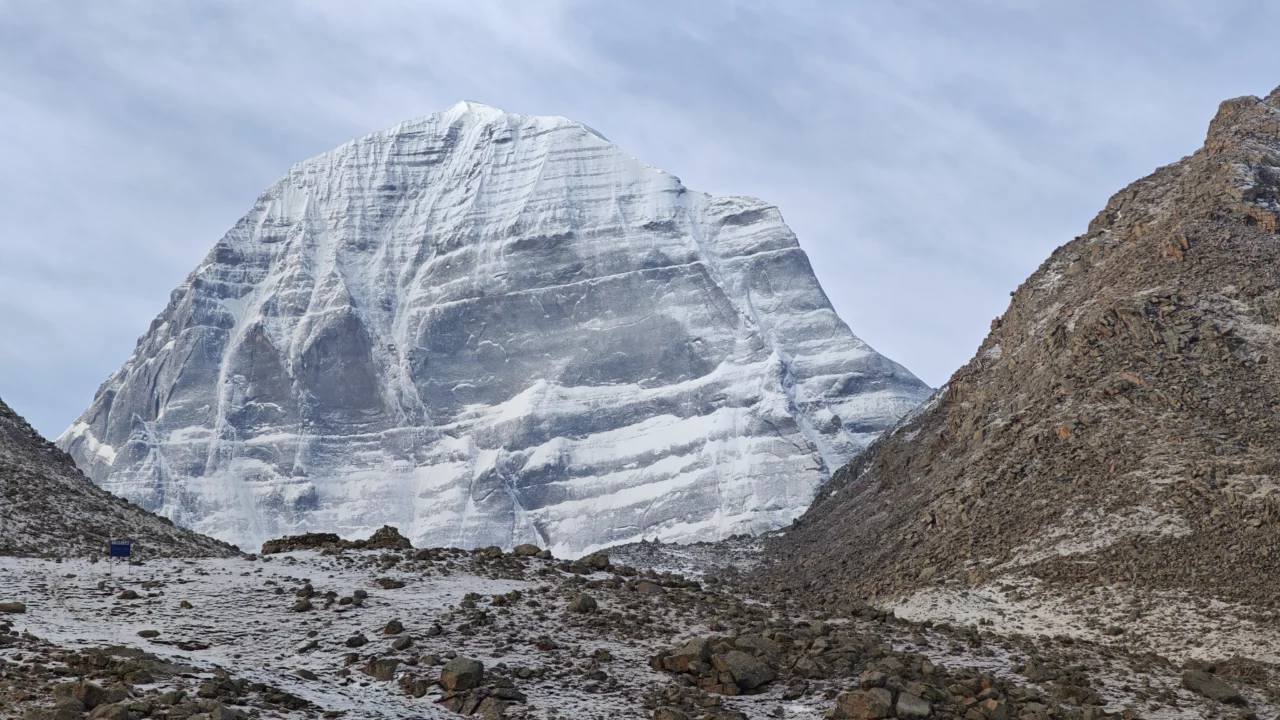


 Share
ShareKailash Mansarovar Yatra On Full Moon 2026 - 16 Days

16 Days

Moderate

Dolma La Pass 5,630 meters (18,471 feet)

1-20 People People

Kathmandu / Kathmandu

April to October

- 15 Breakfast Breakfast
- 11 Lunch Lunch
- 11 Dinner Dinner

- 4-Star Hotel in Kathmandu
- 3-Star Hotel in Tibet
- Best Available Guest Houses in Syabrubesi, Diraphuk & Zuthulphuk

- Private Tourist Vehicle in Nepal
- Personalized Transportation Services Tailored to Group Size
- 1 - 4 personUS$ 2645
- 5 - 8 personUS$ 2578
- 9 - 12 personUS$ 2385
- 13 - 16 personUS$ 2295
- 17 over 9999 US$ 2199
- Your safety, our no 1 priority
- Best price guarantee
- Experienced & dedicated team
- Easy booking, no hidden charge
- You can customize this trip
US$ 2645


Highlights of Kailash Mansarovar Yatra on Full Moon
- Worship at the highest spiritual energy of Kailash and Mansarovar at the time of Purnima (Full Moon) Tithi.
- Ritualistic dip in the sacred waters of Lake Mansarovar.
- Circumambulate the sacred mountain Kailash, the 52 km that purges sins.
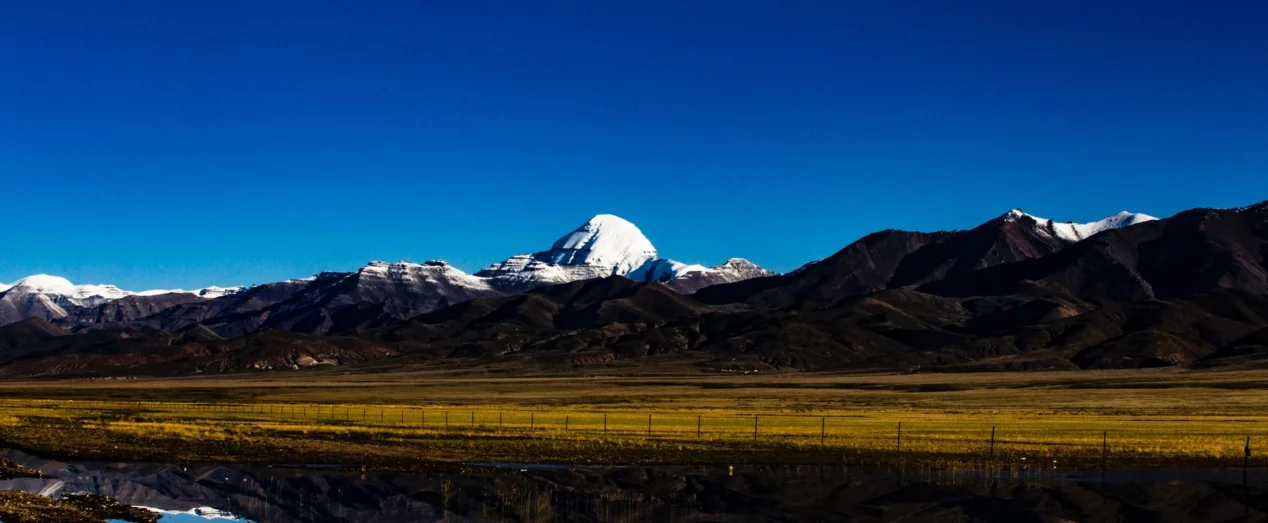
- View the awesome North Face of Kailash in Dirapuk and exalted vistas along the Kora.
- You will enjoy a beautiful drive through Kathmandu to Kerung and onto Darchen in the Tibetan plateau.
- Thoroughly designed trip with enough acclimatization days to assure safety and comfort.
- With the guidance and direction of professional Nepalese and Tibetan local guides, the trip will be smooth and safe.
- Relaxed way of travelling as all significant logistics (such as permits, meals, and accommodations) are handled.
- Get in touch with the exotic Nepal and Tibet cultural fabric.
Trip Overview
Witness the Divine Glow: A Sacred Journey Under the Lunar Radiance.
Welcome to the journey of a lifetime to the immortal dwelling place of Lord Shiva, the magnificent Mount Kailash, and the beautiful Lake Mansarovar. This is not a regular yatra but a privileged pilgrimage in accordance with a rare celestial phenomenon, unlike anything that many people have ever witnessed before, in the form of a Full Moon that takes place during the year 2026, and that is expected to enhance spiritual vibration and reward them in major ways.
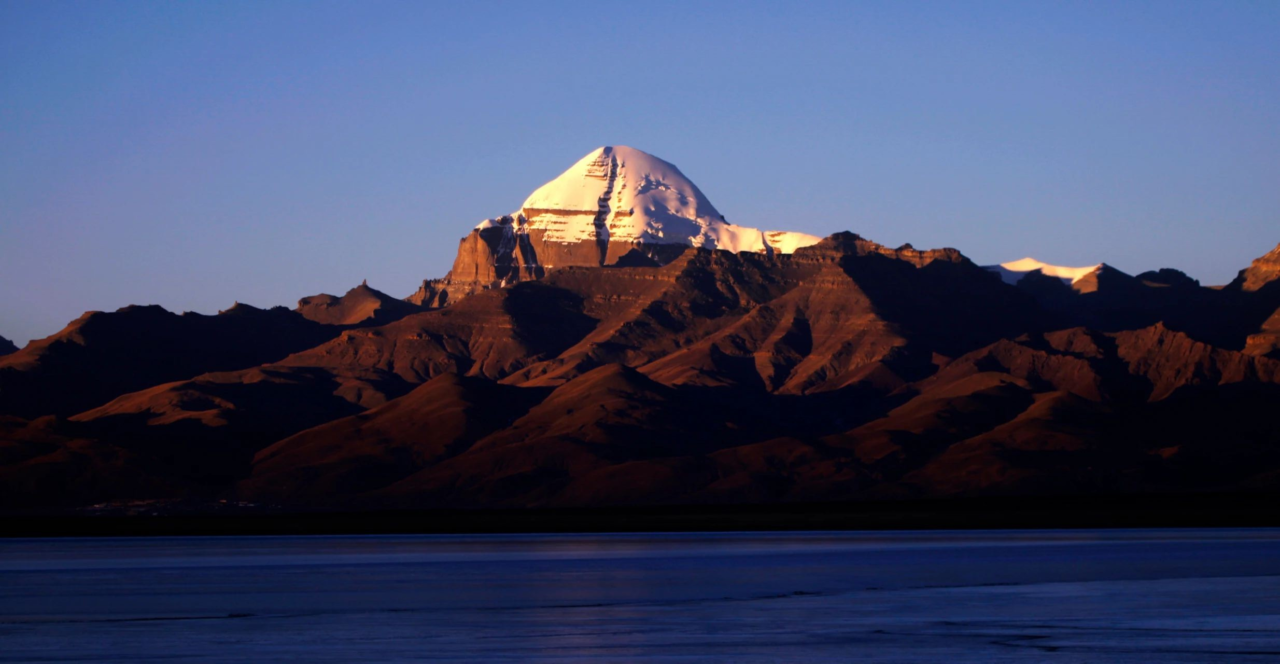
Think about the moment when you are standing on the banks of Mansarovar and the face of the moon is reflecting the silver pearls on its calm surface; the sacred mountain of Kailash is glowing like heavenly light. This moment is more than a breathtaking beauty arousing, but a spiritual amplification, the strength of the feeling which enables people to know the truth of their being, the opportunity of meditation, and transcendence.
It is a customised pilgrimage specifically designed to satisfy the demands of the spiritual connoisseur who seeks to have a spiritual experience of the divine Kailash and Mansarovar Yatra during the most auspicious and beautiful time of the year: during the Full Moon of the year 2026. We combine the best of spiritual immersion, exclusive full moon rituals, optimal acclimatization, the highest comfort, and the undeviating safety to create a profound and life-altering experience. We concentrate on a once-in-a-lifetime experience which appeals to the soul.
Why a Full Moon Yatra in 2026 is Uniquely Auspicious
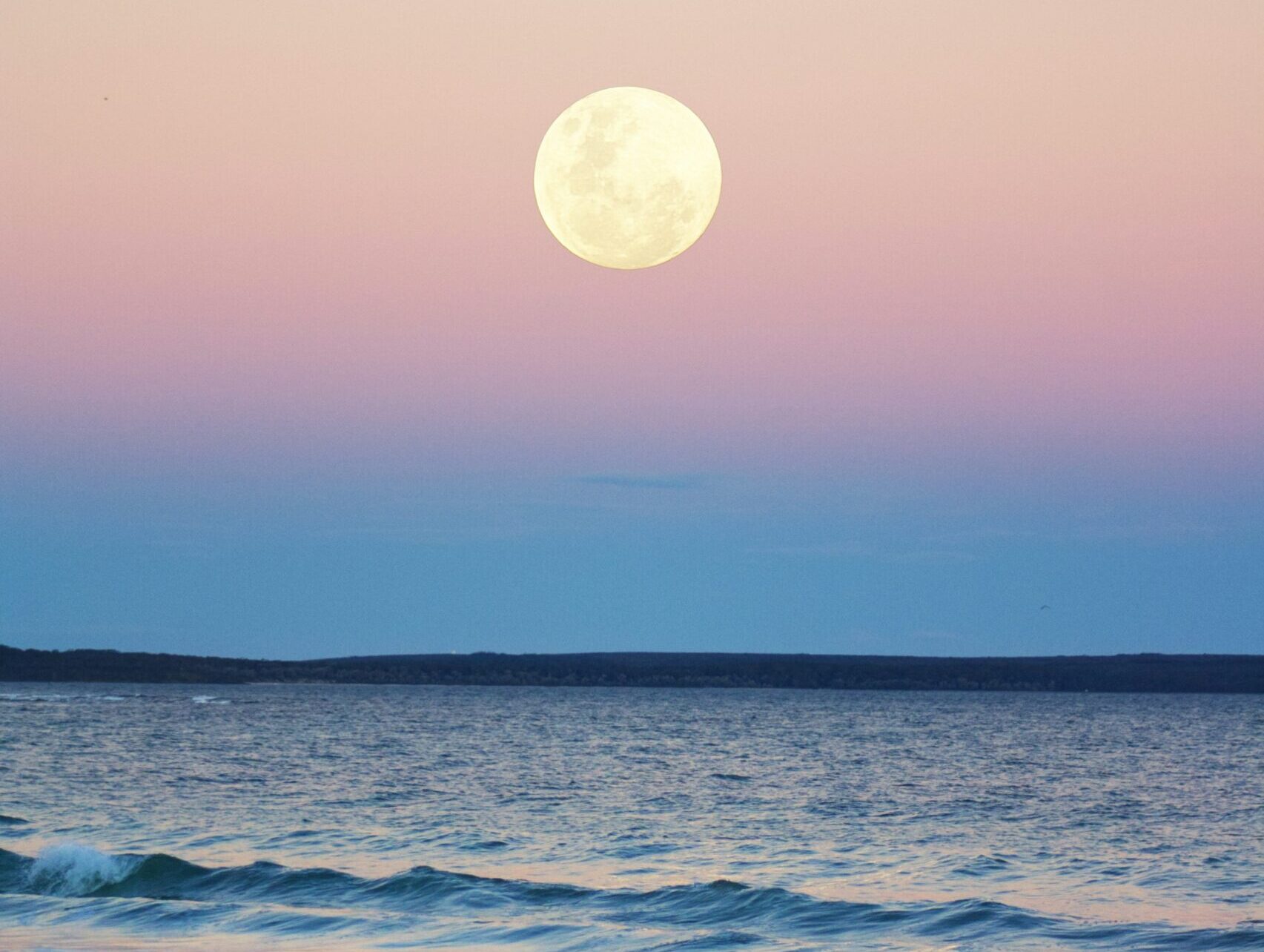
Spiritual Significance of the Full Moon:
The Full Moon Yatra 2026 is a very auspicious and special time to undertake the pilgrimage, where a pilgrim would get deep spiritual benefits and the chance to be in touch with the divine. On Purnima, the vibrations in the celestial world are known to be the greatest and the best time to meditate and do self-reflection, and receive blessings.
Celestial Views & Photography:
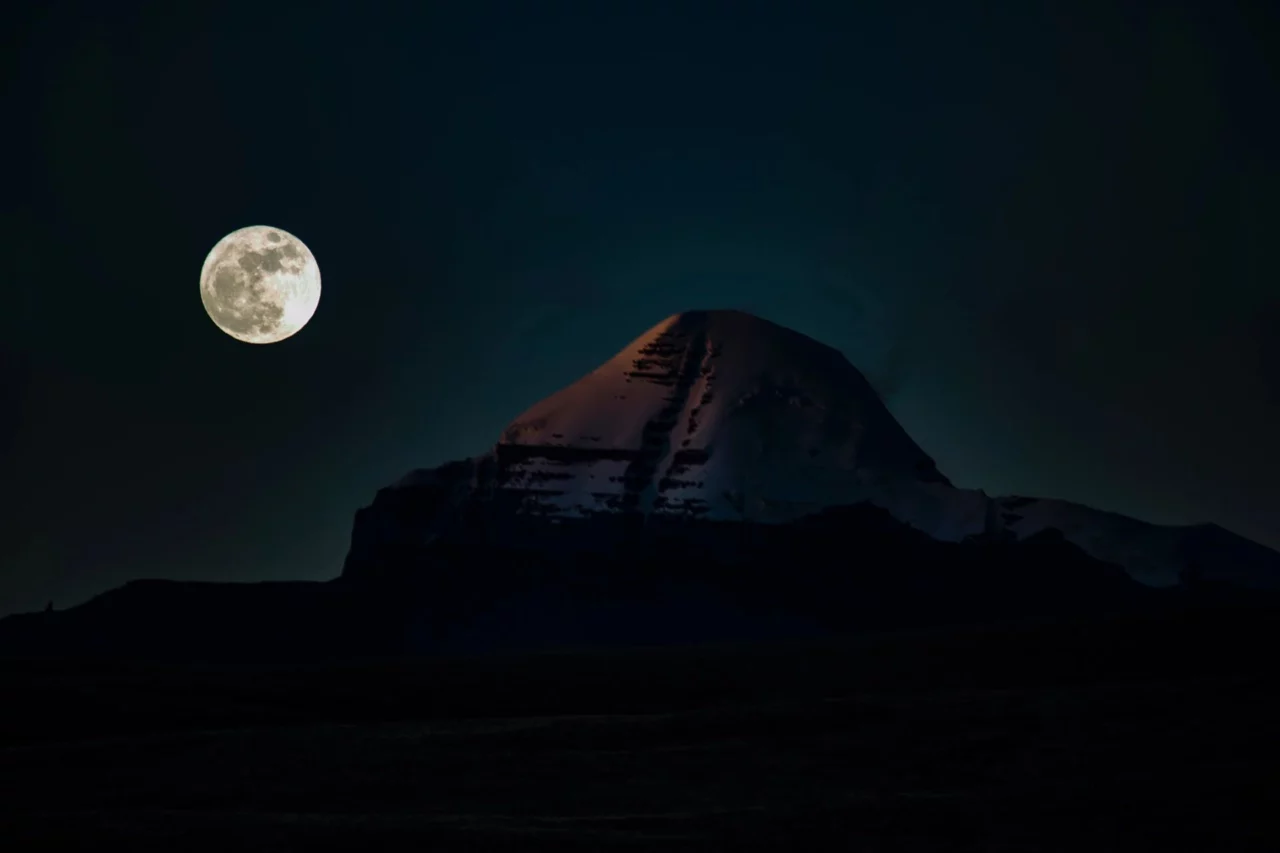
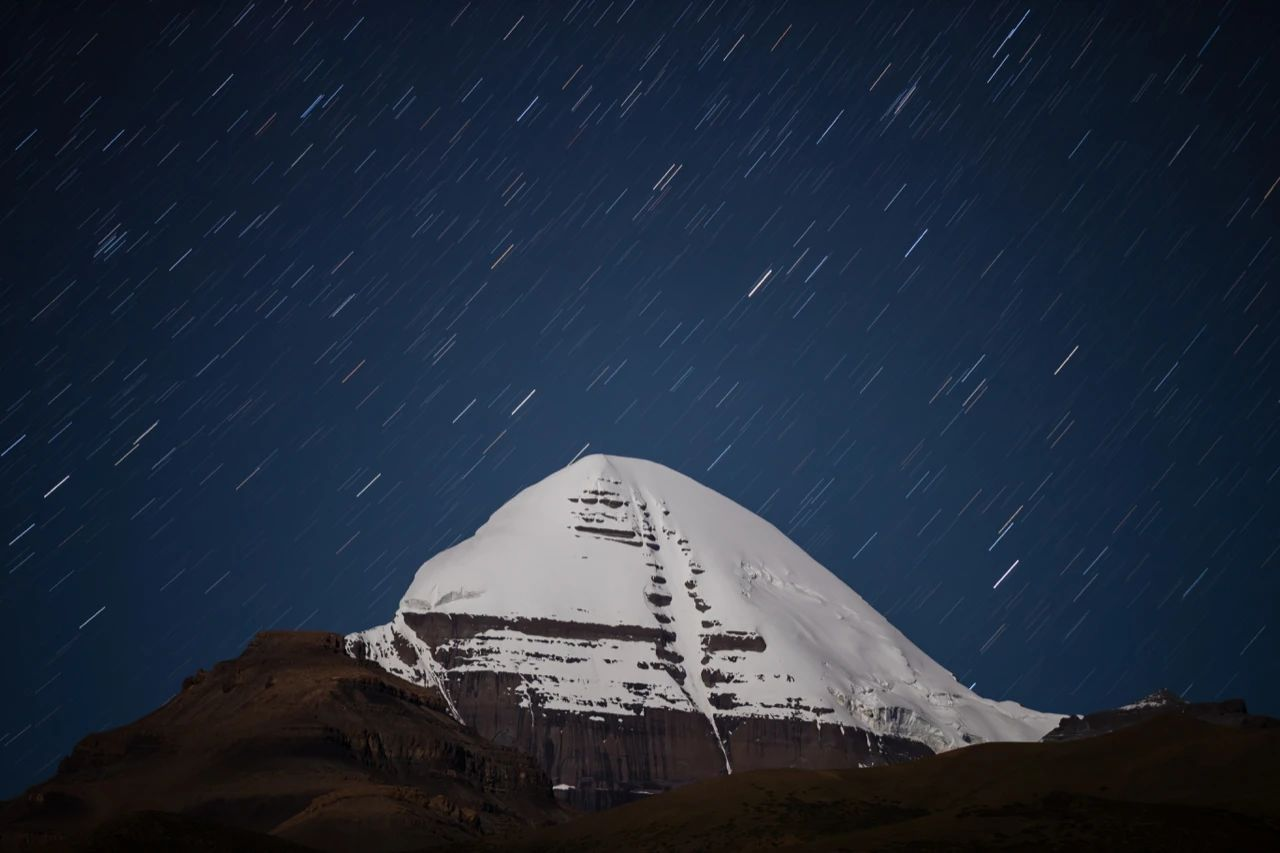
The grand Mount Kailash and the lake Mansarovar appear in the glow of the full moon. Having clearer skies and spectacular nighttime scenery to stare at presents a once-in-a-lifetime visual spectacle and elevates both the outer and inner trip.
Auspicious Blessings:
This time is sacred to the Full Moon in the spiritual traditions. Doing the yatra at this time opens one to a heightened level of merit made possible by the transformative grace of the pilgrimage.
The Horse Year of 2026:
To make it even more rare, this year, 2026, is also under the Tibetan Horse Year, which is considered among the most fortuitous cycles when one plans to proceed with the Kailash Mansarovar Yatra. One Kora (circumambulation) around Mount Kailash in 2026 is reportedly equivalent to twelve Kora (circumambulations) in any other year. Pilgrims believe that journeys made in this year multiply the spiritual rewards many times over.

Immersive Guidance:
In order to enhance the experience, guided meditations, spiritual discourses, and general silent reflection are incorporated throughout the pilgrimage, allowing pilgrims to become immersed in the elevated energies of Kailash and Mansarovar.
Unforgettable Experience:
- Celestial Views & Photography: The exalted Kailash and the tranquil Mansarovar under the glamorous silver light of the moon. The possibility of clearer skies and nocturnal sceneries of majesty makes the experience unique as a clear spectacle that boosts the experience towards sacredness.
- Celestial Beauty: See Mount Kailash and Lake Mansarovar covered with the ethereal light of the full moon – once in a lifetime visual, human, and spiritual experience.
- Exclusive Group: Belong to an exclusive group of spiritual seekers that feel connected, enjoy a sense of community, and share purpose.
- Rare Opportunity: This coincidence occurs only once a year, and in 2026, it will coincide with an especially significant pilgrimage.

Full Moon Dates and Times at Lake Manasarovar in 2026
2 April 2026 (Friday): Download Itinerary
- UTC moment: 2026-04-02 | 02:12 AM
- Lake Manasarovar Local Time: 2026-04-02 | 10:12 AM
1 May 2026 (Friday) (First full moon): Download Itinerary
- UTC moment: 2026-05-01 | 05:23 PM
- Lake Manasarovar Local Time: 2026-05-02 | 01:23 AM
31 May 2026 (Sunday) (second / Blue Moon): Download Itinerary
- UTC moment: 2026-05-31 | 08:45 AM
- Lake Manasarovar Local Time: 2026-05-31 | 04:45 PM
Important: Tibetan Saga Dawa Festival (the 15th day of the 4th Tibetan lunar month) is widely reported to fall on 31 May 2026 — so 31 May is the festival full moon to note for pilgrimage timing. May has two full moons in 2026 (a “blue moon” situation).
June 2026 — 29 June 2026 (Monday) (Astronomical full moon): Download Itinerary
- UTC moment: 2026-06-29 | 11:56 PM
- Lake Manasarovar Local Time: 2026-06-30 | 07:56 AM
July 2026 — 29 July 2026 (Wednesday): Download Itinerary
- UTC moment: 2026-07-29 14:35 | 02:36 PM
- Lake Manasarovar Local Time: 2026-07-29 | 10:36 PM
August 2026 — 28 August 2026 (Friday): Download Itinerary
- UTC moment: 2026-08-28 | 04:18 AM
- Lake Manasarovar Local Time: 2026-08-28 | 12:18 PM
September 2026 — 26 September 2026 (Saturday): Download Itinerary
- UTC moment: 2026-09-26 | 04:49 PM
- Lake Manasarovar Local Time: 2026-09-27 | 00:49 AM
October 2026 — 26 October 2026 (Monday): Download Itinerary
- UTC moment: 2026-10-26 | 04:12 AM
- Lake Manasarovar Local Time: 2026-10-26 | 12:12 PM
What To Expect on Kailash Mansarovar Yatra on Full Moon 2026
- Kailash Mansarovar Yatra is said to be a moderate to difficult pilgrimage trek. The high altitude Tibetan area is not easy to walk and you will have to encounter a lot of ascents and descents along the mountainous tracks.
- During the journey within Tibet, you will be visiting small villages and towns where it is possible to learn about the local Tibetan lifestyle, culture, and traditions.
- In 2026, you will have a Full Moon at Mansarovar Lake, where you will have the divine reflection of the moon at the holy waters, believed to be spiritually very powerful and auspicious.
- The biggest site is the Kora (parikrama) of Mount Kailash. The route offers you to travel through steep saddles such as Dolma La (5,630 m), which requires both physical capabilities and mental willpower.
- Tibet has uncertain weather. The sudden changes are usual even in the trekking season (May to September). You have to be ready for cold winds, snow, or thick winds at any time.
- Always carry warm clothes, rain gear, crampons, and gaiters because you will be required to use them. Muddy paths and landslides may happen during the monsoon, and even snow may happen during the summer.
- You will find yaks and mules on trails, which are frequently employed in hauling products. They can create obstructions on the narrow paths or make the trails disorganized occasionally.
- Major portions of the trekking path are in the deserts of highlands, rocky routes, and dry mountain valleys. In contrast to forest walks in Nepal, this Yatra takes you through a wide-open and exposed landscape, and sun protection and adequate hydration are highly valued.
- It is not a spiritual journey alone. Pilgrims are sure that the accomplishment of the Kora round Mount Kailash helps to purify past sins and promises a new life.
Kailash Mansarovar Yatra on Full Moon Cost for 2026
Our 16-day Kailash Mansarovar Yatra on Full Moon 2026 Package price starts from USD 2200. However, the exact cost of your journey is determined by a number of criteria, including trek seasons, porters, group size, duration, transportation, and various package schemes.
Group Size: The more people in a group, the more discounts you will get in the Kailash Mansarovar Yatra package.
Accommodation: A Comfortable 3-4 star hotel will be provided while you are in Nepal. At Tibet 3, start hotels will be arranged which will be a sharing basis. If you want to stay in a 5-star hotel in Kathmandu and a luxury hotel in Tibet, you need to pay an additional cost.
Hiring a horse and a personal porter: Hiring a horse and a personal porter can be arranged as per request while booking, with some extra cost.
Pandit/Pujari for rituals at Lake Mansarovar: If you want to do some special puja, then we can arrange a Pandit/Pujari for you. For this, you also need to inform us before booking, and you need to pay an extra cost for this scheme.
Full Moon Departure Schedule — Kailash Mansarovar Yatra 2026
| Arrival in Nepal | Departure to Tibet | Full Moon Date & Time at Lake Manasarovar | Note |
| 21 April 2026 | 27 April 2026 | 1 May 2026 — 11:23 AM | First Full Moon of May: Download Itinerary |
| 21 May 2026 | 27 May 2026 | 31 May 2026 — 9:45 PM | Blue Moon: Download Itinerary |
| 21 June 2026 | 25 June 2026 | 29 June 2026 — 1:55 PM | Astronomical Full Moon: Download Itinerary |
| 20 July 2026 | 25 July 2026 | 29 July 2026 — 3:11 AM | Guru Purnima / Full Moon: Download Itinerary |
| 17 August 2026 | 23 August 2026 | 27 August 2026 — 5:06 PM | Janai Purnima / Full Moon: Download Itinerary |
| 15 September 2026 | 20 September 2026 | 25 September 2026 — 2:49 AM | Full Moon: Download Itinerary |
If you want to end the Kailash Mansarovar Yatra in a short day, then you can check our package: Kailash Mansarovar Tour from Hilsa by Helicopter – 10 Days. If you want to enter Tibet by flight, then you can check this package:Kailash Manasarovar Yatra with Everest Base Camp and Lhasa – 19 Days
Group Discounted Cost/Prices
| Group Size | Price Per Person |
| 1 – 4 person | US$ 2645 |
| 5 – 8 people | US$ 2578 |
| 9 – 12 people | US$ 2385 |
| 13 – 16 people | US$ 2295 |
| 17 over | US$ 2200 |
For cost breakdown check here: Kailash Mansarovar Yatra Cost
Recommended Equipment Packing List for Kailash Mansarovar Yatra On Full Moon
Planning your sacred journey to Mt. Kailash? Here’s a compact packing list to keep you safe, comfortable, and spiritually prepared for the Yatra.
- Thermal base layers (2–3 sets)
- Warm fleece jacket (1–2)
- Down/insulated jacket (1)
- Waterproof/windproof jacket & pants (1 each)
- Trekking pants (1–2)
- Wool/synthetic socks (4–5 pairs)
- Warm hat, gloves, scarf/buff
- Sturdy trekking boots (1 pair)
- Comfortable camp shoes/sandals (1 pair)
- Lightweight sneakers (optional backup)
- Duffle bag (provided) + daypack (40L)
- Sleeping bag (-18°C, can rent)
- Trekking poles
- Water bottles/hydration pack (2–3L)
- Headlamp + extra batteries
- Dry bags for clothes/electronics
- Sunscreen (SPF 30+), lip balm with SPF
- Wet wipes, hand sanitizer, toilet paper
- Personal medicines (Diamox, pain relievers, prescriptions)
- First aid basics (blister care, band-aids, antiseptic)
- Energy bars, trail mix, instant foods
- Rehydration salts/powders
- Power bank & chargers
- Camera/phone with waterproof case
- Journal, book, or cards for free time
- Passport (valid 6+ months)
- Visa & Tibet permits (arranged by operator)
- Travel insurance (must cover high altitude)
- Passport photos (4–6)
- Cash in USD ($500–1000 recommended)
- Rudraksha mala, prayer beads, incense
- Small idols, scriptures, or shawl
Outline Itinerary of Kailash Mansarovar Yatra On Full Moon 2026
Arrival in Kathmandu
Visa Application Submission Day and Sightseeing Tour of Patan Durbar Square, Kathmandu Durbar Square, and Swambhunath Stupa
Morning visit to Pashupatinath Temple, Budhanilkantha Temple (Sleeping Vishnu), and Boudhanath Stupa.
Obtain the Visa / Tibet Entry permit, Tour Preparation Day
Drive from Kathmandu Drive to Timure / Tatopani
Drive to Rasuwagadhi / Tatopani Border, Cross the Border, and drive to Kyarung / Nyalam Town in Tibet
Rest and Acclimatization in Kyarung / Nyalam Town
Drive from Kyirong to Milerappa Cave (2 Hours Hiking from Highway) or Drive from Nyalam to Saga Town
Drive from Saga to Mansarovar Lake (4,590m) and Mansarovar Lake Kora / Circumambulation (Half) by Conservation Vehicle
Visit Manasarovar Lake, Take a Holy Dip, Chiu Gompa and Drive to Darchen (4,575m)
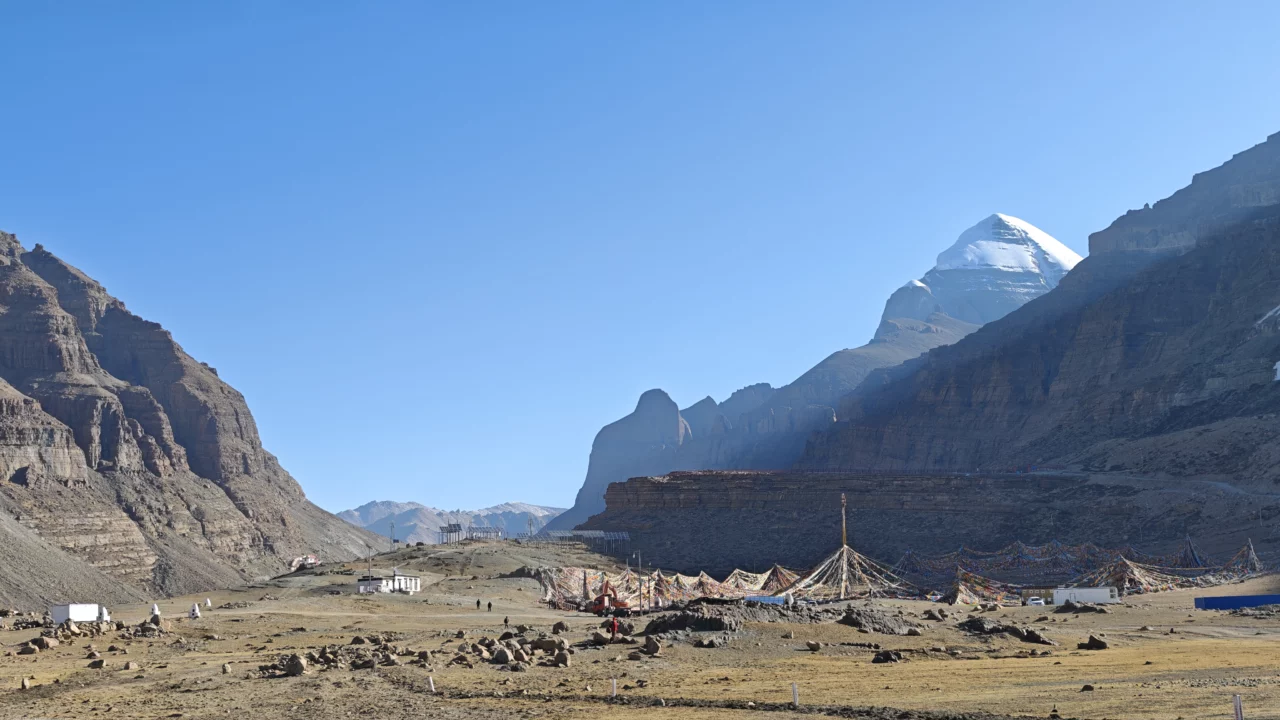
Drive to Yamadwar and Kailash Kora Starts: Trek to Diraphuk (4,890m)
Mt. Kailash Kora continues: Trek to Zuthulphuk Via Dolma La Pass (5600m) 5,600m/18,373ft, 9-10 Hours
Last Day of Kailash Kora: Trek to Mani Wall (4,800m) and to near Darchen (8 km) and drive to Saga
Drive from Saga (4,640m) to Kyarung / Nyalam via Pelku Lake
Drive from Kyarung / Nyalam to Nepal border and drive to Kathmandu
International departure for homeward bound
How to prepare for the 16 Days Kailash Mansarovar Yatra on Full Moon 2026
Kailash Mansarovar Yatra is one of the most challenging pilgrimage tours in the world. The journey takes you to the high altitude of Tibet, and you need to pass the challenging mountain pass, Dolma La Pass(5,630 m). If you are young and physically fit, then you don’t need to worry about walking 5-6 hours, but if you are older, then you need to build endurance and grow stamina for walking.

Build Walking Endurance
The Kora (parikrama) around Mount Kailash involves walking 6–8 hours daily at high altitude.
- Walk at least 1 hour daily for 4-6 weeks before the departure date.
- Try to cover 6-10 km every day to increase your pace and stamina.
- Walk on stairs, uneven paths, or slope areas.
Practice Weekend Hiking
- If possible, try to do short hiking around your home.
- While hiking, carry some weight as it helps to strengthen your legs and build lung capacity.
Train With Your Trekking Gear
- Use trekking boots, trekking poles, jackets, and trousers before the trip.
- Break in your boots to avoid blisters and discomfort on the trail.
Improve Physical Fitness
- Do cardio exercises such as running, swimming, or cycling at least 3–4 times a week.
- You can add yoga and stretching to improve flexibility, balance, and breathing.
- Focus on core strength and stamina, as the high altitude trek can be tiring.
Prepare for High Altitude
- Kilash’s journey takes you to an altitude above 5,000m where the oxygen level is low.
- Learn about altitude sickness symptoms and preventive measures.
- If possible, do a hiking altitude trek.
- Be aware that drinking and smoking habits can affect walking at high altitude.
Pack Properly
- The night in Tibet is cold, so prepare for the cold night by carrying warm clothing.
- Carry sun protection(sunglasses, sunscreen, hat) to protect yourself from intense high-altitude sun.
- Carry essential toiletries items(toothbrush, toothpaste, soap, shampoo, wet wipes, hand sanitizer, tissue rolls, and quick-dry towel)
Mental and Spiritual Preparedness
- Travelling in new places can be stressful, so be mentally prepared for the tough days.
- Be aware that you need to stay in simple accommodation with limited facilities for a few days at a high altitude.
- Practise meditation, breathing technique, and learn to stay focused and be positive.
Consult Your Doctor
- It’s recommended to do a full medical checkup before heading for the trip.
- If you have any ongoing health issues like heart, lung, or blood pressure, then consult with your doctor first before making a booking.
- Carry your personal prescribed medicine.
Worth reading: Step by Step guide for Kailash Mansarovar Yatra

The Best Time for the Kailash Yatra
Kailash Mansarovar Yatra is ideally done during May to October since the weather on the Tibetan plateau is relatively stable during this period. The months are warmer in the days, with most of the snow that is found on the paths during the treks already melting by this time, and, therefore, the journey is safer and easier to do off to complete the pilgrimage. This season gives the traveler an opportunity to experience all the spiritual and natural beauty of the area without any extreme weather issues.
Mainly, travelling outside this window is not advisable. Severe snow, very low temperatures, blocked or cleared roads, can even make transportation very risky. Conducting the yatra in the off-season can cause delays, health-related issues, and even cancellations, which is why you should consider planning your trip during the best months that will guarantee an enjoyable and memorable pilgrimage experience.
Continue reading: Best time for Kailash Mansarovar tour
Kailash Yatra Full Moon Dates for 2026
To assist you in planning your spiritual pilgrimage, Namaste Nepal Trekking has added the full moon dates in the optimal travel time of the Kailash Yatra in 2026. By planning to travel on one of these dates, you will be able to make your pilgrimage more than just a physical journey.

Full Moon Moments at Lake Manasarovar Local Time — UTC+8:00
Planning your Kailash Mansarovar Yatra in 2026? Timing your journey with the Full Moon at Lake Manasarovar is one of the most powerful ways to experience the sacred energy of Mount Kailash. The moonlight reflecting on the crystal-clear waters of Manasarovar is considered highly auspicious in Hindu, Buddhist, Jain, and Bon traditions. Below is the complete list of Full Moon moments from April to October 2026 (local Lake Manasarovar time, UTC+08:00) to help you choose the perfect departure date. Align your pilgrimage with these divine lunar peaks and witness Kailash in its most mystical and spiritually charged form.
| Month 2026 | Full Moon Date at Lake Manasarovar | Day | Local Time (UTC+08:00) | Notes |
| April | 2 April 2026 | Friday | 10:12 AM | Full Moon |
| May (1st) | 2 May 2026 | Saturday | 01:23 AM | First full moon of May |
| May (2nd – Blue Moon) | 31 May 2026 | Sunday | 04:45 PM | Saga Dawa Festival / Second full moon of May |
| June | 30 June 2026 | Tuesday | 07:56 AM | Astronomical Full Moon |
| July | 29 July 2026 | Wednesday | 10:36 PM | Guru Purnima |
| August | 28 August 2026 | Friday | 12:18 PM | Janai Purnima |
| September | 27 September 2026 | Sunday | 00:49 AM | Full Moon |
| October | 26 October 2026 | Monday | 12:12 PM | Last Full Moon Trip |
Photo & Video Gallery





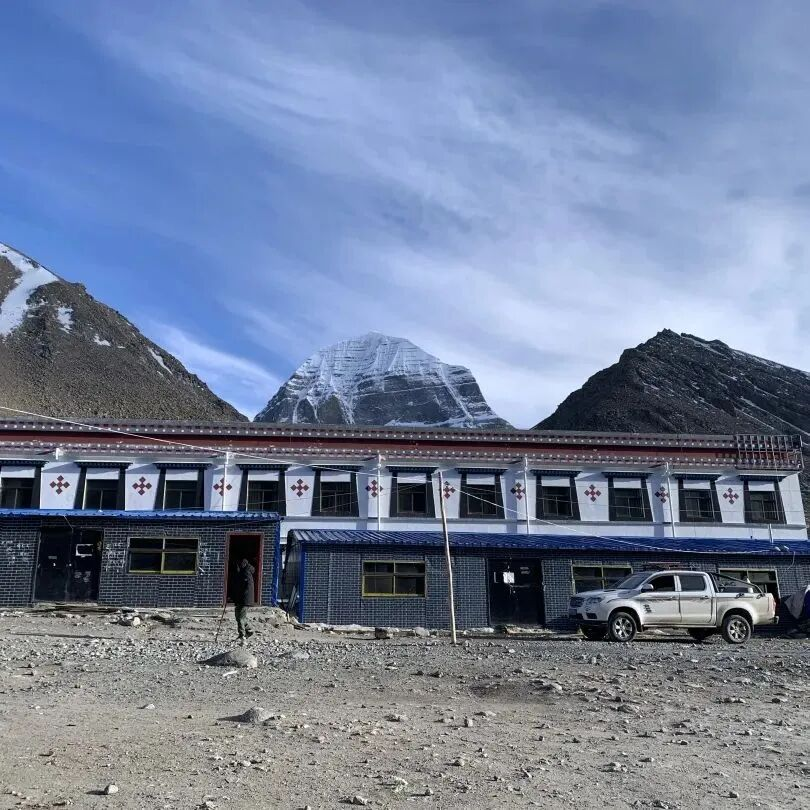

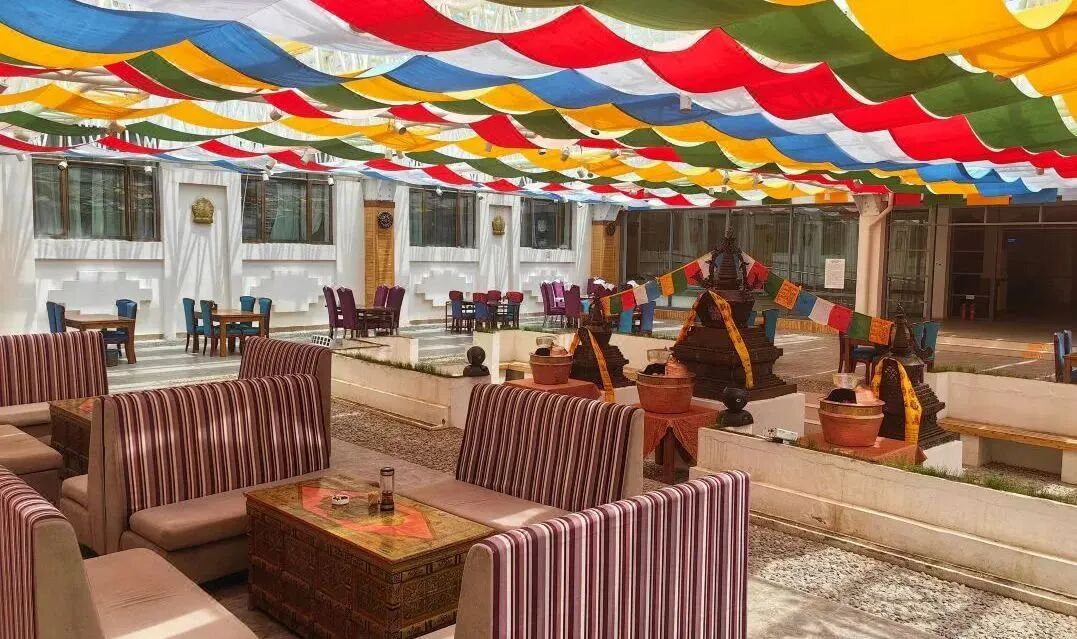

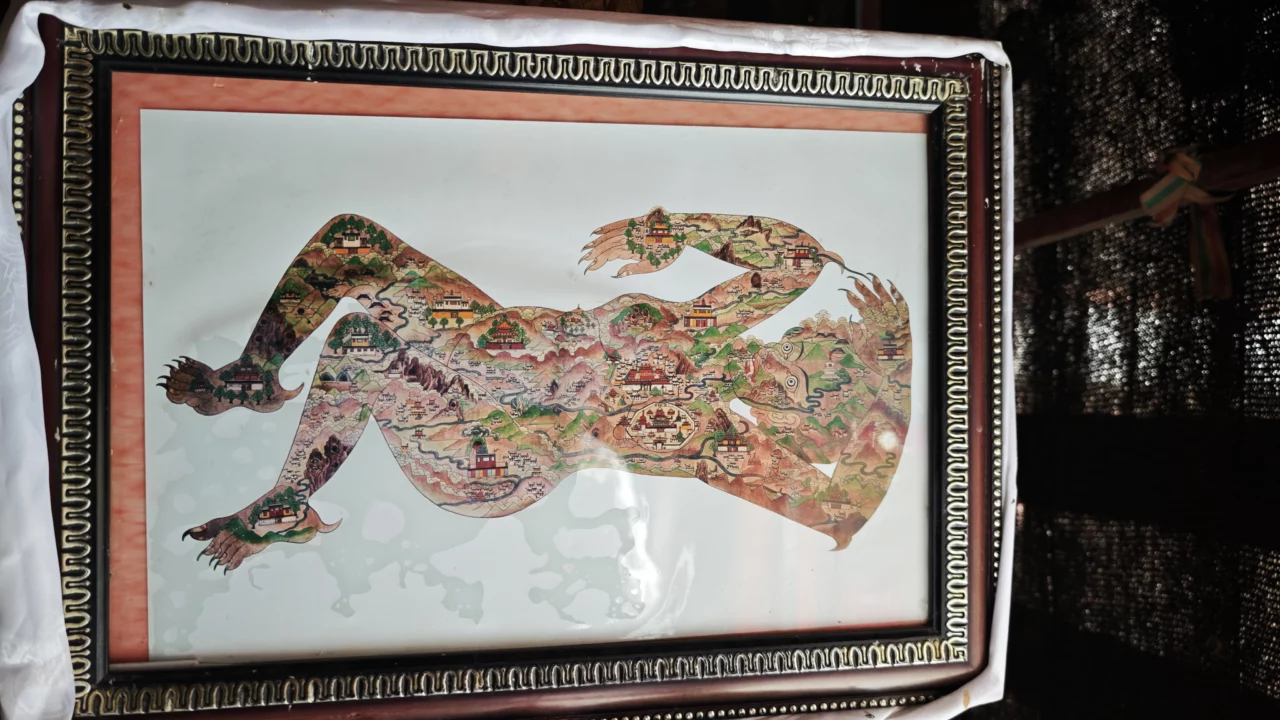
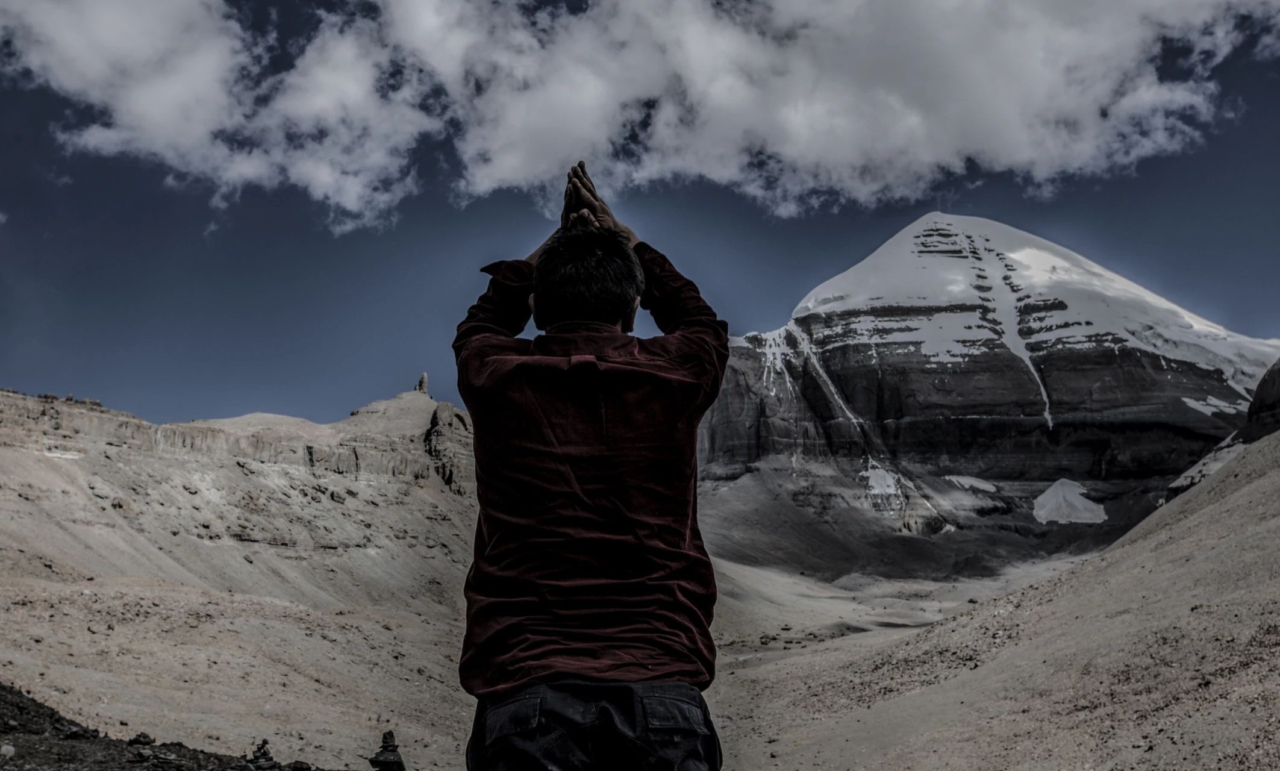
Detailed Itinerary of Kailash Mansarovar Yatra On Full Moon 2026
Day 1: Arrival in Kathmandu
Your spiritual tour commences with your arrival in Kathmandu, the capital city of Nepal, and the gateway to the Kailash Mansarovar Yatra on Full Moon 2026. When you arrive at the Tribhuvan International Airport, you will be met by a representative or a guide who will facilitate your transfer to your hotel. When you drive through the city, you will observe some glimpses of Kathmandu streets, old temples, and also the old cultural beauty of the city.
After checking into your hotel, you can use some time to rest and recuperate from your travel. The remainder of your day is as you wish; some resting time you may need as you prepare to start the adventure tomorrow. In case you feel like it, you can also venture out into the surrounding areas and visit the busy Thamel neighborhood, with its colorful shops, local food, and handicraft shops.
In the evening, have a welcome dinner that has an authentic Nepali dish. Savor Nepalese cuisine at its best with foods such as dal bhat (lentil soup with rice), momo (dumpling), and gurndruk (fermented leafy greens), providing dishes that showcase the Nepalese culinary heritage.
Note to Travellers: We suggest you purchase the local SIM ( Ncell or NTC) from the airport so that you can use it while you are in Nepal to contact us and your family.

Activity
Arrival in KathmanduTrip Duration
30 minDistance
7 kmMax Altitude
1,400m / 4,593ftAccommodation
4-Star HotelDay 2: Visa Application Submission Day and Sightseeing Tour of Patan Durbar Square, Kathmandu Durbar Square, and Swambhunath Stupa
Day Two in Kailash Mansarovar Yatra on Full Moon 2026 is an essential step in the process – the submission of the visa to Tibet. You will visit the Namaste Nepal Trekking office after breakfast at your hotel, where you will present your passport and photographs of passport dimensions.
The team of Namaste Nepal Trekking will help you in completing the application forms and submitting them on your behalf. They have the knowledge and skill required to get you through this without any hiccups, and you can concentrate on the spiritual and the cultural part of your trip.
After submission of the visa application, one spends the rest of the day enjoying the rich cultural heritage of Kathmandu. You’ll visit three iconic UNESCO World Heritage Sites that highlight the city’s history, spirituality, and architectural brilliance:
Patan Durbar Square:
Riding on a private vehicle, you will first head toward the Patan Durbar Square, which is in the ancient city of Lalitpur. This historic square features temples carved with Newari architecture, a courtyard, and palaces. Highlights include the Krishna Mandir, a stone temple dedicated to Lord Krishna, and the Patan Museum, which showcases traditional art and artifacts. Newari food such as Choila (spicy marinated meat), Bara (lentil pancakes), Yomari (a sweet rice dumpling), Chatamari (a Newari rice crepe), and Juju Dhau (a rich, sweet yogurt) are a must-try when you are in Patan.
Kathmandu Durbar Square:
Next, we will head to the Kathmandu Durbar Square, which is a famous tourist destination close to Thamel. This was once a royal palace, which is surrounded by many temples, shrines, and courtyards. Key attractions include the Kumari Ghar, home to the Living Goddess Kumari, and the Taleju Temple, a towering pagoda dedicated to the goddess Taleju Bhawani. Take your time to admire the intricate woodwork and centuries-old architecture that make this site so unique.
Swambhunath Stupa (Monkey Temple):
We will conclude today’s tour with a visit to the famous Buddhist stupa, Swayambhunath. Walking for a few minutes, we will reach the top hills to enjoy the view of the main shrine and the 360 view of Kathmandu Valley, below the main shrine at the Amideva Buddha Park, where you can witness 3 huge Buddha statues.
After completing the sightseeing tour, we will take you back to your hotel. You can enjoy your dinner at a hotel or local restaurant and then spend a comfortable night at the hotel.
Activity
Tibet Entry permit / Visa Application Submit DayTrip Duration
Full DayMax Altitude
1,400m / 4,593ftMeals
BreakfastAccommodation
4 Star hotelDay 3: Morning visit to Pashupatinath Temple, Budhanilkantha Temple (Sleeping Vishnu), and Boudhanath Stupa.
On the third day of your Kailash Mansarovar Yatra on Full Moon 2026, you’ll visit the famous temple of Nepal, which is located inside the Kathmandu Valley. After breakfast, you will visit these religious sites to get blessings and for cultural discovery.
1. Pashupatinath Temple
Pashupatinath Mandir is one of the holiest Hindu temples dedicated to lord shiva and is located at the bank of the sacred Bagmati River. This UNESCO World Heritage site is a hub of spiritual energy. As you explore the temple complex, you’ll witness intricate pagoda-style architecture, sacred shrines, and the vibrant rituals performed by devotees. The temple is also a significant site for Hindu cremation ceremonies, offering a profound glimpse into Nepal’s spiritual traditions. Non-Hindus are not allowed inside the main temple, but the surrounding area provides plenty to explore and experience.
2. Budhanilkantha Temple (Sleeping Vishnu)
Next, you’ll visit the peaceful Budhanilkantha Temple, home to the iconic statue of the Sleeping Vishnu. This massive stone sculpture, carved from a single block of black basalt, depicts Lord Vishnu reclining on the coils of the cosmic serpent, Shesha. The statue is partially submerged in a sacred pond, symbolizing the cosmic ocean. Close to the temple, we will also visit the ISKCON temple dedicated to the Hindu god Radha Krishna.
3. Boudhanath Stupa
Your final stop of today’s trip is Boudhanath Stupa, one of the largest Buddhist stupas in the world and a UNESCO World Heritage Site. This iconic Buddhist monument is a center of Buddhist and Hindu culture of Nepal for pilgrimage from around the globe. The stupa’s massive white dome, adorned with the all-seeing eyes of Buddha, is surrounded by prayer wheels and colorful prayer flags fluttering in the wind. Walk around the stupa in a clockwise direction, spinning the prayer wheels while enjoying the peaceful ambiance. The area around Boudhanath is also home to monkeys, monasteries, shops, and cafes, making it a vibrant yet serene destination.
After completing today’s visit, we will take you back to your hotel. Enjoy your dinner and spend the night in the hotel.
Activity
Sightseeing TourTrip Duration
6-7 hourMax Altitude
1,400m / 4,593ftMeals
BreakfastAccommodation
4 Star hotelDay 4: Obtain the Visa / Tibet Entry permit, Tour Preparation Day
After breakfast at your hotel, you will visit the Namaste Nepal trekking office to collect your passport and a copy of the group visa, along with the Tibet entry permit. The team at Namaste Nepal Trekking will ensure that all your documents are in order, making this process smooth and stress-free.
With your visa and permits in hand, the rest of the day is dedicated to tour preparation. Today you will spend your time organizing your belongings and ensuring you’re fully equipped for the high-altitude pilgrimage.
Here’s a checklist to help you prepare:
- Clothing: Pack warm layers, waterproof jackets, gloves, and comfortable trekking shoes suitable for varying weather conditions.
- Travel Documents: Double-check that you have your passport, visa, permits, and passport-sized photographs.
- Health Essentials: Carry altitude sickness medication, a first-aid kit, and any personal prescriptions.
- Snacks & Hydration: Stock up on energy bars, dry fruits, and a reusable water bottle to stay nourished and hydrated during the journey.
- Spiritual Items: Bring prayer flags, beads, or any personal items for rituals at sacred sites.
If you need to purchase or rent any additional clothing or gear items, our tour guide will recommend trusted shops around the Thamel area. In Thamel, you can find all the trekking supplies, including spiritual items like prayer wheels or garland (Threngwa) if you wish to use them during the trip.
In the evening, your tour guide will provide a short briefing session to review the itinerary, safety protocols, and what to expect during the journey. This is also the perfect time to ask any questions related to your trip.
After dinner, take some time to relax and mentally prepare for the upcoming adventure. Rest well tonight, as the excitement for the Kailash Mansarovar Yatra on Full Moon 2026 reaches new heights!
Max Altitude
1,400m / 4,593ftMeals
BreakfastAccommodation
4 star hotelDay 5: Drive from Kathmandu Drive to Timure / Tatopani
On this fifth day of your Kailash Mansarovar Yatra on Full Moon 2026, you’ll have a scenic drive from Kathmandu to Syabrubesi or Timmure. After having breakfast in the morning, you will visit Machhapokhari to catch the tourist bus, which departs at 7 am. Today’s ride will be approximately 7-8 hours, so to reach before dawn, we will leave early in the morning.
As you leave the city of Kathmandu, you will ride through the Prithvi Highway for the initial section until Galchhi. From Galchhi, the road deviates to follow the Trishuli River. Then mountain terrain starts towards Syabrubesi.
In the midday way of the ride, you’ll stop for a tea break, where you can stretch your legs and enjoy a warm cup of tea or coffee. Also, in the afternoon, there will be a lunch break in the middle of the journey at local restaurants.
By late afternoon, you’ll arrive at your destination—either Syabrubesi (1,460m), a peaceful village known as the gateway to the Langtang region, or Timure, a small settlement closer to the Rasuwagadhi border.
You will check into the hotel and have dinner served at your guest house. Here you can meet the trekkers who are heading for the trek in the Langtang region, such as the Langtang Valley trek, the Tamang Heritage Trail, the Ganjala Pass Trek, the Gosainkunda Trek, and the Helambu Trek.
Activity
DrivingTrip Duration
7-8 hoursDistance
150 kmMax Altitude
1,955m / 6,414ftAccommodation
Hotel with attached bathroomDay 6: Drive to Rasuwagadhi / Tatopani Border, Cross the Border, and drive to Kyarung / Nyalam Town in Tibet
On day 6 of your Kailash Mansarovar Yatra on Full Moon 2026, you will leave Nepal and enter Tibet officially. After breakfast in the guest house in Syabrubesi or Timure, you’ll begin your journey to the Rasuwagadhi Border, located approximately 15 kilometers (1-2 hours) away.

1. Drive to Rasuwagadhi Border
The short drive to the Rasuwagadhi border takes you through scenic mountain roads, with the rushing Trishuli River accompanying you along the way. Upon arrival at the Rasuwagadhi Border (1,815m), you’ll complete the necessary immigration and customs formalities to exit Nepal. Your guide will assist you with the process, ensuring a smooth transition.
2. Cross the Border into Tibet
Once the formalities are complete, you’ll cross the Friendship Bridge, which marks the official border between Nepal and Tibet (China). On the other side, you’ll meet your Tibetan guide and driver, who will welcome you to Tibet and assist with the Chinese immigration process. This step may take some time, so patience is key as you complete the required procedures.
3. Drive to Kerung Town
After crossing the border, you’ll continue your journey with a drive to Kerung Town (Gyirong), located at an altitude of 2,700 meters. The drive takes approximately 2-3 hours, offering stunning views of the Tibetan plateau and its unique landscapes. As you ascend, you’ll notice the change in scenery, with lush greenery giving way to the vast, open plains of Tibet.
Upon arrival in Kerung Town, you’ll check into your guesthouse or hotel and take some time to rest. The remainder of the day is free for you to relax and acclimatize to the higher altitude. It’s important to stay hydrated and avoid strenuous activities to help your body adjust.
Meals & Rest
Lunch will be provided en route, either at a local restaurant near the border or during the drive to Kerung. Dinner will be served at your accommodation in Kerung Town, offering simple yet nourishing Tibetan or Chinese-inspired dishes.
As you settle in for the night, take a moment to reflect on the day’s journey and the spiritual adventure that lies ahead. The transition from Nepal to Tibet marks a significant step in your Kailash Mansarovar Yatra, bringing you closer to the sacred Mount Kailash. Rest well, as the journey continues tomorrow!
Activity
DrivingTrip Duration
4-5 hoursDistance
50kmMax Altitude
2,744m / 9,003ftMeals
Breakfast, Lunch And DinnerAccommodation
3 Star hotelDay 7: Rest and Acclimatization in Kyarung / Nyalam Town
Today is an acclimatization day in the peaceful town of Kerung (Gyirong), and this time your body slowly gets used to the increasing altitude before proceeding to higher levels above 4500m. This day off will help the pilgrimage be smooth and safe as you get ready for the challenges of the Kailash Yatra.
The Kerung Town is ideal as a place to acclimatize but what it also provides is that it is a window into the local Tibetan culture, tradition, and the natural beauty that will leave one speechless. The town is serenely encircled by exquisite sceneries of the Ganesh Himal and Langtang mountain sceneries, making this an exquisite stop in your travel.

Here are a few activities you can enjoy during your acclimatization day:
1. Visit Kyirong Monastery
Kyirong Town is one of the most notable things in Kerung; it was a 1000-year-old Buddhist Monastery with great historical and spiritual implications. This is a serene place to visit, as it is only 30 minutes away. It is a religious site and a site of great importance in Tibetan Buddhism. You can also marvel at the architecture that dates back over a thousand years and breathe in the calm environment. The monastery is an awesome location to meditate, reflect, and experience the spirituality of the area.
2. Explore Peikucuo Lake
The Peikucuo Lake is one of the most beautiful lakes within the Tibet region and another prime spot that should not be missed during a visit to Kerung. The lake is famous for its crystal water and fabulous views of the surrounding mountain ranges. The balanced beauty of the Peikucuo lake and the mysticism of the Tibetan scenery make it an ideal place of relaxation and photography. A trip to this lake will amaze you with all the untouched beauty of Tibet.
3. Bhirkuti Cave at Kyerung
Another great place to be visited by those who are more inclined to spiritual experience would be the Bhirkuti Cave. This pilgrimage place is a significant part of the Kailash Yatra, and it also provides the opportunity to experience the spiritual energy there.
Meals & Rest
Throughout the day, enjoy nourishing meals at your guesthouse or local restaurants in Kerung Town. Tibetan cuisine, such as thukpa (noodle soup) and momos (dumplings), provides warmth and energy, perfect for acclimatization. Be sure to stay hydrated and avoid overexertion to help your body adjust to the altitude.
As the day comes to an end, take some time to relax and reflect on the beauty and spirituality of the region. Rest well tonight, as tomorrow you’ll ascend to higher altitudes, bringing you closer to the sacred Mount Kailash and the next chapter of your pilgrimage.
Activity
Rest DayTrip Duration
4-5 hoursMax Altitude
2,744m / 9,003ftMeals
Breakfast, lunch and dinnerAccommodation
3Star hotelDay 8: Drive from Kyirong to Milerappa Cave (2 Hours Hiking from Highway) or Drive from Nyalam to Saga Town
The 8th day of your Kailash Mansarovar Yatra on a Full Moon 2026 will be a fun day marked by spiritual adventuring, scenic drives, and gradual increasing altitudes. You will continue the trip to Saga Town (4,450m) after breakfast in Kerung Town, making stops at famous places on the route.
1. Drive to Milarepa Cave & 2-Hour Hike
The first is the Milarepa Cave, a holy site of one of the most renowned Tibetan saints and poets: Milarepa. The journey between Kerung and the cave is about 1-2 hours and is an amazing sight at the high plateau of the Tibetan plateau and the mountains around. After arrival, you will set off on a 2-hour guided tour to visit the cave and its natural surroundings.

The Milarepa Cave has a high spiritual value, where Milarepa is said to have meditated and reached enlightenment. It is a cave decorated with ancient murals and inscriptions, and the tranquility of this place is ideal for realizing the interaction and meditation. The hike itself is of a moderate level in order to become acclimatized to the altitude and to enjoy the natural beauty of the area.
2. Drive to Dzongba (4,450m)
Next, you will drive to Dzongba, a small village of 4,450 meters. The ride is a scenic experience with spectacular views of the Tibetan countryside, which extends to vast plains, snow-capped mountains, and grazing yaks. This is where one has a chance to rest, take lunch, and acclimatize more before getting to Saga.
3. Drive to Saga Town
You will then travel to Saga Town, a busy center and a major pit stop on the Kailash Mansarovar Yatra. Saga, an altitude of 4450 meters, is a majorly equipped town that contains guesthouses, restaurants, and shops. This journey (Dzongba to Saga) can last 2-3 hours, subject to road conditions.
On arrival at Saga, you will check in and take a rest in your guesthouse/ hotel. Dinner will be served at your accommodation or at local restaurants.

Important Notes for the Day
- Altitude Awareness: As you ascend to higher altitudes, it’s important to stay hydrated, eat light meals, and avoid overexertion to minimize the risk of altitude sickness.
- Spiritual Significance: The visit to Milarepa Cave is a highlight of the day, offering a chance to connect with the spiritual essence of the region.
- Scenic Beauty: The drive from Kerung to Saga is one of the most picturesque parts of the journey, with stunning views of the Tibetan plateau and Himalayan peaks.
Activity
DrivingTrip Duration
4-5 hourDistance
150kmMax Altitude
4,550m / 14,928ftMeals
Breakfast, lunch and DinnerAccommodation
3 Star hoteDay 9: Drive from Saga to Mansarovar Lake (4,590m) and Mansarovar Lake Kora / Circumambulation (Half) by Conservation Vehicle
It is a spiritually important day as you will travel to the holy Mansarovar Lake (4,590m), which is a major highlight of your pilgrimage. This is the day to feel the godly power of one of the most sacred lakes in the world.

1. Drive from Saga to Mansarovar Lake (4,590m)
With an early breakfast at Saga Town, you will then set out towards Lake Mansarovar by road, which takes around 6-7 hours. The trip is marked with breathtaking sights of the Tibetan plateau, its large open expanses, snowy mountains, and overall beautiful nature. Your route will take you along small Tibetan villages to see the unique culture and lifestyle of the area.
As you near Mansarovar, the first glance at the lake and the grand Mount Kailash at a distance is one of those spiritual moments. The blue waters of the Mansarovar, when viewed against the high mountains of the Himalayas, produce an otherworldly environment.
2. Mansarovar Lake Kora (Half Circumambulation) by Conservation Vehicle
Upon your arrival at the Mansarovar Lake, you will start the Kora (circumambulation) of the lake, which is an act of religious devotion. The Kora will be achieved at the halfway point with the help of a conservation automobile, since you will be able to feel the spiritual power of the lake without exhausting your strength for the days ahead.
3. Rest and Overnight Stay
After completing the half Kora, you’ll check into a guesthouse or hotel near Mansarovar Lake. The accommodations are basic but sufficient for rest. Dinner will be served at your guesthouse or at local restaurants.
4. Witness the Full Moon at Mansarovar Lake
This evening, it is so special that you will see the full moon in brightness all over the calm waters of Mansarovar Lake. The light of the moon in the lake with the shadow of Mount Kailash in the background makes an enchanted and unmatched vision. This is an extremely lucky celestial event, and there are quite a number of pilgrims who would use the occasion as time to meditate, make prayers, or bask in the divine energy of the time.
Important Notes for the Day
- Altitude Awareness: At 4,590 meters, it’s important to stay hydrated, eat light meals, and avoid overexertion to minimize the risk of altitude sickness.
- Spiritual Significance: Mansarovar Lake is considered the holiest lake in Hinduism and Buddhism, and the Kora is a deeply meaningful act of devotion.
- Photography: While remaining in the vehicle, you can still capture the stunning views of the lake and Mount Kailash. Be mindful of the sacred nature of the site and avoid disturbing the tranquility.
Tonight, spend time relaxing and meditating in Lake Mansarovar and think of what you got out of the day and the journey ahead. The next day, you will be even more excited that you are getting closer to the holy Mount Kailash.
Activity
DrivingTrip Duration
6-7 hourDistance
510kmMax Altitude
5,211m / 17,096ftMeals
Breakfast, lunch and DinnerDay 10: Visit Manasarovar Lake, Take a Holy Dip, Chiu Gompa and Drive to Darchen (4,575m)
Day 10 is a spiritually enriching day as you spend time at the sacred Mansarovar Lake, take a holy dip in its pristine waters, visit the historic Chiu Gompa, and then proceed to Darchen, the base town for Mount Kailash.
1. Visit Mansarovar Lake and Take a Holy Dip
Start your day with a visit to the serene Mansarovar Lake, one of the holiest lakes in Hinduism and Buddhism. The lake is believed to be the source of spiritual energy and is revered for its purifying properties.
- Holy Dip: You can take a holy dip at the shore of Lake Mansarovar, as taking a direct bath in the lake is not permitted. It is believed that taking a bath with holy water helps to cleanse sins and purify the soul.
- Prayers and Meditation: You can take some time to meditate or offer prayers, staying at the lake site, connecting with the divine energy of the lake.
- Perform Special Puja or Rituals: You may also choose to perform a special puja (prayer ceremony) or other rituals at the lake. These ceremonies are often led by a guru/pandit and involve offerings, chanting of mantras, and prayers for blessings, purification, and spiritual growth. To hire the pandit, you need to pay an extra cost and need to inform them while booking.

2. Explore Chiu Gompa
After your time at Mansarovar Lake, you’ll visit the historic Chiu Gompa, a small but significant monastery perched on a hill overlooking the lake.
Spiritual Significance: Chiu Gompa is said to have been the meditation site of Guru Padmasambhava, a revered figure in Tibetan Buddhism.
Scenic Views: From the monastery, you can enjoy panoramic views of Mansarovar Lake and the surrounding Himalayan landscape, making it a peaceful and picturesque stop on your journey.
3. Drive to Darchen (4,575m)
After exploring Chiu Gompa, you’ll embark on a drive to Darchen, located at an altitude of 4,575 meters. The drive takes approximately 2-3 hours, offering stunning views of the Tibetan plateau and the majestic Mount Kailash as you get closer to the base town.
Upon arrival in Darchen, you’ll check into your guesthouse or lodge and take some time to rest. Darchen is the starting point for the Mount Kailash Kora (circumambulation), and you’ll feel the excitement building as you prepare for the next phase of your pilgrimage.

Meals and Rest
Lunch will be provided en route, either near Mansarovar Lake or during the drive to Darchen. Dinner will be served at your accommodation in Darchen, offering simple yet nourishing meals to keep you energized.
Important Notes for the Day
- Altitude Awareness: At 4,575 meters, it’s important to stay hydrated, eat light meals, and avoid overexertion to minimize the risk of altitude sickness.
- Spiritual Significance: Mansarovar Lake and Chiu Gompa are deeply sacred sites, offering a chance to connect with the divine and reflect on your spiritual journey.
- Preparation for Kora: Use the evening in Darchen to rest and prepare for Mount Kailash Kora, which begins tomorrow.
As you settle in for the night in Darchen, the anticipation of starting Mount Kailash Kora will fill you with excitement and spiritual energy. Rest well, as tomorrow marks the beginning of the most sacred part of your pilgrimage!
Activity
DrivingTrip Duration
6-7hoursDistance
45kmMax Altitude
4,670m / 15,322ftMeals
Breakfast, lunch and DinnerDay 11: Drive to Yamadwar and Kailash Kora Starts: Trek to Diraphuk (4,890m)
On Day 11, you enter the most blessed and the most anticipated section of your journey: the Kailash Kora (circumambulation). It is both spiritually and physically important that you begin your journey towards Diraphuk, which is your first Kora stop, with stunning views of Mount Kailash.
1. Drive to Yamadwar (Gate of the God of Death)
Leaving Darchen after having an early breakfast, you will go to Yamadwar, which literally means Gate of the God of Death. It has a tremendous spiritual meaning since this place may be regarded as the gateway to liberation and the beginning of the Kailash Kora.
- Spiritual Significance: Pilgrims often offer prayers and perform rituals at Yamadwar, seeking blessings for a successful and meaningful Kora.
- Scenic Views: From Yamadwar, you’ll get your close-up view of the majestic Mount Kailash, a sight that inspires awe and devotion.
2. Begin the Kailash Kora – Trek to Diraphuk (4,890m)
You will start the trail to the Diraphuk, which takes about 5-6 hours in distance, covering about 12 kilometers. The trek can be considered relatively moderate, with slight inclination, and looks amazing as it lets us see the surrounding nature.
- Trail Highlights: The trail winds through rocky terrain, with the majestic Mount Kailash always in view. You’ll pass by prayer flags, mani stones (stones inscribed with mantras), and other sacred landmarks along the way.
- Spiritual Connection: Many pilgrims chant mantras(Om Mani Pädme Hum), meditate, or reflect on their spiritual journey as they walk, making the trek a deeply meaningful experience.
- Diraphuk Monastery: Upon reaching Diraphuk, you’ll be greeted by the stunning sight of Mount Kailash’s North Face, considered the most beautiful and awe-inspiring view of the sacred mountain.

3. Rest and Overnight Stay at Diraphuk (4,890m)
You will stay in a guesthouse or lodge in Diraphuk after the completion of the trek. The rooms are simple but adequate for relaxing and restoring. Dinner will take place at your guesthouse, where simple but nutritious meals will be served to keep you going.
Important Notes for the Day
- Altitude Awareness: At 4,890 meters, the air is thinner, so it’s important to stay hydrated, eat light meals, and pace yourself during the trek to avoid altitude sickness.
- Physical Preparation: The trek requires moderate physical effort, so take breaks as needed and listen to your body.
- Spiritual Significance: The trek to Diraphuk is not just a physical journey but also a spiritual one, offering a chance to connect with the divine energy of Mount Kailash.
- Photography: The views of Mount Kailash’s North Face from Diraphuk are truly breathtaking, so don’t forget to capture this once-in-a-lifetime sight.

You will feel awe-inspired and energized as you stay in Diraphuk overnight under the majestic presence of the formidable peak of Mount Kailash. Tomorrow, you will resume the Kora, and the most difficult and most rewarding part of the journey is at hand!
Activity
1st day of Kailash KoraTrip Duration
5-6 hoursDistance
12km trekMax Altitude
4,590m / 15,059ftMeals
Breakfast, lunch and DinnerAccommodation
Guest houseDay 12: Mt. Kailash Kora continues: Trek to Zuthulphuk Via Dolma La Pass (5600m) 5,600m/18,373ft, 9-10 Hours
Day 12 is the day most demanding and of the highest spiritual importance on the Kailash Kora, as you will trek over the Dolma La Pass (5,600m/18,373ft), which is the highest point on the trek. This day is demanding, both physically and mentally, with the benefits being rewarding both in a spiritual sense and eye-opening.
1. Start Early from Diraphuk (4,890m)
A very early start to continue the journey to Zuthulphuk is used today, maintaining a pre-dawn start to cross the Dolma La Pass and reach the camp before sunset. The trek comprises about 22 kilometers and will involve a walking duration of 9-10 hours.
Trail Highlights: The initial part of the trek involves a gradual ascent through rocky terrain, with the majestic Mount Kailash in view. As you climb higher, the air becomes thinner, and the trail becomes steeper, requiring careful pacing and frequent breaks.

2. Cross Dolma La Pass (5,600m/18,373ft)
Crossing the Dolma La pass, the highest point of the Kora, is a moment of great spiritual and physical accomplishment.
Spiritual Significance: The pass is named after Dolma (Tara), the goddess of compassion in Tibetan Buddhism. Pilgrims often stop here to offer prayers, chant mantras, and leave prayer flags or offerings as a sign of devotion.
- Shiva-Tsal: Before reaching the pass, you’ll pass Shiva-Tsal, a sacred site where pilgrims symbolically leave behind items (like clothing or hair) to represent the shedding of their ego and sins.
- Gauri Kund (Lake of Compassion): On the descent from Dolma La Pass, you’ll see Gauri Kund, a sacred lake associated with Goddess Parvati. The turquoise waters of the lake are believed to hold divine blessings.

3. Descend to Zuthulphuk (4,790m)
The trail is then steep as it heads down the pass, after which it is rocky and steep. The slope is very long, and it can be physically tiring, but the view of the landscape near the slope is worth it.
- Trail Highlights: The trail passes through rocky terrain, streams, and meadows, offering a mix of challenging and serene moments.
- Zuthulphuk Monastery: Upon reaching Zuthulphuk, you’ll find a small monastery and guesthouses where you’ll spend the night. The monastery is said to be built around a cave where Milarepa, the Tibetan saint, meditated.
4. Rest and Overnight Stay at Zuthulphuk (4,790m)
On completion of a full and successful day, you will be accommodated at a guesthouse or lodge in Zuthulphuk. The rooms are bare but reasonable for resting and recovering. Dinners will be served at your guesthouse, where simple yet rich in nutrients will be delivered to charge your energy.

Important Notes for the Day
- Altitude Awareness: At 5,600 meters, the air is very thin, so it’s crucial to stay hydrated, eat light meals, and pace yourself to avoid altitude sickness.
- Physical Preparation: This is the most physically demanding day of the Kora, so take breaks as needed and listen to your body.
- Spiritual Significance: Crossing Dolma La Pass is a deeply spiritual experience, symbolizing the journey of life, death, and rebirth.
- Weather Preparedness: The weather at Dolma La Pass can be unpredictable, with strong winds and cold temperatures, so dress in layers and carry rain gear.
As you sleep that night in Zuthulphuk, you should reflect on the great adventure you visited and the spiritual accomplishments you reached. Tomorrow, you will finish your last leg of Kailash Kora, complete your pilgrimage, and have an enriching end!
Activity
2nd Day of Kailash KoraTrip Duration
9-10 hoursDistance
22kmMax Altitude
5,600m / 18,373ftMeals
Breakfast, lunch and DinnerAccommodation
Guest houseDay 13: Last Day of Kailash Kora: Trek to Mani Wall (4,800m) and to near Darchen (8 km) and drive to Saga
Day 13 gives you the sense of accomplishment that you have completed your Kailash Kora, a great spiritual moment, and one of personal satisfaction. On a short trek to Mani Wall and close to Darchen, you will then be driven to Saga to retrace our journey on through the awe-inspiring plateau of Tibet.
1. Trek to Mani Wall and Near Darchen (8 km)
The day is a relatively easy trek that follows a trail of nearly 8 kilometers from Zuthulphuk to the Mani Wall and close to Darchen. The final part of the Kora is not as strenuous as the past days, as it gives you time to contemplate the amazing route you have crossed.
- Trail Highlights: The trail passes through serene landscapes, with views of the Tibetan plateau and prayer flags fluttering in the wind. The Mani Wall, inscribed with sacred mantras, is a significant spiritual landmark where pilgrims often stop to offer prayers and gratitude.
- Completion of the Kora: Reaching near Darchen signifies the completion of the Kailash Kora, a moment of deep spiritual fulfillment and joy. Many pilgrims take this time to reflect on their journey, offer prayers, and express gratitude for the experience.
2. Drive to Saga
Once the trek is over, you will enter your transportation and will take a 7-8-hour ride back to Saga.
- Scenic Drive: The journey offers stunning views of the Tibetan plateau, with its vast open landscapes, snow-capped peaks, and pristine natural beauty. You’ll pass through small Tibetan villages and witness the unique culture and lifestyle of the region.
- Rest Stops: There will be stops along the way for meals and short breaks, allowing you to stretch and enjoy the scenery.

3. Rest and Overnight Stay in Saga
In Saga, you will check into your lodge and eat a simple and nourishing dinner to restore your energy you lost on the day of traveling.
Important Notes for the Day
- Spiritual Reflection: Completing the Kailash Kora is a significant spiritual milestone, so take time to reflect on the journey and its meaning for you.
- Physical Recovery: After days of trekking, your body may feel fatigued, so rest well and stay hydrated.
- Photography: The drive back to Saga offers plenty of opportunities to capture the stunning landscapes of the Tibetan plateau.
Activity
Last day of KoraTrip Duration
7-9 hoursDistance
560kmMax Altitude
4,640m / 15,223ftMeals
Breakfast, lunch and DinnerAccommodation
3Star hotelDay 14: Drive from Saga (4,640m) to Kyarung / Nyalam via Pelku Lake
Day 14 is a transition day where you will descend through the high-altitude Tibetan plateau, getting to the beautiful and green Kyirong Valley. The day provides the opportunity to rest, admire the vicinities passed by, and do some shopping for souvenirs and products of the country.

1. Drive from Saga to Kyirong (2,700m)
Following a breakfast in Saga, you will continue on the road towards Kyirong, a trip that lasts some 6-7 hours. The trek is very beautiful as you come down the high arid areas into the green Kyirong valley.
- Scenic Highlights: The drive offers a dramatic change in scenery, from the vast Tibetan plateau to lush green valleys, waterfalls, and forested hills. The descent in altitude also brings a noticeable improvement in oxygen levels, making it easier to breathe and relax.
- Cultural Insights: Along the way, you’ll pass through small Tibetan villages, offering glimpses of local life and culture.
2. Arrival in Kyirong and Shopping
Upon arrival in Kyirong, you’ll have time to explore the town and enjoy some shopping.
- Local Markets: Kyirong is known for its vibrant markets, where you can shop for souvenirs, handicrafts, Tibetan jewelry, prayer flags, and other unique items.
- Cultural Experience: The town has a mix of Tibetan and Nepali influences, reflected in its architecture, cuisine, and local goods.
- Relaxation: After days of trekking and travel, Kyirong offers a peaceful environment to unwind and reflect on your journey.
3. Rest and Overnight Stay in Kyirong
You will be accommodated in a guesthouse or a lodge in Kyirong overnight.
Accommodations are comfortable, and dinner will be served at your own guesthouse, offering a mixture of Tibetan and Nepali cuisine.
Important Notes for the Day
- Altitude Change: The descent from 4,640m in Saga to 2,700m in Kyirong brings a significant drop in altitude, which will help your body recover from the high-altitude conditions of the past days.
- Shopping Tips: Bargaining is common in local markets, so don’t hesitate to negotiate for a good deal.
- Relax and Recharge: Use this day to relax and enjoy the scenic beauty and cultural richness of Kyirong.
Staying overnight in Kyirong, you will feel like a proud winner, and you will be happy to have had such an amazing adventure. The next day, you will resume your trip back, with the memories and spiritual epiphanies of his transformational pilgrimage.
Activity
DrivingTrip Duration
5-6 hourMax Altitude
2,775m / 9,104ftMeals
Breakfast, lunch and DinnerAccommodation
3 Star hotelDay 15: Drive from Kyarung / Nyalam to Nepal border and drive to Kathmandu
Cross the Nepal-Tibet border at Rasuwagadhi and drive back to Kathmandu on day 15, at the end of your journey. This is an interesting day of scenic driving, immigration formalities, and a reentry to the craziness of life in a big city like Kathmandu.

1. Drive from Kyirong to Rasuwagadhi (1,815m)
The next morning, after breakfast, you will drive to the Nepal-Tibet border at Rasuwagadhi, around 30 kilometers, and it will take 1-2 hours.
- Border Formalities: Upon arrival at Rasuwagadhi, you’ll complete the necessary immigration and customs formalities to cross back into Nepal. The process may take some time, so patience is key.
- Scenic Highlights: The drive offers beautiful views of the lush green valleys and the Trishuli River as you descend further into Nepal.
2. Drive from Rasuwagadhi to Kathmandu (1,400m)
After the border formalities, you will take a long road trip to Kathmandu (6-7 hours by road).
- Scenic Drive: The drive from Rasuwagadhi to Kathmandu is filled with picturesque views of terraced fields, small villages, and winding mountain roads. You’ll also pass through the Trishuli River gorge, a stunning natural feature.
- Lunch Break: There will be a stop along the way for lunch, where you can enjoy some local Nepali cuisine.

3. Arrival in Kathmandu
Upon reaching Kathmandu, you’ll check into your hotel and have the evening to relax and unwind.
- Optional Activities: If time permits, you can explore the vibrant streets of Thamel, known for its shops, cafes, and restaurants, or rest after the long journey.
- Celebratory Dinner: Many pilgrims choose to celebrate the completion of their journey with a special dinner, reflecting on the incredible experiences and spiritual milestones achieved during the pilgrimage.
Important Notes for the Day
- Border Formalities: Ensure you have all necessary documents ready for a smooth border crossing.
- Road Conditions: The roads from Rasuwagadhi to Kathmandu can be winding and bumpy in some sections, so travel with caution and patience.
- Altitude Change: The descent to 1,400m in Kathmandu will feel refreshing after spending days at high altitudes.
When you rest in your hotel in Kathmandu after this life-changing pilgrimage, you will understand how proud you are of having accomplished this most amazing experience, and be thankful. It is not only a physical experience but also a spiritual experience, which will always be part of you.
Activity
DrivingTrip Duration
7-8 hoursDistance
150kmMax Altitude
1,400m / 4,593ftMeals
Breakfast, lunch and DinnerAccommodation
4 Star hotelDay 16: International departure for homeward bound
It is now time to go home with the good memories and a rekindled sense of purpose. Namaste Nepal trekking travel coordinator will arrange transportation to Tribhuvan International Airport(TIA). You need to reach the airport 3 hours before your flight for check-in and security procedures.

Activity
DepartureMeals
BreakfastClarification Note: Kailash Mansarovar Yatra Routes (Nepal-Tibet)
Please note a change in the primary route for the Kailash Mansarovar Yatra.
- Previous Route: The journey typically operated via the Rasuwagadi/Kyarung (Kyirong) border crossing.
- Current Route: Due to an unexpected flood that washed away the Rasuwagadi border crossing Friendship Bridge, the yatra is now being rerouted through the Tatopani/Kodarai/Nyalam border crossing.
The itinerary provided reflects this change, with “Day 5: Drive from Kathmandu to Timure” being updated to “Day 5: Drive from Kathmandu to Timure / Tatopani.”
For the upcoming 2026 Kailash Mansarovar Yatra, the specific route (either Rasuwagadi or Tatopani) will be determined based on the official decision and approval from the Chinese government.
Regardless of which border crossing is used, the total duration, standard itinerary, and number of days spent in Tibet will remain consistent. The core experience of the pilgrimage is unaffected by this logistical change.
Build Your Own Adventure!
Collaborate with our specialists to create a unique itinerary.
Includes/Excludes
- Private airport–hotel–airport transfers in Kathmandu
- 5 nights’ stay in a 4-star hotel in Kathmandu
- Guided sightseeing tour of Kathmandu Valley including Pashupatinath Temple Darshan
- Complete assistance with Tibet Travel Permit and China Group Visa (processed through Chinese Embassy in Kathmandu after arrival)
- Kathmandu to Rasuwagadhi (Nepal–Tibet border) transfer by tourist vehicle
- Return transfer Rasuwagadhi to Kathmandu by tourist vehicle
- Comfortable tourist vehicle (5–25 seats, depending on group size) for all ground transport in Tibet
- Full board meals (breakfast, lunch & dinner) throughout the Tibet tour
- Accommodation in 3-star hotels in Tibet (Kyirong, Saga, Paryang, and Darchen)
- Best available guesthouses/lodges at Mansarovar Lake, Diraphuk, and Zuthulphuk
- Experienced, English-speaking Tibetan local guide
- Nepalese group leader/escort from Kathmandu to Kathmandu
- Support crew including cook and helpers
- Large oxygen cylinder in the vehicle for emergency use
- All applicable government taxes and service charges
- Farewell dinner in Kathmandu
- Nepal visa fee (minimum 15-day visa: USD 30 per person)
- International flights to and from Kathmandu
- Additional porters or yaks for carrying personal luggage during the trek
- Extra accommodation in case of early return or itinerary changes
- Travel and emergency rescue insurance (mandatory)
- Personal expenses such as phone calls, laundry, bar bills, bottled/boiled water, hot showers, Wi-Fi, battery charging, etc.
- Tips for guides, porters, drivers, and support staff
Complimentary Services Included
When you book the Kailash Mansarovar Tour, you will also receive these exclusive, complimentary benefits:
- Personalized virtual consultation before confirming your trip
- Online pre-trip briefing session after booking
- Free luggage storage at our office during the tour
- Down jacket and seasonal sleeping bag (to be returned after the trip)
- Namaste Nepal duffle bag (to be returned after the trip)
- Namaste Nepal souvenir T-shirt/Cap
- Fully equipped medical first aid kit with essential medicines
- Tour completion certificate
- Oximeter checks twice daily to monitor oxygen levels and AMS symptoms
- Hand sanitizer and face mask for personal safety
Trip Map of Kailash Mansarovar Yatra On Full Moon 2026 - 16 Days

Good To Know
Tourists can obtain a Nepal visa from their home country or a visa on arrival at Tribhuvan International Airport (TIA), Kathmandu. To obtain the visa, you need to have a valid passport and pay the visa cost as per the duration you want to stay here in Nepal.
There are three visa options:
- 15 Days Visa – USD 30
- 30 Days Visa – USD 50
- 90 Days Visa – USD 125
Since the Kailash Mansarovar Yatra on Full Moon 2026 takes around 16 days, it is best to apply for the 30-day Nepal Tourist Visa.
Important Note: Indian citizens holding a valid Indian passport do not require a visa for Nepal. They only need to show a passport or a valid government-issued ID to enter Nepal freely.
Namsate Nepal trekking will arrange three meals during your Kailash Mansarovar Yatra in Tibet. The food will be either arranged in the local restaurant or at the accommodation. If you are in a small group, we will arrange your meal in the restaurant, from where you can choose from the available menu. You can have veg and non-veg options to eat. The common food you can expect in the Tibet restaurants is Tsampa, Barley, Momos, Noodle Soups (Thukpa/Thenthuk), Yak Meat Dishes, etc.
If you are in a large group, then Namaste Nepal will arrange group meals in a buffet style and will be provided at your accommodation. We will have our own cook who will ensure you are well-nourished during the Yatra. Meals typically include rice, lentils (dal), vegetables, soups, and other wholesome high-altitude dishes, designed to provide energy and comfort throughout the journey.
The Namaste Nepal trekking will arrange your stay in Nepal, and you will stay in the hotels while you are in Nepal. In Tibet, in the city areas, you can expect comfortable hotel guesthouses with amenities like an electric blanket with an attached bathroom.
In the higher altitude places, especially during the Kailash Kora, you will find basic accommodation with limited facilities. Wifi is available in all the hotels/guest houses. You can charge your electric appliance in the palace where you will stay. You can find the hot shower facility at a lower altitude, and it might not be available at the accommodation near Kailash Kora.
In Nepal, the official currency is the Nepalese Rupee (NPR), and in Tibet (China), it is the Chinese Yuan (CNY). Indian Rupees are widely accepted in Nepal, but not in Tibet. You can exchange foreign currency in Kathmandu or at authorized money exchange counters.
It is best to carry enough cash in Chinese Yuan for Tibet, as ATMs are very limited in the remote areas of the Yatra. Credit cards are rarely accepted. Having local currency ensures you can easily pay for small expenses like snacks, water, or souvenirs during the journey.
Exchange Rates (as of August 29, 2025):
- 1 USD = 141.12 NPR
- 1 USD = 7.13 CNY
(Note: Exchange rates fluctuate; please check current rates before your trip.)
Internet connectivity is not extensive and reliable, particularly in Tibet during the Kailash Yatra. Hotels and restaurants in Kathmandu have good wifi, but when you enter remote locations, the signal can be weak.
For communication, you can buy a local SIM card in Nepal or an international roaming package before starting the journey. In Tibet, Chinese SIM cards are available but require formal registration. Since the Yatra is a spiritual journey, it is also a good time to disconnect from the digital world and immerse oneself in the experience.
Every Kailash Mansarovar Yatra package has its cancellation policy, which varies by travel agency and booking terms. According to our(Namaste Nepal Trekking) policy, if you cancel your Full Moon 2026 package, 25% of the amount you paid will be retained. However, this amount can be used as a lifetime deposit for any future tour with Namaste Nepal.
It is important to read and understand the cancellation terms before booking your Yatra. Additionally, having travel insurance with cancellation coverage is highly recommended to protect yourself against unexpected situations such as illness, visa issues, or travel restrictions.
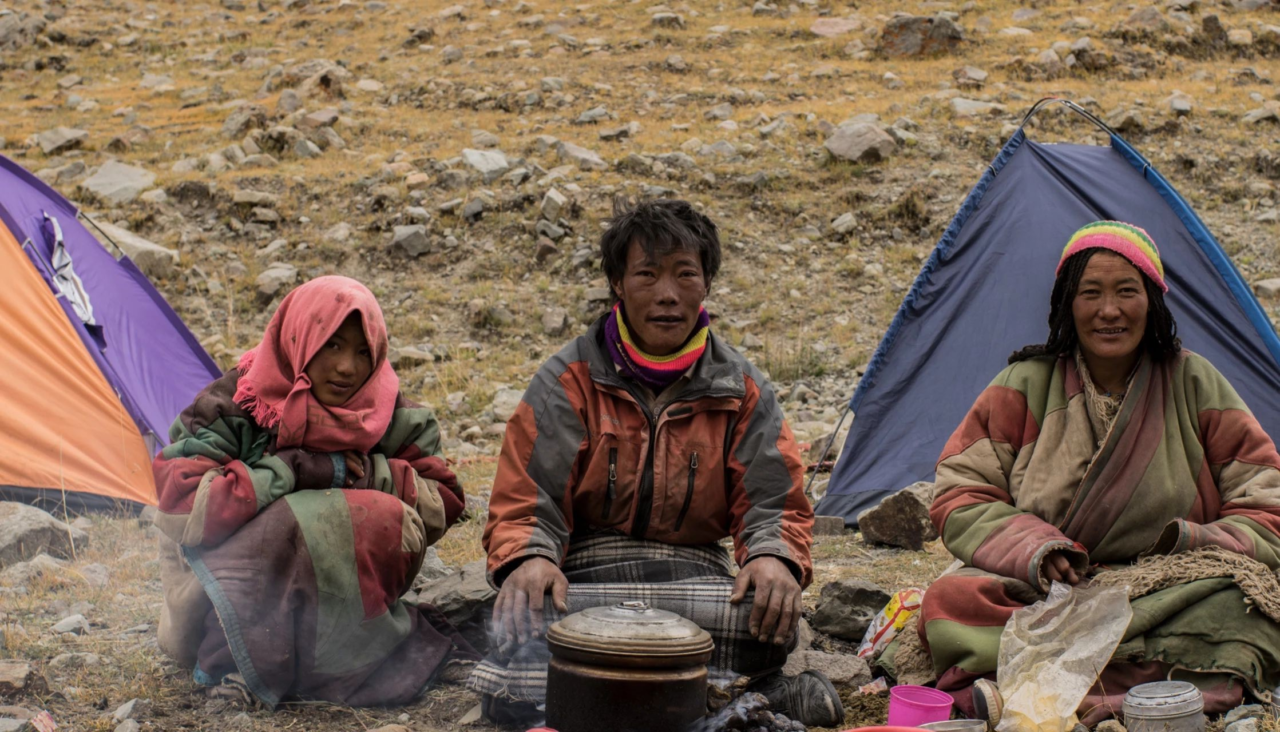
The Kailash Mansarovar region is rich in culture, tradition, and spirituality. On the Nepal side, you will encounter warm hospitality from local communities influenced by Hinduism and Buddhism. In Tibet, the locals are deeply connected to Tibetan Buddhism, and you will see prayer flags, monasteries, and traditional rituals everywhere.
The people living in these regions are humble, friendly, and deeply spiritual. Respecting their traditions, dressing modestly, and greeting them politely will make your journey smoother. Learning a few local phrases or showing interest in their culture creates a meaningful connection with the people who call this sacred land home.
Kailash Mansarovar Yatra On Full Moon 2026 - 16 Days Altitude Chart
Trip Departure Dates
Important Notes & Terms
Fitness Level:
Participants who want to participate in the pilgrimage Kailash Mansarovar Yatra on the full moon of 2026 must be physically fit. This Yatra is physically demanding due to the extreme altitude kora and to pass the challenging mountain pass, Dolma La Pass(5,643 meters).
To have a safe and comfortable journey during the Yatra, pilgrims must be healthy, physically fit, and have strong walking stamina.
Fitness Requirements:
- Excellent Physical Condition: Participants must not have a history of altitude sickness and should be free from chronic illnesses such as heart disease, high blood pressure, severe asthma, or respiratory problems.
- High Altitude Readiness: Kailash Yatra takes you to the higher altitude of Tibet above 5,000m, so your body must adapt to high altitude. You can consult with a doctor and take altitude sickness medicine to prevent altitude sickness.
- Regular Exercise: To stay fit for the Yatra, it is highly recommended for yatris to engage in physical preparation at least 2-3 months in advance. Engage in brisk walking, jogging, yoga, and breathing exercises (pranayama) to build lung capacity.
- Strong Mental Preparation: This Yatra is not only physically challenging but also mentally challenging. A strong mindset is required to complete the parikrama (circumambulation) of Mount Kailash.
- Medical Certificate Requirement: We suggest that all pilgrims obtain a medical fitness certificate from a licensed physician before departure.
Read more: Kailash Mansarovar Yatra Difficulty and Preparation Tips

Altitude Sickness (AMS):
The chances of having altitude sickness remain high when you travel above an altitude of 3,000-3,500 m above sea level. During the Kailash Pilgrimage tour, you will be walking above 3,000m to a maximum of 5,630 m altitude, so the risk of altitude sickness(AMS) is present.
Thinking about the AMS, we have carefully planned the Full Moon 2026 Kailash Mansarovar Yatra itinerary, which includes acclimatization days to help the body gradually adjust to the high elevation. However, participants must be aware of altitude sickness(AMS) symptoms and its preventive measures. AMS can be fatal when neglected, so it must be taken seriously.
The initial symptoms of AMS are:
- Persistent headache
- Dizziness or lightheadedness
- Nausea or mild vomiting
- Fatigue or unusual weakness
- Loss of appetite
- Difficulty sleeping
Prevention & Safety Guidelines:
- Follow the Guide’s Instructions: Listen to your tour guide when travelling in the high altitude areas, especially passing through the Dolma La pass and the Kailash kora. They know how to handle high-altitude situations as they are trained for that.
- Acclimatization: Take proper rest and walk slowly during the kora trek and avoid overexertion.
- Hydration: Drinking enough water helps to keep your body hydrated and helps to avoid altitude sickness. So drink water frequently.
- Avoid Alcohol & Smoking: These habits can trigger altitude sickness, so avoid them during the tour.
- Medication: You can buy altitude sickness medicines( like Diamox) by consulting with a doctor before travelling.
Note: If you find difficulty during the tour, you should immediately inform your Namaste Nepal support team or trekking guide.

Permit & Visa:
To join the Kailash Mansarovar Yatra in Full Moon 2026, all international pilgrims must obtain a Chinese Group Visa along with a Tibet Travel Permit (TTP). Travelling solo is not allowed, and it must be a guided tour with a tour agency like Namaste Nepal.
Required Permits & Visa:
- Chinese Group Visa: Tibet is controlled by the government of China, so you must obtain a Chinese group visa which is different from a regular Chinese visa. This group visa allows you to enter Tibet in a group to Tibet.
- Tibet Travel Permit (TTP): This special entry permit is required to enter Tibet to explore Mount Kailash and Lake Mansarovar.
- Additional Local Permits: If you wish to visit Everest base camp from the Tibet side, you need additional permits like Alien’s Travel Permit (ATP), Restricted Area Permit (RAP), and Military Permit.
Who Arranges the Permits?
Namsate Nepal Trekking will arrange all these permits for our clients once you confirm the booking for the Kailash Mansarovar Yatra – Full Moon 2026 Package.
Important Notes:
- All yatris must provide a valid passport with at least 6 months of validity from the date of travel.
- Visa and permit processing takes time, so early booking is highly recommended.
- Travelers entering Tibet via Nepal will need to submit their original passports in Kathmandu for group visa processing.
- Any denial of a visa/permit is beyond our control.
Get Detail Info: Chinese Group Visa and Tibet Permit
Flexibility:
Due to the high altitude location and sensitive Himalayan region, it is important to understand that the Kailash Mansarovar Yatra on full moon itinerary may be subject to change under these conditions:
- Weather Conditions: Sudden snowfall, heavy rain, or strong winds may cause delays or route changes.
- Political Situations: Local regulations or unexpected restrictions in Tibet may affect travel plans.
- Border Formalities: Changes in immigration or security rules at Nepal–Tibet border crossings may require adjustments.
- Landslides or Roadblocks: Mountain roads can be affected by natural obstacles, requiring alternate routes.
- Other Unforeseen Circumstances: Situations beyond human control may influence the schedule.
Namaste Nepal trekking strictly follows the safety rules for the safety and well-being of the group. If there is a change in the Kailash Mansarovar yatra on the full moon 2026 itinerary in case of unseen circumstances, the tour leader’s decision will be final. Namaste Nepal follows strict safety rules, and any modifications to the itinerary will always be made with the safety, health, and well-being of the group as the top priority.
Pricing & Booking:
Limited Slots: Due to the popularity of the full moon yatra and special horse year 2026, we suggest you book the package at least 6-8 months in advance.
Early Bird Discounts: Namaste Nepal provides you with attractive incentives for those who book in advance( 6 months). According to your group size, we also provide a group discount on packages. If you are a solo traveller, there will be no discount on the package even though you will join other groups. You must have your own group.
Flexible Payment Plans: To make the process easier, Namaste Nepal Trekking offers flexible payment options for the Kailash Mansarovar Yatra on the full moon 2026 package.
Available Payment Methods:
- Bank Transfer: Direct transfer to our Namaste Nepal official company bank account, which you can find on our website.
- Credit/Debit Card: Secure online payments using major international cards.
- Online Payment Gateway: Hassle-free digital payments through trusted platforms.
- Cash Payment (in Nepal): For those arriving in Kathmandu, payments can be made directly at our office before the Yatra.
Payment Structure:
- Booking Deposit: Pilgrims must deposit 25% of the total package cost to secure a seat for the Yatra
- Final Payment: The Remaining payment must be paid before the visa and permit processing begins.
Detailed Terms & Conditions: Once you make an advance payment, there will be no refund of 25% of the total package cost. However, you can use it as a lifetime deposit for future travel here in Nepal.
Frequently Asked Questions
General Overview & Full Moon Theme
What is the Kailash Mansarovar Yatra on Full Moon 2026?
It is a pilgrimage to Mount Kailash and Lake Mansarovar scheduled on the full moon in 2026. Pilgrims consider that the journey is made more spiritual with the help of the full moon night.
Why is the full moon significant during the Kailash Mansarovar Yatra?
Mansarovar Lake is believed to be very holy during the full moon. According to many pilgrims, bathing and praying during the full moon is a blessing and a great spiritual connection.
Which full moon dates fall in 2026 for planning the Yatra?
The key full moon dates of 2026 are May, June, July, August, and September. The same months coincide with the safe travel months in Tibet.
How does full moon timing affect the itinerary of the 2026 yatra?
Itineraries are well mapped in such a way that yatris arrive at Mansarovar Lake during the night of the full moon. This will make sure that pilgrims are able to see the holy reflection of Mount Kailash in the lake.
Can I time my arrival at Mansarovar to coincide with the full moon?
Yes, the majority of travel operators organize special departures to ensure that pilgrims stay at Mansarovar Lake during the full moon night. Early reservation is advised to get a spot.
Is there a special ritual on the full moon night at Mansarovar?
Yes, pilgrims usually do puja, meditation, and take a moonlight dip in the lake. Many also chant prayers and walk along the shore for blessings.
What are the advantages of doing the Yatra on a full moon day?
The full moon sets a spiritual aura on everything, and Kailash Mountain is bright in the sky. It has been said to increase the spiritual gains of the pilgrimage.
Does the full moon affect weather or visibility during the trek?
The entire moon enhances clearer visibility at night, hence the views of the lake and mountain are clearer. It does not have any effect on the weather, but the experience itself is more divine.
Are there extra charges for full-moon yatra packages?
Yes, full moon packages are sometimes more expensive because they are in demand and are limited in the number of people. The price depends on the operator and season.
How do tour operators plan itineraries around the full moon?
Their departure dates are fixed on the full moon night. This takes care of the fact that the yatris arrive at Mansarovar Lake in due time to perform rituals and prayers.
Is it safe for women to travel in Tibet for the Kailash Yatra?
Yes, it is completely safe for travellers to travel in Tibet for the Kailash Mansarovar Yatra. You will be travelling in a group with the team of Namaste Nepal. Your safety will be our top priority, no matter if you are a solo female or part of a large group.
Dates, Scheduling & Booking
When should I book for the Full Moon 2026 Kailash Yatra?
At least 4 to 6 months ahead of time is recommended. Full moon departures are highly attended, and the seats are booked early.
What are the full moon dates in 2026 for Kailash Parikrama?
The main full moon dates during the yatra season are in May, June, July, August, and September 2026. These months also have the most favorable weather.
Can I start the yatra on any day and still reach the full moon?
Not exactly. You need to choose departure dates that are scheduled to reach Mansarovar Lake on the night of the full moon.
Do full moon yatras fill up faster than regular ones?
Yes, full moon departures are the first to get booked because of high demand. Early registration is highly recommended.
Are there midnight rituals on full moon nights?
Yes, many pilgrims perform prayers, meditation, and holy dips at midnight. The rituals are considered more powerful under the full moon.
How long before or after the full moon should the yatra begin?
The yatra usually begins 05–10 days before the full moon. This allows enough time to reach Mansarovar Lake and acclimatize properly.
Do operators offer special full moon departure packages?
Yes, most operators design special full moon departure packages that ensure you reach the lake exactly on the full moon night.
Is there flexibility in departure dates for full moon yatras?
Generally, full moon departures have fixed dates with less flexibility. However, some operators may adjust for private groups.
Can the full moon date change regionally depending on the time zone?
Yes, the exact full moon timing may differ slightly depending on local time zones. Operators adjust itineraries to match the Tibetan calendar.
When will operators announce full-moon yatra details for 2026?
Most operators announce their full moon departure dates by late 2025 or early 2026. Booking usually opens soon after.
Routes & Entry
Which routes are available for the Full Moon 2026 Yatra?
The main routes are Kathmandu to Kerung, a direct flight to Lhasa from Kathmandu airport, and through the Hilsa border via helicopter flight. Each route varies in travel time, cost, and comfort.
Are there new routes introduced for full-moon yatras?
Currently, there are no new routes, but the infrastructure on the existing routes is being upgraded for better comfort to the travellers.
Does full moon timing affect border permit processing?
No, the full moon timing will not affect the border permit processing; it will remain the same throughout the season.
How does route choice impact arrival timing at Kailash Lake?
Each route has its own features and experience, but it will not impact the arrival timing at Kailash Lake, no matter which route you choose to travel.
Do specific routes have better infrastructure for full-moon yatra?
The Nepal to Lhasa flight route is considered the best route for the Kailash Mansarovar Yatra due to better hotels, good roads, and medical support. In this route, you will also get the opportunity to enjoy the panoramic views of the Himalayas during the flight.
Permits, Visa & Documents
What permits are needed for the Full Moon 2026 Yatra?
Travellers need to get the Chinese group visa, Tibet travel permit, and other essential permits depending on the route they choose to travel.
Do full-moon yatris require special permits?
No extra permit is required for the full moon yatris.
Can full-moon demand delay passport/visa processing?
There will be no delay for the passport/visa processing, but you should understand that obtaining the Chinese visa and permit takes time. So you must process at least 1-2 weeks in advance for a smooth travel.
Is group visa timing impacted by the full-moon schedule?
Yes, group visas are issued for fixed dates, and they must match the full moon departure schedule. Missing the group visa timeline can delay your journey.
Are there a restricted number of yatris allowed on full-moon days?
There are no limits on the number of travellers, but to avoid the crowd, permit distribution can be controlled. So this is why early registration is important.
What documents are needed to align with the full moon itinerary?
You will need a valid passport, recent passport-sized photos, and completed visa forms. A medical fitness certificate is also required. Some operators may request ID copies and emergency details for processing.
Do medical certificates need special timing for the full-moon yatra?
It is highly recommended to have a medical certification if you want to book the package.
Can permit rejection affect full-moon planning?
Yes, if your permit is rejected, you cannot join the group. You need to apply again for the permit process, and you may miss the full moon planning. But you can plan for the next full moon date. To avoid rejection, make sure to submit all the legal documents in time.
Health, Fitness & Altitude
Is the full-moon Yatra more physically demanding?
A full moon yatra is similar to a regular yatra. This Yatra demands a good level of physical fitness from the travellers, including good mental health. The most challenging part of this trip is completing the Kailash kora, where you need to walk for 5-7 hours a day at high altitude.
How should I prepare medically for a full-moon trek?
Travellers can do full medical check-ups, including heart, lung, and blood pressure tests. Carry prescribed medicines and consult your doctor about high-altitude travel.
Are there extra rest days added for full-moon yatris?
The itinerary will be fixed, which will be provided to you. If you are in a group or want to have a private trip, then you can make an itinerary as per your interests. Once you make a booking and process the permit, there will be no change in the itinerary.
Is there a chance of having altitude sickness?
Altitude sickness happens when there is a low level of oxygen at high altitude, and your body can’t adapt to a high altitude environment. In this trip, you will be walking above 5,000 m, so there is a chance of having altitude sickness. With a proper acclimatisation plan and preventive measures, we can reduce or prevent altitude sickness.
What medical facilities are available during the full-moon Yatra?
Our trekking guide will carry a basic first aid kit. In case of an emergency situation, for treatment, you will be transferred to the nearest hospital by either jeep or helicopter. We suggest you have health insurance and travel insurance so that they can cover the cost.
Are oxygen/Gamow bags more accessible for full-moon groups?
Oxygen is generally not needed for this trip; however, if you want to have it, you can purchase a portable oxygen bottle if you want.
What kind of fitness level is required for this Yatra?
Travellers must be ready for the long-hour drive journey and physically fit for the Kailash kora. During the kora, you need to be able to walk for 5-7 hours in high altitude rough terrain where facilities are limited.
Can we do Kailash Parikrama at night?
Not doing the Kailash Parikrama at night is not allowed due to high risk.
Accommodation & Facilities
Are full-moon yatris given priority accommodation?
It is expected that there will be a huge number of travellers in the year 2026 due to the horse year. So, for better accommodation, it is advisable to book the trip in advance.
Do guesthouses offer rooftop viewing for full-moon nights?
If there is a rooftop in the guest house, then travellers can enjoy the full moon nights from there.
Are there special camps set up for full-moon yatris?
We don’t use the camps during the trip. We offer only hotel/lodge facilities for our travellers. Also, camping on the shore of Lake Mansarovar is not allowed.
Do sleeping arrangements change on a full moon day?
Sleeping arrangements will remain the same as on a normal day. You will spend the night in a comfortable hotel/lodge.
Is camping around Mansarovar easier during a full moon?
Camping is not allowed around Mansarovar Lake also due to a lack of facilities like toilets, drinking water, shops, and all the travellers stay in the hotel.
Do guesthouses near Mansarovar increase prices on the full moon?
In the peak season and around the full moon during Kailash Yatra, the prices of guest houses are higher than the normal days.
Is camping allowed on the beach/front side of Mansarovar on the full moon?
Mansarovar Lake is considered a holy lake, so due to its sacred value, camping is not allowed on the beach/front.
Food, Meals & Rituals
What type of meal is arranged on the Kailash Mansarovar Yatra on the full moon?
If you are in a small group, then we will arrange your meal in the local restaurant. You can choose the food items from the available menu as per your interest. If you are in a large group, then we will arrange food on accommodation with the help of our own cook. Our cook will provide three meals, which will be veg items like Nepali-style Dal bhat, seasonal vegetables, chapati, noodles, soups, and light options like veg burgers or fried rice.
What time is dinner served?
Dinner will be provided around 6-8 pm.
Are pujari/ guru available for full-moon rituals?
We can arrange the pujari/guru for you to perform the rituals during the Kailash Mansarovar Yatra, but you need to pay an extra cost for that.
Is vegetarian food available on the Kailash Mansarovar Yatra on a full-moon package?
Yes, we will arrange veg items for this spiritual journey. If you are eating in a local restaurant and are confused about veg or non-veg times, then you can ask the Tibet guide to confirm before eating.
Is bathing allowed at Mansarovar Lake?
Yes, travelers can take baths on the shore of Mansarovar Lake. Swimming or bathing directly inside the lake is not allowed. You can collect the water from the lake in a bucket and use it for taking a bath.
Weather & Climate
How cold is Lake Mansarovar?
Although the water temperature at Lake Mansarovar fluctuates annually, it often remains cold with summer temperatures hovering between 8 and 12°C (46 and 54°F) and winter temperatures falling well below freezing.
What is the temperature around Mount Kailash?
The temperature around Mount Kailash depends on the season. During the peak season( May–September) daytime temperatures remain around 5°C to 15°C, while nights can drop to -5°C or lower. In winter, the temperature drops below -10°C.
Can we do the full moon Yatra in the monsoon season?
In Tibet and around Mount Kailash, due to dry weather conditions, there is less chance of rainfall, so it is definitely possible to do the Yatra in the monsoon season.
Which month is best to do the Kailash Mansarovar Yatra on the full moon?
May to September is the best time for the Kailash Mansarovar Yatra, but among these months, June, July, and August full moons are the most popular for rituals and clear night views over Mansarovar. The September full moon is also a great choice for those who prefer fewer crowds and a quieter spiritual atmosphere.
Accessibility & Arrangements
Who will come to receive me at the airport?
A Namaste Nepal representative will be there at the airport to receive and welcome you for the Yatra.
What type of vehicle will be provided during the Kailash Manasarovar tour?
Normally, we will arrange your coaster for the Kailash Mansarovar Yatra. If you are in a large group, then we will arrange a tourist bus.
What is the road condition from Kathmandu to Kerung?
Kathmandu to Syabrubesi road condition is mostly smooth, but after Syabrubesi to Rasuwagadhi border, the road condition has been partially damaged and is under repair.
Cost, Subsidy & Budget
Do full-moon packages cost more than regular ones?
Many tour operators charge higher prices for full moon trips, but our package price will remain the same as regular ones. Travellers don’t need to pay any extra if they are booking a trip during the full moon.
Can I get a refund if I cancel the full moon yatra?
There will be no refund of the advance payment(25%) as it will be used for booking, reservation, or permit arrangement. If you have paid the full amount while booking, then Namaste Nepal will refund by deducting 25% of the total package cost.
Can solo Yatris join the group on a full moon package and save the cost?
Namaste Nepal offers a group discount if you are in a group. The more you are in a group, the more you can get a discount on a package. If you are a solo person and you joined the group, you need to pay the solo price as mentioned in the package. You need to have your own group to get the discount.
Are there early bird discounts for the full moon of 2026?
Namaste Nepal trekking will provide you with a special discount if you book the package 6 months in advance.
How much extra money should I carry for the trip?
You don’t need to carry much, as most of the things will be arranged by Namaste Nepal trekking. For personal use, such as hiring horses, ponies, snacks, tips, or buying souvenirs during the trip, we suggest you carry around 1000 USD in cash.
How much does it cost to buy a sim card in Nepal?
For the sim card it will cost you around 1 dollar and for the data package it will cost you extra.
How much should I budget for the Kailash Mansarovar Yatra on full moon 2026?
For a full-moon yatra package with Namaste Nepal, you should budget around USD 2,645 if traveling solo. If you are joining a group, the cost is approximately USD 2,200 per person, which includes accommodation, meals, transportation, and guidance throughout the journey.
How much does it cost to hire a horse in Tibet?
To hire the horse for the Kailash Kora it will cost you around 3000–5000 RMB (USD 400–680) per person for a three-day journey.
How much does it cost to rent gear in Nepal?
Travellers can rent gear at a budget price here in Thamel rental shop. It will cost you around $1–$2 per day.
How much food costs in Kathmandu?
Food costs during the Kailash Mansarovar Yatra depend on your budget. You can enjoy budget-friendly meals at local restaurants for around 500 NPR per meal. If you prefer a more comfortable or fancy dining option, meals can cost 1,000–2,000 NPR, and a full three-course meal at a 5 star hotel may range from 5,000 to 10,000 NPR.
How much does it cost for an Indian traveller to do the Kailash Mansarovar Yatra on full moon 2026?
For Indian citizens, if you want to join the Kailash Mansarovar Yatra on full moon 2026 then it will cost you around 2 lakh per person.
Related Blogs & Articles
Kailash Mansarovar Yatra in the Horse Year 2026

Kailash Mansoraver Yatra Fixed Departure Date for 2026
Hiring Horse or Personal Porter for Kailash Kora (Parikrama)

Altitude Sickness During Kailash Mansarovar Yatra: Know Everything
- 1 - 4 personUS$ 2645
- 5 - 8 personUS$ 2578
- 9 - 12 personUS$ 2385
- 13 - 16 personUS$ 2295
- 17 over 9999 US$ 2199
- Your safety, our no 1 priority
- Best price guarantee
- Experienced & dedicated team
- Easy booking, no hidden charge
- You can customize this trip
US$ 2645
Client Reviews


Related Trips

Kailash Manasarovar Yatra with Everest Base Camp and Lhasa
 19 Days Trip
 Moderate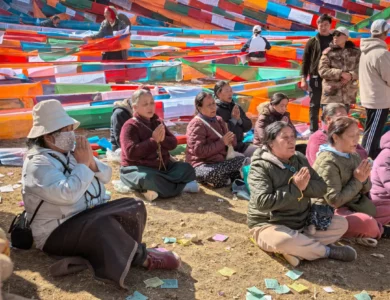
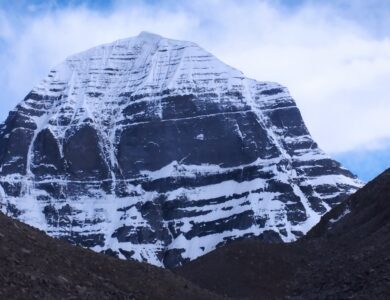
Kailash Mansarovar Yatra From Nepal | Registration Open 2026
16 Days Trip Moderate