English
 Dutch
Dutch Japanese
 Hindi
Hindi Italian
 Spanish
 French
 German
 Chinese
 Korean
 Arabic
 Hebrew
 Russian
 Portuguese
 Danish
 Czech
Czech Polish
 Swedish




 Share
ShareKailash Mansarovar Yatra From Nepal | Registration Open 2026 - 16 Days

16 Days

Moderate

Dolma La Pass 5,630 meters (18,471 feet)

1-20 People

Kathmandu / Kathmandu

April to October

- 15 Breakfast
- 11 Lunch
- 11 Dinner

- 4-Star Hotel in Kathmandu
- 3-Star Hotel in Tibet
- Best Available Guest Houses in Syabrubesi, Diraphuk & Zuthulphuk

- Private Tourist Vehicle in Nepal
- Personalized Transportation Services Tailored to Group Size
- 1 - 4 personUS$ 2645
- 5 - 8 personUS$ 2578
- 9 - 12 personUS$ 2385
- 13 - 16 personUS$ 2295
- 17 over 9999 US$ 2200
- Your safety, our no 1 priority
- Best price guarantee
- Experienced & dedicated team
- Easy booking, no hidden charge
- You can customize this trip
US$ 2645


Highlights of Kailash Mansarovar Yatra
- Darshana of Kailash’s northern and western faces, as well as a brief glimpse of the southern face, are seen from the shore of the holiest Lake Mansarovar.
- Visit the spiritual significance of the holy Lake Mansarovar and perform Pooja and havan on the shores of Lake Mansarovar, the holiest lake.
- A view of the Kangkyam glacier and Shishapangma, two prominent features of the Tibetan Himalayan chain
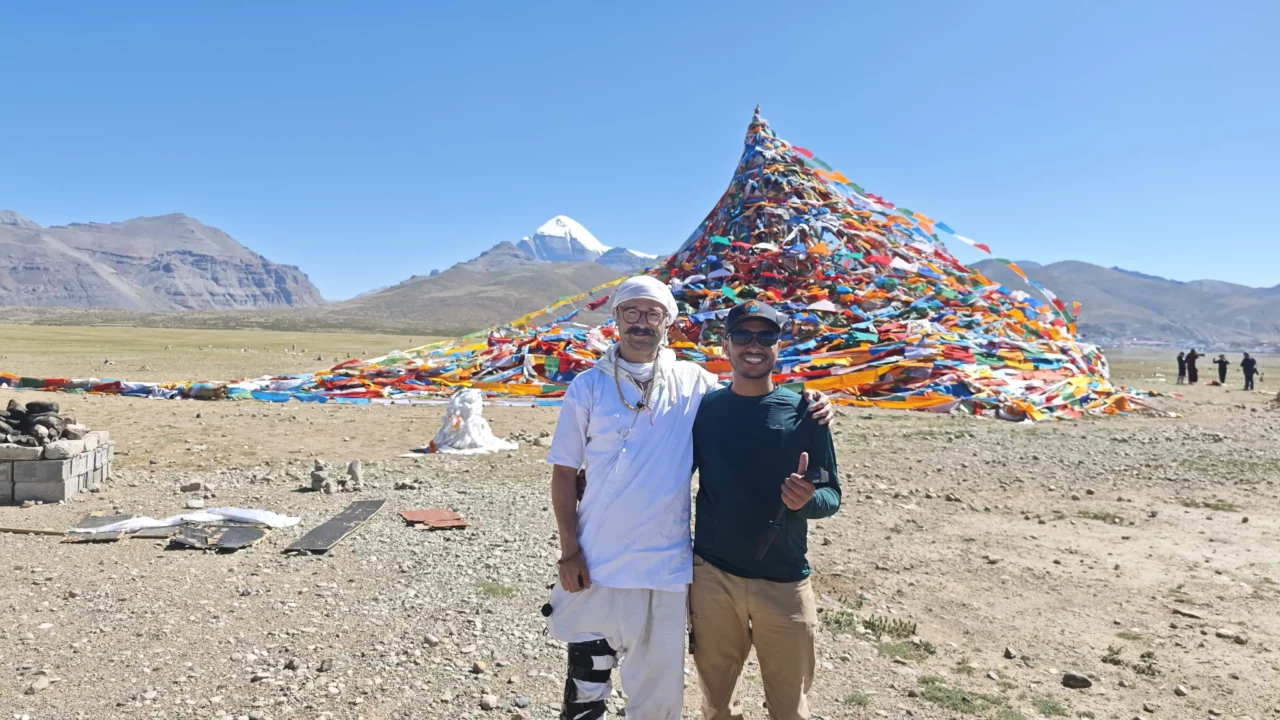
- Witness thousands of pilgrims making the Kailash kora (circumambulation) around Mt. Kailash.
- Marvel at the Egyptian pyramid-like shape of Mount Kailash, standing alone in the flat landscape of Tibet.
- Experience both driving and trekking along the Kora route, which is situated above 5,000 meters.
- Feel the thrill of crossing Dolma La Pass, which reaches an elevation of 5,630 meters.
- Immerse yourself in the lifestyle and culture of Tibet.
- The chance to explore the historic Tibetan monasteries and the great yogis’ caves.
- See a variety of Tibet’s wildlife while traveling.
- Explore Kathmandu’s most stunning and fabled location.
Trip Overview
The Kailash Mansarovar Yatra is a pilgrimage and road trip which is located in the Tibet autonomous region of China. This Kailash Mansarovar Yatra is famous globally as it holds significant importance to people of different religions like Hinduism, Buddhism, Jainism, and Bon religion.
Our Kailash Mansarovar Yatra begins from Kathmandu by moving towards Syabrubesi through a beautiful road journey. Leaving the city by riding the private jeep from your hotel, you will reach Syabrubesi. Along the way, you will be treated to a magnificent view of the mountain range from a distance.
It is also noteworthy that the village of Syabrubesi is considered the starting point for most treks in the Langtang Region, like the Langtang Valley Trek and the Gosaikunda Trek. There are many hotels, shops, and cafes in Syabrubesi, a nice place to take a rest before proceeding to Kerung, the Tibet border.
As soon as you cross the border into Tibet, you will be in the Ngari area, which is home to extraordinary sites such as Lake Manasarovar and the legendary Mount Kailash. This place carries great religious value, and you will also be visiting other towns like Kerung Town, Saga, and Paryang, towards the starting point of the Kora around Mount Kailash.
After taking a dip in the holy water of Mansarovar Lake, we will proceed towards Darchen. From there, you will be able to drive through several towns before you get to Yamadwar, which is the starting point of the Kora.

The Kora is also known as the “Circumambulation” or “Revolution” or “Parikrama.” The Trek involves crossing the Dolma La pass, which is located at an altitude of 5,630 meters (18,471 feet), which is the most challenging part of this Kailash Tour. When the part of the Parikrama is over, you will go back to Darchen for the final portion of the journey. After that, you will backtrack from your Tibet journey since you will be taking a route back to Kathmandu following the same route you used.
To have religious purification, cure, spirituality, blessing, forgiveness, self-realization, sheer spiritual tourism, thrill, and archaeology. Every year, thousands of visitors come to this place from different parts of the world. Visiting this destination provides something that is only in a lifetime trip that you will not find in any other place.
Kailash Mansarovar Yatra 2026: Why This Year is Extra Special
The Kailash Mansarovar Yatra in the year 2026 is the perfect year to go. Why? Because it’s the Tibetan Year of the Horse, which comes only once every 12 years.
This year is very special in Tibetan culture. The Horse Year 2026 stands for strength, courage, and spiritual growth. Many people believe that during this time, around Mount Kailash, it becomes even more powerful and full of spiritual energy.
During the Horse Year, the spiritual power of Mount Kailash is believed to be at its highest. It is said that one Kora (circumambulation) around Mount Kailash in 2026 is equal to doing it 12 times Kora (circumambulation in any other year. That means more blessings, more purification, and a deeper connection with the divine — all in a single journey.
If you’re thinking about doing the Kailash Yatra, 2026 is the best year to go. The next Horse Year won’t come again until 2038. Don’t miss this once-in-a-lifetime chance to experience the spiritual journey when the energy is at its strongest. Book your 2026 Kailash Mansarovar Yatra now and be part of something truly powerful.
Make Namaste Nepal Trekking and Research Hub your tour partner for the Kailash Mansarovar Yatra in 2026. Enjoy exclusive cost discounts and get unlimited adventure and enjoyment. We ensure that you will get a lifetime experience on this Kailash Tour that will remain in your memories forever. Your safety and security are our top priority, so book with us and let us handle everything for you.
Major Attractions of Kailash Mansarovar Yatra
Mount Kailash Mansarovar Yatra is a special spiritual journey that attracts thousands of visitors from around the globe annually. Located in a remote part of Tibet, this palace is considered for multiple religions like Hinduism, Buddhism, Jainism, and Bon.
Let’s see the major attractions you can witness during this spiritual Yatra.
Mount Kailash: The Sacred Summit

At the heart of the Yatra, you can witness the awe-inspiring Mount Kailash, which is famed worldwide as the “World’s Most Sacred Mountain.” This sacred Mountain has a unique pyramid shape with a height of 6,638m.
Hindu people believe that it is the home of Lord Shiva. Buddhists believe it is the earthly form of the Buddha Demchok. Many pilgrims believe that those who come to visit here will get profound blessings.
Mansarovar Lake: The Divine Waters

Next to Mount Kailash, you can witness the holy lake, Mansarovar Lake. This freshwater lake is famous for its purity and spiritual power. Pilgrims believe that those who take a dip in the holy water will wash away their bad energy and bring inner peace.
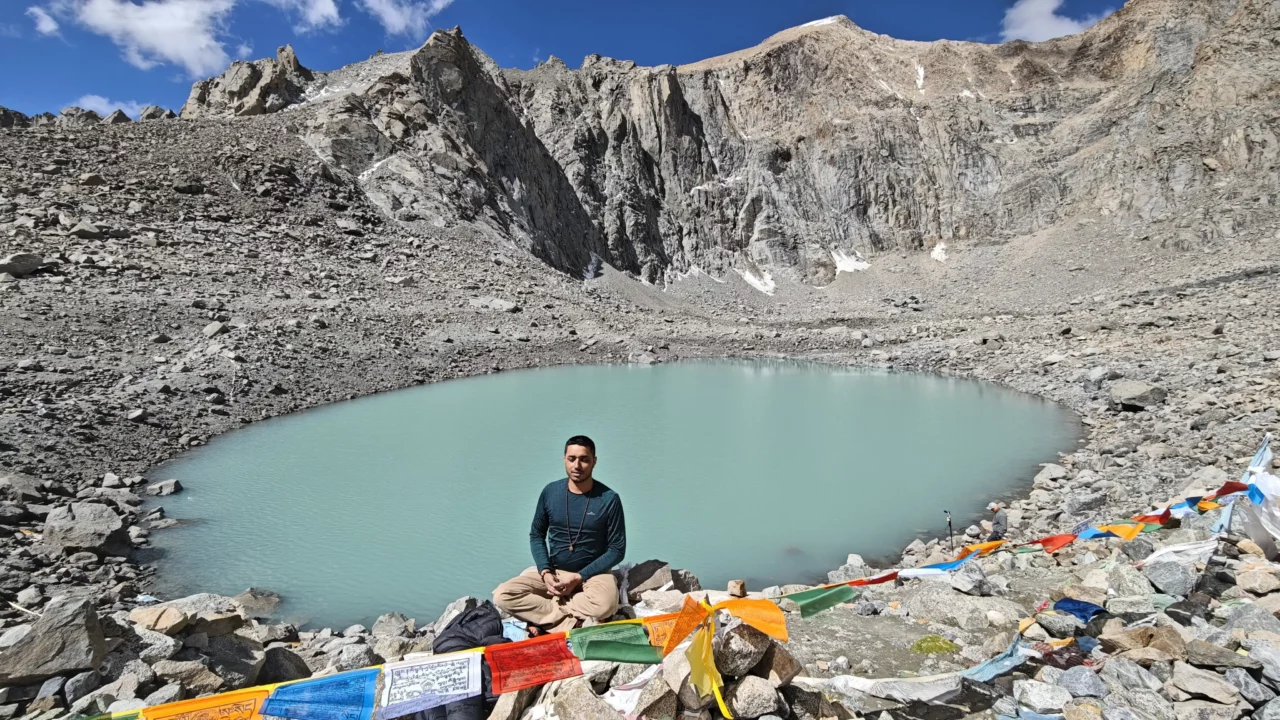
Surrounded by the beautiful snow-capped mountains, this lake is the best place to do yoga, meditation as well. For Hindus, this is the best place to perform a holy Puja Ceremony. The calm lake and spiritual energy will help you to have a deeper connection.
The Mount Kailash Parikrama / Circumambulation / Mount Kailash Kora

During this Kora, you will walk for 52 km around the Holy Mount Kailash. It is not only physically challenging, but it also represents a spiritual journey towards enlightenment and freedom.
It is believed that for those who finish this Kora, their wish will be fulfilled, and it also purifies the soul. This Yatra is full of challenges and adventure, with opportunities to get close to nature and enjoy its beauty.
Scenic Beauty and Unique Geography

This Kailash Mansarovar Yatra is filled with lots of stunning landscapes, including rugged mountains, lush valleys, and peaceful lakes. On the way to the Himalayas, visitors can spot rare plants and animals. When you move from Nepal to Tibet, the greenery landscape will turn into a desert, and near the Mountain, it is filled with snow. So you can find the diverse beautiful landscape on this tour.
Cultural Diversity and Spiritual Harmony

For this spiritual Kailash Mansarovar Yatra, people with different religions and backgrounds come to this palace. Visitors will get the chance to make new friends, share and hear stories, learn about culture and traditions.
Mutual respect and faith in everyone helps you to connect and unite with each other. You will learn that no matter where you come from, what religion or culture you follow, or what traditions you have, the Yatra is for everyone, and it has something that connects everyone here.
Why You Should Go on the Kailash Mansarovar Yatra?
Kailash Mansarovar Yatra is one of the number one holy pilgrimage sites in Tibet that holds significant importance for Hindus, Buddhists, Jains, and even Bonpo believers. Through ancient times, every year, thousands of pilgrims join this adventure and spiritual journey to get blessings from Lord Shiva. It is also believed that visiting this place helps to purify our soul and lead us to spiritual enlightenment. Read more: Spiritual Facts about Mt. Kailash
Let’s see the top reasons why you should go to Kailash Mansarovar Yatra:
Spiritual Importance:
Hindus, Buddhists, Jains, and Bonpo all have their own belief on this holy place. You can find pilgrims of different religions worshiping in their ways, which highlights the spiritual significance of this site.
Cultural Exchange:
People from India, China, and Nepal, including different countries, come to visit this holy place. Each country has its own unique culture and traditions, which provide opportunities to learn about each other’s customs and practices.
Natural Beauty and Stunning Landscapes:
The Kailash Mansarovar Yatra route takes you from city life to lush hills and green forests to the foothills of Mt. Kailash. During the journey, you can witness stunning views of several mountain peaks, rivers, lakes, and glaciers.
Journey of Self-Discovery:
The journey of the mount Kailash is more than just an adventure. This holy and peaceful place takes away from city life into a ruler mountain region and shows you the true beauty of nature. It helps you find inner peace and adds new meaning to life.

Historical and Mythological Importance:
Visitors can hear different stories from historians about the area. It was once renowned for its art and architecture and served as an important center for Tibetan Buddhism.
Thrills and Adventure:
This pace is a must-visit for the adrenaline and adventure seekers, as this place takes you to an altitude of 5630 meters at Drolma La. While crossing this highest mountain pass of Kailash tour you will feel a sense of accomplishment and pride.

Kailash Mansarovar Yatra on Full Moon Nights
Many travelers tour to Mount Kailash and Lake Mansarovar not only for the spiritual journey but also because it has been a part of ancient tradition and culture. Even though pilgrims can join this Yatra anytime throughout the year, heading on the date of the full moon, also known as Purnima, is something special.
During the full moon or Poornima, Hindu people believe that there will be a peak of enlightenment, purity, and spiritual awakening. Divine energies are believed to be more intense, and it is the best time for making rituals and spiritual practices. Therefore, many travelers choose to undertake the Yatra during this celestial event.

Spiritual Practices During Full Moon
Pilgrims who undertake the Kailash Mansarovar Yatra during the full moon will get opportunities to engage in special spiritual practices. During this time, you can witness pilgrims engaging in activities like meditating on the lakeside, performing Ganga Jal(holy water) rituals, singing bhajans (devotional songs), and circumambulating Mount Kailash.
Kailash Mansarovar Yatra in Full Moon Nights Fixed Departure Dates for 2026
| Arrival in Nepal | Departure to Tibet | Full Moon Date & Time at Lake Manasarovar | Note |
| 21 April 2026 | 27 April 2026 | 1 May 2026 — 11:23 AM | First Full Moon of May |
| 21 May 2026 | 27 May 2026 | 31 May 2026 — 9:45 PM | Blue Moon / Second Full Moon of May |
| 21 June 2026 | 25 June 2026 | 29 June 2026 — 1:55 PM | Astronomical Full Moon |
| 20 July 2026 | 25 July 2026 | 29 July 2026 — 3:11 AM | Guru Purnima / Full Moon |
| 17 August 2026 | 23 August 2026 | 27 August 2026 — 5:06 PM | Janai Purnima / Full Moon |
| 15 September 2026 | 20 September 2026 | 25 September 2026 — 2:49 AM | Full Moon |
What to Expect on Each Day During Kailash Kora/Trek
Your trekking journey starts after having a delicious breakfast in your Hotel at Darchen. You will drive to the place called Yamadwar and Kailash Kora Starts. Get ready with your team, and with the assistance of our trekking guide, you will start to leave for trekking early in the morning. The length and duration of each day will be provided in the trekking itinerary.
On average, you will trek for around 6-7 hours. During the trekking journey, you will start to gain elevation and walk in different terrain. During the trek, you will take a break several times to rest, hydrate, and enjoy the breathtaking views around you. These rest stops are essential for lunch, restroom, and preparing for the next segment of your journey.

Trekking Routes: Inner Kora/ Outer Kora/ Kailash Charan Sparsh
Let’s first understand what is meant by the Kora. The word “Kora” refers to the act of circumambulating a religiously significant site. In simple terms, it means circling an object of spiritual importance.
This sacred journey is believed to bring blessings, spiritual purification, and a deeper connection to one’s faith. As you undertake the Kora, you participate in an ancient tradition that allows for reflection and reverence in this spiritually rich landscape.
There are different routes for the Kailash Mansarovar Yatra and different itineraries you can choose while visiting Kailash Mansarovar. On this Kailash Mansarovar Yatra, we will follow the Kailash Inner Kora route since Inner Kora is now banned for foreign trekkers. You can also add the Kailash Charan Sparsh to your Kailash Yatra if you wish.

Difficulties of Kailash Manasarovar Yatra
Located in the Tibet region, this tour takes more than 10 to 15 days to complete. Even though this Kailash Mansarovar Yatra Tour is challenging, the various routes and transportation options help to make the journey easier for visitors.
Before we begin to learn how to prepare for the Kailash Mansarovar Yatra, it is important for us to know what its difficulties are. So, after knowing the difficulties, we can prepare accordingly for this tour. Here are the common difficulties that you need to face during the Kailash Mansarovar Yatra:
Long Duration:
The average duration to complete the Kailash Mansarovar Yatra is 10-15 days. Spending around 2 weeks in the remote part of the Tibet region may be challenging for those who don’t have experience in similar environments.
To make your Kailash Mansarovar Yatra Itinerary shorter and more comfortable with the luxury of a helicopter option. Check out this exclusive package: Kailash Mansarovar Tour from Hilsa by Helicopter
Mountain Pass:
During the Kora, visitors need to pass through the challenging mountain pass, Dolma La Pass, which is located at an altitude of 5,630 meters. Due to the extreme altitude, walking for long hours in steep conditions can be difficult for those who lack experience in high-altitude trekking.
Altitude Sickness:
Visitors should understand that while walking at an altitude of above 3,000 m, the chance of altitude sickness remains high. So, on this tour, we will walk above the altitude of 5,000 to cross the mountain pass during the Kora. Therefore, we are likely to have altitude sickness, and we should be aware of altitude sickness and its preventive measures.
Rugged Terrain: The Physical and Mental Demands
Walking through the rugged terrain, which includes rocky paths and steep climbs and descents, demands a high level of physical fitness. However, being physically fit alone is not sufficient. Visitors must also have a positive mindset and mental resolve to overcome the challenges that may arise during the tour. This journey tests both the mental and emotional strength of visitors.

Unpredictable Weather:
Although the chances of rainfall are minimal in this Tibet region, the weather conditions at the high altitude are unpredictable. Due to unpredictable weather conditions, the fluctuation in the temperature and unexpected snowfall might add difficulty during the tour.
Logistical Challenges:
Due to the remote location and strict Chinese government regulations, visitors should prepare well in advance to secure permits, obtain visas, arrange accommodation, and organize travel. Choose a reputable trekking agency for the Kailash Mansarovar Yatra and ensure you have extra days in case of potential delays and unforeseen circumstances.
Limited Choice of Food & Basic Accommodation Options:
Visitors can enjoy a wide variety of food and accommodation in the city area. However, options become limited when reaching near Mt. Kailash for the Kora. Visitors will need to adjust to living in shared rooms with twin beds and shared bathrooms in Mansoraver Lake, Diraphuk, and Zuthulphuk.
Psychological Obstacles Along the Way:
Leaving home and staying in different countries can be challenging for travelers who don’t have previous experience. You might feel lonely even if you are not traveling solo. Additionally, there can be obstacles due to unforeseen circumstances, such as unpredictable, harsh weather conditions, physical exertion, long drives, and minimal facilities. Traveling in a group with individuals who have different personalities and behaviors can also make adjustment difficult.

How to Prepare for the Kailash Manasarovar Yatra/Tour
To make the Kailash tour safe, convenient, and manageable, visitors must prepare well in advance. As per our experience, we are here to provide you with the knowledge and some important tips that you can learn to prepare while undertaking the Kailash Manasarovar Yatra.
Make your Documents, Passport, and Visa Ready:
To enter Tibet for the Kailash Mansarovar Yatra, you need to apply for the visa and permit. To get the visa and permit you need to have a valid passport and other required documents like travel insurance and a health certificate. Make sure all your documents are up to date and ready before starting the visa and permit process. This will help avoid any delays and ensure a smooth journey.
Get Travel Insurance (Highly Recommended):
Namaste Nepal Trekking highly recommends that you obtain travel insurance for your visit to Nepal and during the Kailash Mansarovar Yatra. Emergencies can happen, so having insurance will help protect you financially and provide immediate support in case of any incidents. When purchasing travel insurance, be sure to read the policy carefully and ensure that it covers all necessary aspects of the tour.
Here are a few things that your travel insurance should cover for the Kailash Mansarovar Yatra;
- Emergency medical assistance
- Emergency Evacuation
- Potential Flight Delay
- Loss and Theft of Language and Precious Items
- Trip Cancellation or Interruption
- Personal Liability
- Pre-existing Medical Conditions
- Travel Delays
- 24/7 Assistance Services

Choose The Best Time For Kailash Mansarovar Yatra
The best time to experience the Kailash Mansarovar Yatra is from May to October. During this period, trekkers can more easily navigate the high altitude of the Kora compared to other months.
The moderate temperatures and long daylight hours enhance the experience, allowing you to enjoy breathtaking views of the beautiful landscape and mountains without obstruction. The temperature in the mountain region remains cold most of the time, and during winter, it can drop below freezing, adding to the difficulty.
Therefore, visitors should always choose the best time for the Kailash Mansarovar Yatra to ensure a great experience, enjoyment, and a comfortable journey. Even though you are traveling during the best time, visitors must prepare for unexpected sudden weather changes. For your safety, always plan your tour by checking the weather forecast.
Invest In High-Quality Clothing and Gear Items:
As we already know, the weather conditions at high altitudes are unpredictable, so we suggest you purchase high-quality trekking shoes, thermal clothing, quality backpacks, and warm accessories like gloves, hats, and scarves. Also, make sure to carry rainproof items, trekking Poles, and other miscellaneous items like sunscreen, sunglasses, first aid, etc.
Training for Physical Fitness
Multi-day trekking at high altitude during the Kailash Mansarovar tour is no joke, so you must build strong physical fitness before undertaking it. Here are some of the tips you can do 1-2 months in advance to build physical fitness;
Develop Your Endurance:
To develop endurance, we suggest that you to involved in cardiovascular activities like running, cycling, or swimming every day for at least 1 hour. You can also join the gym or do yoga, and make sure to train only with a professional coach to avoid any injuries. More importantly, make sure to increase your leg strength.
Get into the Hiking Habit:
Hiking at a high altitude before the Kailash Mansarovar Yatra helps your body adjust to the elevation, lowering the risk of altitude sickness. It also builds your stamina, improving your fitness and making the trek easier. Regular hikes strengthen important muscles in your legs and core, which are essential for walking on rough terrain.
Learn Acclimatization:
Acclimation plays a vital role in adjusting the high altitudes and oxygen level. It helps to prevent several health issues, including altitude sickness, that may arise while walking at a high elevation during the Kora.
Pay Attention to Your Body:
During the training or preparation for the Kailash Mansarovar Yatra don’t push hard so much that it can lead to injuries and fatigue, which may hinder your experience during the Yatra. Take plenty of time to rest and recover, and make sure to train only with the help of a professional coach.
Prepare Mentally:
Not only physical fitness but also it is important to have mental resilience for the Kailash Mansarovar Yatra. Let’s see how you can improve the mental fitness for the Yatra;
- Have Reasonable Expectations: Recognize that there will be mental and physical difficulties.
- Remember Your Purpose: To stay motivated, go back to your spiritual goals.
- Exercise Mindfulness: To reduce stress, incorporate deep breathing and meditation.
- Lean In: Express your emotions to other travelers to build a sense of unity.
- Log Your Trip: Compose a journal entry to consider and work through difficulties.
- Appreciate Peace: Use quiet time for self-reflection and inner connection.
- Carry Home Reminders: Bring sentimental belongings to bring comfort and happiness. Pack reminders of home.
- Develop an optimistic Attitude: To overcome challenges, keep an optimistic perspective.
- Reach Out for Support: Seek help from group leaders or fellow pilgrims if needed.
Become a Partner with a Reputable Tour Operator
For the Kailash Mansarovar Tour, you will need the assistance of a tour operator to ensure a successful and comfortable journey. Your tour operator will handle all the necessary permits, Tibet visas, guides, porters, transportation, and other logistics, including securing food and accommodation. This allows you to focus on your spiritual trekking while enjoying a hassle-free experience.
Worth reading: Step By Step Guide For Kailash Mansarovar Tour/Yatra

Professional Advice for a Stress-Free Journey on the Kailash Mansarovar Yatra
Advance Booking:
Securing a seat for the Kailash Mansarovar Yatra in advance helps to avoid last-minute hassles, especially during the peak season. We suggest you book the Kailash Mansarovar Yatra Tour Package in advance for at least 2-3 months.
Stay updated about the situation:
The rules and regulations for the visit to Tibet and the journey to Kailash Mansarovar can be changed. So, make sure to keep yourself updated about the latest travel advisories with the travel operator, or you can even contact us to know any details.
Research about Yatra:
Research various aspects of the Yatra, such as the facilities and amenities during your stay in guesthouses, the types of food available, and the trekking route and conditions. You can find valuable information on social media and YouTube from those who have already completed the tour. Learning from their feedback and hearing their stories and experiences will benefit you in your preparation.
Planning your budget:
Another important thing that you should do before undertaking the Kailash Mansarovar Yatra is to do a proper breakdown of the budget and plan accordingly. Things that are not included in the package, like international flight, insurance, visa, etc, you need to bear on your own. Make sure to account for these costs to ensure you have a clear financial plan for your journey. Read more: Kailash Mansarovar Yatra Budget Planning
Stay Hydrated and Nourished:
To remain fit and fine and to stay healthy, it is essential to drink plenty of water during the tour. Make sure to carry the reusable water bottle and also use the water purification tablet. Also, while staying in the guest house, try to eat a balanced diet food which contains proper nutrients.
Stay Connected:
During your journey for the Kailash Mansarovar Yatra, you will get internet, but there will not be internet facilities during the time of Kora. You can also purchase a local SIM to connect with friends and family and share your day-to-day experience. Keeping connected with friends and family helps to keep you motivated and avoid loneliness.

Recommended Equipment Packing List for Kailash Mansarovar Yatra
The following basic equipment checklist is designed to assist you in preparing for your Kailash Mansarovar Yatra. It is important to pack efficiently and keep the weight of your gear as light as possible to ensure a comfortable Trekking and Tour experience. Please review the checklist carefully and pack accordingly to maximize your enjoyment and minimize any unnecessary strain.
Note: Items marked by (*) are provided by our company as a complementary / Included in the Package.
- Sun hat or cap
- Warm fleece hat or woolen beanie
- Scarf, buff, or balaclava (1–2 pieces)
- Sunglasses (UV protection recommended)
- Quick-dry T-shirts (3–4 pieces, preferably full-sleeved)
Fleece jacket or pullover
Optional: Fleece Wind-Stopper jacket
Waterproof shell jacket (breathable fabric preferred)
Down jacket (essential for cold nights) *
Thermal innerwear tops (2 sets)
- Lightweight gloves
- Warm, waterproof gloves (essential)
- Underwear (5–6 pieces, moisture-wicking)
- Hiking shorts
- Lightweight cotton or trekking pants (2 pairs)
- Thermal/woolen pants (1 pair for colder days)
- Waterproof pants
- Thermal innerwear bottoms (2 sets)
- Thin, lightweight inner socks
- Warm woolen hiking socks (3 pairs)
- Cotton socks (3 pairs)
- Trekking boots with ankle support and spare laces
- Camp shoes, slippers, or sandals (for evenings)
- Duffle bag (main luggage)*
- Daypack (for daily use)
- Dry bags/pouches (2–3 pieces to protect electronics or clothes from moisture)
- Quick-drying medium-sized towel
- Toothbrush and toothpaste
- Biodegradable multipurpose soap and shampoo (travel-sized)
- Deodorant
- Wet wipes (baby wipes) – 2 packs
- Tissue/toilet roll – 2 packs
- Antibacterial hand sanitizer
- Face and body moisturizer
- Lip balm with SPF
- Sunscreen lotion (SPF 50+)
- Nail clippers
- Comb or hairbrush (optional)
- Personal hygiene products (as needed)
- Basic first aid kit*
- Diamox (as prescribed) – for altitude sickness
- Paracetamol / Ibuprofen – for fever or pain
- Cold & cough medicine
- Anti-diarrheal tablets
- ORS sachets (4–6)
- Band-aids (blister care)
- Personal medications (enough for the entire trip)
- Sleeping bag (suitable for sub-zero temperatures/Seasonal)*
- Trekking poles*
- Headlamp or torch (with extra batteries)
- Water bottles (1–2 pieces) – thermal preferred
- Thermos flask (for hot drinks)
- Power bank
- Trail map or guidebook
- Journal and pen
- Snacks (10–15 energy/protein bars)
- Original passport
- Passport-sized photos (4–6 pieces)
- Photocopies of passport and visa (2 sets)
- Travel insurance copy
- Emergency contact list (printed and digital)
- Reading book
- iPod or music player
- Pencils and small notebooks
- Travel games (Uno, playing cards, dice, etc.)
- Prayer beads (optional for spiritual travelers)
- Face masks (2–3 pieces for dust and cold)
- Earplugs and eye mask (for better sleep)
Outline Itinerary of Kailash Mansarovar Yatra
Arrival in Kathmandu
Visa Application Submission Day and Sightseeing Tour of Patan Durbar Square, Kathmandu Durbar Square, and Swambhunath Stupa
Morning visit of Pashupatinath Temple, Budhanilkantha Temple (Sleeping Vishnu), and Boudhanath Stupa.
Obtain the Visa / Tibet Entry permit, Tour Prepratation Day
Drive from Kathmandu Drive to Timure / Tatopani
Drive to Rasuwagadhi / Tatopani Border, Cross the Border, and drive to Kyarung / Nyalam Town in Tibet
Rest and Acclimatization in Kyarung / Nyalam Town
Drive from Kyirong to Milerappa Cave (2 Hours Hiking from Highway) or Drive from Nyalam to Saga Town
Drive from Saga to Mansarovar Lake (4,590m) and Manasarovar Lake Kora / Circumambulation (Half) by Conservation Vehicle
Visit Manasarovar Lake, Take a Holy Dip, Chiu Gompa and Drive to Darchen (4,575m)
Drive to Yamadwar and Kailash Kora Starts: Trek to Diraphuk (4,890m)
Mt. Kailash Kora continues: Trek to Zuthulphuk Via Dolma La Pass (5600m)
Last Day of Kailash Kora: Trek to Mani Wall (4,800m) and to near Darchen (8 km) and drive to Saga
Drive from Saga to Kyarung / Nyalam via Pelku Lake
Drive from Kyarung / Nyalam to Rasuwagadhi / Tatopani Border, and Drive to Kathmandu
International departure for homeward bound
Kailash Mansarovar Yatra Weather And Temperature
Kailash Mansarovar Yatra is a challenging journey therefore it is a must to understand the weather pattern and the best time to visit. The climatic conditions can be harsh and difficult to complete the yatra if not done at the right time. Let’s understand what you can expect in different seasons so you can choose the best time for your Yatra.
Spring (March to May)
Temperature: Ranges from -5°C (23°F) to 15°C (59°F).
Weather Conditions: Spring is one of the best times to undertake the Kailash Mansarovar Yatra. The snow starts to melt gradually in this season and it is possible to get the perfect view due to the clear sky. Also, flowers start to blossom on the trail path and around the lakeside adding to the beauty of this tour.
Best For: Nature lovers, fewer crowds, and moderate weather.

Summer (June to August)
Temperature: Ranges from 10°C (50°F) to 20°C (68°F).
Weather Conditions: Summer is one of the popular times to undertake the Kailash Mansarovar Yatra. During this season the warm temperature during the day helps to trek in high-altitude mountain regions in ease and comfort. But remember to prepare for occasional rainfall and chances of disrupting travel plans due to rain.
Best For: Pilgrims and tourists wanting a warmer climate

Autumn (September to November)
Temperature: Ranges from 0°C (32°F) to 15°C (59°F).
Weather Conditions: Autumn is another popular time to undertake the Kailash Mansarovar Yatra. During this season, you will expect a clear view of the sky, a temperature becomes moderate (neither too hot nor too cold), and a perfect view of the scenery.
Best For: stunning landscapes and photography
Winter (December to February)
Temperature: Ranges from -10°C (14°F) to 5°C (41°F).
Weather Conditions: Undertaking the Kailash Mansarovar Yatra during the winter is not favorable due to extreme freezing temperatures in the high-altitude mountain region. Heavy snowfall, icy trail paths, and chances of getting sick due to exposure to freezing cold are many travelers avoid this season.
Best For: Not recommended
Note: For the most pleasant experience with the best visibility and moderate temperatures, late spring (April to early June) and early autumn (September to October) are often regarded as the prime times to visit. Read more: Best Months To Visit Tibet: Festival, Weather, Climate Guide

Our Fixed Departure Dates for the Kailash Mansarovar Tour Yatra in 2026 are as follows:
| Arrival in Nepal | Departure to Tibet | Final departure from Nepal | Download Itinerary |
| 21 April | 27 April | 08 May | Download Itinerary (Full Moon) |
| 4 May | 8 May | 19 May | Download Itinerary |
| 21 May | 27 May | 7 June | Download Itinerary (Full/Blue Moon) |
| 2 June | 6 June | 17 June | Download Itinerary |
| 7 June | 11 June | 22 June | Download Itinerary |
| 14 June | 18 June | 29 June | Download Itinerary |
| 21 June | 25 June | 6 July | Download Itinerary (Full Moon) |
| 5 July | 10 July | 21 July | Download Itinerary |
| 20 July | 25 July | 4 August | Download Itinerary (Full Moon) |
| 28 July | 1 August | 12 August | Download Itinerary |
| 3 August | 7 August | 18 August | Download Itinerary |
| 17 August | 23 August | 3 September | Download Itinerary (Full Moon) |
| 7 September | 21 September | 22 September | Download Itinerary |
| 15 September | 21 September | 2 October | Download Itinerary (Full Moon) |
| 18 September | 23 September | 4 October | Download Itinerary |

Important Update for Indian Passport Holders – Kailash Mansarovar Yatra Now Open!
We are delighted to announce that the Kailash Mansarovar Yatra is now officially open for Indian passport holders! After years of restrictions due to border protocols and diplomatic hurdles, Indian citizens can now take part in this deeply spiritual journey to Mount Kailash and Lake Manasarovar.
Now Open for Indian Citizens
This long-awaited update allows Indian passport holders to once again walk the sacred path to Kailash. We have begun accepting bookings for the 2025 season under newly approved travel arrangements.
For full details, visit:
Kailash Mansarovar Open for Indian Passport Holders
Join Our Fixed Departures or Custom Yatras
- Fixed group departures for Indian pilgrims.
- Personalized services with small group experiences.
- Visa and permit assistance, comfortable logistics, and expert guidance.
- Special cost for indian Passport Holders
Foreign Passport Holders (Including NRIs)
Our tours for foreign nationals and NRIs remain unchanged and fully operational. If you hold a foreign passport, you’re welcome to join our regular departures throughout the season.
For bookings and inquiries, contact us today!
Photo & Video Gallery




Detailed Itinerary of Kailash Mansarovar Yatra From Nepal | Registration Open 2026
Day 1: Arrival in Kathmandu
On your first arrival at Kathmandu Tribhuvan International Airport, our representative from Namaste Nepal Trekking & Research Hub will pick you up from the airport.
He will be displaying an NNTR sideboard outside the airport terminal. Transfer to the selected hotel. In the afternoon, a pre-trip meeting will be held at our office.
During this meeting, we will introduce your trekking and or tour leader/guide, and the guide/leader will brief you on the Kailash Mansarovar Yatra.
In the evening, the tourist hub of Thamel is a good place to grab your first meal, with a variety of restaurants to choose from offering both Western and local Nepali dishes.


Activity
Arrival in KathmanduTrip Duration
30 MinDistance
7kmMax Altitude
1,400m / 4,593ftAccommodation
4-Star HotelDay 2: Visa Application Submission Day and Sightseeing Tour of Patan Durbar Square, Kathmandu Durbar Square, and Swambhunath Stupa
Today, we will collect the required documentation from you and apply for a Tibet visa. As a result, we advise that you see us in the morning after you complete your breakfast.
Don’t forget to bring your passport and a recent passport-size photo when you visit the office. We need this your document to apply for Chinese Group Visa and Tibet Travel Permit.
After this we will head for Sightseeing tour in Nepal on this places:
- Patan Durbar Square: The ancient royal palace of Patan faces onto magnificent Durbar Square. This concentrated mass of temples is perhaps the most visually stunning display of Newari architecture to be seen in Nepal.
The historic monument that describes the oldest architecture of Nepal is Patan Durbar Square. Temple construction in the square went into overdrive during the Malla period (14th to 18th centuries). - Kathmandu Durbar Square: Visit Kathmandu Durbar Square, a UNESCO World Heritage Site full of history and culture. See old temples, the Hanuman Dhoka Palace, and the house of the living goddess, Kumari. This lively place shows you Nepal’s beautiful heritage and amazing art in a simple and unforgettable way.
- Swambhunath Stupa: It is an ancient religious architecture atop a hill in the Kathmandu Valley; Swayambhunath is among the oldest religious sites in Nepal.
The Swayambhunath consists of a stupa and a variety of shrines and temples. A Tibetan monastery, museum, and library are more recent additions. And we can see a 360-degree view of Kathmandu valley.
We will have a lunch in the middle of the tour in nice resturant and after completing tour we will drop you to the Hotel.

Activity
Tibet Entry permit / Visa Application Submit DayMax Altitude
1,400m / 4,593ftMeals
BreakfastAccommodation
4-Star HotelDay 3: Morning visit of Pashupatinath Temple, Budhanilkantha Temple (Sleeping Vishnu), and Boudhanath Stupa.
In the early morning, we will visit the holy Pashupatinath Temple for worship. Darshan is available from 4 AM to 12 noon and also from 5 PM to 7 PM. Special puja at the Temple occurs from 9:30 AM to 11 AM.
Pashupatinath Temple is situated on the bank of the Bagmati River, which is 5.3 km from the Thamel area. You can reach the Pashupatinath temple in around 20 minutes.
It is one of the most important and significant Hindu temples of Lord Shiva in the world. It is listed as a UNESCO World Heritage, and every day, huge numbers of visitors come here to worship and explore the Temple.
Even though all nationalities and religious people can visit this holy place inside the main Temple it is allowed only for the Hindu people.
Here are the things that you need to consider while entering the Pashupatinath Temple:
For foreigners, you need to purchase tickets to explore the Temple, which will cost you 1000(Nepali rupees). For Indians, it’s free.

Wear a comfortable and appropriate dress that will show respect to the cultural sites, and people will not get offended.
- Remove your shoes before entering the main Temple.
- Do not take any photographs inside the main Temple.
- Don’t take any leather items while entering the main Temple like leather belts and purses.
After visiting and exploring the Temple, you can have breakfast near the temple premises.
Then after that, we will continue our Tour to other places for sightseeing.
Boudhanath Stupa:
Another UNESCO World Heritage site is Boudhanath located on the outskirts of Kathmandu.
It was built in the 5th century with pairs of eyes in all 4 directions, keeping an eternal watch over the people and their doings.
Budhanilkantha Temple (Sleeping Vishnu): This temple is dedicated to lord Vishnu, which is located below the Shivapuri National Park. We will also visit the nearby Radha Krishna Temple, which is only 10 10-minute walk from this Temple.

After completing the tour, we will drop you off at the hotel.
Activity
Sightseeing TourTrip Duration
6-7 HoursMax Altitude
1,400m / 4,593ftMeals
BreakfastAccommodation
4-Star HotelDay 4: Obtain the Visa / Tibet Entry permit, Tour Prepratation Day
Today, Namaste Nepal trekking will provide you with a Tibet Visa. You can collect it from our office. After collecting the visa from our office make sure to keep it safe as you will require it to get another permit for the Kailash Tour and entering Tibet.
You have an early morning ride from your hotel tomorrow. Make sure to get ready, have breakfast, and wake up early since we are coming to pick you up. Also, pack everything that you need for this Kailash Mansarovar Yatra.
If you need anything, you can buy from the Thamel area, where you can find all the items in one place. It is one of the best spots to relax and enjoy a nice cup of tea/coffee in the evening before heading for the Kailash tour.

Max Altitude
1,400m / 4,593ftMeals
BreakfastAccommodation
4-Star HotelDay 5: Drive from Kathmandu Drive to Timure / Tatopani
After an early breakfast at the hotel, we’ll begin our journey. You’ll transfer your luggage to our vehicle and get on the road with your guide. Our destination for the day is either Timure or Tatopani, two small border towns in Nepal. The specific route we take will depend on which border crossing is open at the time of the yatra.
The Kathmandu to Timure Route:
The drive from Kathmandu to Timure is about 145 kilometers, and while the road is generally in good condition, you can expect some rough patches near the end of the journey. We’ll follow the Prithvi Highway to Galchi before tracing the Trishuli River. From a distance, you’ll be treated to a magnificent view of snow-capped mountain peaks.
As we continue, the scenery will change from warm, lower areas to the cooler, high hills as we enter Dhunche, located at an altitude of 1,950 meters. Dhunche is a well-known starting point for the popular Gosaikunda trek. From Dhunche, it’s about a 50-minute ride to Syabrubesi.

Syabrubesi itself is a famous starting point for several treks, including the Langtang Trek, the Tamang Heritage Trail, and the Ganesh Himal Trek. From Syabrubesi, we’ll continue for another hour to Timure.
The Kathmandu to Tatopani Route:
The drive to Tatopani is a scenic and historic journey in itself. The route follows the Arniko Highway, which was built with Chinese assistance and is named after the renowned Nepali architect Araniko, who traveled to Tibet and China in the 13th century.
The road is approximately 115 kilometers long and winds through the picturesque hills and valleys of Sindhupalchowk district. This route takes you along the Bhote Koshi river, famous for its thrilling whitewater rafting and bungee jumping opportunities. You’ll pass through several small towns and villages, offering a glimpse into local life.
While the road is mostly paved, it can be prone to landslides, especially during the monsoon season, which can sometimes lead to delays. The journey to the Tatopani border is a significant part of the Trans-Himalayan experience, connecting the vibrant life of Kathmandu to the serene landscapes of the Tibetan plateau.
Important Note on Yatra Routes:
Traditionally, the Kailash Mansarovar Yatra has operated via the Rasuwagadhi–Kyirong route. However, due to recent flood damage that washed away the Friendship Bridge at Rasuwagadhi, the journey is currently being rerouted through the Tatopani–Kodari–Nyalam–Saga route.
The route for the 2026 Kailash Mansarovar Yatra will be determined by the Chinese authorities’ decision on border access.
Regardless of the entry point, the standard itinerary, visits to all sacred sites, and the total number of days you spend in Tibet will remain the same.

Activity
DrivingTrip Duration
7-8 HoursDistance
145 KmMax Altitude
1,955m / 6,414ftMeals
Breakfast, Lumch & DinnerAccommodation
Hotel With Attached BathroomDay 6: Drive to Rasuwagadhi / Tatopani Border, Cross the Border, and drive to Kyarung / Nyalam Town in Tibet
After an early breakfast at your guesthouse in Timure or Tatopani, we will set off for the border.
The drive is a relatively short, approximately 15-minute journey to the Rasuwagadhi or a 35-minute journey to the Kodari border post. Both are vibrant marketplaces and key trading hubs for the local people in Nepal, where you can find shops with a variety of local and Chinese goods.

Upon arrival, we will complete all necessary immigration and customs formalities on both the Nepali and Chinese sides of the frontier. This process will involve walking and waiting across a friendship bridge that connects the two countries.
After successfully completing all border formalities and officially entering the Tibet Autonomous Region, you will be welcomed by your professional Tibetan guide and driver. Your vehicle will be waiting to take you on a short drive to Kyarung (Kyirong) or Nyalam. You will spend your first night in Tibet in one of these towns, allowing for rest and crucial acclimatization to the higher altitude.

Activity
DrivingTrip Duration
4-5 HoursDistance
50 KmMax Altitude
2,774m / 9,101ftMeals
Breakfast, Lumch & DinnerAccommodation
3-Star HotelDay 7: Rest and Acclimatization in Kyarung / Nyalam Town
Today is dedicated to allowing your body to properly acclimatize to the higher altitude before we continue our journey to more elevated regions of the Tibetan Plateau. This is a crucial step to prevent altitude sickness and ensure a safe and enjoyable trip. You will have a day to rest, relax, and gently explore your surroundings.
You can spend the day exploring the local area, observing the daily life of the Tibetan people, and learning about their unique culture and traditions. The towns offer a great opportunity to enjoy the serene environment and the magnificent views of the surrounding Himalayan mountain ranges.
Acclimatization at Kyarung (Kyirong)
If your route takes you to Kyarung, you’ll be in a beautiful, green valley. This is an excellent place to acclimatize because of its relatively lower altitude.
- Visit the Kyirong Monastery: A short, gentle walk from the town will take you to this 1,000-year-old Buddhist monastery, offering a glimpse into the region’s spiritual heritage.
- Explore Virkuti Cave: This sacred cave is another popular site for pilgrims and visitors.
- Walk by the Bhotekoshi/Kyirong River: The riverbank provides a peaceful setting for a light stroll, which is perfect for acclimatization.
- Enjoy the views: The area offers stunning panoramic views of the Ganesh and Langtang Himalayan ranges.

Acclimatization at Nyalam
If your route takes you to the historic town of Nyalam, you will be at a higher altitude (approx. 3,750m / 12,300 ft). Your acclimatization here will be a bit more focused on taking it easy.
- Visit Milarepa’s Cave: One of the most significant cultural sites near Nyalam is the meditation cave of the famous Buddhist yogi Milarepa. It is located about 10 kilometers north of the town. A visit here is both a spiritual and historical experience.
- Hike to a high point near town: A light hike to a nearby ridge is an excellent way to aid acclimatization. The panoramic views from these higher points are breathtaking.
- Enjoy the scenery: Nyalam is located in the Mount Everest Natural Reserve, and you can enjoy spectacular views of the Himalayas, including the massive Shishapangma Peak (8,027m), the world’s 14th highest mountain, and the nearby Lhotse Peak.

Hiking above the Nyalam Town in Tibet.

Activity
Acclimatization and rest day at Kerung TownTrip Duration
4-5 HoursMax Altitude
2,774m / 9,101ftMeals
Breakfast, Lumch & DinnerAccommodation
3-Star HotelDay 8: Drive from Kyirong to Milerappa Cave (2 Hours Hiking from Highway) or Drive from Nyalam to Saga Town
After having a hearty breakfast, it’s time for you to leave Kyirong. We will get ready, ride a vehicle, and head toward the Milarepa Cave. Riding for about 1 hour, we will reach Nyalam, from where our hike to Milarepa Cave starts.
From the roadside, we will pass through the village area, and down a hillside, you can spot a small monastery named Pelgye Ling. Walking along the well-marked narrow trail, surrounded by decorative stones, sweet-smelling herbs, and wildflowers, we will reach Milarepa Cave in about one hour.
Here, you will explore the cave where the great Yogi of Tibet, Milarepa, meditates. You will find the statue of Milarepa covered in the glass. The breathtaking views of the hidden valley of Lapchi Gang from this spot make the experience even more special.

After completing the hike, we will continue your journey toward Dzongba. The drive takes you through high-altitude terrain, with dramatic landscapes of barren hills, pristine rivers, and occasional nomadic settlements. We will stop for lunch at a local restaurant or enjoy a packed meal along the way. As you approach Dzongba, the altitude increases, so take it slow to acclimatize. It is a popular stopover for travelers heading to western Tibet.
Then, further driving for around 2-3 hours from Dzongba while watching incredible views of the Tibetan landscape, with vast plains and distant mountain ranges, we will arrive at Saga. Saga Town is a bustling hub for travelers heading to Mount Kailash and Lake Manasarovar.
With the help of your guide, you will check into your accommodation and enjoy a warm meal. Spend the night here to rest and prepare for the next leg of your journey.

Activity
DrivingTrip Duration
4-5 HoursDistance
150 KmMax Altitude
4,550m / 14,928ftMeals
Breakfast, Lumch & DinnerAccommodation
3-Star HotelDay 9: Drive from Saga to Mansarovar Lake (4,590m) and Manasarovar Lake Kora / Circumambulation (Half) by Conservation Vehicle
We will begin our journey today, early in the morning from Saga town. We will take a ride in our private vehicle and head toward Lake Mansarovar. We will drive through the vast Tibetan Plateau, with its breathtaking views of snow-capped peaks, rolling plains, and serene landscapes.
Further riding, we will pass small Tibetan villages and high-altitude passes (Mayum La Pass, 5,216m), which offer panoramic views of the surrounding mountains. Here, we will stop for short breaks to stretch, take photos, and enjoy the scenery.
Then, further riding by heading down to reach the eastern side of Lake Mansarovar, close to the small town of Horpa, you can witness first views of Mt. Kailash in the northwest direction.

Then, from here, you will drive across the vast Barakha plain of the Ngari area in far southwestern Tibet to reach our overnight halt on the west side of the holy Mansarovar Lake, near the old monastery of Chu Gompa.
Activity
DrivingTrip Duration
7-9 HoursDistance
510 KmMax Altitude
5,211m / 17,096ftMeals
Breakfast, Lumch & DinnerAccommodation
3-Star HotelDay 10: Visit Manasarovar Lake, Take a Holy Dip, Chiu Gompa and Drive to Darchen (4,575m)
Today marks an important day of the entire Kailash Mansarovar Yatra, as you will reach the holy Mansarovar Lake. The main objective of today’s journey is to take a dip in the holy Mansarovar Lake.
It is believed that taking a dip in this holy water will forgive the sins that you may have committed in your life, knowingly or unknowingly.
If you’re interested in doing Hawan, special puja or any other ritual activities, you can do it according to your wish. Then, after that, we will take a drive towards Darchen.
Optional: Special Puja at Mansarovar Lake

Activity:
- If you wish to perform a special puja (prayer ceremony) at the lake, Namaste Nepal can arrange for a Pandit for you. For this you need to inform us while booking the package.
- The puja typically includes offerings, prayers, and blessings, making it a deeply spiritual experience.
- Duration: Approximately 1-2 hours, depending on the type of puja.
After this, we will visit the Chiu Gompa (4,590m). This Buddhist monastery is situated near the lake. After exploring this monastery, we will drive to the base camp of Mount Kailash, Darchen, which is also known by another name, Tarchen.
Darchen is a small, lovely village located at an altitude of 4600. Then after you reach Darchen you will spend the night in the Luxurious hotel with heater, oxygen and mordern facilities.

Note: If you wish, you can go on a trip to the splendid pilgrimage hub, Ashtapad. In Sanskrit, “Ashtapad” means “eight steps” and refers to the eight smaller mountains surrounding Mt. Kailash. It is believed that these mountains form a lotus flower shape, with Mt. Kailash at the center.

Activity
DrivingTrip Duration
3-4 HoursDistance
45 KmMax Altitude
4,670m / 15,322ftMeals
Breakfast, Lumch & DinnerAccommodation
3-Star HotelDay 11: Drive to Yamadwar and Kailash Kora Starts: Trek to Diraphuk (4,890m)
After having early breakfast, we will take a drive from Darchen to Yamadwar, which is 9 km in distance.
Riding for almost 30 minutes, you will arrive at Yamadwar, and you will start your hiking journey. From Yamadwar, your Kailash Kora starts.

The first day of the Parikrama will take about 5 hours. During the Yatra, you will enjoy the stunning South and North views of Mt. Kailash, and you will also see many Buddhist chortens and stupas along the way.

The first day of the Parikrama ends at Dirapuk village, where you will spend your night in a Guest house.
Note: You will also have the option to choose the Charan Sparsh Tour on this day. Charan Sparsh is like touching the feet of lord Shiva, which is located at the base of the mountain’s northern face. To reach here, it will take 2 hours of hike, and you will cover a distance of around 10 km. If this journey isn’t long enough, you can add one extra day to the itinerary before you book the trip on the Mansarovar Yatra.
Activity
1st day of Kailash KoraTrip Duration
5-6 HoursDistance
12km TrekMax Altitude
4,950m / 16,240ftMeals
Breakfast, Lumch & DinnerAccommodation
GuesthouseDay 12: Mt. Kailash Kora continues: Trek to Zuthulphuk Via Dolma La Pass (5600m)
Today is the most challenging and spiritually significant day of the Kailash Kora. You will cover around 22 kilometers, crossing the highest point of the pilgrimage – Dolma La Pass (5,680m) – before reaching Zuthulphuk. The trek is divided into three main sections, each offering a unique experience of endurance, devotion, and breathtaking scenery.
Section 1: Ascent to Dolma La Pass (Approx. 6 km)
After breakfast at Dhirapuk, the trail begins with a gradual climb before turning into a steep ascent. Prayer flags and stone cairns line the route, carrying the blessings of countless pilgrims who walked before you. The final stretch to Dolma La is tough and demands steady effort, but it also brings a deep sense of spiritual achievement.

Note: If you find this section too demanding, you can hire a horse from Dhirapuk to assist you with the climb.
Section 2: Descent to the Valley & Gauri Kund (Approx. 6 km + 1 hr detour)
Standing at the top of Dolma La Pass, you are rewarded with incredible views of Mount Kailash’s north and east faces. This sacred pass is often seen as the symbolic crossing from one life to another, and pilgrims take a moment here for quiet reflection. From the pass, the trail drops steeply into the Lam Chu Valley. Along the way, you can take an optional detour (about 1 hour) to visit the revered Gauri Kund, a holy glacial lake associated with Goddess Parvati.
Section 3: Gradual Descent to Zuthulphuk (Approx. 10 km)
The final stretch follows a gentler path through the valley, where the terrain slowly flattens out. The landscape here is calmer, giving you space to reflect on the day’s journey.
For those who feel exhausted, a Jeep service is available for this part of the route.

By evening, you will reach Zuthulphuk Monastery, famous for the meditation cave of the great yogi Milarepa. Inside, you can see sacred imprints said to be left by him. The small settlement offers simple guesthouses and tea shops, where you can rest and celebrate the completion of this unforgettable day.


Activity
2nd day of Kailash KoraTrip Duration
9-10 HoursDistance
22kmMax Altitude
5,600m / 18,373ftMeals
Breakfast, Lumch & DinnerAccommodation
GuesthouseDay 13: Last Day of Kailash Kora: Trek to Mani Wall (4,800m) and to near Darchen (8 km) and drive to Saga
On your 13th day of the Kailash Mansarovar Yatra, we will start an early walk and hike towards Darchen. Walking for a few hours on a broad valley past many Mani prayer walls, and then reaching a narrow gorge close to the Karnali River that flows to the west of Nepal.

The route then turns west near Darchen on the last leg of the Parikrama, ending with a dramatic exit from the river valley onto the plain.
The walk passes the main walls decorated with carved yak skulls, which will make your early morning better by exploring beautiful nature.

Then, after that, we will take a four-wheel drive and head towards Saga. Driving for nearly 7-8 hours, you will reach the town of Saga around evening time.
After a long, exhausting drive, you will arrive in Saga, and you will have a delicious dinner. Your today’s journey ends in Sanga.
Activity
Last Day of KoraTrip Duration
7-9 HoursDistance
560 kmMax Altitude
4,640m / 15,223ftMeals
Breakfast, Lumch & DinnerAccommodation
3-Star HotelDay 14: Drive from Saga to Kyarung / Nyalam via Pelku Lake
After an early breakfast at your Hotel in Saga, we will begin our journey back towards the Nepal-Tibet border. Today, we will retrace our steps, driving towards either Kyarung or Nyalam, depending on the route. The scenic drive takes approximately 6 to 7 hours and includes passing by the beautiful Pelku Tso (Pelku Lake).

Upon arrival, you will spend your final night in the Tibetan Autonomous Region. This is a great opportunity for some last-minute shopping and to reflect on your incredible journey.
If your route takes you to Kyarung, you will find a town that serves as a central hub for the Nepali business community. The shops here are filled with a wide variety of Chinese products, from electronics and gadgets to clothing and souvenirs. This is an excellent place to purchase high-quality items at very reasonable prices, perfect for gifts or a memento of your Kailash Mansarovar Yatra.

If your route takes you to Nyalam, you will be in a historic transit town on the Friendship Highway. While smaller, Nyalam also offers an opportunity for last-minute purchases of local goods and souvenirs before you cross back into Nepal.
Activity
DrivingTrip Duration
5-6 HoursMax Altitude
2,775m / 9,104ftMeals
Breakfast, Lumch & DinnerAccommodation
3-Star HotelDay 15: Drive from Kyarung / Nyalam to Rasuwagadhi / Tatopani Border, and Drive to Kathmandu
Today is the last part of your amazing journey. After an early breakfast, we will drive back towards the Nepal-Tibet border.
When we arrive at the Rasuwagadhi or Tatopani border, your dedicated Tibetan guide and driver will help you with the final paperwork to leave Tibet. After everything is complete, you will say goodbye to them.
Once you cross into Nepal, a new Nepali vehicle will be waiting for you. We will then take the scenic drive back to Kathmandu, following the same road you took before. This drive will take about 7-8 hours. When you arrive in Kathmandu, you can go to your hotel to rest and relax.
To celebrate the successful completion of your sacred Kailash Mansarovar Yatra, a special Farewell Dinner will be hosted for you in the evening at a traditional Nepali restaurant. The dinner will be accompanied by a cultural program, providing a final taste of authentic Nepali hospitality.

During the Dinner, we will share experiences from the journey, gather your valuable feedback, and present you with a certificate of adventure along with a token of appreciation from our team, Namaste Nepal.
Activity
DrivingTrip Duration
7-8 HoursDistance
150 kmMax Altitude
1,400m / 4,593ftMeals
Breakfast, Lumch & DinnerAccommodation
4-Star HotelDay 16: International departure for homeward bound
Finally, it’s time for you to say goodbye to this beautiful Himalayan country after you successfully complete the spiritual journey for Kailash Mansarovar Yatra.
Our staff from Namaste Nepal will transfer you to the hotel in our private vehicle, depending on our scheduled flight.

Activity
DeapartureTrip Duration
30 MinDistance
7 KmMax Altitude
1,400m / 4,593ftMeals
BreakfastClarification Note: Kailash Mansarovar Yatra Routes (Nepal-Tibet)
Please note a change in the primary route for the Kailash Mansarovar Yatra.
- Previous Route: The journey typically operated via the Rasuwagadi/Kyarung (Kyirong) border crossing.
- Current Route: Due to an unexpected flood that washed away the Rasuwagadi border crossing Friendship Bridge, the yatra is now being rerouted through the Tatopani/Kodarai/Nyalam border crossing.
The itinerary provided reflects this change, with “Day 5: Drive from Kathmandu to Timure” being updated to “Day 5: Drive from Kathmandu to Timure / Tatopani.”
For the upcoming 2026 Kailash Mansarovar Yatra, the specific route (either Rasuwagadi or Tatopani) will be determined based on the official decision and approval from the Chinese government.
Regardless of which border crossing is used, the total duration, standard itinerary, and number of days spent in Tibet will remain consistent. The core experience of the pilgrimage is unaffected by this logistical change.
Build Your Own Adventure!
Collaborate with our specialists to create a unique itinerary.
Cost Breakdown for the Kailash Mansarovar Yatra
- All Airport hotel transfers by private tourist vehicle
- 5 nights 4-Star Hotel in Kathmandu
- Pashupati Nath Darshan and Sightseeing Tour of Kathmandu Valley
- All necessary Paperwork for the Tibet Travel permit or Group Visa
- China Group Visa / Tibet Travel Permit (will be applied through the Chinese Embassy in Kathmandu once you arrive)
- Kathmandu To Rashuwagadi (Tibet Nepal Border) by Tourist Vehicle
- Rashuwagadi (Tibet Nepal Border) to Kathmandu by Tourist Vehicle
- All ground transportation in Tibet (5-25 seats comfortable tourist vehicle according to the group size)
- All food (Breakfast, Lunch & Dinner) During the Tour in Tibet
- 3-Star Hotel in Tibet (Kyirong, Paryang, Darchen and Saga)
- Best available Guesthouse and lodge in Tibet (Manasarovar Lake, Diraphuk, and Zuthulphuk)
- An experienced English-speaking Tibetan local tour guide
- Nepalese group escort/Leader throughout the tour from Kathmandu to Kathmandu
- Necessary support crew members like a cook, Support Staff/Helpers
- Big oxygen bottle in Vehicle for Emergency Proposuse
- All necessary government and service charge
- Farewell dinner in Kathmandu
- Nepal visa fee (The lowest available is for a 15-day visa costing $30/person)
- International airfare to and from Kathmandu
- Extra Porters and Yaks for carrying luggage during the Mount Kailash trek
- Extra night accommodating (if in the case of early return from the tour then the scheduled itinerary)
- Travel and rescue insurance
- Personal expenses (phone calls, laundry, bar bills, personal drinks, battery charge, bottle or boiling water, hot shower, wifi and or internet, etc)
- Tips for guides, porters, and Drivers.
Book today and enjoy the following Complimentary Services with Kailash And Mansarovar Lake Tour
- Personalized virtual consultation before finalizing your Kailash And Mansarovar Lake Tour
- Online Pre-Trip Briefing after booking confirmation
- Free excess luggage storage facilities at our office store
- Down Jacket and seasonal sleeping bag (to be returned after completion of the trip).
- Namaste Nepal’s duffle bag (to be returned after completion of the trip)
- Namaste Nepal’s T-shirt
- A self-sufficient medical first aid kit containing vital medications.
- Tour Certificate
- Oximeter to check your pulse oxygen saturation and heart rate twice daily (Very useful to check AMS symptoms)
- hand sanitizer and face mask
Trip Map of Kailash Mansarovar Yatra From Nepal | Registration Open 2026 - 16 Days

Good To Know
Planning your sacred journey to Mount Kailash and Lake Mansarovar has never been easier. Thanks to China’s newly expanded 30-Day Visa-Free Entry Policy (valid for 2026), citizens of over 40 countries can now bypass the traditional, time-consuming visa application process in Nepal.
If you hold a passport from an eligible country, you no longer need to arrive in Kathmandu days in advance to secure a China Group Visa. Instead, you can enjoy a hassle-free “on-arrival” entry directly at the Tibet-Nepal border.
How the New Policy Changes Your Journey
The table below highlights exactly how this new policy saves you time, money, and stress compared to the traditional route:
| Travel Requirement | Traditional Visa Process | New Visa-Free Process (Eligible Passports) |
| Arrival in Kathmandu | Must arrive 3 to 4 days prior to departure. | Can arrive just 1 or 2 days before departure from Kathmandu. |
| Embassy Formalities | Requires original passport submission at the Chinese Embassy in Nepal. | None. No embassy visits required in Nepal. |
| Visa Format | Paper-based Group Visa listing all members. | On-arrival entry stamp at the Tibet border. |
| Processing Time | 3 to 4 working days in Kathmandu. | Instant approval upon border crossing. |
Eligible Countries for Visa-Free Entry (2026/2027)
| Andorra | Argentina |
| Australia | Austria |
| Bahrain | Belgium |
| Brazil | Bulgaria |
| Canada | Chile |
| Croatia | Cyprus |
| Denmark | Estonia |
| Finland | France |
| Germany | Greece |
| Hungary | Iceland |
| Ireland | Italy |
| Japan | Kuwait |
| Latvia | Liechtenstein |
| Luxembourg | Malta |
| Monaco | Montenegro |
| Netherlands | New Zealand |
| North Macedonia | Norway |
| Oman | Peru |
| Poland | Portugal |
| Romania | Saudi Arabia |
| Slovakia | Slovenia |
| South Korea | Spain |
| Sweden | Switzerland |
| UK | Uruguay |
Important Note: Travelers holding passports from countries not listed above (including the USA and India) still require a standard Group Visa and specific permit processing. Please contact our team for precise arrival timelines based on your nationality.
Understanding Tibet Travel Permits (Mandatory for All)
While travelers from the countries listed above do not need a Chinese Visa, every foreign traveler is legally required to hold a Tibet Travel Permit (TTP) and regional permits to enter Tibet and visit the Mount Kailash region.
Here is how we make the permit process completely effortless for you:
100% Handled by Us: Independent travelers cannot apply for a Tibet Travel Permit. Our team at Namaste Nepal Trekking & Research Hub applies for and secures all necessary permits (including the TTP, Alien’s Travel Permit, and Military Permit for the Kailash region) on your behalf.
No Embassy Visits: We process these permits directly with the Tibet Tourism Bureau before you even arrive in Nepal.
Simple Document Submission: All you need to do is send us a clear, scanned copy of your passport and a digital passport-size photo at least 20 to 30 days before your trip.
Ready Upon Arrival: We will have your physical permits ready in our hands. Our guides present them at the border crossing along with your passport, ensuring a smooth and immediate entry into Tibet.
Tourists can easily get a visa on arrival at Tribhuvan International Airport(TIA). Once you enter the airport terminal, you will find the signboard, which provides you with information about the on-arrival visa process.
You can apply for a Nepal tourist visa from the KIOSK Machine, or you can connect to the free WIFI and visit the website: https://nepaliport.immigration.gov.np/.
There are three different durations for visa on arrival: 1st, for 15 Days, it will cost you 30 USD; for 30 Days, it will cost you 50 USD; and for 90 Days, you need to pay 125 USD.
Since your Kailash Mansarovar Yatra will be around 15-17 days, we suggest you take a 30 Days Nepal Tourist visa.
After you fill in all the required details, you will get the tourist visa application form. Then, you will need this while paying for the visa fee at the visa fee counter.
For the fee, you can pay with a Mastercard, visa card, or a different accepted currency. Then, in around 10-15 minutes, you will get the passport and stamp of visa on arrival. If you have any confusion, there is also a help desk.
Note: The Indian citizen holding the Indian passport can get a free visa here in Nepal. To get the free visa, you need to submit an Indian passport or any legal documents.
Since individuals cannot obtain the Kailash Mansarovar Yatra Permit and Visa, you need to obtain the visa and permit with the assistance of Namaste Nepal Trekking. Here is the step-by-step process and documents that you will need to obtain the Tibet Travel Permit and Chinese Visa:
Step 1: Applying for a Chinese Group Visa (From Nepal)
After arriving in Kathmandu, Namaste Nepal Trekking will coordinate with you for the process of obtaining your Chinese Group Visa through the Chinese Embassy in Nepal.
What’s Unique About the Group Visa?
- Unlike individual Chinese tourist visas, this is issued as a group visa.
- Its validity is linked to your Yatra itinerary and is only applicable during your visit to Mount Kailash.
Documents You’ll Need
- Passport (valid for at least 6 months)
- Passport-sized photos with a white background
- Group visa application form (coordinated by your tour operator)
- Timeline: Typically takes 3–5 business days to process.
Important Note: All group members must submit their passports together, and each member must enter and exit Tibet as a group. Citizens of certain countries that have visa-free entry to China do not need to obtain this group visa.
Step 2: Obtaining the Tibet Travel Permit (TTP)
Since Mt Kailash lies inside Tibet, it is essential for every foreigner to travel to any restricted region within Tibet. The Tibet Tourism Bureau in Lhasa issues this TTP; this permit is a gate pass to the region.
Documents Required
- Photo ID copy of your valid passport
- An approved Chinese Group Visa
- Confirmation of your fixed travel itinerary (handled by Namaste Nepal)
Why is this permit important?
You won’t be able to book flights, trains, or vehicles to Tibet without it. Namaste Nepal trekking will take care of this process to save you the headache.
Step 3: Additional Permits for Kailash Mansarovar Yatra
Depending upon your route and itinerary, you might need additional permits while you are planning to visit the Kailash Mansarovar Yatra. These additional permits are:
- Alien’s Travel Permit (ATP): Required to visit restricted areas like Mount Everest, Mount Kailash, Lake Manasarovar, and Tsedang Samye Monastery
- Restricted Area Permit (RAP): Needed to access highly sensitive border zones like Mount Everest from the Tibetan (north) side.
- Military Permit: Imposed by the Chinese military government due to the proximity to the Indian and Nepalese borders.
Good to Know: These permits are ONLY arranged through your registered tour operator, and tourists cannot apply for them independently.
Inside Nepal: From the airport pickup to sightseeing in Nepal, Namaste Nepal will arrange the transportation. Transportation types will depend on your group size.
Inside Tibet: After you cross the border of Nepal and enter Tibet, your Tibet diver, along with a Native Tibateen Guide, will welcome you and take you on a ride for the Kailash Mansarovar Yatra. You will be riding the private jeep or Micro Van which will be of similar types that you rode before.

Direct Flight To Lhasa: If you choose the direct flight to Lhasa for the Kailash Mansarovar Yatra on your itinerary, then Namaste Nepal will assist you in arranging the flight. Your flight will be from Kathmandu Airport to Lhasa International Airport. KTM – Lhasa flight takes around 1 hour and 20 minutes and covers a distance of 354 miles (570 km).
Let’s see the types of Meal that you can expect on this Kailash Mansarovar Yatra:
- For Breakfast: Tea, coffee, Milk, Hot Chocolate, Horlicks, Butter Toast, Jam, Honey, Muesli, Puri Bhaji, Cornflakes, Paratha, Chana Gravy, Upma and so on
- For Lunch: Lemon rice, Rajma gravy, Vegetable fry, Plain Paratha, Frooty, Pickle, Mix- Fruits, Mineral water, Salad, Aaloo Kabab, Pulau, Chana Masala, Vegetable fry, Butter roti, Pickle, Frooty, Rasgulla, Veg Biryani, Aaloo, Dom, Veg fry Spaghetti, Fresh Sauce and many more. On this tour, we will prepare a packed Lunch for you. Freshly cooked Packed Lunch will be prepared by our team early in the morning.
- For Dinner: Soup, Popcorn, Papad, Dal Makhani, Plain rice, Masala Roti, Vegetable fry, Pickle, Salad, Plain rice, Masala Roti, Vegetable fry, Pickle, Idili, Dal Makhani, Green eyes beans gravy and so on.
Note: If you are in a group above around 10 or above we will arrange this food for you. But if you are solo or in a small group then we will arrange the food in the nice Tibetian restaurant.
Read more: Food and Drinks On Kailash Mansarovar Yatra
During your spiritual journey to Kailash Mansarovar in Tibet, Namaste Nepal Trekking will arrange comfortable 3-star hotel accommodations in major towns like Saga and Darchen. These hotels offer oxygen support, room heating systems, and electric blankets to keep you warm and comfortable at high altitudes.
Rooms are shared with fellow group members. However, if you prefer a single room, you can upgrade by paying an additional cost.

In remote areas such as Mansarovar, Diraphuk, and Zuthulphuk, only basic guesthouses are available. Here, you will stay in shared rooms (3–5 people) with electric mats for warmth. Public toilets are located outside the guesthouses, so we highly recommend carrying your own toilet rolls and tissue paper for convenience.
Read more: Accommodation on Kailash Mansarovar Yatra
When you enter Tibet, you will find that Tibetan people only use the Chinese currency (Yuan). So it’s best for you to exchange some foreign currency before you leave for the Kailash Yatra. You can find enough currency exchange counters in the streets of Thamel.
1 Chinese Yuan equals = 0.14 United States Dollar( June 28, 2025)
Note: While you are heading to exchange the foreign currency from the money exchange country, make sure to carry your passport with you.
SIM Card In Nepal: Before you head for the Kailash Mansarovar Yatra, you will spend a few days here in Nepal. We suggest you buy the local SIM( NCELL or NTC) so that you can use it for the mobile internet and for communication. You can easily buy it when you are in Kathmandu Airport. The cost of the local sim will cost you around $1, and to load the balance and data, you need to spend around USD10.
SIM Card in Tibet: You can purchase a local Chinese SIM card while you’re in Tibet. This sim can be used for communication and the mobile network. However, because of the remote location, this SIM card could not function or have service in isolated places near Mount Kailash, especially when you are in Kora. For basic packages with limited data, a China Telecom prepaid SIM card normally costs about 100 CNY or $15 USD.
You must first browse the Kailash Mansarovar Package on our website in order to pay for the Kailash Mansarovar Yatra Package. Details regarding the days of the schedule, what is included and what is not, and other important information about the Kailash tour can be found here.
After that, you can click on Book this trip, which is located in the top right corner of the package on the desktop, if you want to reserve the package. It is located at the bottom of the page if you are using a mobile device.
After you click the “book” button for this trip, the group travel discount will be shown. If you are traveling alone but joining the group, you will need to pay the solo person’s charge as mentioned in the package.
You can then select the departure date and enter your data. Your personal information will remain confidential. 25% of the total cost must be paid for each traveler. After that, you can use a debit card, credit card, MasterCard, American Express, or IME Pay to complete the payment procedure. Once you are in Nepal, you must settle the remaining balance.
Note: Once you make the advance payment to book the tour, We will contact you by email or phone to confirm your booking.
You will receive a booking confirmation along with important details about the trip, itinerary, required documents, and preparation guidelines.
We would like to remind you that the 25% advance payment is non-refundable once it has been made.
If you have paid the full amount in advance, our company policy allows a 75% refund, as 25% will be deducted as a cancellation fee.
Please note:
- If you choose to leave the Kailash tour midway or after applying for the visa, the unused portion (full amount) of the tour will not be refundable.
- However, if you need to cancel the trip before applying for the Permits due to any reason, your initial payment can be used as a lifetime deposit for any other trip or trek in Nepal.
- If you decide to exit the journey in the middle of the trip, you will need to pay an additional cost to Namaste Nepal for arranging transportation, including group visa cancellation and re-issuance of the modified visa.
To join the Kailash Mansarovar Yatra, all participants must meet the following requirements:
1. Valid Passport
- Passport must be valid for at least 6 months from the date of travel.
- You will need to submit your original passport to apply for the Chinese visa and Tibet travel permit.
2. Fitness
- All participants should be in good physical health.
- You must be mentally and physically prepared for high-altitude trekking (above 4,500 meters).
3. Health Certificate
- A medical fitness certificate from a registered doctor is required.
- Those with serious health conditions (like heart problems, asthma, or high blood pressure) should consult a doctor before joining.
4. Travel Insurance
- You must have valid travel insurance that covers emergency evacuation and high-altitude medical care.
5. Group Travel Rule
- All travelers must enter and exit Tibet as a group with the same itinerary.
- Group visa and permit will be arranged through Namaste Nepal Trekking.
6. Other Documents
- Recent passport-size photos
- Emergency contact details
- Signed waiver or consent form (if required)
- The Booking form can be filled out by clicking this link(Click here) and then emailed to us at Namastenepaltrekking.com.
- Copies of scanned passports (colored copies are necessary for those without Indian passports)
- Payment in advance: 25% of the total Kailash Mansarovar Cost, which you can see in the price written in USD. The remaining balance is to be paid upon arrival)
Note: If you wish to make any changes or create a custom itinerary, please make sure to discuss and confirm it with our tour operator at the time of booking.
All itinerary customizations must be planned in advance, as changes are not allowed after entering Tibet due to strict travel regulations.
Kailash Mansarovar Yatra From Nepal | Registration Open 2026 - 16 Days Altitude Chart
Trip Departure Dates
Departure Note: For the fixed departure in 2026 and 2027 from Nepal, Namaste Nepal Trekking & Research Hub offers you various dates in April, May, June, July, August, and September. For your preference, a Personalized and customized itinerary, you can contact us via Email or WhatsApp/Viber/ Telegram/Line at +977-9843294000.
Useful Information for Kailash Mansarovar Yatra
Religious Views on Kailash Mansarovar Yatra
Hinduism:
In Hindu tradition, Kailash Parvat is seen as the home of Lord Shiva and Parvati. Lord Shiva is Known as both the destroyer and creator of all things.
Buddhism:
In Buddhism, Kailash Parvat is considered the home of Demchok, an important tantric deity. He represents supreme bliss and enlightenment, making the mountain a special and sacred place for followers seeking spiritual growth.
Jains:
Jains believe that Kailash Parvat is the place where their first Tirthankara achieved Nirvana. This makes the mountain a sacred site for Jains, symbolizing liberation and spiritual enlightenment.
Bonpos:
Bonpos views Mount Kailash as a nine-story swastika mountain, representing a center of spiritual power. It is considered a sacred site, embodying deep spiritual significance in their beliefs. For religious People, Full Moon Day at Mansarovar Lake is the most important. Below, we will show you the full moon Dates for the coming years!
Altitude and Acclimatization Tips For Kailash Mansarovar Yatra
Even though Mt. Kailash is not the highest mountain in Tibet thi, the Kailash Mansarovar Yatra takes you to the highest altitude of Dolma La Pass, situated at 5,630 meters. Altitude sickness can happen to anyone while hiking at such altitude, so you must learn early symptoms of altitude sickness(AMS) and its preventive measures.
The initial symptoms of altitude sickness, which is also known as Acute mountain sickness(AMS), can be cured easily with less effort. You can recover from AMS just by heading toward a low altitude. You should understand that AMS can be cured easily.
However, if you neglect early symptoms, it turns into HAPE and HACE, which are advanced forms of altitude sickness that can be dangerous. It can lead to several health complications, and in some cases, it can take the life of trekkers. So, it will be wise to care at the initial stage.
Let’s understand what are the early symptoms of altitude sickness
- Nausea and Vomiting
- Heavy head( dizziness)
- Blockade ears
- Fatigue
- Lack of appetite
- Insomnia
- Rapid heartbeat
To prevent altitude sickness, you can follow these preventive measures.
- Climb slowly at the high altitude.
- Learn breathing techniques
- Avoid consumption of alcohol and smoking.
- Try to sleep at a lower altitude.
- Avoid doing heavy exercise at high altitudes.
- Take altitude sickness medicine before you ascend to the high altitude.
- Acclimatize properly and take proper rest as well as sleep well.
- Eat nutritious food and avoid meat meals while hiking to high altitudes.
Read More: Altitude Sickness During Your Kailash Tour
Namaste Nepal Team, For Kailash Mansarovar Yatra
Nepali Team:
After the day you land here in Nepal, the Namaste Nepal team will take care of you and arrange all the essential things for the Kailash Mansarovar Yatra, like getting the permit, arranging all ground transportation, food, and accommodation inside Nepal and Tibet, as well as handling logistics.
Native Tibetan Guides:
After you land in Tibet from Kathmandu, your Tibetan Guide will welcome you. Your Guide will have extensive knowledge of Tibet, share insights into their customs, traditions, and daily life, and help you to understand the spiritual significance of the region.
Namaste Nepal will ensure that you will have a very comfortable journey during the tour to Kailash and Mansarovar Lake. Your safety will be our top priority and we guarantee that you will get a lifetime experience that will remain in your memories forever.
Why Choose Namaste Nepal Trekking
- Unique Itinerary:
Most trekking agencies offer a basic Kailash Mansarovar Yatra itinerary. But at Namaste Nepal Trekking, we go beyond the usual route.
Our specially designed itinerary includes important spiritual and scenic spots that many others skip — like the hike to the sacred Milarepa Cave, a place of deep spiritual importance in Tibetan Buddhism. The Hike to Sacred Milarepa Cave will help you to get acctlimitaze well before ascending to Saga.
In addition to completing Mount Kailash Kora, our itinerary also includes a Lake Mansarovar Kora by drive, giving you a more complete and fulfilling pilgrimage experience. Our itinerary also includes a Peaceful Visit to the Palku Lake on the way back from Saga to Kyarung or Nyalam Town
- Experience and Expertise:
The Namaste Nepal team has extensive knowledge of this Kailash Mansarovar Yatra. We have been operating this spiritual journey for a long time and know exactly how to manage every detail—from permits and logistics to your comfort and safety.
- Credentials and Licensing:
We are a government-registered and licensed tour operator. This means all your trips will be handled by professionals who follow the legal and safety guidelines. You can even view our licenses on our website or ask us to know more in details.
- Safety Measures:
One of the main reasons to book the tour with us is that we follow the safety protocols strictly. We know how to handle the emergency and how to keep you safe during the Kailash tour.
- Flexible And Customizable Itinerary:
Namaste Nepal allows our clients to make adjustments according to their preferences and comfort. Not everyone has the same pace for trekking during the Kailash Kora, so select an itinerary that accommodates your comfort and pace. You can even take advice from us to make a customizable itinerary.
- Local Knowledge:
Since we have years of experience in the Kailash Yatra program, we have contact with local people who run hotels and guest houses. Also, our Tibetan guide knows the route very well and helps you to provide detailed insight into the Tibetan culture, history, and significance of the Kailash region.
- Customer Support:
We provide 24-hour customer support for our clients.
- Cost Transparency:
All our costs are revealed on the website. We provide a clear and detailed price breakdown of your tour package so you know exactly what you’re paying for and the services you’ll receive.
- Post-Booking Support:
We don’t stop after you book. We continue to support you with the following:
- Fitness preparation tips
- Packing guides
- Travel checklists
- Online Pre-Trip Briefing
- Answers to all your questions
Kailash Mansarovar Yatra From United States of America (USA)
If you are from the United States of America (USA) and planning to join the Kailash Mansarovar Yatra, then here is some short information regarding the flight details and other useful information for you.
Travel Routes From the United States of America (USA) to Nepal
There is no direct flight from the USA to Nepal.
Recommended flight options from major US airports to Kathmandu (KTM), focusing on shortest transit and lowest cost, without extra explanation:
Major US departure cities include New York, Los Angeles, San Francisco, and Washington D.C. Flight times typically range from 18 to 24 hours, including layovers. Qatar Airways, Emirates, Turkish Airlines, and various European carriers offer competitive routes with good connections to Kathmandu. Once in Nepal, Namaste Nepal will be there to pick you from the airport.
New York (JFK/EWR) → Kathmandu (KTM)
Short transit: Qatar Airways via Doha (one stop, 18h total)
Low-cost (budget): Cathay Pacific via Hong Kong
Los Angeles (LAX) → Kathmandu (KTM)
Short Transit: Sichuan Airlines via IST (21h 45m)
Low Cost (budget): Cathay Pacific via Hong Kong
Chicago (ORD) → Kathmandu (KTM)
Short Transit: Qatar via Doha or Turkish via IST (20–24h)
Low-cost (budget): Cathay Pacific or Air India
San Francisco (SFO) → Kathmandu (KTM)
Short transit: Air India via Delhi (typical fast one-stop)
Low-cost (budget): Qatar via Doha
From Dallas (DFW) → Kathmandu (KTM)
Short Transit: Turkish via Istanbul (22–26h)
Low-cost (budget): Similar to ORD—Cathay Pacific or Qatar budget options
Washington D.C. (IAD) → Kathmandu (KTM)
Short transit: Qatar via Doha (short layover, single-stop)
Low-cost (budget): Turkish or combinations via Europe/Middle East
Chinese Visa for USA citizens: USA citizens need to apply for the Chinese visa and Tibet travel permit (TTP) for the Kailash Mansarovar Yatra. It is strongly recommended to apply for the Chinese visa at least one month in advance of your travel date to allow enough processing time.
Kailash Mansarovar Yatra From Europe
If you are from a European country such as Germany, France, Spain, Italy, the Netherlands, Switzerland, and are planning to undertake Kailash Mansarovar Yatra, then here is some useful information for you.
Travel Routes From Europe to Nepal
There are no direct flights from European cities to Nepal, so you will need to make a transit stop to reach Nepal.
Here are some of the popular travel options for you:
- Europe → Dubai/Doha→Kathmandu
- Europe → Delhi/Mumbai→ Kathmandu
- Europe → Istanbul or Singapore → Kathmandu
Major European departure cities include London, Frankfurt, Paris, Amsterdam, and Zurich. Flight durations usually range from 12 to 18 hours, depending on the layover and airline. Popular carriers such as Qatar Airways, Turkish Airlines, Emirates, Lufthansa, and KLM offer convenient connections to Kathmandu, Nepal, via major transit hubs like Doha, Istanbul, or Dubai. Once you arrive in Nepal, Namaste Nepal will be there to welcome you at the airport and assist with your further journey.
Recommended flight options from major European airports to Kathmandu (KTM)
Paris (CDG) → Kathmandu (KTM)
Short Transit:
- Qatar Airways via Doha (One stop, ~15 hrs)
- Emirates via Dubai (One stop, ~15–17 hrs)
Low-cost:
- Turkish Airlines via Istanbul (One stop, ~16–19 hrs)
- Ethiopian Airlines via Addis Ababa (Two stops, longer duration)
Amsterdam (AMS) → Kathmandu (KTM)
Short Transit:
- Etihad Airways via Abu Dhabi (One stop, ~16 hrs)
- Emirates via Dubai (One stop, ~16–18 hrs)
Low-cost:
- Pegasus Airlines via Istanbul Sabiha Gökçen (Two stops, longer travel)
- Turkish Airlines via Istanbul (One stop, budget-friendly)
Frankfurt (FRA) → Kathmandu (KTM)
Short Transit:
- Qatar Airways via Doha (One stop, ~14–16 hrs)
- Emirates via Dubai (One stop, ~15–17 hrs)
Low-cost:
- Wizz Air + connecting flights (Multiple stops, longer trip)
- Turkish Airlines via Istanbul (One stop, affordable fares)
Helsinki (HEL) → Kathmandu (KTM)
Short Transit:
- Turkish Airlines via Istanbul (One stop, ~15–17 hrs)
- Qatar Airways via Doha (One stop, ~16 hrs)
Low-cost:
- LOT Polish Airlines + Turkish Airlines (Two stops)
- Finnair + Turkish Airlines (Two stops, budget option)
Madrid (MAD) → Kathmandu (KTM)
Short Transit:
- Qatar Airways via Doha (One stop, ~16 hrs)
- Emirates via Dubai (One stop, ~16–18 hrs)
Low-cost:
- Iberia + Turkish Airlines via Madrid and Istanbul (Two stops)
- Turkish Airlines via Istanbul (One stop, budget-friendly)
Rome (FCO) → Kathmandu (KTM)
Short Transit:
- Qatar Airways via Doha (One stop, ~15–17 hrs)
- Emirates via Dubai (One stop, ~15–17 hrs)
Low-cost:
- Turkish Airlines via Istanbul (One stop)
- EgyptAir via Cairo (Two stops, cheaper but longer)
Zurich (ZRH) → Kathmandu (KTM)
Short Transit:
Qatar Airways via Doha (One stop, ~15 hrs)
- Emirates via Dubai (One stop, ~15–17 hrs)
Low-cost:
- EasyJet + Turkish Airlines (Two stops)
- Turkish Airlines via Istanbul (One stop, budget-friendly)
Vienna (VIE) → Kathmandu (KTM)
Short Transit:
- Qatar Airways via Doha (One stop, ~16 hrs)
- Emirates via Dubai (One stop, ~16–18 hrs)
Low-cost:
- Austrian Airlines + Turkish Airlines (Two stops)
- Turkish Airlines via Istanbul (One stop)
Brussels (BRU) → Kathmandu (KTM)
Short Transit:
- Qatar Airways via Doha (One stop, ~16 hrs)
- Emirates via Dubai (One stop, ~16–18 hrs)
Low-cost:
- Turkish Airlines via Istanbul (One stop)
- Ethiopian Airlines via Addis Ababa (Two stops)
Copenhagen (CPH) → Kathmandu (KTM)
Short Transit:
- Qatar Airways via Doha (One stop, ~16 hrs)
- Emirates via Dubai (One stop, ~16–18 hrs)
Low-cost:
- SAS + Turkish Airlines (Two stops)
- Turkish Airlines via Istanbul (One stop)
Stockholm (ARN) → Kathmandu (KTM)
Short Transit:
- Qatar Airways via Doha (One stop, ~16 hrs)
- Emirates via Dubai (One stop, ~16–18 hrs)
Low-cost:
- Norwegian + Turkish Airlines (Two stops)
- Turkish Airlines via Istanbul (One stop)
Oslo (OSL) → Kathmandu (KTM)
Short Transit:
- Qatar Airways via Doha (One stop, ~16 hrs)
- Emirates via Dubai (One stop, ~16–18 hrs)
Low-cost:
- Widerøe + Turkish Airlines (Two stops)
- Turkish Airlines via Istanbul (One stop)
Manchester (MAN) → Kathmandu (KTM)
Short Transit:
- Qatar Airways via Doha (One stop, ~15–16 hrs)
- Emirates via Dubai (One stop, ~15–17 hrs)
Low-cost:
- Turkish Airlines via Istanbul (One stop)
- Air India via Delhi (One stop)
Chinese Visa for European citizens: As of July 2025, travelers from countries such as France, Germany, Italy, the Netherlands, and Spain, along with several other European nations including Austria, Belgium, Ireland, Luxembourg, and Norway, are eligible for visa-free entry to China for up to 30 days. This policy makes it easier for European pilgrims to begin their Kailash Mansarovar Yatra without needing to apply for a standard Chinese tourist visa.
Note: If you are eligible for visa-free entry, you do not need to spend extra days in Nepal for visa processing. You can arrive in Kathmandu on the same day as your scheduled departure to Tibet, making your travel more convenient and time-efficient.
Kailash Mansarovar Yatra From Canada
If you are from Canada and are planning to undertake the Kailash Mansarovar Yatra from Nepal, here is some useful information for you.
There is no direct flight from Canada to Nepal!
Major Canadian departure cities include Toronto, Vancouver, Montreal, and Calgary. Flight durations typically range from 18 to 26 hours, depending on layovers and airline schedules. Leading international carriers such as Qatar Airways, Turkish Airlines, Emirates, Air Canada, and Lufthansa offer convenient connections to Kathmandu, Nepal, with common transit points in cities like Doha, Istanbul, Dubai, and Delhi. Once you arrive in Nepal, Namaste Nepal will be there to welcome you at the airport and provide full support for your onward journey.
Recommended Travel Routes From Canada to Nepal
Toronto (YYZ) to Kathmandu (KTM)
Short Transit:
- Qatar Airways via Doha (One stop, 20–22 hrs)
- Emirates via Dubai (One stop, 21–23 hrs)
Low-cost:
- Cathay Pacific via Hong Kong (One stop, 22–24 hrs) — fares from ~$883 RT
- Turkish Airlines via Istanbul (One stop, 23–25 hrs) — fares from ~$1,212 RT
Vancouver (YVR) to Kathmandu (KTM)
Short Transit:
- Qatar Airways via Doha (One stop, est. 22 hrs)
- Emirates via Dubai (One stop, est. 23 hrs)
Low-cost:
- Cathay Pacific via Hong Kong (One stop, est. 23 hrs)
- Turkish Airlines via Istanbul (One stop, est. 24 hrs)
Montreal (YUL) to Kathmandu (KTM)
Short Transit:
- Qatar Airways via Doha (One stop, est. 20 hrs)
- Emirates via Dubai (One stop, est. 21 hrs)
Low-cost:
- Turkish Airlines via Istanbul (One stop, est. 22 hrs)
- Ethiopian Airlines via Addis Ababa (Two stops, est. 24–26 hrs)
Calgary (YYC) to Kathmandu (KTM)
Short Transit:
- Qatar Airways via Doha (One stop, est. 22 hrs)
- Emirates via Dubai (One stop, est. 23 hrs)
Low-cost:
- Turkish Airlines via Istanbul (One stop, est. 24 hrs)
- China Eastern via Shanghai (One stop, est. 25 hrs)
Ottawa (YOW) to Kathmandu (KTM)
Short Transit:
- Qatar Airways via Doha (One stop, est. 21 hrs)
- Emirates via Dubai (One stop, est. 22 hrs)
Low-cost:
- Cathay Pacific via Hong Kong (One stop, est. 23 hrs)
- Turkish Airlines via Istanbul (One stop, est. 23 hrs)
- Air India via Delhi (One stop, est. 24 hrs)
Note: Canadian citizens and NRIs (Non-Resident Indians) are not eligible for visa-free entry to China and must obtain a Chinese tourist visa in advance. We strongly recommend that all NRI travelers and Canadian passport holders apply for the Chinese group visa at least one month before the departure date. This will help make your Kailash Mansarovar Yatra more convenient, timely, and stress-free.
Kailash Mansarovar Yatra From UK
If you are a UK citizen and planning to undertake a Kailash Mansarovar Yatra from the UK, here is some useful information for you.
Routes Available from the UK
Currently, there is no direct flight from the UK to Nepal, so if you are planning to visit Nepal then you must use a connecting flight.
UK → Dubai or Doha → Kathmandu
UK → Delhi (or Mumbai) → Kathmandu
UK → Istanbul → Kathmandu
Major UK departure cities include London, Manchester, Birmingham, and Edinburgh. Flight durations typically range from 12 to 20 hours, depending on the airline and layover times. Leading international carriers such as Qatar Airways, Emirates, Turkish Airlines, British Airways, and Lufthansa offer convenient connections to Kathmandu, Nepal, with popular transit hubs in cities like Doha, Dubai, Istanbul, and Delhi. Once you arrive in Nepal, Namaste Nepal will be there to greet you at the airport and provide complete assistance for your onward journey, ensuring a smooth start to your Kailash Mansarovar Yatra or other travel plans in Nepal.
Recommended Travel Routes From the UK to Nepal
London (LHR)
Short Transit:
- Qatar Airways via Doha (One stop, ~13–15 hrs).
- Emirates via Dubai (One stop, ~15–17 hrs).
Low-cost:
- Turkish Airlines via Istanbul (One stop, ~16–18 hrs).
- Air India via Delhi (One stop, ~18–20 hrs).
Manchester (MAN)
Short Transit:
- Turkish Airlines via Istanbul (One stop, ~12–15 hrs).
- Qatar Airways via Doha (One stop, ~14–16 hrs).
Low-cost:
- Pegasus / Turkish combos via Istanbul (One–two stops, ~15–20 hrs).
- Middle-east + Asian carrier combos (Two stops, ~17–22 hrs).
Edinburgh (EDI)
Short Transit:
- Qatar Airways via Doha (One stop, ~13–15 hrs).
- Turkish Airlines via Istanbul (One stop, ~14–16 hrs).
Low-cost:
- Easy connections with European low-cost + Turkish (Two stops, ~15–20 hrs).
- Budget multi-carrier routings via London/Istanbul (Two stops, ~16–22 hrs).
Birmingham (BHX)
Short Transit:
- Qatar Airways via Doha (One stop, ~14–16 hrs).
- Emirates via Dubai (One stop, ~15–17 hrs).
Low-cost:
- Turkish Airlines via Istanbul (One stop, ~16–18 hrs).
- European low-cost to hub + Asian carrier (Two stops, ~17–22 hrs).
Glasgow (GLA)
Short Transit:
- Qatar Airways via Doha (One stop, ~14–16 hrs).
- Emirates via Dubai (One stop, ~15–17 hrs).
Low-cost:
- Multi-carrier via Manchester/London + Istanbul (Two stops, ~16–21 hrs).
- Budget European feeder + Middle-east carrier (Two stops, ~17–23 hrs).
Belfast (BFS)
Short Transit:
- Qatar Airways via Doha (One stop, ~15–17 hrs).
- Emirates via Dubai (One stop, ~16–18 hrs).
Low-cost:
- Turkish Airlines via Istanbul (One stop, ~17–19 hrs).
- Low-cost feeder to London/Manchester + one-stop onward (Two stops, ~18–24 hrs).
Dublin (DUB)
Short Transit:
- Qatar Airways via Doha (One stop, ~13–14 hrs).
- Emirates via Dubai (One stop, ~15–17 hrs).
Low-cost:
- Turkish Airlines via Istanbul (One stop, ~15–18 hrs).
- Ethiopian / Middle-east + Asian carrier combos (Two stops, ~18–24 hrs).
Note: UK citizens are required to obtain a visa to enter Tibet, along with a Tibet Travel Permit (TTP). If you are planning to undertake the Kailash Mansarovar Yatra, we strongly recommend applying for the necessary Chinese group visa at least one month in advance to ensure a smooth and timely travel experience.
Frequently Asked Questions
Planning and Booking forKailash Mansarovar Yatra
How to book the Kailash Mansarovar Yatra?
You can fill up the form on our website and send us 25% of the total package as a prepayment.
You can convert the USD, which is written in the package cost, into your local currency while sending us the advance.
After you make an advance payment, we will send you the booking confirmation.
How can we obtain a Tibet visa from home or in Kathmandu?
You can get a Tibet visa only from Kathmandu if you book the trip from Nepal.
You cannot get the visa on your own so you need to go through the registered trekking agencies from Nepal.
After your trekking agency summit, a scanned copy and detailed information of your passport, you will obtain a Tibet entry visa in the Chinese Embassy in Kathmandu, Nepal.
The visa will be on official paper with a list of the group’s names, authorized and stamped by the Chinese Embassy in Kathmandu, with two visa sheets: one for entry and one for exit/departure from Tibet.
To obtain the Tibet visa after you apply, it takes around 3-4 working days to get it. So we suggest confirming the tour a month before the departure from Kathmandu. Read more:
How fit do we need to be for Kailash Mansarovar Yatra ?
Those who are willing to tour Tibet for Kailash Mansarovar Yatra need to have a moderate level of physical fitness and can adapt to high altitudes.
If you don’t have good physical fitness and are willing to do this tour by maintaining physical fitness, then it is also possible for you.
Before joining the trek, 2-3 months in advance, start doing the exercise that helps to build your endurance and strength.
Also, hike near the palace and learn to acclimatize at high altitude. With careful planning and preparation, this tour is suitable for everyone with moderate fitness and good mental health. Find more:
What is the best time of year to visit Tibet, and what is the weather like during that season?
The best time of year to visit the Kailash Mansarovar Yatra is from May to October. During this month, visitors can get a clear view of the sky and warm temperatures, which makes it an ideal time for visitors.
Tibet is situated at a high altitude, so the majority of the time, you can expect cold and freezing temperatures.
So even if it is possible to visit throughout the year for the comfort and the best view, we suggest you trek at the best time.
Can I depart for Lhasa after Mt. Kailash and Mansarovar Lake Tour?
In General, we arrange your group visa specifically for Kailash Mansarovar Yatra. Starting and ending at Kathmandu.
Therefore, if you want to depart for Lhasa, you need to tell in advance before booking the tour.
For those who want to depart for Lhasa, they need to pay additional costs as they need to have a separate Transportation from Saga to Lhasa.
What kind of insurance is needed for Kailash Mansarovar Yatra?
Namaste Nepal highly suggests you have good travel insurance for the Kailash Mansarovar Yatra.
Your insurance should cover basic things like emergency medical support, medical evacuation, loss and theft of luggage, flight cancellation, tour cancellation, or delays.
Health and Safety on Kailash Mansarovar Yatra
What are the chances of getting altitude sickness during the Holy Mt. Kailash and Mansarovar Lake Tour?
During the Kailash Mansarovar Yatra, you need to pass through the high altitude of Dolma-La Pass, which is located at an incredible altitude of 5,630 m / 18,471.
Therefore, we suggest visitors learn the early symptoms of altitude sickness so that it will be easy to cure at the initial stage.
The initial stage of altitude sickness (AMS) is curable just by ascending to a lower altitude.
If it is not cured in time, then it can lead to HAPE AND HACE, which are the advanced forms of altitude sickness.
Also taking altitude sickness medicine before hiking to high altitude can cure altitude sickness.
Follow all the preventive measures for altitude sickness. And if you find any symptoms of altitude sickness, inform your trekking Guide or Crew member immediately.
While considering your safety, we have made a flexible itinerary so that there are enough acclimatization days.
Do we need to bring sunblock or sunscreen?
The temperature during the daytime from May to October touches double digits. The direct sun rays can harm your skin, so we advise you to carry a good brand of sunblock or sunscreen while embarking on the Tour to Kailash Mansarovar Yatra.
How fit do we need to be for Kailash Mansarovar Yatra?
Those who are willing to tour Tibet for the Kailash Mansarovar Yatra need to have a moderate level of physical fitness and can adapt to high altitudes.
If you don’t have good physical fitness and are willing to do this tour by maintaining physical fitness, then it is also possible for you.
Before joining the trek, 2-3 months in advance, start doing the exercise that helps to build your endurance and strength.
Also hike near the palace and learn to acclimatize at high altitude. With careful plan and preparation this tour is suitable for everyone with moderate fitness and good mental health.
Travel and Accommodation for Kailash Mansarovar Yatra
What are the standards of hotels and food in Tibet?
The Kailash Mansarovar Yatra takes you to the remote destination of Tibet. Therefore, don’t expect many facilities like Western standards of tourist-class hotels in this region.
Most of the hotels or lodges that you will stay at during the Kailash Mansarovar Yatra will have basic facilities for lodging and food.
For the food options during the tour to Kailash Mansarovar Yatra, you can expect Tibetan and Chinese food, including some Nepalese meals.
Dishes include dumplings (momos) made with yak, pork, or vegetables, as well as fried noodles with vegetables, meat, or eggs.
You can also enjoy local Thukpa, a noodle soup flavored to your preference—vegetarian, meaty, or plain.
Additionally, simple Dal Bhat with mild vegetable curry is available as part of the Nepalese offerings.
Read more:
Can we bring snacks and soft drinks during the Kailash Mansarovar Yatra?
Yes, it will be best to carry snack items like nuts, dried fruits, granola bars or energy bars, Chocolate, trail mix, biscuits or cookies, Jerky, fruits (apples, bananas, or oranges), rice cakes or puffed snacks, popcorn and refreshing drinks especially for long drives and walks around Mt. Kailash.
How can we charge our electronic devices and gadgets during theKailash Mansarovar Yatra?
You can charge your electronic device and gadgets while staying at the lodge and hotels during the Kailash Mansarovar Yatra. It would be a wise idea to carry a nice power bank or solar charger with you.
How many people are on this tour during the Kailash Mansarovar Yatra?
If you choose one of our fixed departure Dates, the group can be quite big, like 20+ people in 1 group. It is best to have your own group of six+ people for the Kailash Mansarovar Yatra. If you are in a group, you can get a group discount. We also have a special package for a solo to a small group.
What currencies are used in Tibet?
Tibetan people use the Chinese currency, the Yuan (CNY), also known as the Renminbi (RMB). Also, some currencies like USD, EURO, and POUND are accepted in Tibet. We highly suggest carrying Chinese currency for your comfort and ease.
What mode of transport do we get on the Kailash Mansarovar Yatra?
We use the Toyota 4WD, SUVs, and comfortable coasters during the Tibet tour, depending on the size of the Group and Budget.
General Information
Can I combine the Yatra with other spiritual destinations in Nepal or Tibet?
Yes, many pilgrims who wish to undertake the Kailash Mansarovar Yatra love to combine this trip with other spiritual destinations in Nepal, like Muktinath Temple and Tibet Jokhang Temple in Lhasa, and other monasteries like Tashilhunpo or Samye.
Please let us know your requirements, and we will customize the package for you to combine the Yatra with other spiritual destinations in Nepal or Tibet.
Can we do the Yatra with a group of friends or as a family?
Absolutely! Many pilgrims undertake the Yatra in groups, whether with friends, family, or organized tour groups. Sharing the spiritual journey with your loved ones helps to make your trip more memorable.
Can I document my journey (blog/vlog) during the Yatra?
Yes, you can document your journey through blogs or vlogs, but be aware of the restrictions where it is not allowed, like inside the monastery and other religious sites.
Are there opportunities for meditation or yoga along the route?
There are many peaceful spots along the Kailash Mansarovar route where you can practice meditation or yoga. Some of the best places to do this are around Lake Mansarovar and near Mount Kailash.
What’s the most challenging part of the Kora (parikrama)?
The main challenging part of the Kora is to cross the Dolma-La Pass on your second day of the Kailash Kora. You need to cross an altitude of around 5,630m, and while crossing this high altitude, the chances of having altitude sickness remain high. In addition, the rough and steep terrain makes this section physically demanding, requiring both strength and stamina to complete safely.
What kind of spiritual or mystical experiences have past travellers reported?
Many pilgrims report profound spiritual experiences during the Yatra. These include vivid dreams, heightened emotions, a deep sense of peace, and even transformative realizations about life and purpose. The energy of Mount Kailash is said to evoke a connection to the divine, leaving a lasting impression on the soul.
What is the most common realization pilgrims experience after the Yatra?
Pilgrims often return with a sense of humility, gratitude, and renewed spiritual purpose. The journey is not just a physical challenge but also a deeply introspective experience that fosters a greater appreciation for life and a connection to the universe.
How do I stay connected to the Kailash spirit after returning home?
To stay connected to the Kailash spirit after returning from the Yatra, you can continue practising daily meditation, yoga, or chanting. These practices help you reflect on the lessons learned during the journey and keep the spiritual energy of Kailash alive in your daily life.
Is it common to return for a second Yatra? (3 times)
After completing your first Kailash Yatra, you may feel a strong desire to return for a second or even third visit. In fact, completing the Kailash Kora three times is considered highly auspicious and brings greater spiritual merit.
Can I interact with local Tibetan families or monks?
Yes, you can interact with local Tibetan families or monks during the Kailash Mansarovar Yatra but make sure to approach with respect and kindness and follow proper etiquette.
Are there special rituals to observe at Lake Mansarovar?
Lake Mansarovar is considered a holy destination for the Asian people. Here, you can observe rituals performed by devotees, such as Holy Bath, Offering Prayers, Puja (Worship), and Circumambulation (Kora).
Are there any unique souvenirs to bring back?
Yes, there are several meaningful souvenirs you can bring back from the Kailash Mansarovar pilgrimage:
- Holy Water from Lake Mansarovar
- Tibetan Prayer Flags
- Tibetan Incense and Butter Lamps
- Handmade Tibetan Jewelry and Prayer Beads (Mala)
- Thangka Paintings
- Local Handicrafts and Textiles
Can I participate in prayer ceremonies at monasteries?
Visitors are welcome to observe in prayer ceremonies, but only in some cases are you allowed to participate in the praying ceremonies at monasteries.
Is it possible to do parts of the Kora on horseback or yak-back?
You can complete the Kailash Kora by riding on horseback. Yaks are used only for carrying your luggage. Learn more:
Hiring a Horse or Personal Porter for Kailash Kora (Parikrama)
Can I get vegetarian or vegan snacks for the trek?
Since this is a spiritual and religious journey, visitors can have the full option of getting vegetarian food and snacks during the whole Yatra.
Does Tibateens speak English?
No, locals here in Tibet don’t speak the English language. You can use your Tibetan guide as a translator if you want to speak with local people.
What’s the best way to deal with language barriers?
The best way to deal with the language barriers is you use the Google translator app or take the help of your Trekking Guide.
Can I celebrate my birthday or special occasion during the Yatra?
Yes, you can celebrate your birthday or a special occasion during the Kailash Mansarovar Yatra. Since you will be visiting remote areas you can expect a simple celebration.
Are there unique photo opportunities not to miss?
Yes, the Kailash Mansarovar Yatra offers stunning and spiritually rich photo opportunities you won’t want to miss. Here are some highlights:
- Mount Kailash at Sunrise or Sunset
- Full Moon Picture during the Tour
- Lake Mansarovar Reflections
- Dolma-La Pass
- North Face of Mount Kailash (from Dirapuk)
- Prayer Flags and Mani Walls
- Pilgrims Performing Rituals
- Remote Monasteries and Sacred Caves: Like Milarepa Cave, Dera Monastery, or Gyangdrak Monastery
- Night Sky Over Lake Mansarovar
- Mountain View from Kyarung or Nyalam
- Kailash View on the way to Darchen from Lake Mansarovar
What are the signs of altitude sickness I should watch for?
The early signs that you need to watch during your journey especially during the Kaialsh Kora, are:
- Headache
- Nausea or loss of appetite
- Dizziness or light-headedness
- Fatigue or weakness
- Trouble sleeping
- Shortness of breath during physical activity
Is there a way to monitor my oxygen levels on the tour?
Our team members will take an Oximeter to check your pulse, oxygen saturation, and heart rate twice daily (Very useful to check AMS symptoms). You can also carry a pulse oximeter with you.
What if I have dietary restrictions (gluten-free, allergies)?
If you have dietary restrictions, such as being gluten-free, vegetarian, or having food allergies, it’s important to inform your tour operator in advance. Also if you are ordering food in the Tibetian restaurant make sure to communicate before ordering the food. Also carry some personal snacks or allergen-safe foods with you.
Is it possible to get vegetarian food without onion and garlic?
It is possible. Most of the food on the group tour is pure vegetarian, cooked in our own Kitchen. But you need to let us know before the trip starts to be on the safe side. You can also carry a dietary request card written in Chinese or Tibetan. Also pack some ready-to-eat Satvik meals or dry snacks as backup.
Can I get a local SIM card for calls and the internet in Tibet?
You can buy the local Chinese SIM (China Mobile) once you enter Tibet. Along with the data and SIM, it will cost you 100 RMB with unlimited calls and 100 GB, with 5G speed data for the whole trip. To purchase the SIM, you need to provide your passport.
Are there any areas where photography is strictly prohibited?
Places such as military installations, border posts, and government buildings, as well as inside most parts of the Potala Palace and other sacred sites, photography is strictly prohibited.
Can we do a video call from any location on the route?
Yes, it is possible to do a video call from every location on the Kailash Mansarovar Yatra route. Mobile networks work well in most areas with 5G Connection. All you need is a SIM card and a reliable VPN to bypass the restriction.
Can I Take a Holy Dip in Lake Mansarovar?
As per the recent rules you cannot take a dip directly in the Lake Mansarovar. Instead of taking a dip you can collect the water from Lake Mansarovar in a bucket and take a holy bath.
Can I perform religious rituals at Mansarovar?
Yes, visitors are allowed to perform the religious rituals at Mansarovar.
Can I collect and bring home holy water from Lake Mansarovar?
You can definitely collect and bring home holy water from Lake Mansarovar.
Are there private toilets available at Dirapuk and Zuthulphuk, or do I have to use public/shared facilities?
There are no private toilets available at Dirapuk and Zuthulphuk so you need to use the public toilets. These public toilets don’t have the water facilities so make sure to carry the water bottle or toilet paper with you.
Is it permitted to bathe in Lake Mansarovar?
Yes, you can take a bath in Lake Mansarovar by carrying water from Lake Mansarovar.
Can I use drones for aerial photography at Kailash or Mansarovar?
Since foreign travelers are banned from using drones in Tibet, you cannot use them for aerial photography at Kailash or Mansarovar.
Are there any restrictions on carrying medicines or supplements into Tibet?
Yes, there are some restrictions you should be aware of when carrying medicines or supplements into Tibet:
- Personal Use Only: You can bring medications and supplements for personal use, but carry only the amount needed for the duration of your trip.
- Prescription Required: If you are carrying prescription medicines, keep them in their original packaging and bring a doctor’s prescription or note explaining their use.
- Banned Substances: Avoid carrying any medicine that contains narcotics or controlled substances, even if prescribed, as these may be restricted under Chinese law.
- Supplements: Common vitamins and health supplements are usually allowed, but again, for personal use only and in reasonable quantities.
Can I access any emergency Wi-Fi or satellite internet if I need to contact home?
Mobile Phone signals are available everywhere. There is no emergency Wi-Fi or satellite internet available during the Kailash Mansarovar Yatra. However, satellite phones are carried by the trekking guides for emergency communication. If you wish to use the satellite phone to contact home, it is possible, but additional charges apply, and the cost can be quite expensive.
Is there a safe place to store valuables during the Kora?
You can keep your valuables in your hotel in Darchen, it will be 100% Safe, but we suggest you put all your valuable items in in bag with a proper Lock.
Packing and Preparation
Can I charge my phone or camera batteries during the tour?
Charging facilities are available at the places where you will stay during the tour. However, during the ride and Kailash trek to charge your electronic device we suggest you to carry a power bank with you.
Can I get fresh fruit or vegetables during the trip?
You can get fruits and vegetables in most places during the Kailash trip. However, in remote areas, the availability can be limited.
Can I get altitude or sickness medication from local Tibetan medical practitioners if I run out?
You can only find altitude or sickness medicine in the city areas so it’s strongly recommended to pack enough medication to last for your entire trip, including extra in case of delays or emergencies.
Do I have to keep my passport with me at all times, even during the Kora?
For safety reasons, we strongly suggest you carry your passport all the time, even during the Kora.
Can I ask for a single tent or room at guesthouses for privacy?
In the city areas you can get a single room/ single tent with better facilities by paying extra, but in the places like Lake Mansarovar, Diraphuk, and Zuthulphuk there is no other option than a shared room.
Can I do partial Kora if I feel unwell, and rejoin the group later?
If you feel unwell during the Kailash Kora, your ability to continue depends on your health condition and the situation. If symptoms are mild, you may rest at a nearby stop and rejoin the group later. But if your health condition is serious, you will be transferred to the city area for medical treatment.
Can I send a parcel or letter from any point on the route?
No, it’s generally not possible to send parcels or letters from any point during your Kailash Mansarovar Yatra. But you can send them once you are in Kathmandu after finishing the Yatra.
Are there any restrictions on religious items I can carry (statues, amulets, etc.)?
You are not allowed to carry the picture/statue of the Dalai Lama and anything that will offend Tibetan culture and traditions.
Are there any security checks where my bags will be searched by authorities?
Yes, your baggage will be checked at the entry and exit point of Tibet.
Are there any special etiquette rules for passing stupas or shrines?
According to Tibetan Buddhism there is a common practice of walking in a clockwise direction while you are passing stupas or shrines.
Are there places to refill hot water bottles during the tour?
You can refill the hot water from the restaurant or hotel that you will be staying in.
Can I get information about daily weather or trail conditions each morning?
You can get daily weather information through online resources like weather websites and apps. For trail conditions, you need to talk with your Tibetan guide, as trail updates are generally not reported online.
Do people ever abandon the Yatra mid-way and return? How is this managed?
The situation of abandoning the Kailash Yatra can arise due to reasons such as health issues, the challenging nature of the trek, or a change of decision. If you wish to exit Tibet early for any reason, you will need to pay extra on the spot in cash for group visa cancellation and re-issuance of a modified visa.
Visa, and Permit
Do I need a Chinese visa for the Kailash Mansarovar Yatra?
Yes, you need a Chinese Group Tourist Visa for the Kailash Mansarovar Yatra because the Chinese government controls Tibet, where Mount Kailash and Lake Mansarovar are located. For certain nationalities, China provides free entry visas. For others, you need to get a Chinese group visa to enter Tibet.
What permits are required in addition to the Chinese visa?
In addition to the Chinese Group Tourist Visa, you will need:
- Tibet Travel Permit (TTP): Required to enter Tibet.
- Alien Travel Permit (ATP): Required for travel to restricted areas like Mount Kailash and Lake Mansarovar.
- Military Permit: Required for visiting sensitive border areas in Tibet.
- Foreign Affairs Permit: Sometimes required for specific regions in Tibet.
Can I apply for these permits on my own?
No, you cannot apply for these permits on your own. You can get these permits only through the help of a licensed agency.
How long does it take to obtain the required visa and permits?
- Chinese Group Tourist Visa: Typically takes 3-5 working days to process.
- Tibet Travel Permit and other permits: These can take 10-15 working days to process.
Where is the Chinese group visa issued if travelling via Nepal?
If you are travelling via Nepal, the Chinese Group Tourist Visa is issued at the Chinese Embassy in Kathmandu. Your travel agency will usually coordinate this process for you.
Is a multiple-entry Chinese visa allowed? (Only single-entry group visa)
No, only a single-entry group visa is issued for the Kailash Mansarovar Yatra.
What documents are needed for permit processing?
The following documents are typically required:
- A valid passport (with at least 6 months validity).
- Passport-size photographs.
- A completed visa application form (provided by the travel agency).
- A detailed travel itinerary.
- A letter of invitation or confirmation from the authorized travel agency.
- Health and fitness certificates (if required by the agency or authorities).
What happens if my visa or permit application is denied?
If your visa or permit application is denied:
- You will not be able to proceed with the Yatra.
- You may need to reapply or adjust your travel plans.
Can I extend my stay in Tibet after the Yatra?
No, you cannot extend your stay in Tibet after the Yatra. The permits and group visas are issued for a specific duration and itinerary, and extensions are not allowed.
Lake Mansarovar
Is the water in Lake Mansarovar safe for drinking?
No, we don’t suggest you drink the water from Lake Mansarovar for your health and safety.
Can I collect and bring back holy water from Lake Mansarovar?
Yes, you can collect and bring back holy water from Lake Mansarovar if you wish. Many pilgrims carry it home in small, sealed bottles as a sacred souvenir or for religious purposes.
Are there any restrictions on performing puja or religious ceremonies at the lake?
No, there are no restrictions on performing puja or religious ceremonies at the Lake Mansarovar. However, please make sure to clean the area after the ritual and dispose of any waste in designated bins.
Are there facilities for changing clothes or shelter at the lakeside?
There are no permanent changing rooms or shelters directly by the lake. Pilgrims often use temporary tents or vehicles for privacy.
Is there any specific time considered auspicious for rituals at the lake?
Early morning and sunrise are considered auspicious times for rituals at Lake Mansarovar.
Can I swim in the lake?
Swimming in Lake Mansarovar is not recommended due to the extremely cold water temperatures and health risks. Additionally, the lake holds immense religious significance, and swimming may be considered disrespectful by some.
What is the temperature of the water?
The water in Lake Mansarovar is extremely cold, with temperatures often close to freezing, especially during early mornings and evenings. Even in summer, the water remains very cold due to the high altitude and surrounding glaciers.
Are there any local legends or beliefs about Lake Mansarovar?
Yes, Lake Mansarovar is steeped in mythology and spiritual significance:
- It is believed to be the abode of Lord Shiva and Goddess Parvati.
- According to Hindu mythology, the lake was created in the mind of Lord Brahma, making it a “Manas” (mind) lake.
- Buddhists regard the lake as a symbol of purity and enlightenment.
- It is said that taking a dip in the lake or drinking its water cleanses one’s sins and leads to salvation.
Can I camp near Lake Mansarovar?
Yes, you can camp near Lake Mansarovar, but due to the lack of basic facilities, we usually don’t recommend you to camp; instead, you can stay in a hotel near Lake Mansarovar.
What is Rakshas Tal, and how is it different from Lake Mansarovar?
Rakshas Tal (Lake of Demons) is located near Lake Mansarovar and is considered its twin lake. Unlike Mansarovar, Rakshas Tal is associated with negative energy and is considered inauspicious in Hindu mythology. It is believed to be the residence of the demon king Ravana.
Key Differences:
- Mansarovar is a freshwater lake, while Rakshas Tal is saline.
- Mansarovar is associated with purity and divinity, while Rakshas Tal symbolizes negativity and demonic energy.
Can pilgrims approach or touch the water of Rakshas Tal?
Due to negative energy, we don’t suggest you touch the water of Rakshas Tal.
Are both lakes visible from the same viewpoint?
Since both lakes are located close to each other, from a certain point, it is possible to see both lakes.
Hiring a Personal Porter and a Horse for the Kailash Kora
How do I hire a personal porter for the Kora?
Namaste Nepal will help you to arrange a personal porter for the Kora if you wish to hire. To hire a personal porter, you need to add additional cost.
What is the typical cost for a personal porter during the Kora?
On average, it will cost you around $120-$200 for three days.
What is the maximum weight a porter will carry?
A porter will carry a maximum weight of 10 kg per person.
Do porters expect tips in addition to the fee?
After completion of the trip, usually, there is a culture of giving tips to the porter.
Can porters assist with personal tasks (helping you walk, first aid, etc.)?
No, they are not trained for this. For this, you need to take assistance from a trekking guide.
Can I hire a porter for only one or two days of the Kora?
No, you need to hire the porter for three days, and if you wish to hire, you need to inform Darchen while booking the trip.
Are female porters available?
Yes, if you wish to hire a female porter, we can arrange this also for you.
How do I communicate with my porter if we don’t share a language?
Communication is often done through basic gestures, pointing, or using a guide as an intermediary.
How do I arrange to hire a horse for the Kailash Kora?
Horses can be hired in Darchen through local horsemen or with Namaste Nepal trekking.
How much does it cost to hire a horse for the entire Kora?
For three days, Kailash Kora hiring the horse will cost you 3000–5000 RMB (USD 400–680) per person.
Can I hire a horse only for specific sections, such as the Dolma La Pass?
No, if you wish to hire a horse, then you should hire one for the entire 3 days.
Will I be able to ride the horse at all times, or are there sections where I must dismount?
There are some steep descent sections where you need to walk even though you hire a horse.
Can two people share one horse by alternating rides?
No, one horse is assigned to one person for the entire Kora. Sharing a horse is not allowed, as per local rules.
Kailash Kora: Rituals, Traditions, and Practices
Is it mandatory to complete the entire Kora in one attempt, or can I split it over several days?
Splitting the days for the Kora is not practical, so we suggest you prepare physically so that you can complete it in one attempt. If you feel you may not be strong enough to finish the Kora on foot, we suggest hiring a horse. It will assist you during the difficult sections and help ensure you complete the journey safely and comfortably.
Do I need to walk on my foot for the Kora as per any tradition?
Walking on foot is a traditional way to perform the Kora, as it symbolizes devotion and effort.
Is there a recommended direction for circumambulation for different faiths?
The direction of the Kailash Kora (circumambulation) differs according to religion. Hindus, Buddhists, and Jains walk clockwise, while Bon followers perform the Kora counterclockwise.
Can I perform prostrations (full-body prayer bows) throughout the Kora?
Yes, it is absolutely possible to perform prostrations (full-body prayer bows) throughout the Kailash Kora, just like many Tibetan Buddhists do. Some devoted pilgrims complete the entire 52 km circuit by prostrating along the way, which can take 12 to 18 days. This practice is physically demanding and time-consuming, so it requires strong dedication, stamina, and preparation.
Are there designated places to stop and pray or make offerings during the Kora?
Tarboche Flagpole (a site for prayer flags), the Dirapuk Monastery, and the Dolma La Pass are traditionally considered the best places to stop to offer prayers, light incense, or leave small offerings.
Are there specific mantras or prayers to recite during the Kora?
- Buddhists: The mantra “Om Mani Padme Hum” is widely recited, invoking compassion and the blessings of Avalokiteshvara (Chenrezig).
- Hindus: The mantra “Om Namah Shivaya” is commonly chanted, honoring Lord Shiva, who is believed to reside at Mount Kailash.
- Silent prayer or meditation is also encouraged, allowing pilgrims to connect deeply with the sacred energy of the mountain.
Is carrying prayer flags or tying them at sacred spots allowed?
Yes, it is allowed to carry prayer flags and tie them at sacred spots like the Tarboche Flagpole or other high points along the Kailash route.
Can I carry and use a prayer wheel during the Kora?
Definitely, you can use the prayer wheel during the Kora as it helps to spread the energy and helps you connect to the meditative practice that aligns with the spiritual essence of the journey.
Are there rituals for first-timers or special blessings before starting the Kora?
First-timers often seek blessings from a lama, priest, or spiritual guide before beginning the Kora.
How do Jains observe the Kora differently?
For Jains, Mount Kailash is revered as Ashtapada, the site where Rishabhadeva, the first Tirthankara, attained enlightenment. Unlike other traditions, Jains may not chant mantras or perform outward rituals, emphasizing instead the practice of ahimsa (non-violence) and deep contemplation.
Kailash Kora: Physical Realities & Trekking Logistics
What is the highest point on the Kora, and how do I prepare for it?
Dolma La Pass is the highest point on the Kora, standing at 5,630 meters (18,471 feet).
Preparation Tips:
- Acclimatization: walk slowly at your own pace and take enough rest so that it helps you to adjust your body to altitude.
- Hydration: Drink plenty of water to stay hydrated and reduce the risk of altitude sickness.
- Gear: Trek with the help of trekking poles and wear warm clothes and good trekking boots. Carry essential items with you.
Are there shelters or rest stops along the Kora?
Yes, there are simple shelters and tea houses at key points:
- Dirapuk Monastery (Day 1 stop)
- Shivasthal (near Dolma La Pass)
- Zuthulpuk Monastery (Day 2 stop)
Additionally, there are two shelters between Dirapuk and Zuthulpuk:
- One before Dolma La Pass
- One after Dolma La Pass
Are guide ropes or trail markers present throughout the Kora?
The trail is marked with cairns, prayer flags, and occasional markers. Some sections, especially near Dolma La Pass, may have fixed ropes for safety.
Tip: Stay with your group and follow your guide to avoid losing the trail.
Are there emergency exit routes if I cannot complete the Kora?
There are limited evacuation options, but guides can assist you in returning to:
- Dirapuk
- Zuthulpuk
- Darchen (the starting point)
In case of emergencies, guides will help you reach the nearest vehicle access point.
How is altitude sickness managed on the Kora?
Guides are trained to monitor for symptoms of altitude sickness, such as headaches, nausea, or dizziness.
Management:
- Administering oxygen if needed.
- Providing medications like Diamox.
- Arrange an emergency descent to lower altitudes if symptoms worsen.
Tip: Inform your guide immediately if you feel unwell.
Are there places to buy water during the Kora?
Yes, water is available for purchase at guesthouses along the route.
Tip: Carry a reusable water bottle and purification tablets or a filter for refilling from natural sources.
Can I do the Kora at night or start before sunrise?
Starting before sunrise is common, especially for the Dolma La Pass section, to avoid harsh weather later in the day. Night trekking is generally not recommended due to safety concerns and the lack of lighting on the trail.
How are meals arranged during the Kora?
Simple meals such as noodles, rice, soup, and tea are provided at guesthouses. If you are in a large group, then we will have in-house kitchen staff to prepare meals.
Kailash Kora: Etiquette, Culture, and Interactions
What should I do if I encounter a group performing prostrations?
You need to step aside respectfully and give them space to continue their practice. Avoid interrupting or walking through their path.
Tips: Do not take intrusive photos or videos without permission, as this is a deeply spiritual act.
Are women permitted to perform the full Kora?
Yes, women are absolutely permitted to perform the full Kora. Dress modestly and be mindful of cultural sensitivities.
How do I greet other pilgrims on the Kora?
A simple nod or smile is a polite way to greet others.
You can also say:
- “Tashi Delek” (a Tibetan greeting meaning “blessings and good luck”).
- “Om Namah Shivaya” (a Hindu mantra honoring Lord Shiva).
Is it appropriate to share food or water with other pilgrims?
Yes, sharing food or water is considered a kind and generous gesture, especially if someone is in need. However, always ask first to ensure they are comfortable accepting it.
Can I listen to music or chant aloud while walking?
- Listening to music: It’s acceptable as long as you use headphones and keep the volume low to avoid disturbing others.
- Chanting aloud: This is a common practice among pilgrims, especially reciting mantras like “Om Mani Padme Hum” or “Om Namah Shivaya.” Ensure your chanting is respectful and not overly loud.
Are pets allowed on the Kora? (No pets are allowed)
No, pets are not allowed on the Kora.
What should I do with waste during the Kora?
Carry all waste with you until you find a proper disposal point.
Are there any local beliefs about the weather or omens on the Kora?
- Weather: Sudden changes in weather are common and often seen as a test of devotion. Clear skies are considered a blessing, while storms may symbolize challenges to overcome.
Omens: Many pilgrims believe that seeing a rainbow, hearing the sound of a conch, or encountering wildlife like a snow leopard are auspicious signs.
What are the busiest times on the Kora, and can I avoid crowds?
During the Saga Dawa Festival (celebrating Buddha’s birth, enlightenment, and death) and on full moon days, which are considered highly auspicious for completing the Kora.
Can I receive a certificate or blessing for completing the Kora?
Yes, Namaste Nepal will provide you with a certificate once you complete the Kora.
Charan Sparsh (Touching the Feet of Mount Kailash)
What is Charan Sparsh, and why is it significant?
Charan Sparsh” is a Hindi phrase that translates to “touching the feet. It refers to the act of reaching the base of Mount Kailash to pay homage.
Is Charan Sparsha part of the standard Kailash Kora itinerary?
No, Charan Sparsh is not part of the standard Kora itinerary. In Fact, it is part of inner Kailash Kora.
Is it possible to do a Charan Sparsh now?
As of June 2025, Charan Sparsh is not officially allowed, but it is possible to trek halfway toward the site.
How do I arrange for Charan Sparsh? (Take 1 Additional day than the normal itinerary)
You will need to add one additional day to the standard Kailash Kora itinerary. If you wish to perform the Kailash Kora, you need to inform us during the book so that we can adjust the itinerary for you.
Is a guide mandatory for Charan Sparsh?
Yes, a guide is mandatory for Charan Sparsh for your safety.
Is the path to Charan Sparsha difficult or risky?
Charan Sparsh is considered as difficult compared to standard outer kora trek as the path to Charan Sparsh consists of steep, rocky terrain. There are not any shops, and the route is not well marked, and very few people only perform this Charan Sparsh.
How long does the Charan Sparsh detour take?
The trek to the halfway point and back can take 6-8 hours, depending on your pace and weather conditions.
Are there extra costs or permits required for Charan Sparsh?
There is no additional permit required, but due to additional days, your cost for the trekking guide, food, and accommodation will increase.
Are photographs allowed at the Charan Sparsh site?
Yes, taking pictures and videos during the Charan Sparsh is allowed.
Is it possible to perform rituals or leave offerings at the Charan Sparsh spot?
Yes, you can perform rituals or leave offerings at the Charan Sparsh spot.
Does Charan Sparsha offer a closer spiritual experience than the regular Kora?
Charan Sparsh takes you closer to the north face of Kailash, and many believe that this experience brings greater blessings and a stronger spiritual connection to Lord Shiva.
Is there any special preparation needed for Charan Sparsh?
Since Kailash Charan Sparsh is a challenging extension of the Kailash Yatra, visitors must be well-prepared for both physical challenges and mental endurance.
Inner Kora & Nandi Kora: Advanced Pilgrimage FAQs
What is the Inner Kora of Mount Kailash?
The Inner Kora, also known as the Inner Parikrama, is a challenging and sacred 30–34 kilometer route around Mount Kailash. It is considered more intense and spiritually deeper than the Outer Kora. The Inner Kora route follows this path: Darchen – Selung Monastery – Mountain Pass – Thirteen Pagoda – Gyangdrak Monastery – back to Darchen.
How does the Inner Kora differ from the Outer Kora?
The Outer Kora is the main pilgrimage circuit, suitable for most visitors. At the same time, the Inner Kora is a more advanced, spiritually intense, and physically demanding route meant for experienced and devoted pilgrims.
What is the spiritual significance of the Inner Kora?
Inner Kora takes you through sacred sites like Selung Monastery, Thirteen Pagodas, and Gyangdrak Monastery. The Inner Kora is seen as a path of inner purification, deep meditation, and higher spiritual connection.
Do I need special permits for the Inner Kora?
Yes, you need special permission from the local authority, including all the permits that you need for the outer kora.
Are foreigners allowed to do the Inner Kora?
As of June 2025, the Inner Kora trek is not allowed for foreign citizens. If the regulations change in the near future and it becomes accessible to foreigners, we will inform you right away. Please stay connected with us to get the latest updates on rules and travel regulations in Tibet.
Is the Inner Kora open year-round?
The Inner Kora is technically open year-round, but due to extreme weather conditions, it is not possible or safe to do this trek during the winter months or periods of bad weather. The best time to attempt the Inner Kora is during the spring and summer seasons when the weather is more stable and the trail is accessible.
Can I do the Inner Kora after reaching Darchen?
No, visitors cannot make a change in their itinerary after they get the Tibet travel permit. Additionally, Inner Kora is banned for foreign trekkers.
Can I attempt the Inner Kora solo?
Inner kora trekking is banned for foreign trekkers.
What level of physical fitness is required for the Inner Kora?
Trekkers need to have a high level of physical fitness as it is extremely challenging and on the route of the Inner Kora, no human lives. You need to carry all the essential items with you.
Is a guide required for the Inner Kora?
Yes, it is compulsory to have a Tibetan guide with you for Inner Kora.
Is group size limited for the Inner Kora?
There is no limit on the group for the Inner Kora, but it is mandatory to hire a trekking guide with you.
How long does the Inner Kora take?
You can complete the Inner Kora in 1-3 days, depending upon your fitness level, and for the whole Kailash Mansarovar Yatra with the Inner Kora route, it takes around 16 to 20 days.
What are the main sites covered on the Inner Kora?
The Inner Kora route passes through several sacred sites, including:
- Atmalingam
- Saptarishi Cave
- Kuber Kund
- Khandosalgam
- The foot of Nandi Parvat
Is Nandi Kora different from the Inner Kora?
Nandi Kora is different from the Inner Kora because it is actually a part of the Inner Kora. During the Inner Kora, you visit the base of Nandi Parvat as one of the sacred stops. In contrast, the Nandi Kora specifically refers to the circumambulation around Nandi Parvat itself. So, while the Inner Kora includes visiting Nandi Parvat’s base, the Nandi Kora focuses solely on circling the mountain.
Can I hire horses or porters for the Inner Kora?
No, for the inner kora, you need to walk on your feet.
Are camping facilities available on the Inner Kora?
Yes, since there are no hotels or guesthouses along the Inner Kora route, camping is the only option for those who wish to complete the Inner Kora.
Do I need to carry all my food and water?
Yes, you need to carry all essential food, water, and supplies for the Inner Kora, as there are no shops or facilities along the route. Be prepared for rough terrain and complete self-sufficiency throughout the trek.
Is there mobile or emergency communication available?
There is no mobile network on the route to the Inner Kora, so in case of emergencies, you will need to rely on your trekking guide, who usually carries a satellite phone for emergency communication.
What are the main risks of Inner Kora?
Here is the list of the main risks that you might need to face during the Inner Kora:
- High Altitude Sickness
- Harsh Weather Conditions
- Rough and Remote Terrain
- No Rescue Access
- No Food or Shelter Facilities
- Navigation Challenges
- Demand for high levels of physical and mental fitness
Are there special rituals to perform at Inner Kora sites?
There are no special rituals to perform at inner kora sites, but according to traditional Tibetan Buddhism, you are expected to complete the Outer Kora around Mount Kailash thirteen times before being spiritually prepared to undertake the Inner Kora.
Is Charan Sparsh included in the Inner Kora?
Yes, Kailash Charan Sparsh is part of the Inner Kailash Kora.
Can I combine the Outer Kora, Inner Kora, and Nandi Kora in a single pilgrimage?
No, it is not possible to complete the Outer Kora, Inner Kora, and Nandi Kora in a single attempt because each follows a different route, with unique challenges and separate entry requirements.
Related Blogs & Articles
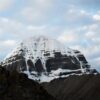
Step by Step Guide For Kailash Mansarovar Yatra 2026

Mount Kailash: 20 Amazing Spiritual Facts That You Must Know

Best Months To Visit Tibet: Festival, Weather, Climate Guide
Hiring Horse or Personal Porter for Kailash Kora (Parikrama)
- 1 - 4 personUS$ 2645
- 5 - 8 personUS$ 2578
- 9 - 12 personUS$ 2385
- 13 - 16 personUS$ 2295
- 17 over 9999 US$ 2200
- Your safety, our no 1 priority
- Best price guarantee
- Experienced & dedicated team
- Easy booking, no hidden charge
- You can customize this trip
US$ 2645
Client Reviews


Related Trips

Kailash Manasarovar Yatra with Everest Base Camp and Lhasa
 19 Days Trip
 Moderate