


 English
 Dutch
Dutch Japanese
 Hindi
Hindi Italian
 Spanish
 French
 German
 Chinese
 Korean
 Arabic
 Hebrew
 Russian
 Portuguese
 Danish
 Czech
Czech Polish
 Swedish
 Share
ShareTravel Update: Timmure/Rasuwagadhi/Kerung Border Blocked By Recent Flooding

 Updated: 8 July, 2025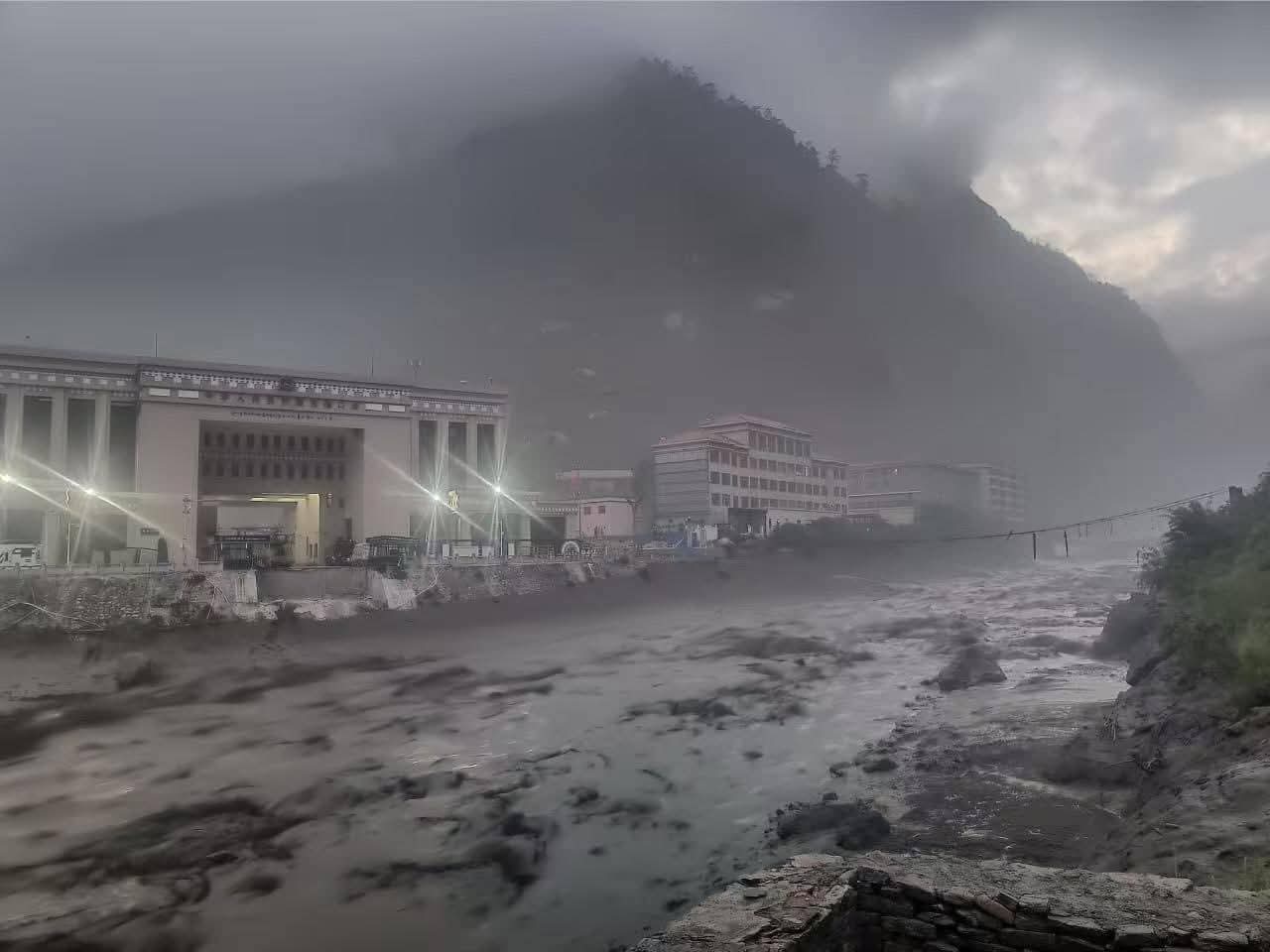
Journeys along the Timmure/ Rasuwagadhi or Kerung border have been adversely affected after massive floods ravaged around earlier today, on Tuesday, July 8, 2025, at around 3:00 AM. It has rendered its main route inaccessible, having stranded hundreds of passengers and searching for plausible alternatives on how to proceed on their journeys between Tibet and Nepal.
This entire guide provides essential information on current situations, alternative travel possibilities, safety concerns, and actual steps to facilitate affected travelers to navigate through this tough situation. If you’re set to travel into or out of a country or you’re on-the-move, having knowledge on options is central if you aspire to achieve a secure and successful journey.
Current Situation at Timmure/Rasuwagadhi/Kerung Border

The border between Timmure and Kerung, a key connecting link between Nepal and China’s Tibet Autonomous Region, was severely hit by floodwaters that started around nine hours ago. This crossing point, also known as the Rasuwagadhi-Kerung border, serves as one of the primary trade and travel routes between Nepal and China. As per Nepal Police 7 confirmed deaths and 18 people are missing.
Impact of the Flooding
The recent flooding has created several challenges for travelers:
- Road Infrastructure Damage: The main highway leading to the border crossing has sustained significant damage, making vehicle passage extremely dangerous or impossible
- Border Operations Suspended: Immigration and customs services have been temporarily halted due to safety concerns
- Communication Disruptions: Local communication networks may be affected, making it difficult to receive real-time updates
- Accommodation Shortages: Stranded travelers have created increased demand for local lodging facilities
Official Response
The local authorities and border control agencies are continuously evaluating damages and implementing emergency response measures. Restoration of normal activity can last a day or two to several weeks, depending on damage made on the infrastructure and the weather.
Alternative Travel Routes for Nepal-Tibet Border Crossings
Given the current situation, travelers must consider alternative routes to reach their destinations. Here are the primary options available:
Route 1: Back to Kathmandu And Flight To Lhasa
One of the most effective ways to enter Tibet is by taking a direct flight to Lhasa Airport from Tribhuvan International Airport. Since the road connections are temporarily blocked now it might be difficult to find the Lhasa flight. So make sure to look about the available flight details with the tour and ticketing agency in Nepal.
Route Details:
- Distance from Kathmandu: Approximately 571–572 km (355 miles)
- Travel Time: Direct flights take about 1 h 15–20 min
Kathmandu to Lhasa Flight Current Status:
- Operated by Himalaya Airlines, flight H9‑774 / H9774
- 4 flights per week (Mon, Wed, Thu, Fri) during peak season (Apr–Oct); 3 flights/week (Mon, Thu, Fri) in low season
- Slightly delayed ~60% of the time, averaging ~18 min delay
Advantages:
- This option is best if you are travelling to Tibet for Kailash Mansarovar Yatra or Lhasa Tour.
- Avoid risky roads in the monsoon season
- Reach Tibet in few hours to save your time
Considerations:
- Chances of Flight fare might be high due to limited frequency and tourist demand.
- You can expect a delay in the flight schedule due to Kathmandu’s weather conditions
- Must have a Chinese Group Visa and Tibet Travel Permit, arranged via travel agents in Nepal
Route 2: Simikot-Hilsa Border Crossing
Another option that travellers can use to enter Tibet is by using the Hilsa connecting Taklakot. This route is quite tough because this route requires a combination of trekking and driving, with the trek portion traversing the challenging Nara La pass. Also you can have another option that is flights to Nepalgunj, then to Simikot, followed by a helicopter ride to Hilsa, and finally a drive to Taklakot in Tibet.
Route Details:
Option A: Fast & Mixed
- Kathmandu → Nepalgunj (flight)
- Nepalgunj → Simikot (flight)
- Simikot → Hilsa (helicopter)
- Hilsa → Taklakot (drive)
Option B: Full Trek Experience
- Trek from Simikot to Hilsa in 4–5 days
- Cross Nara La pass, camping or lodge-staying each night
- Ideal for seasoned trekkers desiring a cultural and spiritual immersion
Advantages:
- A rare trail with dramatic Himalayan views and remote village life.
- Adventure + Spirituality: Popular for those heading to Mt. Kailash & Mansarovar.
- Avoid Road Closures: Especially useful when standard road routes are blocked or risky.
Considerations:
- High Altitude Challenges: Nara La and Hilsa are at significant elevation—proper acclimatization is required.
- Weather-Dependent Flights: Helicopters and mountain flights often delay or cancel due to wind or cloud cover.
- Limited Facilities and lodge option: Remote villages and border towns have basic amenities only—come prepared.
- Cost Factor: Helicopter flights and restricted area logistics can increase overall trip cost.
Route 3: Domestic Rerouting Through Kathmandu
For those who have flexible schedules who are on the way to Timmure/ Rasuwagidi, we suggest you return to Kathmandu and reschedule your travel plan. You can even wait for a few days to reopen for the route.
Benefits of This Approach:
- Access to better communication and booking facilities
- Opportunity to secure proper permits and documentation
- Ability to monitor situation updates more effectively
- Access to embassies and consulates for assistance
Safety Considerations During Alternative Travel
Health and Safety Precautions
Medical Preparedness:
- Carry essential medications and first aid supplies
- Ensure adequate travel insurance coverage
- Identify medical facilities along alternative routes
- Stay hydrated and maintain proper nutrition during extended travel
Weather Monitoring:
- Check weather forecasts regularly
- Avoid travel during severe weather warnings
- Carry appropriate clothing for varying conditions
- Plan for potential delays due to weather
Documentation and Legal Requirements
Essential Documents:
- Valid passport with appropriate visas
- Travel permits for restricted areas
- Emergency contact information
- Copies of all important documents stored separately
Border Crossing Requirements:
- Verify current visa requirements for alternative crossings
- Ensure permits are valid for intended crossing points
- Check for any special restrictions or requirements
- Consider hiring local guides familiar with procedures
Communication and Updates
Staying Informed
Official Sources:
- Nepal Department of Immigration
- Chinese Embassy in Nepal
- Local police and border authorities
- Tourist police helplines
Digital Resources:
- Government travel advisories
- Local news outlets
- Travel forums and community groups
- Social media updates from official agencies
Emergency Contacts
Travelers should maintain a list of emergency contacts, including:
- Local emergency services( 100 ~ Nepal Police, 1149 is a toll-free number for natural disaster emergencies, For specific services like Tourist Police, you can also dial 1144)
- Embassy or consulate contacts
- Travel insurance providers
- Family and friends at home
- Local tour operators or guides
Practical Steps for Affected Travelers
Immediate Actions
- Prioritize Safety: Ensure you’re in a safe location away from flood-affected areas
- Contact Authorities: Report your situation to local police or tourist police
- Secure Accommodation: Find safe, dry lodging while planning next steps
- Communicate: Inform family, friends, and employers of your situation
- Document Everything: Keep records of expenses and delays for insurance purposes
Planning Your Alternative Route
Research Phase:
- Gather current information about alternative crossing points
- Check visa and permit requirements for new routes
- Identify accommodation options along the way
- Calculate additional costs and time requirements
Booking and Preparation:
- Secure transportation for your chosen alternative route
- Book accommodation in advance when possible
- Arrange for local guides if traveling to remote areas
- Prepare emergency supplies and equipment
Financial Considerations
Additional Costs to Budget:
- Extended accommodation expenses
- Alternative transportation costs
- Potential permit fees for different crossing points
- Emergency supplies and equipment
- Communication and connectivity costs
Support Resources and Assistance
Government Support
Nepal Tourism Board:
- Provides updated information on border crossings
- Offers assistance to stranded tourists
- Maintains helpline services for emergencies
Embassy Services:
- Citizen services for nationals of respective countries
- Emergency assistance and communication support
- Help with documentation and legal issues
Private Support Services
Travel Insurance:
- Contact your insurance provider immediately
- Document all additional expenses
- Keep receipts for reimbursement claims
- Understand coverage limitations and exclusions
Tour Operators:
- Local tour companies may offer emergency assistance
- Group bookings for alternative transportation
- Local expertise and guidance
- Emergency accommodation arrangements
Looking Ahead: Recovery and Future Travel
Expected Timeline
While specific timelines depend on weather conditions and infrastructure damage, travelers should prepare for:
- Short-term: 1-2 weeks for basic road clearing
- Medium-term: 1-3 months for temporary solutions
- Long-term: 6-12 months for full infrastructure restoration
Lessons for Future Travel
Preparedness Strategies:
- Research multiple route options before traveling
- Maintain flexible travel schedules when possible
- Invest in comprehensive travel insurance
- Stay informed about regional weather patterns and risks
Building Resilience:
- Develop relationships with local contacts
- Learn basic phrases in local languages
- Understand cultural norms and emergency procedures
- Maintain emergency funds for unexpected situations
Moving Forward: Adapting to Changing Conditions
The latest flood on and around Kerung / Rasuwagadhi / Timmure border pass is a classic example of the unpredictability of mountain travel. Whilst immediate circumstances do represent a real challenge, by sticking to adaptability, information-richness, and safety-consciousness, travelers do have a way of getting around these circumstances.
The solution to handling this case is to prioritize safety, remain in touch with trusted information sources, and have realistic expectations regarding cost and time. Other routes are available, and these can only work if well planned and prepared.
Once repair work and renewals on infrastructure have been completed, day-to-day activity will, in time, return to a standard system. In the shorter term, passengers have been required to adapt to shifting circumstances while never sacrificing safety. This experience, as bumpy as it has been, can become a learning experience about how passengers and local residents have handled a natural disaster.
Guided by this advice and staying in contact with sources of authority, travelers can exercise wise judgment on their future course of actions and reach their objectives safety despite existing situations in and around Timmure/Kerung border posts.
To know about the border reopening stay connected with us or you can even contact us.

Sabin Shrestha is an experienced content writer with over 4 years of expertise in creating clear and engaging content. He specializes in writing about lifestyle, travel, health, and technology, delivering well-researched articles that connect with readers. Known for his storytelling skills and attention to detail, Sabin creates content that informs, inspires, and leaves a lasting impression on audiences.

