English
 Dutch
Dutch Japanese
 Hindi
Hindi Italian
 Spanish
 French
 German
 Chinese
 Korean
 Arabic
 Hebrew
 Russian
 Portuguese
 Danish
 Czech
Czech Polish
 Swedish
 Share
ShareTibet: Location, History, Culture, Festivals, Facts And More

 Updated: 18 September, 2025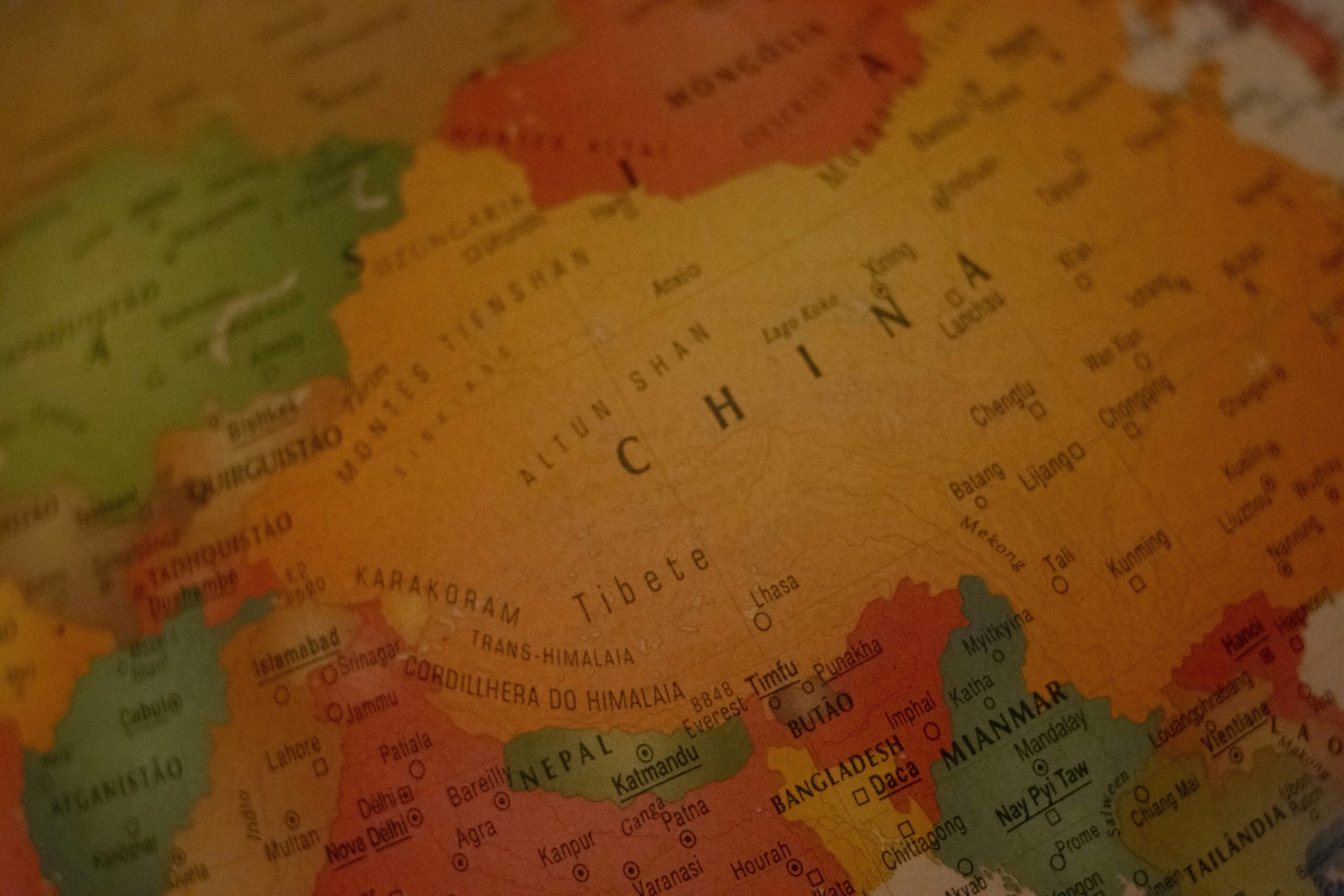
Tibet is a mystical land of snowy peaks, holy monasteries, and ancient traditions, commonly referred to as the Roof of the World. Tibet, which is on the highest plateau of the world, is known to have marvelous Himalayan mountains, crystal lakes, and expansive grasslands that are scattered with yaks and nomadic villages. In addition to its natural beauties, Tibet is very spiritual, a land where Buddhism defines everyday life, the mountain air flies prayer flags, and the centuries-old monasteries are filled with the chanting voices of monks.
To tourists, Tibet is an adventure worth remembering because of its fusion of adventure and culture. Whether it is the grand Potala Palace in Lhasa or hiking along the sacred Mount Kailash, no experience in this part of the world seems ordinary. Tibet is open to you, whether you want peace in your soul, in your culture, or in your adventure to the mountains.
We are going to discuss the history of Tibet, its culture, geography, spirituality, and current travel necessities in this blog in order to help you reveal the eternal beauty of Tibet.
Plan your unforgettable journey to Tibet with Namaste Nepal Trekking. Explore our Tibet tour packages here ????http://namastenepaltrekking.com/tibet/
Quick Facts About Tibet
| Category | Details |
| Official Name | Tibet Autonomous Region (TAR), People’s Republic of China |
| Capital | Lhasa |
| Area | Approximately 1.22 million square kilometers |
| Population | Around 3.6 million (as of 2024 estimates) |
| Time Zone | China Standard Time (CST) — UTC +08:00 |
| Official Language | Standard Tibetan and Mandarin Chinese |
| Currency | Chinese Yuan (CNY, also known as Renminbi) |
| National Symbols & Identity | |
| Flag | The Tibetan flag, with its snow lion design, is used symbolically by Tibetans worldwide (though not officially recognized within China). |
| Emblem | The Potala Palace is often seen as the cultural and spiritual emblem of Tibet. |
| National Flower | Blue Poppy (Meconopsis integrifolia) |
| National Animal | Tibetan Antelope (Chiru) |
| National Bird | Tibetan Eared Pheasant |
| Highest Peak | Gyachung Kang Mountain- 7,952 m (26,089 ft) |
| Major Rivers | Yarlung Tsangpo (Brahmaputra), Mekong, Salween, and Yangtze |
| Religion | Predominantly Tibetan Buddhism, with some Bon, Islam, and Christianity |
| Traditional Festivals | Losar (Tibetan New Year), Saga Dawa, Shoton Festival (Yogurt Festival) |
| Traditional Clothing | Chuba (a long-sleeved robe often worn with a sash) |
| Cuisine | Tsampa (roasted barley flour), Butter Tea, Yak Meat, and Momos (dumplings) |
| Economy | Agriculture, animal husbandry, tourism, and handicrafts |
| Famous Monasteries | Jokhang Temple, Drepung Monastery, Sera Monastery, Tashilhunpo Monastery |
| UNESCO World Heritage Sites | Potala Palace, Jokhang Temple, Norbulingka Palace |
| Wildlife | Snow Leopard, Tibetan Mastiff, Wild Yak, Black-necked Crane |
| Climate | Harsh and dry, with cold winters and cool summers |
| Geographical Features | Tibetan Plateau (world’s highest and largest plateau), Himalayas |
| Transportation | Qinghai-Tibet Railway, Lhasa Gonggar Airport |
| Famous Personalities | 14th Dalai Lama (Tenzin Gyatso), Milarepa (Tibetan poet and saint) |
The Question of “Country”: A Complex Status
Among the initial issues that should be taken into consideration when speaking about Tibet is its political status, which is complicated and the most controversial.
- Official Status (PRC Perspective): Tibet is politically governed as an autonomous territory of the People’s Republic of China (PRC) in what is called the Tibet Autonomous Region (TAR). The PRC claims that Tibet used to be a region of China for many centuries.
- Tibetan Perspective: A large number of Tibetans and their allies consider Tibet to be an occupied state with a long history of self-government and cultural, linguistic, and religious autonomy before the 1950s. The Caliph of Tibet Dalai Lama, resides in exile in India and seeks true autonomy of Tibet in China.
Geography: The World’s Highest Plateau
Tibet is associated with extreme altitude. It is located on the highest and largest plateau in the world, the Tibetan Plateau, where the average elevation is more than 4,500 meters (14,800 feet).
- Location: Tibet is located between the Himalaya mountains in the south and the Kunlun mountains in the north of India, Nepal, Bhutan, Myanmar, and China (mainland).
- Landscape: The terrain is stunningly varied, spanning large desolate plains and ravaging grasslands to immense mountain ranges, deep river valleys, and pure high altitude lakes.
- Rivers: It is the home of most of the great rivers of Asia, such as the Yangtze, Yellow River, Mekong, Indus, and Brahmaputra rivers, making it the Water Tower of Asia.
- Climate: The weather is severe, with long and cold winters and warm and short summers. There is a considerable decrease in oxygen levels compared to the sea level.
Culture & Spirituality: The Heart of Tibetan Identity
Tibetan culture is closely connected with Tibetan Buddhism (Vajrayana Buddhism).
- Buddhism: The 7th century brought Buddhism to Tibet, which influenced every life: the art and architecture, music was also created based on Buddhism, as well as the social habits and everyday practices. Religious centers, such as monasteries such as the Potala Palace, Jokhang Temple, and Sera Monastery, are not only historical centers but also cultural gems.
- The Dalai Lama: The Gelug school of Tibetan Buddhism’s spiritual leader and, in the past, the temporal leader of Tibet. Tenzin Gyatso, the 14th Dalai Lama, is a Nobel Peace Prize winner and a world-renowned leader.
- Art & Architecture: The use of bright colors, detailed images, and Buddhism. Icons include the Thangka paintings, mandalas, prayer flags, and the unique monastic architecture.
- Festivals: The colorful manifestations of Tibetan culture are traditional festivals such as Losar (Tibetan New Year), Saga Dawa (commemorating the birth, enlightenment, and parinirvana of Buddha), and the Shoton Festival (Yogurt Festival).
- Hospitality: Tibetans are also known to be warmly hospitable and full of life, respect.
People & Language
- Ethnic Tibetans: People are mostly of ethnic Tibetan origin; they are a separate ethnic group with their own language, traditions, and national costumes.
- Tibetan Language: It is a language belonging to the Tibeto-Burman family, and has some dialects. The script of the text is based on the ancient Indian scripts.
- Traditional Livelihoods: Historically, Tibetans were nomadic farmers (yak, sheep) or herders. While modern development has brought changes, these traditions still persist in many areas.
A Glimpse into History
Tibetan history is rich and spans millennia:
- Ancient Kingdoms: In the 7th century, Tibet was unified as a powerful empire, and its influence spread to the rest of Central Asia.
- Rise of Buddhism: Buddhism gained strong roots among the Tibetan society, and as a result, great monasteries were built and a unique spiritual tradition was created.
- Ming & Qing Dynasties: Historical documents indicate the influence of the Chinese dynasties, and the scope of direct control and sovereignty remains a subject of discussion.
- Modern Era: The People’s Liberation Army of China also entered Tibet in 1950- 51 after some time of de facto independence, and Tibet was incorporated into the PRC. The 1959 Tibetan rebellion led to the exile of the Dalai Lama and thousands of Tibetans.
Everyday Essentials – Tibet Country
Working Hours:
- Government offices and most businesses generally operate Monday to Friday, from 9:30 AM to 5:30 PM.
- Banks usually open from 9:00 AM to 5:00 PM (some close earlier on Fridays).
- Shops, local markets, and restaurants often stay open later in the evening, especially in Lhasa and tourist hubs.
Electricity:
- Tibet country uses a 220V, 50Hz electricity supply.
- Urban areas like Lhasa and Shigatse have a stable power supply, but in remote villages and trekking routes, power outages are more common.
- Power sockets: Type A, C, and I plugs are most commonly used.
- Travelers are advised to carry a universal adapter and power bank for high-altitude journeys.
Famous Places to Visit in Tibet Country
The Tibetan country is full of spectacular scenery, religious places, and cultural heritage. Spiritual monasteries, natural beauties, and so on: here are the places you must visit:
1. Potala Palace (Lhasa)
- The iconic former residence of the Dalai Lama.
- A UNESCO World Heritage Site with stunning architecture, golden roofs, and sacred chapels.
2. Jokhang Temple (Lhasa)
- Considered the holiest temple in Tibet.
- A spiritual heart for pilgrims who walk the Barkhor Kora around it.
3. Mount Kailash
- Sacred mountain for Buddhists, Hindus, Jains, and Bon followers.
- Known for the challenging yet rewarding Kailash Kora (circumambulation trek).
4. Namtso Lake
- One of the highest saltwater lakes in the world.
- Famous for turquoise waters, surrounding snow peaks, and stunning sunsets.
5. Yamdrok Lake
- Sacred lake shaped like a scorpion.
- Offers panoramic views of turquoise waters with Himalayan backdrops.
6. Everest Base Camp (Tibet Side)
- The northern approach to the world’s highest mountain.
- Popular for adventure travelers and stunning sunrise views of Mt. Everest.
7. Tashilhunpo Monastery (Shigatse)
- Seat of the Panchen Lama.
- Known for its giant Maitreya Buddha statue and vibrant festivals.
8. Sakya Monastery
- A unique monastery with Mongolian-influenced architecture.
- Famous for its massive library of ancient scriptures.
Trekking & Adventure in Tibet
- Everest Base Camp (Tibet Side): Northern approach to Mount Everest at 5,150 m (16,900 ft), offering spectacular sunrise views and less crowded trails than the Nepal side.
- Mount Kailash Kora: Sacred pilgrimage trek around Mount Kailash at 5,600–6,700 m (18,370–21,980 ft).
- Namtso & Yamdrok Lakes Trek: Scenic high-altitude lakes.
- Adventure Activities: Mountaineering, river rafting, high-altitude camping.
How To Visit Tibet
To international visitors, it is common to use special permits together with a Chinese visa before traveling to the Tibet Autonomous Region. The majority of visits are organized with tours. Despite the limitations, visitors are usually overwhelmed with the magnificent views and the long-standing culture of the Tibetan people.
Tibet is the land of great beauty, spirituality, and complicated geopolitical realities. It is a place that still fascinates the world with its mystiques and sustainability, making us see beyond the shallow explanations and enjoy the multifaceted nature.
Note: Independent or Solo travel is not allowed in Tibet. Tourists need to contact the tour operator and follow the organised travel plan with a fixed itinerary. Change in the itinerary is not allowed once you enter Tibet.
Internet and Communication in Tibet
During recent years, the internet connectivity in Tibet has increased at a high pace, particularly in such big cities as Lhasa, Shigatse, and Nyingchi. These cities have city centers where the internet is reliable in hotels, restaurants, and in some places of the city, thus one can easily remain online during their traveling.
Nevertheless, in remote villages, in high-altitude monasteries, or on trekking paths within the Himalayas, there is a shortage of internet service and frequent failure. Mobile data is normally the most reliable in such places, but the speeds can be different.
The major telecom services of Tibet are under Chinese operators, and in most of the towns, it provides 4G and is expanding to 5G in major cities. There are data packages, voice calls, and international calling services, but some foreign sites and applications are blocked.
Mobile and internet-based communication are the order of the day in the urban areas of Tibet, as traditional communication methods such as newspapers and landline telephones are still present.
What Travelers / Users Should Know
- Bring a good VPN (though legally sensitive) if you need access to blocked apps/websites.
- In remote areas or when trekking, network signals may drop; always have offline options.
- Urban hotels, cafés tend to have WiFi, but speed and reliability can vary.
- Being careful about what you post or share online, especially on topics like religion, politics, or Tibet’s status, is important due to strict monitoring.
Local Currency and Foreign Exchange

The official currency of Tibet is the Chinese Yuan (CNY), also known as Renminbi (RMB).
Available Denominations:
- Banknotes: 1, 5, 10, 20, 50, 100 yuan
- Coins: 1, 2, 5 jiao; 1 yuan
Currency Exchange:
You can easily exchange your foreign currency in Tibet country at:
- Currency exchange counters at Lhasa Gonggar Airport and other major airports
- Banks and licensed money exchange centers located in Lhasa, Shigatse, and other major towns
Tip: Also, it is always important to verify the current exchange rates before transacting money. Bring small amounts of money to make payments in remote locations since small shops and markets might not accept huge bills.
Weather and Climate Of Tibet
Tibet is also known as the Roof of the World, and it has four unique seasons: spring, summer, autumn, and winter. The plateau climate of the region makes the weather have great variations in day and night temperatures, and the environment is typically dry with high sunshine throughout the year.
Spring (March–May)
- Temperatures: Ranging from 5°C to 19°C (41°F to 66°F)
- Weather: Dry and sunny with clear skies
- Highlights: Ideal for trekking and sightseeing, with blooming flowers enhancing the landscape
- Best For: Visiting Everest Base Camp and exploring Mount Kailash
Summer (June–August)
- Temperatures: Mild, with daytime highs around 17°C (63°F)
- Weather: Occasional showers, particularly in the afternoons and evenings
- Highlights: Lush green landscapes and vibrant cultural festivals
- Best For: Traveling to Nyingchi, known for its rich vegetation and scenic beauty
Autumn (September–November)
- Temperatures: Cooling down with crisp air
- Weather: Clear skies and dry conditions
- Highlights: Golden-hued landscapes and excellent visibility of the Himalayas
- Best For: Photography and cultural exploration
Winter (December–February)
- Temperatures: Cold, with average lows around -2°C (28°F)
- Weather: Dry and sunny, though higher elevations may experience snowfall
- Highlights: Fewer tourists, offering a tranquil experience
- Best For: Visiting monasteries and experiencing Tibetan New Year celebrations
Must read ???? Best Months To Visit Tibet: Festival, Weather, Climate Guide
People, Culture, and Festivals of Tibet

Tibet is the place where religion, tradition, and community meet each other and are woven into a certain cultural cape that has been thriving for centuries.
Ethnic and Cultural Diversity:
Most of the population in Tibet is ethnic Tibetan, with Tibetan Buddhism having a strong impact on their lives and world perception. This religious tradition is interwoven with the features of the native Bön religion, which created a rich cultural canvas of unique art, music, and rituals.
Major Festivals of Tibet:
Tibet’s festivals are vibrant expressions of its cultural and spiritual life:
- Losar (Tibetan New Year): Observed as family get-togethers, traditional dances, and sacrifices to gods, the start of the lunar new year.
- Shoton Festival: It is also referred to as the Yogurt Festival, which involves the opening of giant Buddha thangkas and Tibetan opera performances.
- Saga Dawa Festival: It is considered the most sacred festival because it honors the birth, enlightenment, and death of Buddha, and rituals such as walking around Mount Kailash are undertaken.
- Tashilhunpo Thangka Festival: It is held at Tashilhunpo Monastery, where a huge thangka is unveiled, and there are religious ceremonies and local markets.
- Gyantse Horse Racing Festival: An exciting festival with horse races, archery, and the traditional Tibetan games as a demonstration of the nomadic spirit of the land.
These festivals not only celebrate religion, but they also solidify the community relationships and help in maintaining Tibetan culture.
Tibetan Cuisine & Handicrafts

- Popular Cuisine: Momos, Thukpa, Tsampa, Butter Tea, Yak meat.
- Handicrafts: Thangka paintings, prayer flags, carpets, jewelry.
- Shopping Tips: Buy authentic handicrafts in Lhasa and Shigatse markets.
Transportation & How to Get Around

- By Air: Lhasa Gonggar Airport connects to major Chinese cities.
- By Train: Qinghai-Tibet Railway, world’s highest railway.
- Local Travel: Buses, taxis, and organized tours.
Health & High-Altitude Preparation
- Risk of Acute Mountain Sickness (AMS) – acclimatize slowly.
- Vaccinations and travel insurance are recommended.
- Carry medication, oxygen, and water purification tablets for treks.
Modern Tibet: Challenges and Changes
Tibet is currently experiencing a fast-paced modernization as a result of the Chinese government.
- Development: Infrastructure development (such as roads, railroads (Qinghai-Tibet Railway is the highest in the world), and modern facilities) has changed the landscape of some of the areas.
- Tourism: Tibet has become an emerging tourist destination, with tourists flocking to the country in order to see its rare culture and beautiful scenery.
- Concerns: This development, however, is accompanied with the fact of concerns with cultural assimilation, with the limitation of religious freedom, with human rights, and with the impact of large-scale projects on the sensitive plateau ecosystem.
Top FAQs about Tibet
Where is Tibet located?
- Tibet is located in the Tibetan Plateau in southwest China, with borders with India, Nepal, Bhutan, and Myanmar.
Do Tibetan people speak English?
- There is little English; it is primarily spoken in the large tourist places such as Lhasa and in hotels.
Can foreign travellers visit Tibet?
- Yes, but one has to get there through guided tours and with the right permits.
Can US passport holders visit Tibet?
- Yes, a valid Chinese visa and a Tibet Travel Permit should be arranged by a tour operator.
Is Tibet safe to travel to?
- Mostly secure for tourists; however, be careful about high-altitude illness and obey local laws.
Do we need a visa and permit to visit Tibet?
- Yes, the foreigners need a Chinese visa and a Tibet Travel Permit.
When is the best time to visit Tibet?
- The best weather and clear skies are found during spring (March -May) and autumn (September -November).
What are the top things to do in Tibet?
- Explore Potala Palace, Jokhang Temple, Mount Kailash, Everest Base Camp (Tibet side), and Namtso Lake.
What are the things we should avoid while visiting Tibet?
- One should not offend local traditions, take photographs where it is not allowed, or talk about politics in the streets. Also, avoid carrying photos, books, or any materials related to Tibetan independence or the Dalai Lama when entering Tibet.
What is the altitude of Lhasa?
- Lhasa sits at around 3,650 m (11,975 ft) above sea level.
How many days do we need to tour Tibet?
- The average length of the trips is 7-14 days, depending on the places of interest and activities.
Do we need health precautions for Tibet travel?
- Yes, we must acclimatize, owing to high altitude; carry altitude sickness medicine.
Can we trek independently in Tibet?
- No, all the foreign travelers have to travel in an organised tour from a registered tour agency.
What is the local currency in Tibet?
- Chinese Yuan (CNY or RMB) is used throughout Tibet.
Are credit cards accepted in Tibet?
- Mostly just at large hotels and stores, cash is used in rural places.
Do we need travel insurance for Tibet?
- Yes, it is advisable in high altitude hikes and emergencies.
Are flights or trains better to reach Tibet?
- The Qinghui Tibet railway is a scenic mode of transport, and air travel is quicker and convenient.
Do we need special clothing for Tibet travel?
- Yes, cozy jackets and sweaters, sun-hats, and durable footwear are obligatory in cold and elevated areas.
Can we use mobile phones in Tibet?
- Most cities are compatible with Chinese SIM cards, roaming is restricted, and certain apps( Facebook, Whatsapp, Instagram, YouTube) are blocked.
Is Tibet suitable for family travel?
- Yes, but altitude sickness precautions should be taken for children and the elderly.

Sabin Shrestha is an experienced content writer with over 4 years of expertise in creating clear and engaging content. He specializes in writing about lifestyle, travel, health, and technology, delivering well-researched articles that connect with readers. Known for his storytelling skills and attention to detail, Sabin creates content that informs, inspires, and leaves a lasting impression on audiences.
Related Blogs