English
 Dutch
Dutch Japanese
 Hindi
Hindi Italian
 Spanish
 French
 German
 Chinese
 Korean
 Arabic
 Hebrew
 Russian
 Portuguese
 Danish
 Czech
Czech Polish
 Swedish
16 Days
Moderate
US$2075
 Share
Share Updated: 14 December, 2024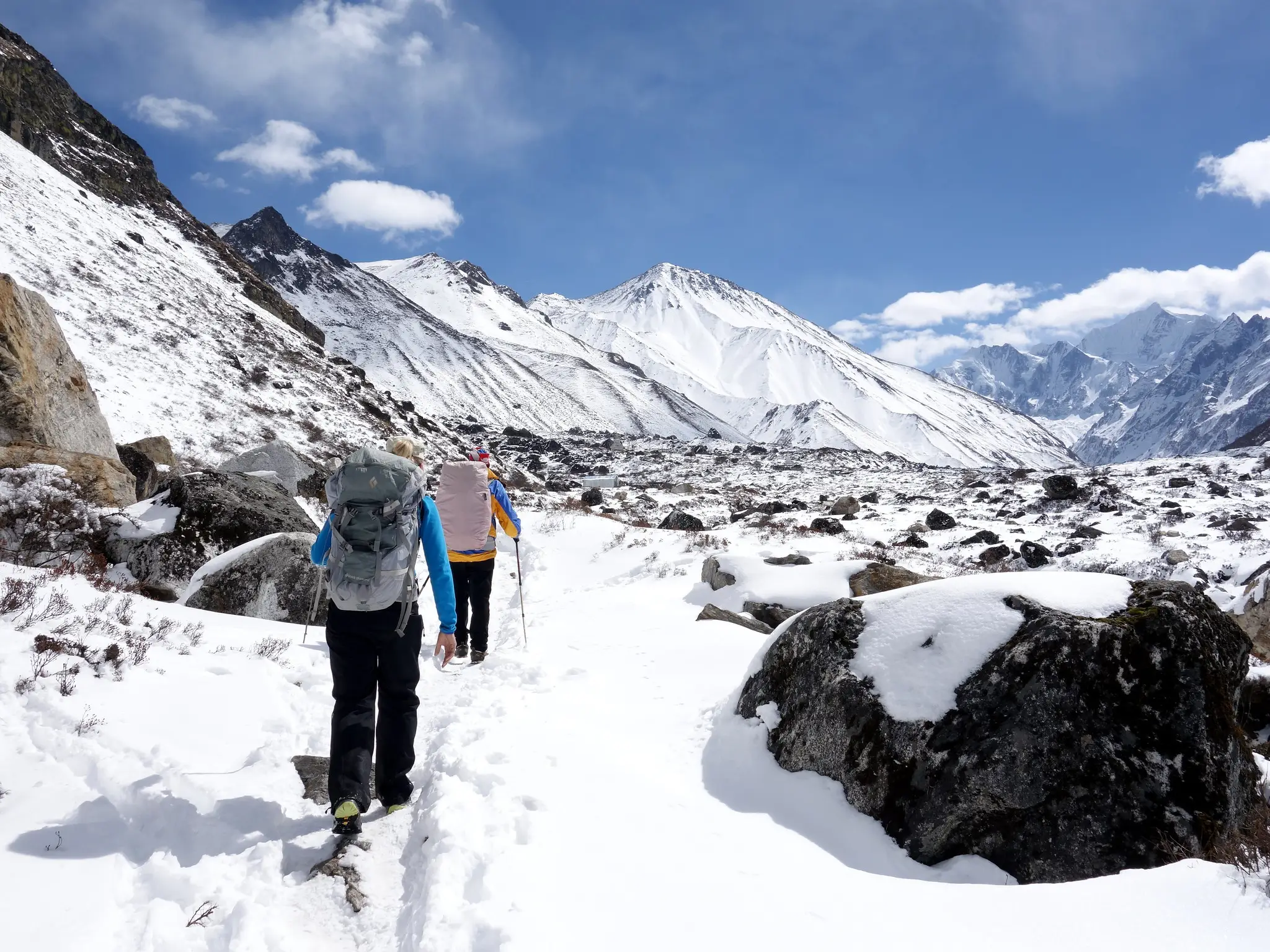
Nepal is famous for its stunning landscapes, especially in the winter when it is covered in snow. The snowfall places in Nepal favour adventurers and nature lovers. The snowy mountains, including Mount Everest, attract visitors who are seeking a peaceful escape from the chaos of daily life.Winter in Nepal is an exciting time for adventure enthusiasts. Those who enjoy trekking and mountain climbing can have a great time exploring the challenging trails covered in snow. The snow sparkling under the morning sun is really mesmerizing and gives photographers lots of chances to capture unforgettable moments.
If you enjoy a slower pace, the snowy scenery of Nepal is just right for leisurely walks, quiet thinking, or simply having a warm cup of Nepalese tea with a view of the stunning winter sights of Mountains. The local culture and friendly hospitality add to the beauty of the place, making it a worthwhile experience for any visitor. Whether you seek adventure or relaxation, Nepal’s winter wonderland is sure to make a lasting impression with its combination of natural beauty and cultural richness that invites everyone to enjoy its peaceful and charming essence.
Snowfall places in Nepal offers the whole range of experience, from the valleys to the high mountains you can see a glimpse of places covered in snow. You can experience snowfall places in Nepal throughout the winter months (from December to February).
As you explore Nepal, you will witness the stunning transformation of the landscape, with snow covering the valleys and mountains, creating a magical atmosphere. In Nepal, snowfall is more than just a beautiful sight – it also offers opportunities for adventure and relaxation. You can go on snow treks, ski, or simply enjoy trekking experience with the stunning views.

In Nepal, there are many mountains where snow falls are common in higher altitude areas. The amount of snowfall varies depending on the landscape, with hilly regions experiencing heavier snowfall compared to the terai areas. Popular places in Nepal for snowfall include Kathmandu, Pokhara, Mustang, Manang, Annapurna, Langtang, Everest base camp, and Dhaulagiri.
Snowfall is rare in Kathmandu, but when it does happen, the city turns into a winter wonderland. This makes the experience really special and memorable. As snow falls, the usual city noises quiet down, creating a peaceful atmosphere. It’s like the city pauses, letting people enjoy the beautifully snow-covered streets and rooftops.
The snowfall isn’t limited to the city; it extends to the surrounding hills and mountains, which are beautifully covered in shimmering white. In winter, these hills resemble a storybook scene, with snow-capped peaks against clear blue skies creating a breathtaking view. Both residents and visitors enjoy these magical moments by visiting viewpoints or exploring the hills to experience the beauty up close. It’s a time for families and friends to gather for fun activities like building snowmen or having snowball fights.
Overall, Snowfall in Kathmandu creates a magical atmosphere that delights everyone, offering a rare and enjoyable pause from the usual city life.
The best time to see snow near Pokhara is in December, January, and February, when it’s the coldest. During these months, the mountains around Pokhara are beautifully covered in snow, offering visitors amazing views of snow-capped peaks and stunning winter landscapes.
If you love adventure or just enjoy peaceful snowy settings, this time of year in the Himalayas is unforgettable. The clear winter skies make the snow-covered landscapes even more beautiful, perfect for photography and outdoor activities.
Mustang is a hidden gem in the Himalayas, famous for its isolated and untouched natural beauty. This remote area lies behind the tall Annapurna Range and borders Tibet to the north. Rich in history and culture, Mustang offers a unique mix of Tibetan and traditional Nepalese heritage.
When winter arrives in Mustang, the landscape turns magical. Snow covers everything, creating a beautiful contrast with the deep blue skies. The towering Himalayas provide a stunning backdrop to the snow-filled valleys and high-altitude deserts. This quiet, snow-covered land offers a peaceful escape full of adventure. The trails become tougher but more rewarding, showing the unique winter beauty of Mustang. The crisp air refreshes the senses, offering endless inspiration for photographers and nature lovers. Despite the cold, the local people warmly welcome visitors, adding to the charm of this remote paradise.
16 Days
Moderate
US$2075
Manang, located in the Himalayas, is a stunning region known for its amazing views of snowy mountains, deep valleys, and unique landscapes. This beautiful place attracts visitors worldwide with its natural beauty. The snowfall adds a magical feel, turning Manang into a winter wonderland and enhancing its peaceful charm.
Manang is a dream spot for trekkers and adventure enthusiasts seeking an unforgettable winter experience in Nepal. Whether hiking the trails, exploring village culture, or enjoying breathtaking views, Manang promises lasting memories.

Annapurna Base Camp is known for being a very beautiful place to go trekking. During the winter season, from December to February, it becomes a snowy wonderland. The trek starts at Nayapul and goes through traditional Gurung villages like Ghandruk and Chhomrong. The fields and forests are covered in snow, creating a magical scene.
As trekkers make their way to Annapurna Base Camp, they are greeted by breathtaking views of towering peaks such as Annapurna I, Machapuchare, and Hiunchuli. The camp itself is a serene, snow-covered sanctuary. The crisp winter air enhances the visibility of the mountains, allowing trekkers to feel a unique bond with the Himalayas.
The cold season means fewer trekkers, offering a more peaceful and personal experience at Annapurna Base Camp. While winter visits need preparation for cold weather and icy paths, the stunning snow-covered landscape often makes the effort worthwhile, leaving visitors with unforgettable memories and a deeper love for nature’s beauty.

15 Days
Moderate
US$750
The Langtang Region is a good option for people who prefer less crowded trekking paths in Nepal. It is famous for its vibrant Tamang culture and tranquil trails, which are even more enchanting in winter when they are covered in snow. Trekkers usually start their journey in Syabrubesi, a lovely village, and pass through snow-dusted pine forests and by the clear Langtang River. The route includes important spots like Lama Hotel and Langtang Village, where the locals greet visitors warmly, even in the cold weather.
When you go trekking, a must-visit spot is Kyanjin Gompa. It has stunning views and surrounded by snow-capped mountains like Langtang Lirung. The light snowfall gives it a calm and peaceful atmosphere. The Langtang Region is not as crowded as Annapurna, making it perfect for trekkers who prefer solitude. Exploring this area is not only about enjoying the snowy scenery but also experiencing the rich culture and spiritual aspect of Nepal.
8 Days
Moderate
US$830
As winter begins, Everest Base Camp might receive a bit of snow, particularly in higher areas. While snow is more frequent at greater heights and on peaks, it can also reach the base camp and nearby regions, especially after December. The snowy scenery at Everest Base Camp is breathtaking, with the majestic snow-covered peaks of the Himalayas above.
Winter snow turns the beautiful scenery at Everest Base Camp into a magical, peaceful place perfect for treks. Even though it’s cold, the stunning winter views are unbeatable. The snowy trails make for a challenging but rewarding experience, offering breathtaking sights. The snow transforms the area into a winter wonderland, making it a dream spot for adventurers seeking an unforgettable journey.

14 Days
Moderate
US$1270
Manaslu Circuit Trek is a wonderful place to experience the snowfall places in Nepal during the winter season. The region is covered in snow, giving you a chance to witness the beauty of nature in Manaslu. Exploring the Manaslu Circuit in winter is a cool adventure because everything is covered in snow. The mountains look shiny in the sun, creating a beautiful scene for trekkers. The cold air and the sound of snow under your feet make the trek a fun challenge.
The Manaslu Circuit in winter is a cool adventure because everything is covered in snow. The mountains look shiny in the sun, creating a beautiful scene for trekkers. The cold air and the sound of snow under your feet make the trek a fun challenge.

12 Days
Moderate
US$1075
Snow falls in the Dhaulagiri area mainly from November to March. The most snow comes down in December and February, especially at higher altitudes. The heavy snowfall creates a winter wonderland that offers a challenging and rewarding adventure for trekkers. The snow-covered peaks of Dhaulagiri are a magnificent sight, with the majestic Himalayas towering above the surrounding landscape. The winter snowfall turns the area into a tranquil setting, perfect for anyone looking to escape the chaos of everyday life.
Even with the cold weather, Dhaulagiri is incredibly beautiful in the winter. The snowy trails offer a one-of-a-kind trekking experience, with stunning views at every twist and turn. The snow-covered valleys and peaks create a beautiful setting for adventurers to explore, making it a truly unforgettable destination for those in search of a once-in-a-lifetime winter adventure.
Those looking to enjoy snowfall near Kathmandu should consider visiting these higher-altitude locations:
Nagarkot is one of the most popular hill stations near Kathmandu, known for its stunning views of the Himalayas which is located 32 km away approx. It offers a beautiful panoramic view of the Everest range, Langtang range, and Ganesh Himal.
Snowfall can occur as early as November and continue until February, especially after a cold front. You can go there via bus or taxi which is 1 to 1.5 hrs ride and you can also hike to reach there.

Kalinchowk, a popular destination in Nepal’s Dolakha district, is a favorite among trekkers and snow enthusiasts. Situated at an altitude of 3,842 meters, it is known for its heavy snowfall from December to February, making it a winter wonderland.
The beautiful snow-covered scenery of Kalinchowk and the grand Himalayan peaks make it a well-liked destination for those seeking a tranquil and lovely escape.
The Kalinchowk Bhagwati Temple is a popular spot for travelers and pilgrims because it sits on a mountain and looks stunning when covered in snow. The quietness of the snowy landscape and the cool air create a peaceful atmosphere.

Chandragiri, a hill station west of Kathmandu, is a favorite destination for many. Its natural beauty is truly breathtaking, especially in the winter when the snow covers everything. The first snow usually arrives in late December, with the heaviest snowfall happening in January and February.
Chandragiri has amazing views of hills and snow-capped peaks like Annapurna, Langtang, and Ganesh Himal in the Himalayas. It turns into a gorgeous winter wonderland when it snows. The experience of going through snowy landscapes is one-of-a-kind and is made possible by the Chandragiri Hill Cable Car, which takes people to the summit.

Daman is a beautiful hill station in Nepal’s Makawanpur district. It is well-known for its peaceful environment and breathtaking views. The height of Daman is about 2,400 meters and it sometimes receives snow in the winter, especially from December to February.
In comparison to the upper Himalayas, Daman receives less snow. However, when it does snow, the area turns into a lovely winter wonderland.
Known for its beautiful landscape and traditional Sherpa culture, Helambu is a stunning trekking area north of Kathmandu. At an elevation of between 2,500 and more than 3,500 meters, Helambu receives snowfall in the winter, especially from December to February.
The snow adds a touch of beauty to the charming villages, terraced farms, and green valleys, creating a peaceful winter setting. Helambu is an excellent choice for winter trekkers because of the magnificent views of snow-capped peaks such as Langtang and Ganesh Himal that can be seen from the trekking paths passing through it, which include well-known spots like Sermathang and Melamchi.
Gosainkunda is a popular lake in Nepal’s Langtang National Park. It is known for its religious significance and stunning natural beauty. The lake sits at an altitude of 4,380 meters and experiences heavy snowfall during the winter season.
The snowy rocky terrain surrounding the lake creates a serene and somewhat strange atmosphere. The frozen, snow-covered sands of Gosainkunda are a magnificent sight, while the towering peaks of the Langtang range provide a stunning backdrop. The snowfall in the area enhances its spiritual ambiance, attracting pilgrims and hikers seeking a peaceful escape or a demanding winter hiking experience.

Melamchi, a town in Nepal’s Helambu region, is situated at an elevation of about 2600m. Snowfall is sporadic in Melamchi during the winter season, particularly in December and February.
The town and hills look amazing in the winter, especially when it snows. The Langtang and Ganesh Himal mountains in the background make the view even more spectacular. People who love hiking and nature can have a wonderful time here during the winter months.
Seeing snow in Pokhara is not something that happens often, unlike in other mountain areas. However, you can still experience snow around the Pokhara Valley.
Snowfall is a unique opportunity for hikers and nature enthusiasts to appreciate the beauty of the area in a new way. With fewer people and the mountains covered in snow, it’s the perfect time for a winter retreat. Here are some places near Pokhara where you can witness snowfall:
Sarangkot is a hill station near Pokhara renowned for its spectacular views of the Annapurna and Dhaulagiri mountain ranges, the elevation is around 1,600 meters (5,250 ft).
In Sarangkot, the landscape changes into a beautiful winter wonderland when it snows. Snowflakes cover the hills, forests, and sections of the town, creating a stunning contrast with the distant snow-capped mountains.
Poon Hill is a popular spot for trekking and is included in the Annapurna Circuit aas well. It is located at an elevation of 3,210 meters (10,531 ft) and offers amazing views of the sunrise reflecting off the snow-covered peaks of the Annapurna and Dhaulagiri mountain ranges. If you’re interested in experiencing snow in Nepal, Poon Hill is a recommended destination. During the winter season, hiking to Poon Hill provides a unique adventure with snow-covered paths and breathtaking views of the nearby mountains.
The calm and pretty snow-covered landscape is great for hikers and photographers. Trekking to Poon Hill takes you through nice villages, flower forests, and grassy fields, giving you a real nature experience. Seeing the first light on the snow-covered mountains is unforgettable and worth the walk. If you want a winter adventure in Nepal, Poon Hill is the place to visit.

Ghandruk Village is another popular trekking destination near Pokhara that offers stunning views of the snow-capped mountains. It is located at an elevation of 19,50 meters and is known for its beautiful and traditional Gurung Culture.
When winter comes, Ghandruk Village turns into a stunning snowy paradise. The mountains in the Annapurna ranges make a lovely background for your winter getaway.
At an elevation of 4,130 meters (13,550 feet), the Annapurna base camp is a must-visit destination for those looking to experience the magic of snowfall in the Himalayas.
Surrounded by towering peaks, this stunning base camp offers a truly unforgettable experience. From late November to early March, visitors can witness the landscape transform into a winter paradise, with snow blanketing the ground in a peaceful and serene manner.

The less-explored path of Mardi Himal takes you through the southeast region of the Annapurna Range. In the winter, the snow falls and covers the area, making it look like a winter wonderland with beautiful views of the snowy mountains.
At an elevation of 4,500 meters, the Mardi Himal Base Camp offers a perfect place for adventurers to take in the beauty of their surroundings and be amazed by the natural beauty of the area.

Nepal is known for its different types of land and elevations, which result in snowfall occurring at different times depending on the region. Each season offers a unique snow experience for visitors.
Here is a guide on when to visit Nepal for the best opportunity to see snow.
Winter is when Nepal experiences the most snowfall, especially in the high-altitude areas of the Himalayas. The snow-covered mountains are a sight to behold, drawing in trekkers and mountaineers from all corners of the world.
During the winter, many people love to visit places like Everest Base Camp, Annapurna Circuit, and Langtang Valley for the snow. The fresh cold air and beautiful snowy scenery create a winter wonderland that you will never forget.
During winter, from September to December, the weather transitions from fall to winter and snow can be seen in trekking sites like Everest Base Camp and Annapurna Base Camp in Nepal.
These places are really good for experiencing the winter magic and going on a trek. It can be really tough to trek during this time because the snow turns into icy landscapes.
It is important to be well-prepared with proper gear and clothing to stay safe and warm during the trek. The snow-covered trails can be slippery and challenging, but the reward of reaching the snowy peaks is definitely worth it.
January is a good time to see light to moderate snowfall places in Nepal at around 3000 m high. It’s a great time to visit different places in or near the Kathmandu valley. Some beautiful places to visit are Nagarkot, Chisapani, Chandragiri, Kalinchowk, Langtang Valley, Poon Hill, and Mardi Himal Trek. These places offer stunning views of snow-covered landscapes and mountains, creating a peaceful and relaxing atmosphere for visitors.
In January, you can try skiing and snowboarding in Manang and Dolpo. The weather is great for these activities. Visiting Nepal in January is a fun winter experience that you’ll remember.
Another great time to Visit during winter is from Early February to mid-March. During this time you can see light snowfall in different elevations in Nepal around 3000m. You can find snowfalls in places like Annapurna Base Camp, Poon Hill, Mardi Himal Trek, Everest Base Camp, and more.
It’s a great time to see the snow in Nepal as winter ends and spring begins. The snow makes Nepal look special and attracts snow lovers. The snowy landscapes offer a unique and magical experience.
Visiting Nepal in the winter months allows you to see the beauty of the country in a whole new light. From snowy peaks to frozen lakes, the winter wonderland of Nepal is truly a sight to behold.
Winter in Nepal typically starts in late November and lasts until February. However, the exact timing of when snowfall begins can vary depending on the region of the country. In the higher altitude areas, such as the Himalayas, snowfall can start as early as October and last until March.
The start of winter and snowfall places in Nepal is influenced by the Indian Ocean Dipole, which is a weather phenomenon that impacts the monsoon season in the area. When the monsoon winds change direction, colder air from the north begins to move in, bringing lower temperatures and the possibility of snowfall in the mountains.
In the winter, Nepal can be quite chilly, especially in the higher areas. The snow-covered mountains of the Himalayas make for a breathtaking sight for tourists and hikers who want to see the beauty of Nepal in winter.
For those looking to trek in Nepal during the winter months, it is important to be prepared for cold temperatures and snowfall. Proper gear, including warm clothing and sturdy boots, is essential for staying safe and comfortable during winter treks in Nepal.
The start of snowfall and winter in Nepal can vary by region, but generally occurs in late November and lasts until February. Visiting during this time allows for a chance to see the beautiful snow-covered landscapes in Nepal.
Trekking through Nepal’s snowy trails offers a thrilling and unique adventure for those who want to see the Himalayas’ stunning winter landscapes. However, it requires careful planning to stay safe and have fun.
Here are some important tips for anyone venturing into Nepal’s snowy treks:
Choosing the right route is essential for trekking during snowfall season. Winter treks offer unique beauty and challenges, so pick a path that matches your skills and needs. Popular routes include Everest Base Camp, Annapurna Circuit, and Langtang Valley. These paths are accessible in winter and offer amazing views of snow-capped peaks and peaceful landscapes. However, keep important factors in mind to enhance your adventure. Elevation is key since high altitudes can be tough, particularly in winter. Be ready for thinner air and cold temperatures, and make sure you’re properly acclimatized for a safe trek.
Trail conditions are crucial; snowfall can make paths slippery or difficult to navigate. Prepare for icy trails and unpredictable weather. Also, check that your route is accessible and has local transport options. Choosing trails with plenty of accommodation can improve your experience. Having access to warm meals and heating boosts comfort and safety, helping you rest after a day of hiking. Check in advance for open lodges or teahouses, as some might close during the off-season.
Snowfall can make trekking more challenging due to unpredictable weather and harsh conditions. When snow arrives, it beautifies the landscape but also creates hazards. It can cover trails, making them hard to navigate and increasing the risk of getting lost. Snow may hide icy patches or unstable ground, posing safety threats. It can also make paths slippery and slow you down, requiring more time and effort than expected.
To deal with these conditions, it’s crucial to stay informed about the weather in your trekking area. Keeping up with the latest weather updates helps you anticipate changes that might affect your trek. Rely on trustworthy sources like meteorological services or local advisories for insights into current and upcoming weather conditions. This information can help you prepare for sudden weather changes, like snowstorms or dropping temperatures, which could disrupt your plans.
The key to a successful snowy trek is being well-prepared, staying alert, and adapting to changes. With these strategies, you can have a safe and enjoyable winter adventure.
Efficient packing is essential for a smooth snowy trek. Invest in high-quality gear for cold conditions, like thermal clothing and a good down jacket for warmth. Layering with waterproof items keeps you dry in snow or rain. Gloves protect your hands from cold and maintain dexterity. Choose insulated, waterproof hiking boots for warm, dry feet and better traction, reducing the risk of slips.
Besides clothing and footwear, remember essential accessories that can make a big difference. Beanies or hats keep you warm by covering your head, which is a major source of heat loss. A neck gaiter or scarf shields your neck and face from cold winds. Sunglasses protect your eyes from the glare of sunlight reflecting off snow, improving visibility. Having these items increases your chances of a safe and successful trek in the snow.
Bringing the right safety gear is essential for a winter trek. Cold and icy conditions require careful preparation. Key items include crampons for icy surfaces, trekking poles for stability, and GPS devices for navigation in low visibility. Always carry a well-stocked first-aid kit for minor injuries. A headlamp is crucial for visibility in the dark, and an emergency blanket provides warmth if you need to stay out longer than expected or face extreme weather.
Having the right tools is important, but knowing how to use them is just as crucial. Being familiar with your equipment helps you respond confidently and boosts your safety and peace of mind. When you pair the right gear with the right skills, you’ll be ready to handle winter trekking challenges and have a safe, enjoyable adventure.
High altitudes can be tough and pose health risks, especially in cold weather. When planning a trip to these areas, it’s important to focus on health and safety by taking time to adjust. Gradually letting your body get used to lower oxygen levels and the strain of being higher up is key. To avoid altitude sickness, a condition that can be quite serious, it’s a good idea to include rest days in your travel plans. These days help your body adapt to the altitude changes, lowering the risk of getting sick.
While trekking, it’s important to help your body adjust to the altitude. Move at a slow pace to reduce physical stress and let your body adapt naturally. Drink lots of water to stay well-hydrated, which is essential for dealing with the altitude. Avoid alcohol, as it can cause dehydration and make it harder for your body to adjust.
By taking rest days, trekking slowly, staying hydrated, and avoiding alcohol, you can greatly improve your chances of staying healthy and comfortable during your high-altitude adventure. Your wellbeing is key to fully enjoying the amazing beauty of the high-altitude surroundings.
Hiring a local guide has many benefits for your exploration. They have a great understanding of the area, its weather, and culture, which keeps you safe and makes your experience more interesting with detailed local knowledge. Their expertise helps you learn more about the region’s history and traditions, making your trip even better.
Local guides help get needed permits, which can be tough for visitors. They also ease communication with local communities, overcoming language barriers and promoting meaningful interactions with residents. This ensures a smoother, more enjoyable experience on the trail, allowing you to focus on the journey instead of logistics.
When you hire from us, you can pick the perfect guide for your needs. Our guides are skilled, knowledgeable, and eager to share their love for the area. Let us help you enjoy your adventure with a local expert.
Winter can bring unique challenges for outdoor enthusiasts, as the weather can be unpredictable. It’s important to be flexible and willing to change your plans. You might need to adjust your schedule or find a different path if the trail becomes unsafe. Stay informed about the weather and trail conditions to make informed decisions.
In summary, having patience is very important for hikers because it allows them to wait for better conditions if needed. Adaptability is also crucial, as it helps individuals quickly adjust to unexpected changes and accept new routes or timelines without frustration. These characteristics assist everyone in navigating the dynamic winter landscapes, which are often covered in snow, in a more efficient and secure manner.
For a safer trekking experience, use technology wisely. Keep a charged phone with pre-downloaded maps and emergency contacts. In remote areas, some places offer Wi-Fi or satellite phones for communication.
Trekking in the snowy landscapes of Nepal can be a wonderful adventure, but it’s important to be prepared and show respect for nature. By following these tips, trekkers can have a safe and enjoyable journey while fully enjoying the enchanting winter scenery of Nepal’s Himalayas. Personal preparedness, informed decision-making, and respect for both the environment and local cultures will ensure a rewarding and secure trekking experience.

We at Namaste Nepal Trekking & Research Hub are highly skilled at our job because we understand that every traveler is one-of-a-kind and has their own preferences. We offer personalized consultations to learn about your travel goals, budget, and interests, so we can customize your journey accordingly. Whether you are seeking a luxury holiday or an adventure trek, we will adapt your trip to suit your desires.
Our company offers various customizable packages for different interests, including trekking in the Himalayas, exploring Kathmandu culturally, or relaxing by the lakeside. If you have a preference for snowfall trekking, we provide packages that showcase locations like Mardi Himal trek, Annapurna Base Camp trek, and Everest Base Camp trek during the winter months.
Our team is available all day, every day to assist with any questions you may have before your trip or during your travels. We will provide you with a polite and fitting answer. Trust us to offer expert help with visa requirements, packing lists, and travel insurance.
Our team of guides is also made up of knowledgeable, friendly, and professional individuals who are there to make your travel experience even better. They can provide you with interesting information about the local culture, history, and nature. And most importantly, they ensure your safety while trekking in snowy or remote areas.
If you are considering a trip to Nepal to see different snowy places, we are here to assist you. Our team will ensure that your journey is smooth and memorable, taking care of everything from your arrival to your departure. We will arrange your travel, accommodation, and guided tours to the snowy destinations.
Planning a trip to Nepal has never been easier with Namaste Nepal. We can find the perfect place for you to stay and handle all the booking details for your accommodations, airport transfers, transportation, and guided tours. Reach out to us today to kickstart your dream vacation.

Rajan Lamichhane, the Founder and Managing Director of Namaste Nepal Trekking & Research Hub, brings over 15 years of expertise in the tourism industry. With a profound passion for trekking and mountaineering, he has led numerous trekking and cultural tours across Nepal, Tibet, and Bhutan, prioritizing safety, enjoyment, and sustainability. Under his leadership, Namaste Nepal Trekking has become a trusted name in adventure travel industry.