


 English
 Dutch
Dutch Japanese
 Hindi
Hindi Italian
 Spanish
 French
 German
 Chinese
 Korean
 Arabic
 Hebrew
 Russian
 Portuguese
 Danish
 Czech
Czech Polish
 Swedish
 Share
SharePashupatinath Temple

 Updated: 11 August, 2025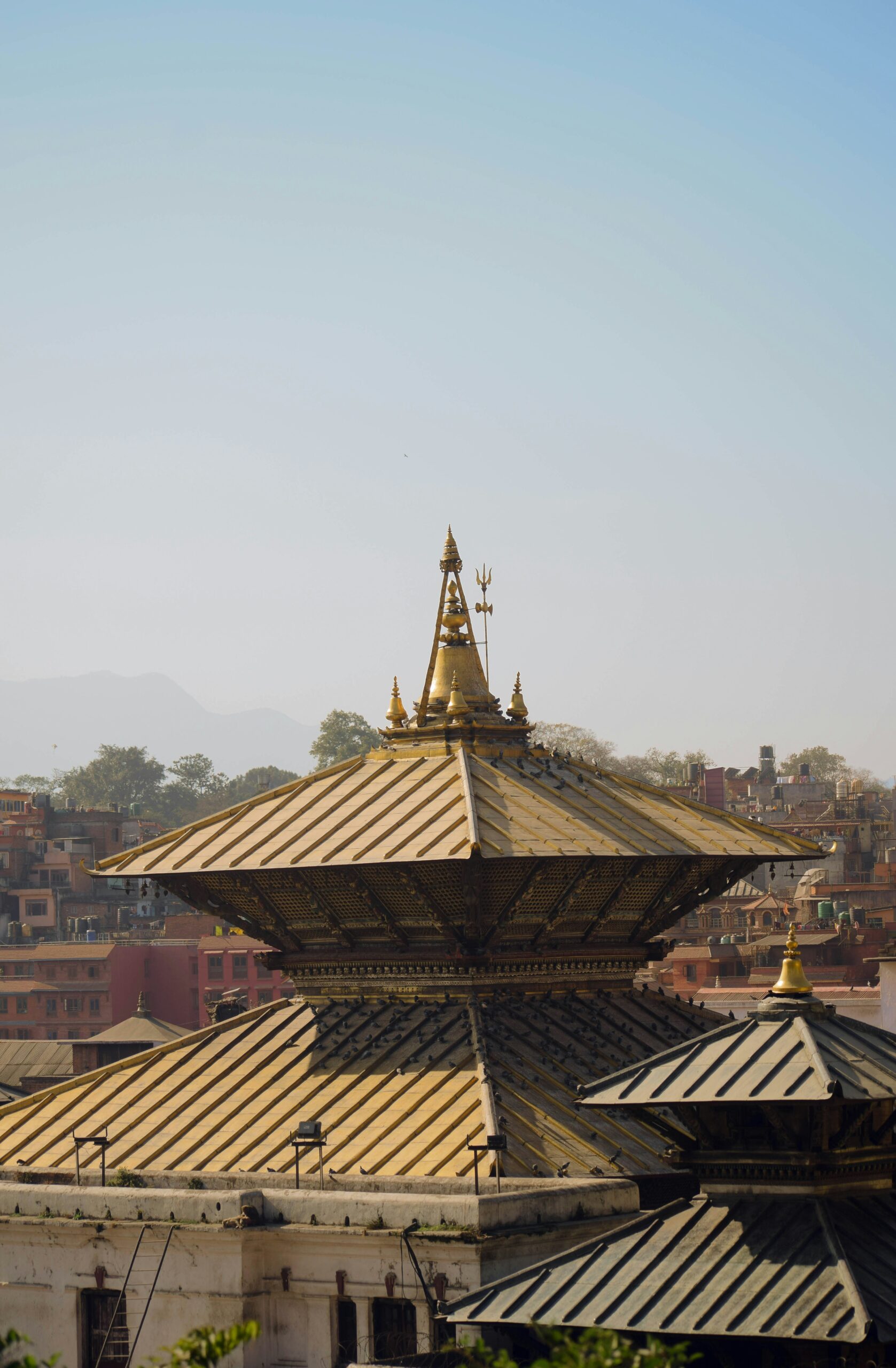
Introduction
The name Pashupatinath means “Lord of All Living Beings” (Pashu – animals/living beings, Nath – lord). In Hindu belief, Lord Shiva as Pashupatinath is the protector of life and the cosmic order.
Pashupatinath Temple is the most sacred Hindu temple located at the banks of the sacred River Bagmati in Kathmandu; it is considered to be the most highly regarded temple in Nepal and is also a UNESCO world heritage site. This world heritage site is an ancient temple complex which attracts millions of pilgrims and visitors every year that constitutes not only a spiritual sanctuary but also a cultural riches with very significant information on the Nepali cultures.
When you are approaching to visit the Shree Pashupatinath Temple Kathmandu Nepal many travelers feel overwhelmed because of the unpredictability of the area and the lack of proper guidance. The complex is large in size and consists of a lot of shrines, ghats and sacred spaces with their particular significance and practices. Reading the history, structure and cultural etiquette of the temple will be helpful in gaining knowledge about the temple, which will help people visit the holy place with due respect and meanings.
This guide has all the answers you need to make your visit to the Temple of Pashupatinath both profitable and enjoyable whether it comes to realistic planning or spiritual understanding of this place. Regardless of whether you hope to develop a spiritual nourishment, learn more about the Nepal culture, or just happen to be in the country and wish to visit one of the most significant temples seeing other religions, with the help of this guide, you will feel free to move around Pashupatinath with no problems and respect.
Quick Facts About Pashupatinath Temple
| Fact | Information |
| Location | Kathmandu, Nepal, on the banks of the Bagmati River |
| Deity | Lord Shiva (as Pashupatinath – Lord of All Living Beings) |
| UNESCO Status | Listed as a UNESCO World Heritage Site since 1979 |
| Temple Style | Traditional Nepalese pagoda architecture |
| Main Features | Golden roof, four silver-plated doors, intricate wood carvings |
| Religious Significance | One of the holiest Hindu temples, especially for Shaivites |
| Legends | Built on the site where a cow revealed a hidden Jyotirlinga |
| Access Rules | Only Hindus allowed inside the main sanctum; others can view from outside |
| Festivals | Maha Shivaratri, Teej(draws hundreds of thousands of devotees) |
| Special Rituals | Evening Bagmati Aarati with lamps, chants, and music |
| Bagmati River Role | Sacred for ritual baths and cremation ceremonies |
| Other Attractions Nearby | Guhyeshwari Temple, Sleshmantak Forest (Deer Park) |
| Opening Hours | Generally 4:00 AM – 9:00 PM (ritual times vary) |
| Drone Rules | Flying drones is prohibited without an official permit |
| Entry Fee | Small fee for foreign nationals; free for Hindus |
| Gold Plating Detail | An estimated 142 kg of gold is needed for the roof and Jalahari. Of this: |
| – 108 kg is for the Jalahari (gold covering for the linga) | |
| – The rest is for the roof and Basaha (sacred bull statue) |
Pashupatinath Temple Kathmandu – History, Architecture, and Spiritual Significance
Historical and Mythological Roots
The Pashupatinath Temple Kathmandu is considered to be the holiest Hindu temple in the world; it is devoted to Lord Shiva. Its history is surrounded by amazing myths. Among the most favorite legends was that of a heavenly cow, called Supa (or Sipa), which on the sly wetted one place every day with her milk. Inquisitive villagers excavated at the place and found a Sacred Jyotirlinga- the radiant form of Lord Shiva. After some time a temple was constructed to safeguard and worship this sacred location.
The temple is a long-standing nerve center of spiritual tendencies. It dates back to the Lichhavi period (approximately the 5 th century). The temple was later expanded and beautified by the Malla kings who provided it with much of its current adornments. During the Shah dynasty, restoration and preservation works ensured the temple remained a vibrant place of worship.
Architectural Grandeur and Layout
The other major temple is built in typical pagoda form which is a patrimony of conventional Nepalese architecture. The rosy tops and four silver-plated doors, the intricately finished wooden beam have a craftsmanship that is unsurpassed. The rich wood work in the temple illustrates Hindu mythology, giving the temple the halo of sacredness.
In the Pashupatinath Temple Kathmandu complex, several little shrines to various deities, open courtyards land used to congregate and rituals performed were present. There is the Bagmati River that flows beside the temple giving it a spiritual touch. According to Hindu belief, this is a divine river and the Ghats (stone steps) were used to bathe and cremate its people.
Spiritual and Cultural Significance

Pashupatinath is more than a temple, it is a center of faith. It is a pilgrimage destination and Hindu pilgrims travel across the globe to arrive in significant numbers during Maha Shivaratri, when there are prayers, chants and offerings perpetuated to Lord Shiva throughout the night.
A ritual and pujas (a ceremony of worship) with the Bhattas, whose priesthood remains extremely highly honoured and educated in ancient Vedic precepts, are carried out on a daily basis. Prayers are devoted, incense is burned, flowers are offered in the hope of blessings of health, material and spiritual well-being.
Probably the most impressive here is the sight of Sadhus- holy men in saffron robes, full of ash bodies and painted faces. They lead an ascetic life and are in the process of meditation and service of Lord Shiva. It lends a special spiritual energy to the temple.
Exploring the Main Temple Complex
The Main Pashupatinath Temple:
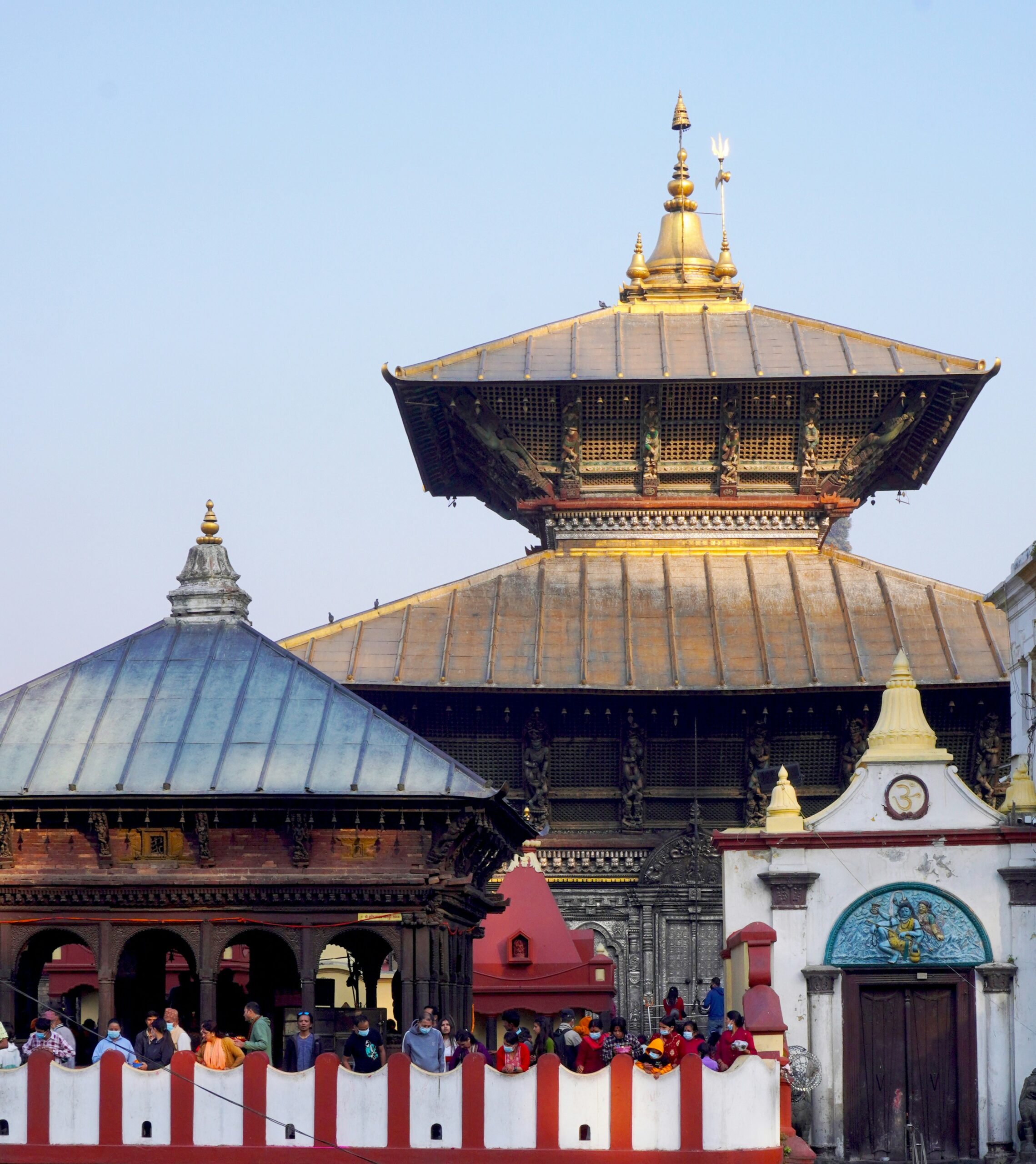
Pashupatinath Temple Kathmandu has an impressive main temple which stands out as a sturdy golden pagoda as the spiritual core of the whole complex. It has an architecture that shows the dexterity and art of a classical Nepalese design with a golden roof, highly decorated wooden beams, and four golden plated doors that gleam in the sunlight. The temple is a work of genius that unites dedicatedness and beauty.
Strangers who are not of the Hindu faith are not allowed to enter inside the inner sanctum. Nevertheless, you can view the temple on the outer courtyard or view it across the Bagmati River. You can see the majesty of the building, the ringing of bells and the chanting in the air which makes you feel how spiritually significant the temple must be.
Gorakhnath and Surrounding Shrines:
Many small temples and shrines of various Hindu gods are encircled by the main shrine. Each of them has its history and importance. The most notable of them, is the Gorakhnath Shrine dedicated to a holy saint of the Nath culture whose principles and spiritual impact are still felt in Nepalese culture. Such shrines usually gain many adherents who visit them to submit prayers, to burn oil lamps and to make offerings.
In going through these mini shrines, people have a possibility of viewing the variety of worship and symbolism in the temple grounds. Most of the buildings have elaborate stone and metal works, which makes the complex have an artistic touch. All the shrines have varying spiritual narration, so the whole place seems to be a real museum of religion.
Bagmati River Banks:

The Bagmati River is the river adjoining the Pashupatinath Temple Kathmandu in tremendous Hindu religious importance. Its ghats, or stone steps, are where adherents take ritual baths and think that the waters have the power of cleansing the soul. The river is also critical in the last rites of life since cremation is done along the river as a traditional rite among the Hindu.
Visitors can quietly observe these rituals from a respectful distance, gaining insight into Nepal’s ancient customs. It is important to remain silent, avoid photography during ceremonies, and be mindful of grieving families. This area offers a profound reflection on the cycle of life and death in Hindu belief.
Beyond the Main Shrine: Other Key Areas
Guhyeshwari Temple:
The Guhyeshwari Temple that is situated just a few steps away from the main complex is one of the 51 Shakti Peeths and hence one of the most significant pilgrimage destinations to those who worship Goddess Parvati. Its name means a goddess that is hidden and the structure has strong ties to goddess Shakti veneration in Hindu religion. Its architecture is not as sophisticated as the Primary Pashupatinath Temple, but the influence of its spiritual power is no less.
Tantric practitioners and pilgrims, especially Indians and Nepali people, flock to the temple in order to conduct rituals to seek divine blessings. It is calm and has a special spiritual angle whereby it has to be visited by anyone who wishes to experience the inner sides of the Hinduism religion in Kathmandu.
Vrindavan and Sleshmantak Forest:
Vrindavan and Sleshmantak Forest is also called the Deer Park and has a natural and serene getaway within the temple premises. Big trees shade the area and wildlife which includes monkeys and deer are found here. It is widely employed as contemplation, prayer and silent place.
It is said that since ancient times, the forest has been a mystical arena that dates back to Hindu spiritual teachings in the Hindu epics. Strolling through this place gives the visitors a serene relaxation that is needed after going through the hectic temple environment and yet gets a sense of the spirit of Pashupatinath Temple Kathmandu.
Observation of Sadhus:

Another of the most outstanding visually conspicuous scenes in Pashupatinath is the Sadhus, or Hindu holy men. They roam the countryside in saffron robes and with ash smeared bodies and paint on their faces leading a life of renunciation and intense spiritual discipline. A number of them observe strong vows and lead their lives in meditation and the worship of Lord Shiva.
Though many Sadhus welcome talk or photos, it is always a good idea to ask. Others can share gifts or give a description of their spiritual path. They give a fresh sanguine touch to the temple and hence it is the continuance of the centuries-old traditions.
Experiencing Pashupatinath: A Visitor’s Guide
If you are planning to visit Pashupatinath Temple Kathmandu, it’s good to prepare in advance so your experience is smooth and meaningful.
Pashupatinath Temple arati time: The evening Aarati begins daily at 6:00 PM.
Pashupatinath temple opening and closing time: The inner main shrine of Pashupatinath Temple opens for morning rituals and viewing from 5:00 AM to 12:00 PM, and again for evening rituals from 5:00 PM to 7:00 PM. Outside and surrounding the Pashupatinath temple it is open 24 hours throughout the year.
Access: Pashupatinath Temple is just a 10-minute drive (4.7 km) along Pashupati Road (Pashupati Sadak). You can get a taxi, public bus or even use online ride sharing apps like Pathao and Indrive to reach Pashupatinath Temple.
Best Time to Visit: Early mornings are perfect for peaceful darshan (viewing) and prayers. Evenings are magical during the Pashupati Bagmati Aarati, when lamps, music, and chants create a spiritual atmosphere. If you prefer quiet moments, avoid visiting during major festivals like Maha Shivaratri, Teej as the temple becomes extremely crowded.
Entry Fees and Access Rules: There is a small entry fee for foreign nationals to enter the temple premises. However, non-Hindus are not allowed inside the main temple sanctum – you can admire its beauty from the outside and explore the surrounding areas. Hindus can enter the main shrine after following proper rituals.
Dress Code and Etiquette: It is sensible to wear the proper dress while visiting religious sites. So if you are planning to visit make sure to wear a dress that covers shoulders and knees. Remove your shoes before entering any sacred area. Photography is restricted in certain parts, and touching idols or sacred objects is not allowed.
Tips for a Respectful and Meaningful Visit
- Photography: Follow posted rules. Avoid taking pictures inside restricted areas or during sensitive rituals.
- Using drone: Flying an RPA or drone inside the Pashupatinath Temple is strictly prohibited without a permit. Check out: Drone laws of Nepal
- Dealing with Touts and Beggars: Politely decline any offers for unsolicited services or items.
- Engaging with Locals: A smile and respectful conversation can make your visit richer. Learning a few Nepali greetings is appreciated.
- Personal Reflection: Take time to sit quietly, watch the river flow, listen to the temple bells, and soak in the centuries-old spiritual energy of the place.
Related Pilgrimage: Kailash Mansarovar Yatra
Many devotees include a visit to Pashupatinath Temple Kathmandu as part of their Kailash Mansarovar Yatra. It is believed that offering prayers here before starting the yatra brings blessings for a safe and successful journey. If you are planning to travel to Kailash Mansarovar, consider spending a day in Kathmandu to visit Pashupatinath and nearby sacred sites.
Read More About Kailash Mansarovar Yatra

Sabin Shrestha is an experienced content writer with over 4 years of expertise in creating clear and engaging content. He specializes in writing about lifestyle, travel, health, and technology, delivering well-researched articles that connect with readers. Known for his storytelling skills and attention to detail, Sabin creates content that informs, inspires, and leaves a lasting impression on audiences.

