


 English
 Dutch
Dutch Japanese
 Hindi
Hindi Italian
 Spanish
 French
 German
 Chinese
 Korean
 Arabic
 Hebrew
 Russian
 Portuguese
 Danish
 Czech
Czech Polish
 Swedish
 Share
ShareNepal Country: Location, Map, Culture, History, and Travel Tips

 Updated: 3 September, 2025
Introduction: The Land of Gods and Giants
Just imagine getting up into the first golden sun rays touching the Himalayan mountains, hearing the resonating call of the temple bells in a crowded square, and being overwhelmed by the silent presence of Mount Everest. It is Nepal where nature and spirituality become one in every step.
Nepal is a small country between India and China, commonly referred to as the Land of Gods and Mountain peaks. It is the home of the highest mountains on the planet, and it is the home of over a hundred different cultures coexisting peacefully. The differences are breathtaking: snow-trek tracks to mysterious monasteries, colorful festival crowds in empty valleys, and old traditions that live in a new world.
Through this guide, we will show you the beautiful scenery, rich culture, places that you should visit, delicious food, and useful travel information in Nepal that all you need in order to begin the planning process of your own Nepal Himalayan adventure.
“Welcome to Nepal, where every mountain tells a story and every temple whispers of timeless traditions.”
Nepal Country at a Glance: Quick Facts
| Facts | Detail |
| Official Name | Federal Democratic Republic of Nepal |
| Capital | Kathmandu |
| Population | 30 million |
| Area | 147,516 sq km (about the size of New York state) |
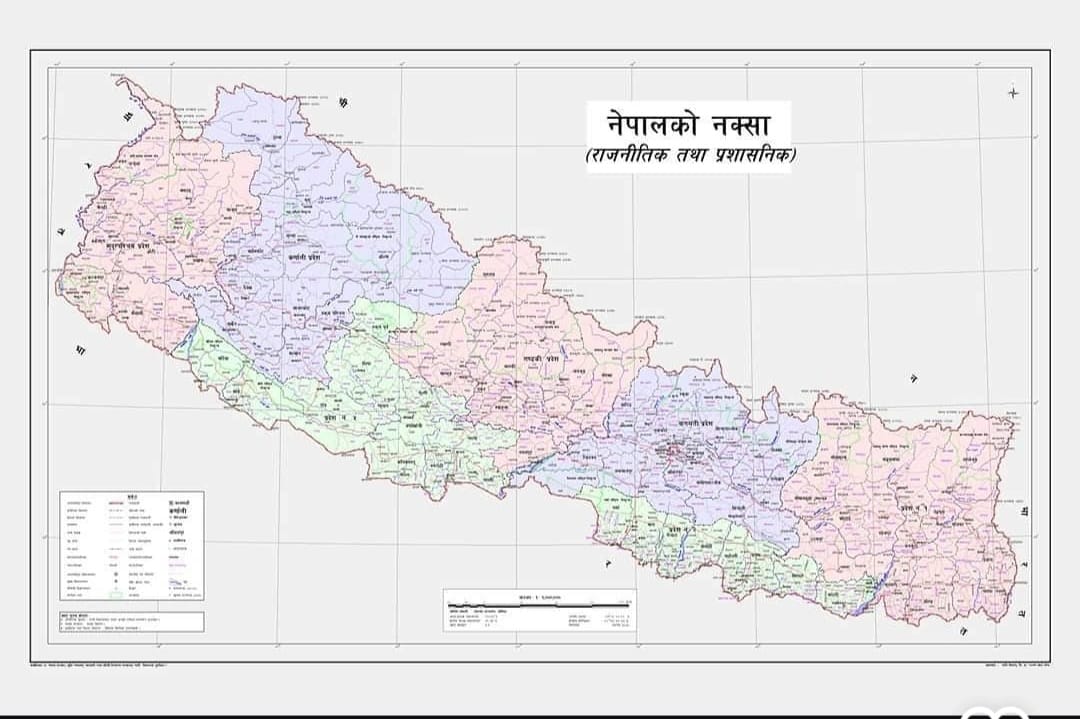
| Location | South Asia, between China (Tibet) and India |
| National Bird | Himalayan Monal (Danphe) |
| National Flower | Rhododendron |
| Currency | Nepalese Rupee (NPR) |
Nepal Country Map
A Brief History Timeline of Nepal
600 BCE – Early Kingdoms: The Gopalas and Kirats, early rulers, establish settlements in the Kathmandu Valley.
12th–14th Century – Malla Dynasty: Flourishing trade, arts, and architecture; many Durbar Squares and temples built in Kathmandu, Patan, and Bhaktapur.
1768 – Unification under Shah Dynasty: Prithvi Narayan Shah unites small kingdoms into modern Nepal.
19th Century – Rana Rule: Powerful Rana prime ministers dominate politics, keeping the monarchy as a figurehead.
1951 – End of Rana Regime: Democracy begins; the king regains power, but political parties emerge.
1990 – Constitutional Monarchy: Popular movement leads to a multi-party democracy under a constitutional monarchy.
1996–2006 – Maoist Insurgency: A decade-long civil war ends with the peace agreement and end of monarchy.
2008 – Federal Democratic Republic: Nepal officially becomes a republic, abolishing the monarchy and establishing the Federal Democratic Republic of Nepal.
A Land of Geographic Extremes
Nepal is a small country, but its geography is as dramatic as it can be. With the Himalayan mountains forming a freezing contrast to the steaming jungles in less than 200 kilometers, the country is made of incredible contrasts.
The Three Natural Belts:
Terai: The southern lowlands are level, fertile, and filled with wildlife. It is here that you will find green jungles, vast agricultural fields, and Chitwan National Park, where rhinos, elephants, and Bengal tigers are found.
Pahad: As you go northwards, the hills of central Nepal come up with fields of terraces, rushing rivers, and valleys filled with towns and villages. Pokhara and Kathmandu are the vibrant cities in this region where nature and culture merge.
Himal: At the northern end, the country is lifted abruptly toward the Himalayas, the crown of Nepal. It is home to 8 out of 14 tallest mountains in the world, including the highest mountain in the world (Mount Everest), which is located in this region.
Climate: Having such dramatic shifts in height, the climate of Nepal varies between the subtropical in the Terai region to the cold in the Himalayas. Due to the diversity in the landscape, you can experience warm jungle safaris, cool hill breezes, and snow-capped mountain trails in a single trip.
A Rich Tapestry of Culture and People
The most special thing about Nepal is not the mountains alone but the people and their traditions. Nepal, being such a tiny country, is extremely diverse, comprising more than 125 ethnic groups, each possessing its own traditions, manner of dressing, music, and living style. Some of the largest ones include the Chhetri, Brahmin, Newar, Magar, Tharu, Gurung, and Sherpa, yet they all create a mosaic of colors that is what makes Nepal stand out.
Languages: Although Nepali is the official and a common language in the country, over 120 regional languages are still spoken in various parts of the country, in the hills and in the plains, and local identities remain alive.
Religion: Nepal is among the very few places where Hinduism and Buddhism have existed in peace over the centuries. Nepal is about 81 percent Hindu and 9 percent Buddhist, yet communities of Islam, Kiratism, and Christianity also exist. You can find temples and stupas next to each other, and this indicates the harmony of faith that is characteristic of Nepal.
Unique Tradition – Kathmandu still practices a very old tradition where a young girl, selected due to her spiritual purity, is venerated as the Kumari, or Living Goddess. She blesses the worshipers and is said to be a living embodiment of divinity.
Festivals: There are a lot of cultures and religions, so it is not a wonder that Nepal holds festivals throughout the year. The biggest festivals of Nepal are Dashain and Tihar, which are celebrated throughout Nepal. Other major celebrations include Holi (festival of colors), Buddha Jayanti (Buddha’s birthday), Christmas, Chhath, Eid, Jatras( street festival), and Teej (a women’s festival of devotion and dance).
Must-Visit Destinations & Experiences
Nepal presents you with experiences that you will live to remember, starting with holy temples and snow-white mountain peaks. Cultural, adventure, and peace, you can have it all, here are the top things not to miss out on:
Kathmandu Valley – A Living Museum
The Kathmandu Valley is the centre of Nepal culture with various UNESCO World Heritage sites. Explore the historic Durbar Squares of Kathmandu, Patan, and Bhaktapur, the all-seeing eyes of the Swayambhunath Stupa (Monkey Temple), the prayer wheels at the massive Boudhanath Stupa, or Hindu practices by the sacred Bagmati River at Pashupatinath Temple.
Pokhara – Adventure Capital
The city is a haven of adventure and fantasy, and situated on the shores of Phewa Lake with a stunning view of the Annapurna range, Pokhara is a city that is ideal for both adventurers and dreamers. Fly on a parachute over the valley, relax on a peaceful boat ride over the lake, or sit back and enjoy the mountain scenery, which seems straight off the postcard.
Trekking Paradises
No visit to Nepal would be complete without trekking. The classic Annapurna Circuit and the accessible Langtang Valley Trek, the legendary Everest Base Camp Trek, and many others of any degree of difficulty are all available. You will also find dramatic scenery, friendly villages, and memorable mountain scenes along the way.
Wildlife Encounters
Nepal is not only a mountain country, but also a country of jungles and wildlife. Go to the Chitwan National Park to take a jeep safari and see rhinos, elephants, crocodiles, and the elusive Bengal tiger. Bardia National Park is a little more off-road, and the safari experience is wilder and quieter.
Spiritual Journey – Lumbini
Enter the home of Lord Buddha at Lumbini, a calm pilgrimage destination of monasteries, meditation centers, and holy gardens. It is a place where history and spirituality merge and where visitors can slow down and take a moment.
A Taste of Nepal: Food & Drinks
Food is one of the most effective means to know Nepal better. Nepali cuisine is simple and yet rich in flavor, as it is a product of diversity, as the Himalayas, India, and Tibet influence the country.
Staple Dish – Dal Bhat

Dal Bhat or steamed rice with lentil soup, vegetables, and pickles is the core of any Nepali meal. It is not just a meal, it is a ritual, and locals eat it twice a day to maintain their energy on long journeys.
Popular Dishes to Try
Momo: Travellers can taste a variety of momos like Buff, steam, chilli, Jhol, and fried, which are made with different cooking styles. Momo is a favourite snack for all Nepalis. You can find momo everywhere in Nepal, from small roadside stalls to big restaurants.
Thukpa: Similar to the Tibetan-style noodle soup, you can enjoy Thukpa either in the early morning, at lunch, or at night. Thukpa can be made with vegetables, chicken, or mutton, and the taste of the thukpa depends on the region and the soup.
Sel Roti: It is a homemade Nepali cultural dish that is used for rituals and festivals in Nepal. Sel Roti is often enjoyed with tea, yogurt, or curry. You can find them in local restaurants as well as in restaurants.
Newari Cuisine: The food that you should not miss while you are in Nepal is Newari food. Newari dishes are very popular in Nepal, and you can find hundreds of Newari dishes that reflect the rich Newari culture and traditions. The most popular ones are: Samay Baji, Yomari, Bara, and Choila.
To taste the authentic Newari dish you can visit the Kathmandu, Pathan and Bhaktapur heritage sites.
Traditional Drinks
- Chiya: Spiced Nepali milk tea that you’ll be offered almost everywhere.
- Raksi: A homemade distilled spirit, often served during festivals and celebrations.
- Tongba: A warm, fermented millet drink sipped through a bamboo straw—especially popular in the mountain regions.
From comforting soups to festive sweets, Nepal’s cuisine is as diverse and colorful as its people, making every meal part of the cultural journey.
Essential Travel Information
Travelling in Nepal is super easy, even though you are a first-time visitor. Here are a few tips that will be helpful if you are planning to visit Nepal for the first time:
Visa:
To enter Nepal, all travellers need to have a tourist visa, and they can get this visa either from their home country or on arrival at Kathmandu airport. All you have to do is fill out the form and submit the fees for the visa. You can pay visa fees in different currencies like the EURO, USD, Swiss Francs, Pound Sterling, Australian Dollars, Canadian Dollars, and more. To get the visa, make sure you have a valid passport( validity of at least 6 months).
- For 15 Days tourist visa cost: USD 30
- For 30 Days tourist visa cost: USD 50
- For 90 Days tourist visa cost: USD 125
Read more: How to get Nepal Visa
How to Reach Nepal:
By Air:
The easiest way to reach Nepal is by air, taking a flight to Tribhuvan International Airport (TIA) in Kathmandu. There is a regular flight that connects Nepal to major cities across Asia and the Middle East. If there is no direct flight from your home country, then you can take connecting flights via hubs like Delhi, Doha, Dubai, Bangkok, or Kuala Lumpur.
By Land:
Some travellers also love to enter Nepal through the border of India and China. Here are the available options to enter through our neighbouring country:
- From India: Travellers have different options to reach Nepal from India, like by bus, car, foot, or direct flight. You can also take a train to border towns like Gorakhpur or Raxaul and then transfer to a jeep or bus to enter Nepal.
- From China (Tibet): Travellers can also enter Nepal through Tibet main border crossing which is Rasuwa (Kerung/Gyirong Pass). It is one of the famous routes from Nepal to go for the Kailash Mansarovar Yatra from Nepal.
Local Currency and Foreign Exchange:
The official currency of Nepal is Nepalese Rupees(NPR).
Denominations:
- Banknotes: 1, 2, 5, 10, 20, 50, 100, 500, 1000 NPR
- Coins: 1 and 2 NPR
Currency Exchange:
You can exchange foreign currency at:
- Tribhuvan International Airport (TIA)
- Banks and licensed money exchange centers in major cities and tourist areas
Nepal Weather and Temperature:
Nepal’s weather varies widely due to its diverse geography:
- Terai (Lowlands): Subtropical climate; hot summers (25–40°C) and mild winters (10–25°C).
- Pahad (Hills): Moderate climate; warm days and cool nights, temperatures range 15–30°C in summer, 5–20°C in winter.
- Himal (Mountains): Alpine to arctic; cold year-round, often below freezing at higher altitudes.
Seasons:
- Spring (March–May): Blooming flowers, mild temperatures.
- Summer/Monsoon (June–September): Heavy rainfall, lush landscapes.
- Autumn (October–November): Clear skies, ideal trekking weather.
- Winter (December–February): Cold, especially in the mountains; good for lowland travel and sightseeing.
Getting Around:
Inside Nepal, to travel, you can use domestic flights to cover the long distances. For the short destination, you can use tourist buses, taxis, and private cars. You can also use the ride-sharing apps like Pathao or Indrive to make your journey more convenient in city areas like Kathmandu or Pokhara.
Money & Budgeting:
Nepal is one of budget budget-friendly destinations in the world. Travelling here is affordable compared to other countries. In the city areas you can use your debit card/credit card, online transfer, bank transfer but at the remote destination cash is king. If you are travelling in village areas or outside the city area, make sure to carry enough cash by exchanging it from the city area.
Altitude Sickness:
If you are travelling here in Nepal for trekking or climbing purposes, then you should be aware of altitude sickness. Altitude sickness is a real risk at high altitude, so make sure that your itinerary has enough acclimatisation and you follow all the preventive measures well. Travel in a safe way, and if you are solo travelling, make sure to hire a guide or porter to make your journey safe and enjoyable.
Practical Tips & Cultural Etiquette
There are no complex rules for foreign travellers to know while you are visiting here in Nepal. To make your trip more meaningful, be aware of local customs and show some appreciation for Nepalese culture.
Here are some simple tips to keep in mind:
- Dress Modestly: While you are visiting the religious sites, make sure to wear the proper dress. Remove the shoes before entering temples, monasteries, or someone’s home.
- Right Hand Rules: In the context of Nepal here to give, receiving items, and for eating, use your right hand.
- Public Behavior: Avoid public displays of affection, which are considered inappropriate in many areas.
- Photography Etiquette: Always ask permission before taking photos of people, particularly monks or villagers.
- Greetings: A simple “Namaste” with palms together is a respectful way to greet locals.
Following these guidelines will help you connect with locals, show respect, and enjoy a smoother, more authentic experience in Nepal.
FAQ Section
Is Nepal Country safe?
Nepal is one of the safest countries in the world where you can travel safely without worrying much whether you are travelling solo, with friends, or with family. Even though it is safe to travel, if you are travelling in a remote destination, make sure to secure your belongings and follow safety rules. Having travel insurance is recommended if you are here for adventurous activities like trekking, climbing, rafting, paragliding, zip-lining, or jungle safaris.
Do I need a visa to visit Nepal?
Yes, all the foreign travellers except Indian nationals need to obtain a visa to enter Nepal. You can easily get an arrival visa at the Kathmandu airport after completing legal formalities and paying the visa fee. Some of the nationalities may need to apply in advance for this you can check this site:
Can I extend my visa in Nepal? If Yes, how?
To extend your tourist visa, visit an immigration office (Kathmandu or Pokhara) before your current visa expires.
- Complete the Online Application: Fill out the visa extension form on the Nepal Immigration Portal and print the barcode receipt.
- Gather Documents: Bring your passport, a photo, copies of your passport and current visa, the barcode receipt, and the extension fees in Nepali Rupees.
- Submit to Immigration: Hand in your documents at the office, pay the fees, and your visa will be extended.
Is it fine if I overstay here in Nepal?
Overstaying is not recommended. If you overstay less than 30 days, you must pay a fine of US$3 per day, plus a US$2 per day visa extension fee, usually at the airport. It’s much safer to extend your visa in advance at the Central Immigration Office in Kathmandu to avoid delays or missing your flight.
How do I get trekking permits?
Trekking in Nepal requires permits, depending on the region. For example: National Park or Conservation Area Permits – required for areas like Annapurna, Everest, and Langtang.
Permits can be obtained through trekking agencies or at official checkpoints before starting your trek.
How to get peak climbing permits in Nepal?
You need an official permit from the Nepal government, usually obtained through a registered trekking or expedition agency. Requirements include a passport copy, climbing itinerary, team list, and insurance. Fees and approval times vary by peak. High peaks like Everest require special approval.
What should I pack?
Packing depends on the season and trek, but essentials include:
- Clothing items(all weather conditions)
- Gear items( for trekking, hiking, climbing)
- Toiletries and Health Essentials
- Sun protection (hat, sunglasses, sunscreen)
- Travel documents, cash, and trekking permits
- Basic first-aid kit and personal medications
When is the best time to visit Nepal?
You can visit Nepal all year round, but the best months are October–November for clear skies and breathtaking mountain views, and March–April for spring blooms and pleasant temperatures. The monsoon season (June–September) brings heavy rain, and winter (December–February) can be very cold in the mountains, so plan accordingly.
Where can tourists contact during an emergency?
You can find the Tourist Police at airports, hotels, and popular tourist sites, or call their hotline: +977-1-4251000. In urgent emergencies, you can also dial 100 directly.
Is Nepal a part of India?
No, Nepal is an independent country. It is a sovereign nation located in South Asia, bordered by China (Tibet) to the north and India to the south, east, and west.
Which countries border Nepal?
Nepal is landlocked and shares its borders with China (Tibet) to the north and India to the south, east, and west.
Conclusion: Your Unforgettable Journey Awaits
Nepal is a place where nature, spirituality, and hospitality are united to form an experience that one cannot forget. Nepal has to offer something to anyone, be it adventure, cultural exploration, or a relaxing time. Are you about to begin planning your trip to Nepal? Explore our trekking guides here, and if you have any questions about traveling in Nepal, feel free to drop them in the comments!

Sabin Shrestha is an experienced content writer with over 4 years of expertise in creating clear and engaging content. He specializes in writing about lifestyle, travel, health, and technology, delivering well-researched articles that connect with readers. Known for his storytelling skills and attention to detail, Sabin creates content that informs, inspires, and leaves a lasting impression on audiences.

