


 English
 Dutch
Dutch Japanese
 Hindi
Hindi Italian
 Spanish
 French
 German
 Chinese
 Korean
 Arabic
 Hebrew
 Russian
 Portuguese
 Danish
 Czech
Czech Polish
 Swedish
 Share
ShareLangtang Region Packages
Explore the packages of Langtang Region.


Short Information
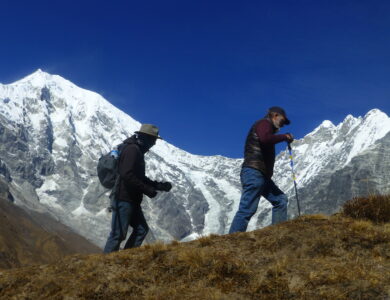
The Langtang Region also known as “The Valley of Glaciers” is the most beautiful and convenient trekking destination in Nepal. It is an ideal combination of the wild mountain scenery, the tranquil alpine meadows and the richness of the local culture. Located only a few hours drive away from Kathmandu, Langtang welcomes the trekkers into the world where the high peaks, deep forests and old villages intertwine in the one magnificent valley.
The path begins with warm green woodland of rhododendron, pine, and bamboo. There are rare wildlife in this lower part like the Red Panda and Himalayan Tahr. Landscapes change rapidly with the rise of height. The trail leads to the popular Langtang Valley which is enclosed by steep mountains such as Langtang Lirung (7,234m) and Ganesh Himal(7,422 m).
It takes you to Kyanjin Gompa (3,870m) and a quiet village at the high altitude which is the core of the trek. It is also the starting point where hikers can venture into the perspectives such as Tserko Ri (4,984m), where one can have breathtaking panoramic sites of snowy peaks and the Tibet border.
The Tamang people also make Langtang their cultural home whose traditions are strongly connected with Tibetan ones. Hiking here provides you the opportunity of exploring this rich culture in the first hand by way of homely hospitality, local cuisine and centuries old monasteries.
Key Highlights of the Region:
- Proximity to Kathmandu: Close to Kathmandu( around 140 Km road distance), Highly accessible and easy to reach for trekkers due to multiple transport options.
- Cultural Immersion: Direct engagement with the people of the Tamang community.
- Diverse Ecosystem: Ranging from subtropical forests to alpine terrain and high-altitude lakes.
- Glacier Views: Witness the impressive Langtang Lirung (7,227m) up close.
- Mountain:
Mountains Visible from Langtang Trek
- Langtang Lirung (7,234m) – The highest peak in the Langtang Valley, dominating the skyline.
- Langtang Ri (7,205m) – Close neighbor of Langtang Lirung, offering dramatic views.
- Shishapangma (8,027m) – Visible from high viewpoints near the Tibetan border.
- Ganesh Himal (7,422m) – Spectacular range west of the Langtang Valley.
- Dorje Lakpa (6,988m) – Towering peak seen from the lower and mid sections of the trek.
- Tsergo Ri Surrounding Peaks (4,900–5,000m) – Provides close-up views of surrounding ridges and glaciers.
Trekking Opportunities in Langtang Region
The Langtang Region offers a versatility that caters to varying levels of experience and time constraints. Our expertly crafted itineraries ensure safety, maximum enjoyment, and responsible travel.
| Trek Route | Duration (Avg.) | Difficulty | Key Attractions |
| Langtang Valley Trek | 5–10 Days | Moderate | Experiencing the rejuvenated Langtang Valley, Kyanjin Gompa, and panoramic mountain viewpoints. |
| Gosaikunda Lake Trek | 5–7 Days | Easy to Moderate | Visiting the sacred high-altitude lakes revered by Hindus and Buddhists. Excellent high-pass experience. |
| Helambu Trek | 7–10 Days | Easy to Moderate | Lower altitude culturally rich trek, famous for its Sherpa villages and monasteries. Ideal for first-time trekkers. |
| Tamang Heritage Trail | 6–8 Days | Easy to Moderate | A dedicated cultural journey focusing on traditional Tamang villages, hot springs, and local handicrafts. |
The Tamang Legacy and the Langtang National Park
Cultural Significance: The Tamang people are the heart of the Langtang Region. Their traditions, distinct architecture (stone houses and intricately carved windows), and vibrant festivals provide a compelling cultural backdrop to the natural beauty. Trekkers are invited to stay in community-run teahouses, offering an authentic taste of local life and directly contributing to the economic vitality of these villages.
Langtang National Park (LNP): Established in 1976, LNP is the closest Himalayan national park to Kathmandu. The park boasts an incredible biodiversity, traversing elevations from 1,000m to 7,227m. Keep an eye out for wildlife such as the Himalayan Tahr, Musk Deer, and, if you are fortunate, the elusive Snow Leopard. The park is also famous for its dense forests of ancient oak and spectacular blooming rhododendrons in the spring.
Langtang Earthquake 2015
The Langtang region faced a devastating earthquake in 2015, April 25. The main epicenter was the Gorkha District at Barpak, However, the tremor’s tremendous power generated a colossal rock and ice avalanche, which almost fully wiped out the main community of Langtang Village. Around 350 died in Langtang Region and it destroyed the trekking trails, tea houses,s and local homes were damaged or swept away.
After the support from the Nepal government, NGO, INGO and international trekking community, it helped to recover Langtang. Today, the Langtang Region trails are fully operational, the tea houses have been rebuilt stronger and safer, and the local communities are eager to share their renewed villages with the world.
Trekking in the Langtang region shows you how life can rise again even from the rubble if you are strong. When you visit here it will help to support the local livelihoods and create job opportunities. So trekking here means you will not only enjoy adventure but also contribute to the recovery and growth of the local communities.
How to Reach Langtang Region
Trekkers can reach the Langtang region by using road transportation. Syabruesi is the starting trekking point in the Langtang Region. Mainly there are four types of vehicle you can choose from Kathmandu to reach Syabrubesi.
- Local Bus: You can find the local bus from the Gongabu Bus station. The bus departs mostly early in the morning from 9am -11 am. It will cost you around NPR NPR 800 to 1,200 per person.
- Express Local Bus: For trekkers they can use the express local bus from Gongabu Bus station but it has only one departure time which is 7am. It will cost you NPR 1,000 to 1,200 per person.
- Local Jeep (Sumo): Travellers can find the sharing local Jeep outside the Gongabu bus station. This Sumo departs mostly early in the morning like 6 am till 11:30 am and it will charge you around $12 per person.
- Private Jeep: Trekkers can also rent the Jeep to reach Syabrubesi for Langtang Region trek. To rent the Jeep it will cost you around NPR 10,000 – NPR 15,000 per day which includes fuel, driver wages, driver food and accommodation.
Read more: Langtang Region Transportation
Permits Required To Enter the Langtang Region
To enter the Langtang Region for trekking, travellers need to pay a certain amount for the permit. You can obtain this permit from Nepal Tourism Board office in Kathmandu or at the park entrance checkposts in Dhunche or Syabrubesi. The required permits is:
- Langtang National Park Permit: Cost NPR 3,000 per person for tourists, for Nepali NPR 200.
Internet and Communication in the Langtang Region
In the Langtang region village you can find that the internet and communication facilities have improved significantly in recent years.
- WIFI: All the tea houses that you will stay during the trekking in the Langtang Region provide you facilities of WIFI facilities at a small cost. The connection is better in the lower altitude but at higher altitude be prepared for slow connection.
- SIM Cards: Purchasing a local SIM card (like Ncell or Nepal Telecom) before starting your trek can be a good option to use the mobile internet or for communication.Coverage is usually good in the lower villages, but you may still get weak or occasional signals in the higher areas.
- Satellite Phones: For the remote trek in the Langtang Region your trekking guide will carry a satellite phone for the emergency service.
Banks And Atm Facilities in the Langtang Region
- Banks and ATMs: Currently there are no banks or ATMs in the Langtang region itself.
- Cary Cash: You can exchange your local currency from the Thamel money exchange counter before heading for the Langtang Region trek. Carrying around NPR 20,000 will be enough for the snacks, tipping and buying souvenirs.
Food And Accommodation Facility in the Langtang Region
Teahouses and Lodges: You will stay in the tea house( mountain lodge) during your trek in the Langtang region. There are enough tea houses located in the trekking trails. These provide basic but comfortable accommodation, normally twin beds, blankets, and shared bathrooms. You can find luxury accommodations only in Syabrubesi, Gatlang Village Langtang Village, Kyanjin Gumpa, Thulo Shyafru, and Sin Gompa, Kutungsang Villages. In Gatlang Village and in Birdim Village Homestay facilities is available.
Food: There is no separate restaurant in the Langtang region. So during your stay in the tea house your tour operator will arrange meals for you. You can choose the food from the tea house menu. You can enjoy traditional Nepali food “Daal Bhaat”, which is a platter of boiled rice, curry, Greens, lentil soup, and pickles are available everywhere, as well as many types of International (Indian, Chinese, Italian, Continental, Tibetan, etc) foods.
In the Tamang Heritage part of the trail, you can find ‘Must Try’ local food of Tamangs, such as ‘Dhido Sishnu’ and Champa Porridge. For breakfast, you can choose items of bread, eggs, porridge, muesli, cornflakes, pancake, fries, Chapati, etc.
The lunch and dinner menu is the same, which includes items of some vegetables and meats (limited option), spaghetti, pizza, noodles, sandwiches, burgers, Soup, momo, etc, are common foods. The fruit is rare, and you don’t find any seafood items on the menu.
You can also find simple choices of hot beverages that include different types of tea, coffee, hot chocolate, hot lemon with Ginger and honey, etc. In some places, you can also find a simple dessert menu that includes apple pie, chocolate roll, custard, and pudding.
Best Time to visit Langtang Region
Trekking around Langtang Region can be done all time of the year as it is so close to the mainland of Kathmandu valley and most of the trekking destinations are below 4500 meters. However Spring (March, April, May) and Autumn (September, October, November) are the best months. The air, freshly washed by the monsoon rain, is crystal clear, stunning mountain scenery, and the weather is still comfortably warm.
Although Trekking in Langtang region can be taken during winter and monsoon too, but the cold can be bitter and dangerous at high altitudes, trekking trails above 4000 meters are usually blocked by heavy snowfall. And the trails can be slippery due to the monsoon rain and you may have to trek all day under the rain without any view. Nepal’s famous Juka (leeches) are an un-pleasant feature of the wet season, but with care, trekking can still be possible and there are certainly fewer trekkers on the trail.
What to Pack for Your Langtang Region Trek
Trekkers don’t need to pack huge items for the treks inside the Langtang Region. Carry only limited essential items for you because you can find most of the items in the tea house. Let’s see the basic things that you need to carry before heading for the trek:
Clothing
- Warm down jacket
- Fleece or warm mid-layer
- Moisture-wicking T-shirts
- Thermal tops and bottoms
- Lightweight trekking pants
- Waterproof jacket and pants
- Wool or synthetic socks
- Warm hat, sun hat, and buff
- Gloves (inner and warm outer pair)
Footwear
- Strong, comfortable trekking boots
- Lightweight sneakers or sandals for teahouses
Trekking Gear
- Backpack (30–40L for daily use)
- Sleeping bag (good for -10°C to -15°C)
- Trekking poles
- Headlamp with extra batteries
Personal Items
- Water bottles or hydration system
- Water purification tablets or filter
- Sunglasses and sunscreen
- Basic toiletries and wet wipes
- Quick-dry towel
- Personal medications and a small first aid kit
Electronics
- Power bank
- Camera or phone
- Charging cables and adapters
Documents & Money
- Passport
- Langtang National Park entry permit
- Enough cash for the trek (no ATMs in higher villages)
Langtang Region Trek Guide: Safe and Responsible Tips
Hire Guide and Porter: After the new rules from the Nepal Government trekking inside the National park and restricted areas you must be accompanied by a licensed guide. For the safety and your security we suggest you not to trek solo and only travel under the assistance from a reputable trekking agency. A trekking guide knows how to navigate you safely and how to deal with an emergency situation.
Purchase Travel Insurance: Purchasing travel and health insurance before heading for the trek is your safety net. It will help you in case of accidents, illnesses, trek cancellation, flight delay, loss of valuable things and during emergency situations. Your insurance policy must cover high-altitude trekking, medical emergencies, and helicopter rescue.
Altitude and Safety: During the trek in the Langtang Region you will walk at an altitude of above 4,000m to 5,357 m. So you must be aware about the altitude effect like altitude sickness and exhaustion. Follow the well planned itinerary that suits your trekking pace. Learn basic altitude sickness prevention methods, including staying hydrated, ascending slowly, resting when needed, and using medicines like Diamox if required.
Responsible Tourism: Remember when you join the Namaste Nepal trekking you need to strictly follow the Leave No Trace principles. You need to throw the waste only in the designated areas so that we can contribute to protecting the beauty of the Langtang environment.

