English
 Dutch
Dutch Japanese
 Hindi
Hindi Italian
 Spanish
 French
 German
 Chinese
 Korean
 Arabic
 Hebrew
 Russian
 Portuguese
 Danish
 Czech
Czech Polish
 Swedish
 Share
ShareInternational Flights to Nepal

 Updated: 2 May, 2026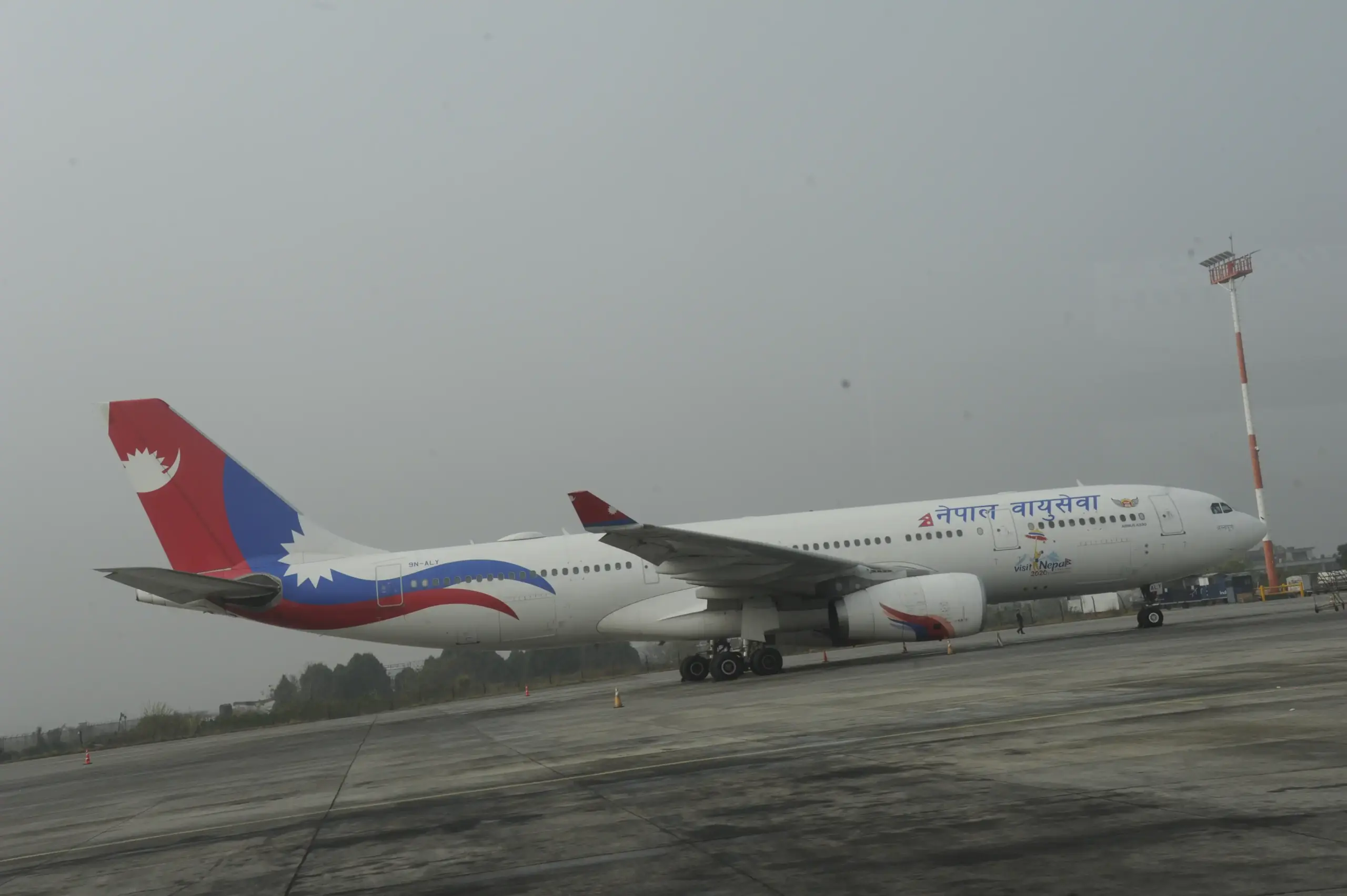
Everything you need to know about international flights to Nepal in April 2026, including safe transit routes, airline resumption schedules, fare changes and practical advice for navigating Middle East airspace disruptions.
For travellers planning a visit to Nepal, the situation with international flights has become more complicated since late February 2026.
Following the escalation of hostilities in West Asia on February 28, 2026, multiple Middle East countries closed or restricted their airspace, severely disrupting the critical transit hubs that most long-haul passengers rely on when flying to Kathmandu.
The flights to Nepal are still operating. We still assure you that it is safe to travel to Nepal as the country itself remains safe and is geographically removed from the conflict. The safety risk is not in the destination, but in the reliability and safety of the flight routes needed to reach it.
So, you might be wondering what exactly is changing due to the Middle East conflict? Well, the primary impact is on air travel.
The closure of airspace over several Middle East countries has severely disrupted the crucial transit hubs of Dubai (UAE) and Doha (Qatar) (Bhandari, 2026). Over 70% of Nepal’s long-haul passengers typically arrive via the Middle East, and with these arteries blocked, flights are being cancelled, re-routed and delayed .
This is a fluid situation. While Nepal remains open for travel, your journey here may involve detours, higher costs and last-minute adjustments.
Important Details for Travelers to Nepal (April 2026)
| Category | Key Detail |
| Is Nepal safe? | Yes. The conflict is geographically far from Nepal. |
| Are flights operating? | Yes, but with disruptions. |
| Which routes are most reliable? | Via India (Delhi, Mumbai) and Southeast Asia (Bangkok, Kuala Lumpur, Singapore). |
| Which routes are risky? | Via Dubai, Doha, and Kuwait. Schedules are volatile. |
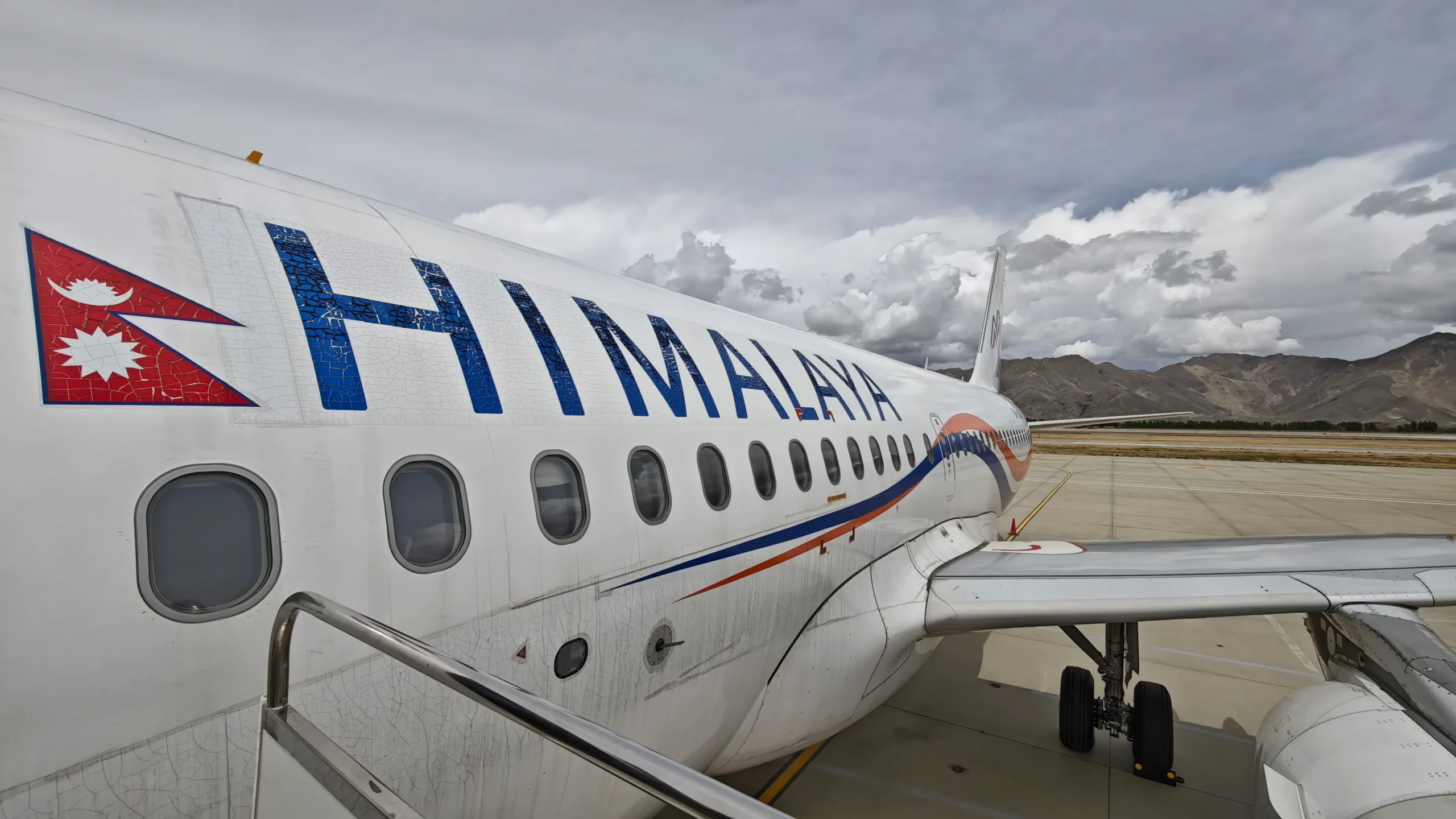
| Have airlines resumed? | Partial resumption as of late April: FlyDubai (April 21), Air Arabia (April 22), Nepal Airlines (April 26), Himalaya Airlines (April 28). |
| What should I do before booking? | Choose flexible/refundable tickets. Avoid tight layovers in Middle East hubs (opt for 4-6 hours minimum). |
| What should I do before flying? | Confirm flight status with the airline 24 hours before and on the day of departure. |
| Do I need travel insurance? | Yes, but check the policy carefully. Standard policies may exclude war-related disruptions. |
| Where do I get live updates? | Civil Aviation Authority of Nepal (CAAN), airline websites, FlightRadar24. |
| How has tourism been impacted? | March arrivals: Americas down 25%, Europe down 19% vs previous year. Mass cancellations from France, Germany, Austria, Israel. |
| Is the trekking season affected? | Trekking cancellations have reached alarming levels, but high-altitude climbers for Everest have largely stayed on schedule for April. |
Why Flights to Nepal Are Affected
This disruption isn’t due to a single issue but a chain reaction of events. The first and most direct cause is airspace closures.
Following joint military actions on February 28, at least nine countries, including Iran, Iraq, the United Arab Emirates, Qatar and Kuwait, closed or heavily restricted their airspace to commercial aviation (Kunwar, 2026).
This effectively shut down the primary aerial corridors connecting East Asia, South Asia and Europe.
The second and most critical factor for Nepal specifically is hub disruption. More than seventy percent of all long-haul passengers arriving in Nepal transit through Doha and Dubai (Bhandari, 2026).
These cities function as the aviation arteries for the country’s international connectivity. When these hubs become unreliable, the entire network of flights to Nepal is affected. This explains why travelers from Europe or North America, far from the conflict zone, are also experiencing cancellations.
The third factor is airline suspensions. Several carriers that normally serve Nepal have paused or reduced their operations. Nepal Airlines suspended multiple flights to Middle East destinations including Dubai and Doha (Prasain, 2026).
Qatar Airways, Kuwait Airways, Air Arabia, and Jazeera Airways also cancelled their scheduled services to and from Kathmandu (Kunwar, 2026). These suspensions have significantly reduced available seats on international routes to Nepal.
A flight from New York or London to Kathmandu is affected not because the plane flies near the conflict, but because its critical connection point is effectively closed. This disruption cascades down the entire travel network, affecting routes and passengers far from the actual war zone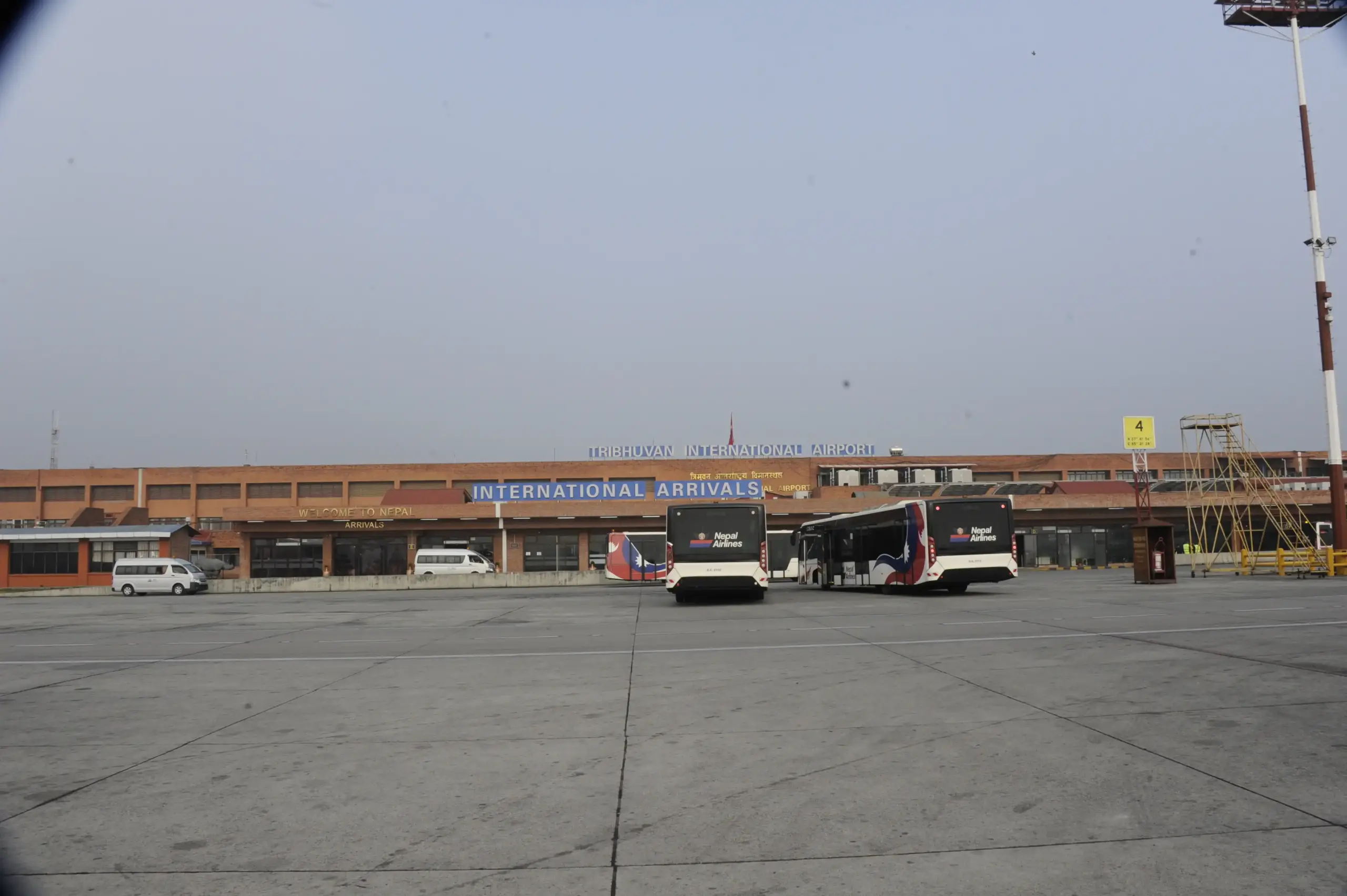
Current Flight Situation in April 2026
The situation continues to evolve, but the following represents the most current information available from March and April 2026.
In the month following the start of the conflict, more than four hundred flights to and from Middle East countries were cancelled (Prasain, 2026). At the peak of the disruption, eighteen scheduled flights were cancelled in a single day, stranding over three thousand passengers at Tribhuvan International Airport in Kathmandu (Kunwar, 2026).
Daily, at least fifteen to seventeen regular flights that normally carry tourists and migrant workers to and from Middle East hubs have been consistently disrupted (Bhandari, 2026).
The operational status of individual airlines varies. FlyDubai has operated limited flights including some evacuation services, though its schedule is inconsistent (Kunwar, 2026). Nepal Airlines and Himalaya Airlines suspended their regular flights to Dubai, Dammam,and Doha, though they have since operated some special charter and repatriation flights on a limited basis (Prasain, 2026).
Kuwait Airways and Jazeera Airways suspended their regular schedules, but a special chartered Kuwait Airways flight successfully repatriated 291 passengers, including the bodies of nine Nepali workers, on April 1, 2026 (Kunwar, 2026).
The impact on passenger traffic has been severe. At Tribhuvan International Airport, passenger numbers dropped by approximately sixty percent in the days following the crisis, falling from over sixteen thousand nine hundred to just over six thousand eight hundred passengers (Kunwar, 2026).
A gradual improvement has been observed since March 5, with flight numbers beginning to increase slightly from their lowest points, but operations have not returned to normal levels (Kunwar, 2026).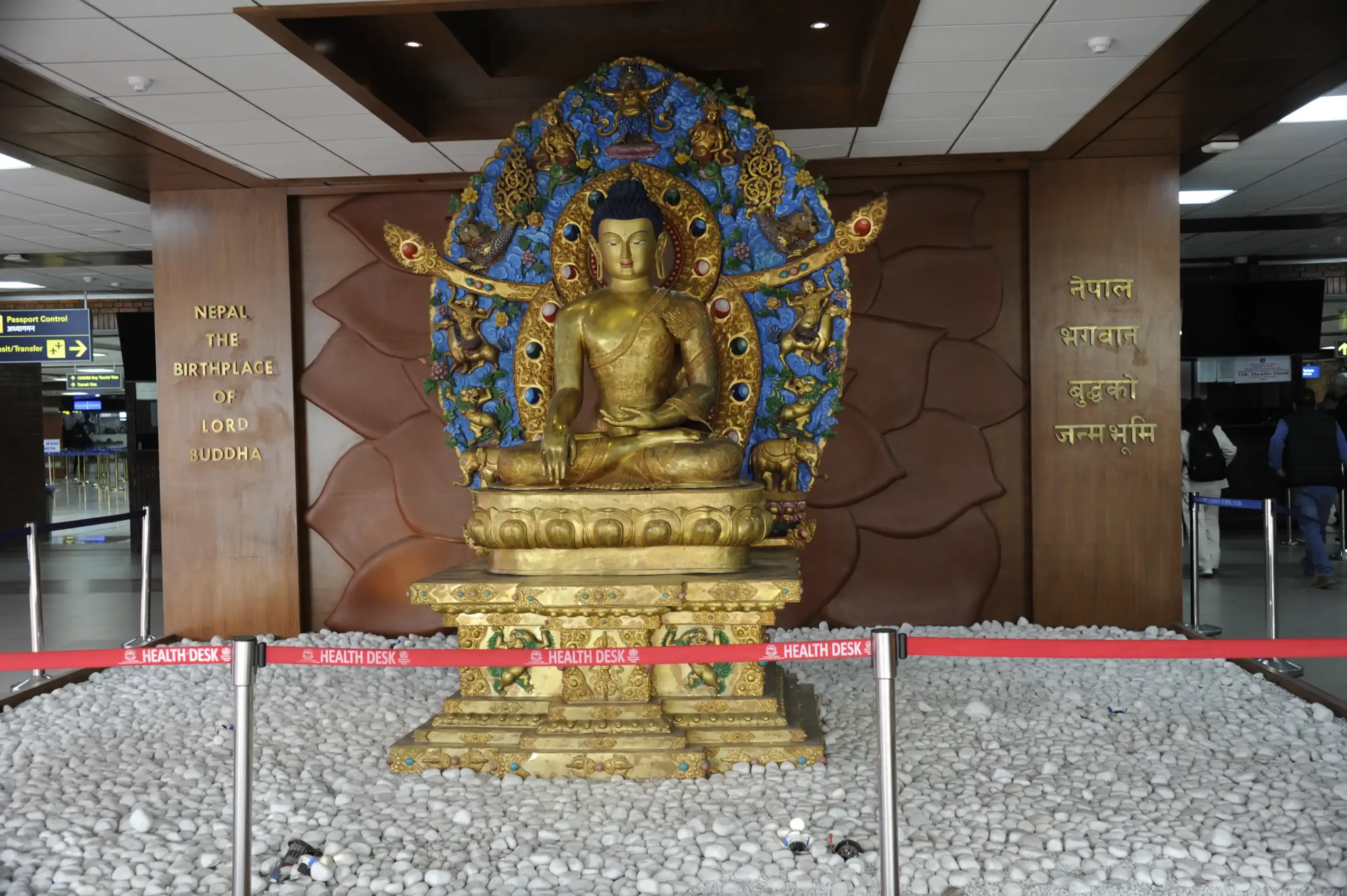
What This Means for You as a Traveler
If you plan to come to Nepal soon, here is what has changed.
Longer flights
Planes cannot fly over the Middle East anymore. They must take a longer path over Southeast Asia. This adds many hours to your trip.
Much higher ticket prices
went up by over 77%. So airlines raised their prices (Prasain, 2026). A one-way ticket from Dubai to Kathmandu went from 35,000 rupees to 78,000 rupees and a ticket from Kuala Lumpur to Kathmandu went from 40,000 rupees to 170,000 rupees. In contrast, flights to Delhi stayed almost the same (15,000 to 18,000 rupees).
Cancellations and missed connections
If your flight stops in Dubai, Doha or Kuwait, you have a high chance of delays or cancellations. If your first flight is late, you will likely miss your connection to Nepal. And rebooking is hard because fewer flights are available.
So all-in-all, you can still reach Nepal. But book flexible tickets, avoid short layovers in Middle East airports, and think about flying via India or Southeast Asia. Be ready for last-minute changes.
Best Flight Routes to Nepal Right Now
Given the disruptions to Middle East transit hubs, travelers are advised to consider alternative routing when planning their journey to Nepal. While traditional routes through Dubai and Doha have become unreliable, several other options are stable.
The most reliable alternative is routing through India. Flights to Delhi have remained relatively stable, with fares rising only slightly (Prasain, 2026). From Delhi, multiple carriers operate daily connecting flights to Kathmandu. Mumbai is another viable Indian transit point, as these routes do not rely on Middle East airspace.
Southeast Asia offers another strong alternative. Bangkok, Kuala Lumpur, and Singapore have emerged as preferred eastern routing options for travelers from Europe, Australia, and East Asia (Pariyar et al., 2026).
Singapore Airlines has confirmed it will operate wide-body flights on the Singapore-Kathmandu route during Nepal’s spring season in March and April 2026, with aircraft configured for 337 seats .
For travelers who must transit through the Middle East, limited options are now available. As of late April 2026, Hamad International Airport in Doha has announced the gradual return of airline partners.
Flydubai resumed services on April 21, followed by Air Arabia on April 22. Nepal Airlines returned to operations at Hamad International Airport on April 26, and Himalaya Airlines resumed operations on April 27.
However, travelers should exercise caution when booking Middle East routes and avoid tight layovers, as schedules remain subject to change.
The Civil Aviation Authority of Nepal has repeatedly urged passengers to confirm flight status with their airline before arriving at the airport (Prasain, 2026; Kunwar, 2026).
Practical Travel Advice for the Current Situation
For travelers planning to visit Nepal during this period of disruption, several practical measures can help minimize risk.
- Before booking a flight, travelers should choose tickets that allow changes or refunds, because a non-refundable ticket is a big financial risk when schedules are unstable (Prasain, 2026).
- Travelers should avoid tight layovers in Middle East hubs like Doha, Dubai, or Kuwait, and instead choose layovers of at least four to six hours when passing through affected airports.
- Before flying, travelers should check their flight status directly with the airline the day before departure and again on the morning of the flight (Kunwar, 2026).
- The Civil Aviation Authority of Nepal has advised passengers to always contact their airline before going to the airport, because cancellations are happening daily (Kunwar, 2026; Prasain, 2026).
- During travel, passengers should pack essentials like snacks, water, medications, and entertainment in their carry-on luggage, in case of long tarmac delays.
- Travel insurance that covers trip interruptions due to geopolitical events is highly recommended, but travelers should read the policy carefully because standard plans may not cover war-related problems.
Live Updates and Authoritative Sources
Given the fluid nature of the situation, travelers are strongly encouraged to monitor official sources for the most current information.
- The Civil Aviation Authority of Nepal (CAAN) shares official updates about flight cancellations and airport operations at Tribhuvan International Airport.
- The Tribhuvan International Airport office itself has been a main source of information about daily flight cancellations.
- Hamad International Airport in Doha has been posting regular updates about airline resumption schedules through its official channels.
- Airline websites are the most direct source of flight-specific information, so travelers should check their carrier’s official site and not rely on third-party booking platforms, since cancellations happen daily.
- Flight tracking services like FlightRadar24 and FlightAware let travelers see where their flight is actually flying in real time.
- For news and analysis, travelers should use trusted outlets that are known for good aviation reporting.
- Travelers should avoid relying on unverified social media posts or other travel websites for critical flight information.
Frequently Asked Questions about International Flights to Nepal
Q: Are flights to Nepal cancelled due to the Middle East conflict?
Not all flights are cancelled, but many flights that normally transit through Middle East hubs such as Dubai, Doha and Kuwait have been disrupted. As of late April 2026, some airlines have begun resuming operations gradually. However, travelers should confirm the status of their specific flight with the airline before traveling to the airport.
Q: Is it safe to travel to Nepal right now?
Yes it is safe within the country itself. The conflict is geographically far from Nepal. The safety concerns relate not to the destination but to the reliability of the flight routes required to reach it.
Q: Which airlines are operating to Kathmandu?
Airlines operating via India and Southeast Asia are generally more reliable than Middle East carriers. Among Middle East carriers, FlyDubai, Air Arabia and Nepal Airlines have resumed limited operations as of late April 2026
Q: What are the best transit routes currently?
The most stable transit options are via India (Delhi or Mumbai) and via Southeast Asia (Bangkok, Kuala Lumpur, or Singapore). These routes do not rely on Middle East airspace and are therefore unaffected by the closures affecting Qatar and the United Arab Emirates.
Q: Will flights resume normally soon?
Aviation authorities have reported gradual improvement since early March 2026. Hamad International Airport has announced a phased resumption schedule, with multiple carriers returning to operations between April 21 and May 16, 2026. However, full normalization depends on geopolitical conditions that are still unpredictable.
Planning Your Trip to Nepal With Confidence
Nepal is open and safe for travelers, but the route to get here has become more complex than usual. Flight schedules through Middle East hubs are gradually resuming as of late April 2026. However, schedules are volatile and subject to change based on geopolitical conditions.
For the most reliable journey, travelers are advised to route through India or Southeast Asia, book flexible tickets, and confirm flight status directly with their airline before departure. The situation is dynamic, but with proper planning and up-to-date information, a safe and memorable visit to the Himalayas is still entirely possible.
Namaste Nepal can help you plan your trip to Nepal safely. Reach out to us for a detailed plan and itinerary.

Rajan Lamichhane, the Founder and Managing Director of Namaste Nepal Trekking & Research Hub, brings over 17 years of expertise in the tourism industry. With a profound passion for trekking and mountaineering, he has led numerous trekking and cultural tours across Nepal, Tibet, and Bhutan, prioritizing safety, enjoyment, and sustainability. Under his leadership, Namaste Nepal Trekking has become a trusted name in adventure travel industry.
Related Blogs