


 English
 Dutch
Dutch Japanese
 Hindi
Hindi Italian
 Spanish
 French
 German
 Chinese
 Korean
 Arabic
 Hebrew
 Russian
 Portuguese
 Danish
 Czech
Czech Polish
 Swedish
 Download PDF
  Share
ShareRecommended Equipment Checklist for Trekking in Nepal: The Expert Guide by Namaste Nepal Trekking & Research Hub
Namaste and Welcome to the Himalayas
Trekking in Nepal is not just a walk in the mountains; it is a spiritual and physical journey through changing altitudes, diverse cultures, and some of the most dramatic landscapes on Earth. Whether you are planning a moderate cultural tour or a high-altitude expedition above 5,000 meters, proper preparation is the absolute key to a safe, comfortable, and immersive experience.
The success of any Himalayan expedition depends on two things: your physical preparation and the technical precision of your equipment.
Nepal’s geography is extremely diverse. Within a single journey, you may pass through subtropical valleys in the lower Annapurna region, cross glaciated high passes near the Everest region, or walk across the dry, wind-scoured plateaus of Upper Mustang. Each environment presents different challenges: rapid thermal shifts, strong ultraviolet radiation, wind exposure, and reduced oxygen levels at altitude.
I’m Rajan, the founder of Namaste Nepal Trekking & Research Hub. My journey didn’t start in a boardroom; it started 17 years ago on these very trails, carrying heavy loads as a porter. I have walked every route we offer, from the lush green hills of the lower regions to the glaciers and hanging caves of the Upper Mustang Valley. I’ve slept under the stars, shared stories by the fire, and supported researchers as they uncovered the secrets of this land.
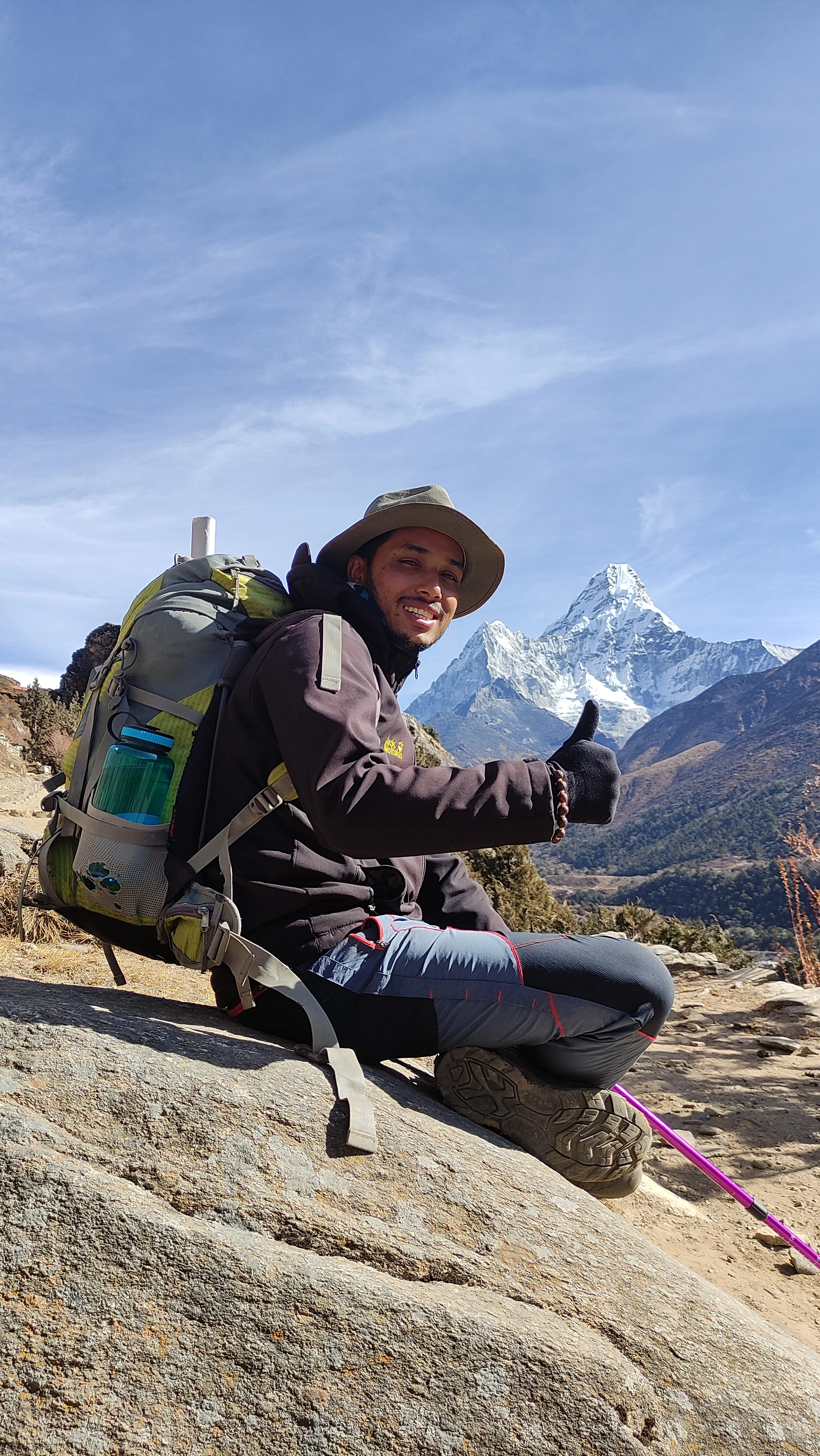
I know exactly what equipment makes a difference and what simply adds unnecessary weight. A heavy pack can turn a beautiful day into a struggle, while the right gear can save you from the cold and keep you safe.
This comprehensive equipment checklist is designed to help you prepare wisely. At Namaste Nepal Trekking & Research Hub, our philosophy is simple:
Pack light. Pack smart. Let the Himalayas take care of the rest.
The Philosophy of Packing: Why It Matters
Nepal’s trekking routes—whether you are heading to Everest Base Camp, the Annapurna Circuit, or the remote Manaslu region—present unique challenges:
- Long Duration: You will be walking for 5–7 hours a day on average.
- Variable Weather: You might start the day in a T-shirt and end it in a down jacket.
- Remote Conditions: Once we leave the cities, access to shops is limited.
Carrying extra weight increases fatigue and the risk of injury. However, missing a crucial piece of warm gear can be dangerous. The following list balances safety with mobility.
Understanding the Himalayan Environment
Before discussing equipment, you must understand the environment.
At high altitude:
UV intensity increases by approximately 10–12% per 1,000 meters.
Air becomes thinner (hypoxic conditions).
Temperature shifts rapidly between sun exposure and shade.
Wind chill significantly increases heat loss.
Snow reflection can amplify UV exposure by up to 80%.
Improper equipment can lead to:
Hypothermia
Heat exhaustion
Snow blindness (photokeratitis)
Blisters and joint strain
Early trek termination due to preventable issues
Good equipment is not about comfort alone. It is about risk management.
1. Clothing: The Art of Layering
In the Himalayas, we don’t dress for one temperature; we dress for all of them. The “onion technique” (layering) allows you to regulate your body temperature as you climb and descend.
The Three-Layer Clothing System: Scientific Foundation
The most effective way to dress in the Himalayas is through a structured layering system. This system manages four types of heat loss:
Conduction
Convection
Radiation
Evaporation
Each layer has a technical purpose.
Base Layer (Moisture Management)
Your base layer sits against your skin. Its job is to keep you dry. The base layer maintains a dry microclimate against your skin.
When trekking, you sweat. At rest stops or in the evening, that moisture cools rapidly. Wet clothing increases conductive heat loss and can contribute to hypothermia.
- Quick-Dry T-Shirts (3–4 pieces): Bring a mix of short and long sleeves. Walking in the sun at 3,000m can feel like summer, but the wind is cold.
- Thermal Innerwear (2 Sets): A top and bottom set. These are your lifesavers at night or on summit push days. Merino wool or high-quality synthetic is best.
Avoid Cotton: Cotton can absorb up to 27 times its weight in water. Once wet, it loses insulating ability.
Mid Layer (Insulation)
This layer traps body heat by creating dead air space.
- Fleece Jacket or Pullover: Lightweight and breathable.
- Fleece Wind-Stopper: Optional but excellent for windy ridges where a heavy jacket is too much, but a t-shirt is too little.
In Trekking regions, especially above 4,000 meters, nighttime temperatures can drop below -10°C. A quality down jacket is essential.
Outer Layer (Weather Protection)
- Waterproof Shell Jacket: Look for breathable fabrics (like Gore-Tex). Mountain weather is unpredictable; blue skies can turn to rain or snow in an hour.
- Down Jacket: Essential. Above 4,000 meters, mornings and nights are freezing.
- Note: If you don’t want to buy an expensive down jacket, Namaste Nepal Trekking & Research Hub can arrange high-quality rentals for you.
- Waterproof Pants: To wear over your trekking trousers during rain or heavy snow.
Lower Body
- Hiking Shorts: Great for the lower valleys (start of the trek).
- Trekking Pants (2 Pairs): Look for zip-off convertible pants for versatility.
- Thermal/Woolen Pants: For wearing around the teahouse in the evening.
2. Footwear: Your Most Important Investment
If your feet are happy, you are happy. The terrain in Nepal is rocky, uneven, and often steep. Do not compromise on your footwear.
Trekking Boots
- Requirement: Waterproof, ankle support, and a sturdy sole.
- Rajan’s Pro Tip: Never bring brand-new boots to Nepal. Wear them at home or on short hikes for at least a few weeks before your trip to break them in. Blisters are the number one reason trekkers struggle.
- Laces: Bring a spare pair of strong laces.
Socks (The Layering System)
- Thin Inner Socks (Liners): These wick moisture away from your skin and reduce friction, preventing blisters.
- Warm Woolen Hiking Socks (3 Pairs): Merino wool is best. It stays warm even when damp and doesn’t retain odors like synthetic fabrics.
- Cotton Socks (3 Pairs): Use these only for travel days or relaxing in the teahouse at lower altitudes. Cotton kills in the cold—avoid it on the trail.
Camp Shoes
- Sandals, Crocs, or Light Trainers: After 5 hours of walking, the greatest feeling in the world is taking off your heavy boots. You’ll need these for moving around the teahouse dining area or using the restroom at night.
Trekking Boots and Sock Systems
Technical trekking boots must provide ankle stabilization, toe protection, and superior traction via high-friction rubber outsoles such as Vibram. Professional guides emphasize the necessity of “breaking in” boots over a minimum of 50 miles prior to the trek to ensure the leather or synthetic upper conforms to the user’s foot geometry, thereby preventing debilitating blisters.
| Footwear Category | Technical Requirements | Purpose |
| High-Ankle Trekking Boots | Waterproof lining (Gore-Tex), stiff shank, rubber toe cap | Primary movement across uneven terrain |
| Camp Shoes / Sandals | Lightweight, open-design, breathable | Recovery and hygiene within teahouses |
| Liner Socks | Thin synthetic, seamless construction | Minimizing friction and managing moisture |
| Heavyweight Trekking Socks | Wool-blend, high cushioning | Thermal protection and impact absorption |
The sock system should follow a dual-layer approach: a thin liner to reduce shear forces on the skin and a thick wool-blend outer sock for thermal regulation. Gaiters are recommended for treks involving deep snow or the monsoon season (June–August) to prevent mud, leeches, and debris from entering the boots.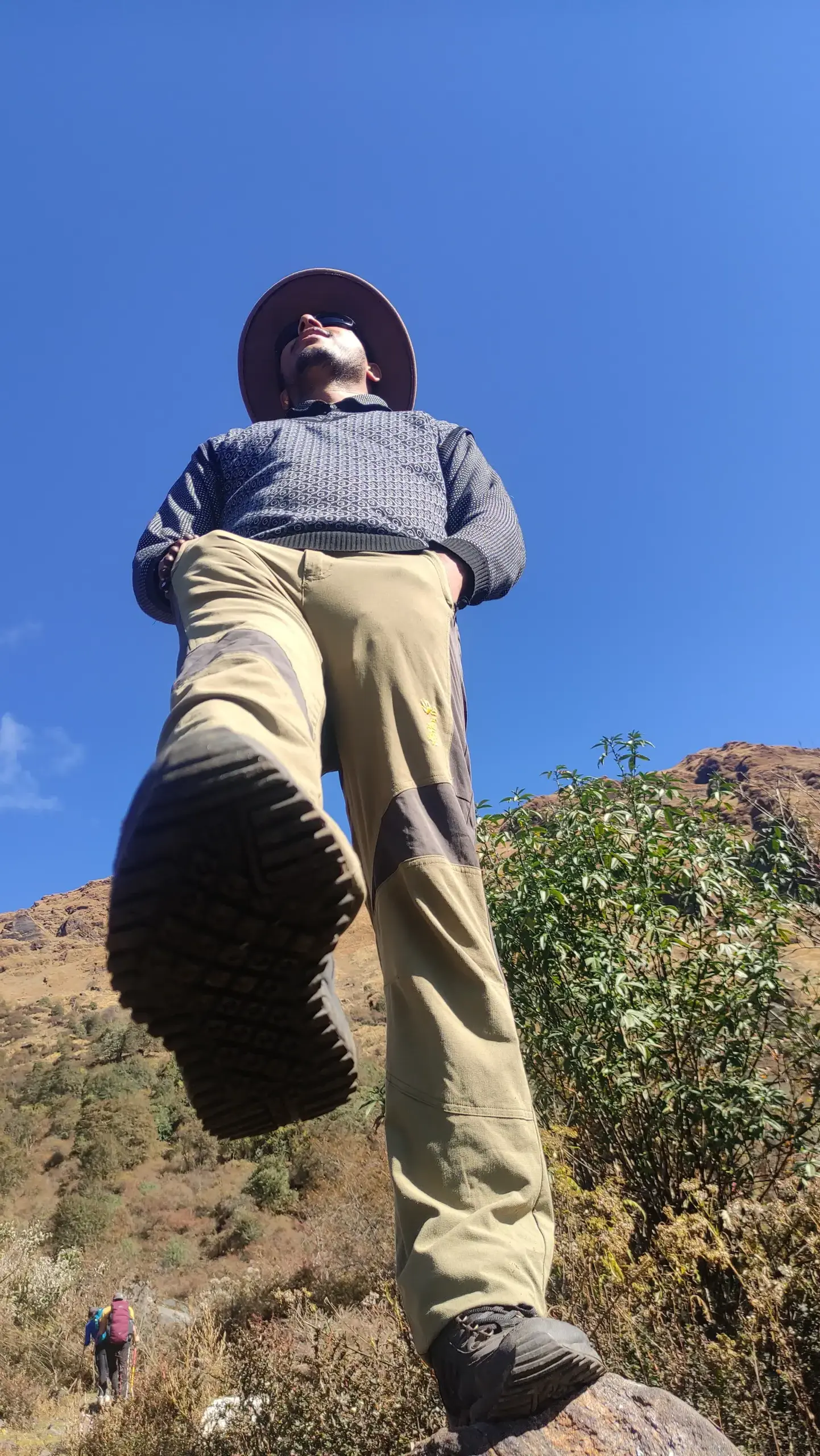
3. Head & Hands: protecting the Extremities
You lose a significant amount of body heat through your head and hands.
Headwear
- Sun Hat/Cap: The UV radiation at altitude is intense. A wide brim helps prevent headaches and sunburn.
- Warm Beanie/Fleece Hat: As soon as the sun goes down, this should go on.
- Buff/Neck Gaiter: One of the most versatile items. It protects your neck from sunburn, keeps you warm, and can be pulled up over your mouth to protect your lungs from the dry, dusty mountain air (the “Khumbu Cough”).
Eyewear
- Sunglasses: Snow blindness is real and painful. Ensure your glasses have 100% UV protection and cover the sides of your eyes if possible.
Gloves
- Liner Gloves: Thin fleece gloves for taking photos or tying laces.
- Heavy Waterproof Gloves/Mittens: Essential for high passes (like Thorong La or Cho La) and morning starts.
4. Bags & Storage
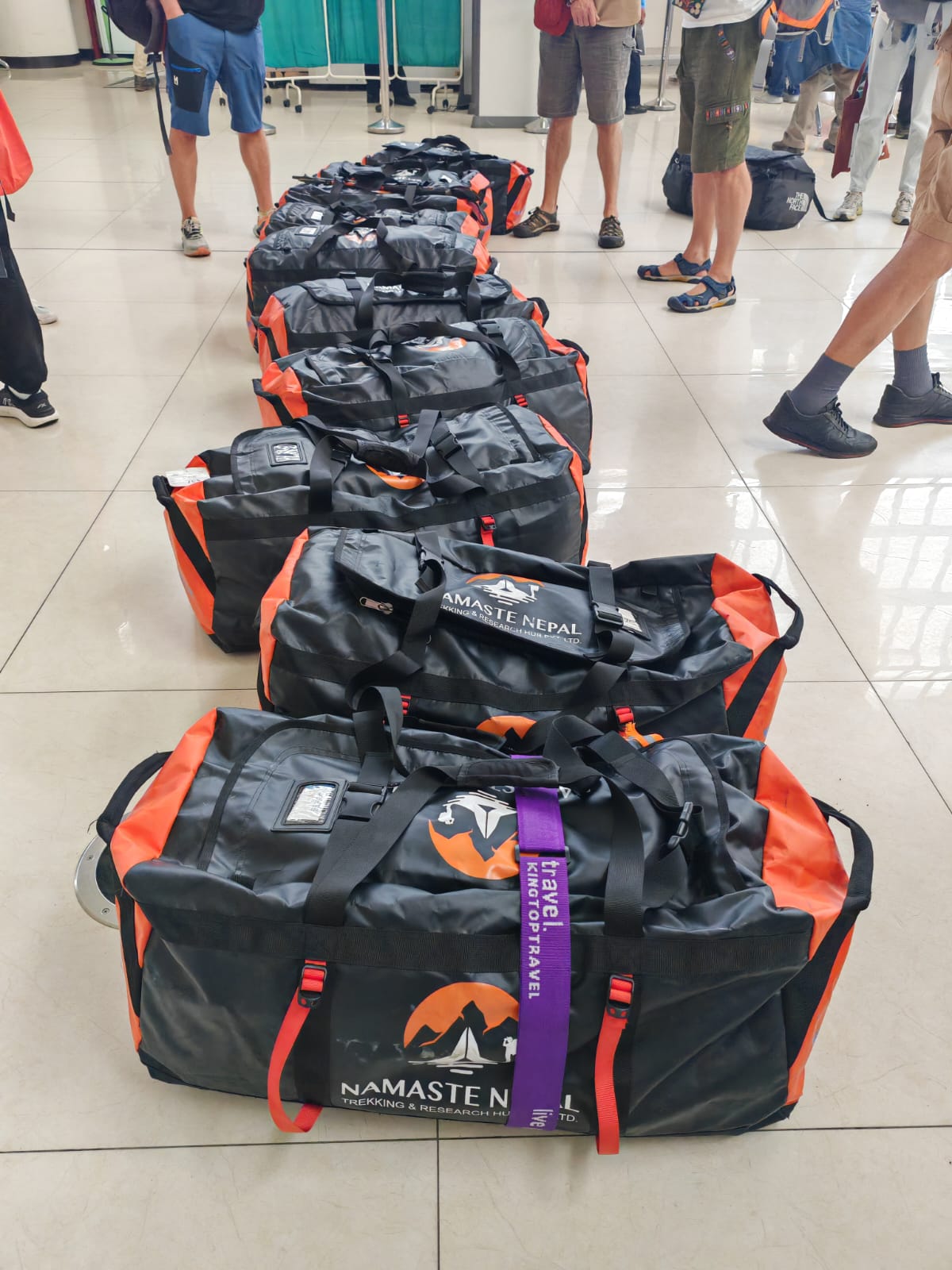
- Duffle Bag (Main Luggage): This is what our porters will carry. It should be durable and water-resistant. Limit the weight to approx. 10–12kg.
- Daypack (Your Carry): You will carry this. A 25–35 liter pack is perfect. It should hold your water, rain jacket, camera, snacks, and valuables.
- Dry Bags: Pack your clothes inside plastic bags or dry sacks within your duffle. If it rains all day, even the best duffle bag can leak. Dry clothes at the end of the day are a luxury you must protect.
Our logistics respect the strict weight constraints of mountain aviation and the ethical load limits for our porters.
| Item | Weight Limit/Spec | Purpose |
| Duffle Bag | 15 kg (Check-in limit) | Main luggage carried by porters |
| Daypack | 5 kg – 7 kg | Daily essentials (water, camera, layers, personal items and valuables) |
| Dry Bags | 2–3 pieces | Internal waterproofing for electronics and dry clothes |
Porter Ethics: We strictly adhere to a maximum load of 25 kg per porter (Normally shared between two clients) to ensure their safety and health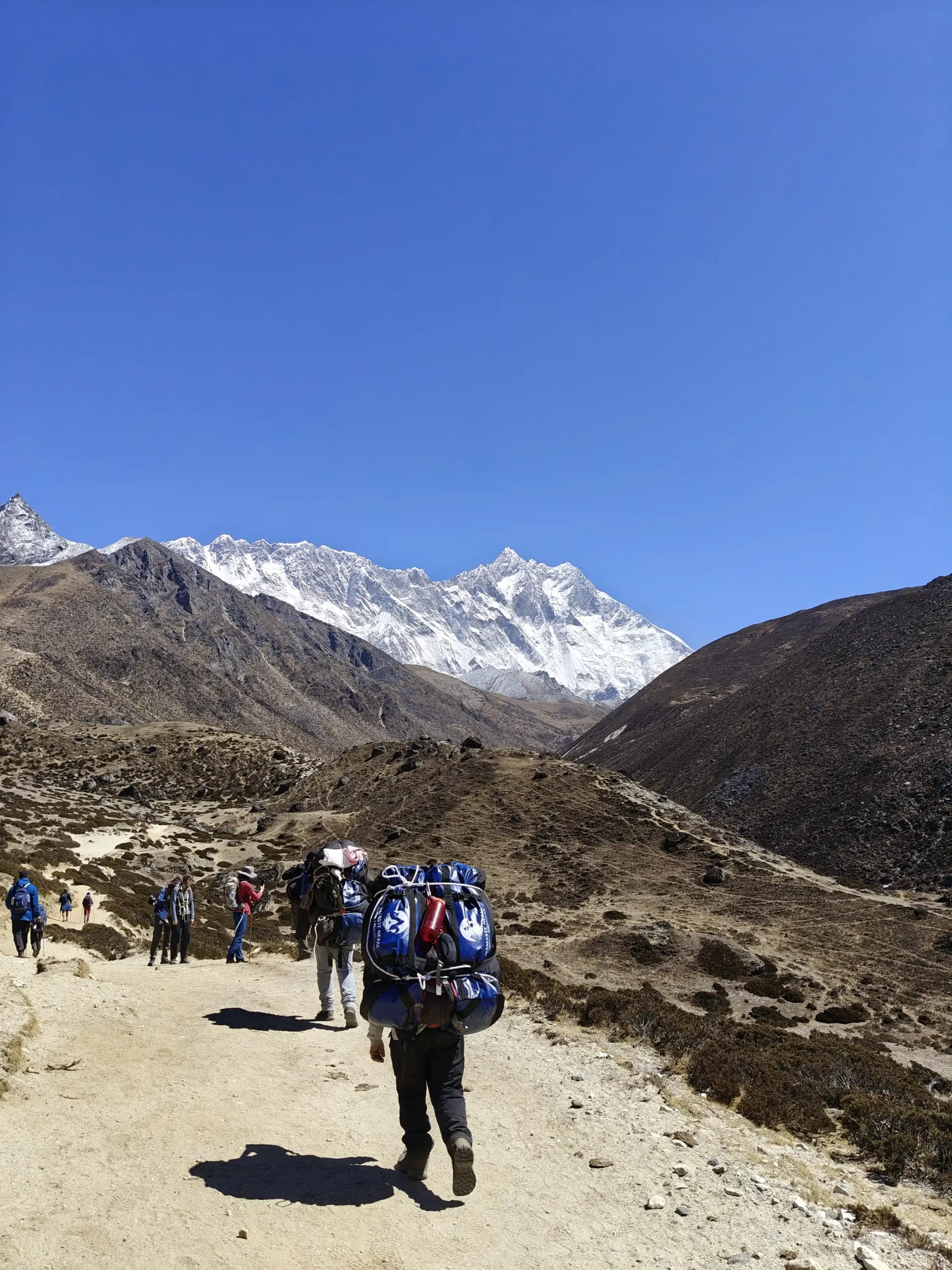
5. Hygiene & Toiletries
Standards of hygiene change in the mountains. Be self-sufficient.
- Sunscreen (SPF 50+) & Lip Balm: Apply often. The sun is stronger than you think.
- Wet Wipes (Baby Wipes): Showers are not always available or recommended at very high altitudes (getting wet and cold is risky). A “wet wipe shower” is the standard.
- Hand Sanitizer: Use it religiously before every meal.
- Biodegradable Soap: Let’s protect the environment we are visiting.
- Toilet Paper: Carry 2 rolls. Remove the cardboard core to save space.
- Quick-Dry Towel: A standard towel is too heavy and won’t dry in the cold.
6. Health & First Aid
While our guides carry a comprehensive medical kit, you should bring a personal supply of medications you trust.
- Diamox (Acetazolamide): For altitude sickness prevention. Please consult your doctor before the trip.
- Pain Relief: Paracetamol and Ibuprofen.
- Stomach Care: Anti-diarrheal tablets and rehydration salts (ORS).
- Blister Plasters: Compeed or moleskin. Treat a “hot spot” on your foot immediately—don’t wait for the blister to form.
- Water Purification: Water tablets (chlorine/iodine) or a Steripen. We discourage buying plastic bottled water to reduce waste in the Himalayas.
7. Essential Accessories
- Sleeping Bag: Teahouses provide blankets, but they are not always washed between guests. A rated sleeping bag (–10°C to –20°C depending on the season) ensures warmth and hygiene. Available for rent.
- Trekking Poles: Highly recommended. They save your knees on steep descents and provide stability on slippery trails.
- Headlamp: Electricity is unreliable. You will need this for reading at night and for pre-dawn summit attempts. Bring spare batteries (batteries drain faster in the cold).
- Power Bank: Charging devices costs money in teahouses and becomes slower/unavailable high up. Keep your batteries warm (inside your sleeping bag) at night.
Renting vs. Buying in Kathmandu
For adventure travelers, purchasing a full kit of specialized high-altitude gear is not economically viable. The Thamel and other tourist areas in Nepal provide a global marketplace for both acquisition and rental. Rental gear is a practical solution for bulky, high-cost items like -20 sleeping bags and heavy down jackets.
| Equipment Item | Daily Rental Cost (USD) | Buying Price (Local/Copy) | Buying Price (Brand/Original) |
| Down Jacket | $1 – 2 | $30 – 80 | $150 – 400 |
| Sleeping Bag | $1.50 – 3 | $60 – 100 | $200 – 500 |
| Trekking Poles | $ 0.50 – 1 | $5 – 15 | $30 – 100 |
| Crampons / Spikes | $ 1 – 3 | $5 – 15 | $50 – 100 |
Expert Tip: While Thamel offers many “copies,” we recommend high-quality local brands like Sonam, Everest Outfit, Raeko, or Kaemp 8848 for reliability without the import price tag.
8. Documents & Money
- Passport: Original and photocopies.
- Permits: We handle these, but keep them accessible.
- Travel Insurance: Must cover emergency helicopter evacuation up to 6,000m. This is non-negotiable for your safety.
- Cash (Rupees): ATMs are virtually non-existent on the trail. Carry enough cash for extras like coffee, charging, wifi, and tips.
The “Research Hub” Difference
At Namaste Nepal Trekking & Research Hub, we often host specialized groups—photographers, geologists, and cultural researchers. If you are joining us for a research trip, consider these additions:
- Camera Gear: Bring extra batteries and memory cards. Cold weather kills battery life.
- Notebooks: Rite in the Rain (waterproof) notebooks are excellent for field notes.
- Solar Chargers: Portable solar panels can be very effective for powering research equipment in remote base camps.
Seasonal Considerations
- Spring (March–May): Rhododendrons are blooming. It gets warm, but haze can obscure views. Pack lighter layers.
- Autumn (Sept–Nov): Crystal clear views. Colder nights. Requires good insulation.
- Winter (Dec–Feb): Solitude and snow. Heavy-duty down gear and crampons (micro-spikes) are often needed.
A Final Note from Rajan
Packing for the Himalayas can feel overwhelming, but remember: you are not alone. When you book with us, we review your gear before we leave Kathmandu. We can help you rent missing items and store excess luggage safely at our office.
Move light. Move prepared. Move responsibly.
For me, the Himalayas are home. I treat every guest like family visiting my home. My team and I are here to ensure you are safe, warm, and ready to witness the magic of the mountains.
Strategic Preparation: The Final Step
Preparing for a Himalayan expedition is a structured process:
Understand the environment
Select appropriate technical gear
Verify quality and fit
Pack efficiently
Respect ethical load limits
The right equipment is the bridge between human ambition and the reality of high mountains.
Are you ready to start your adventure?
Contact us today to plan your custom itinerary. Whether it’s a private retreat or a research expedition, Namaste Nepal Trekking & Research Hub is ready to guide you.
Namaste, and see you on the trails.
— Rajan
Founder and managing director, Namaste Nepal Trekking & Research Hub

