English
 Dutch
Dutch Japanese
 Hindi
Hindi Italian
 Spanish
 French
 German
 Chinese
 Korean
 Arabic
 Hebrew
 Russian
 Portuguese
 Danish
 Czech
Czech Polish
 Swedish
14 Days
Moderate
 Share
Share Updated: 23 September, 2025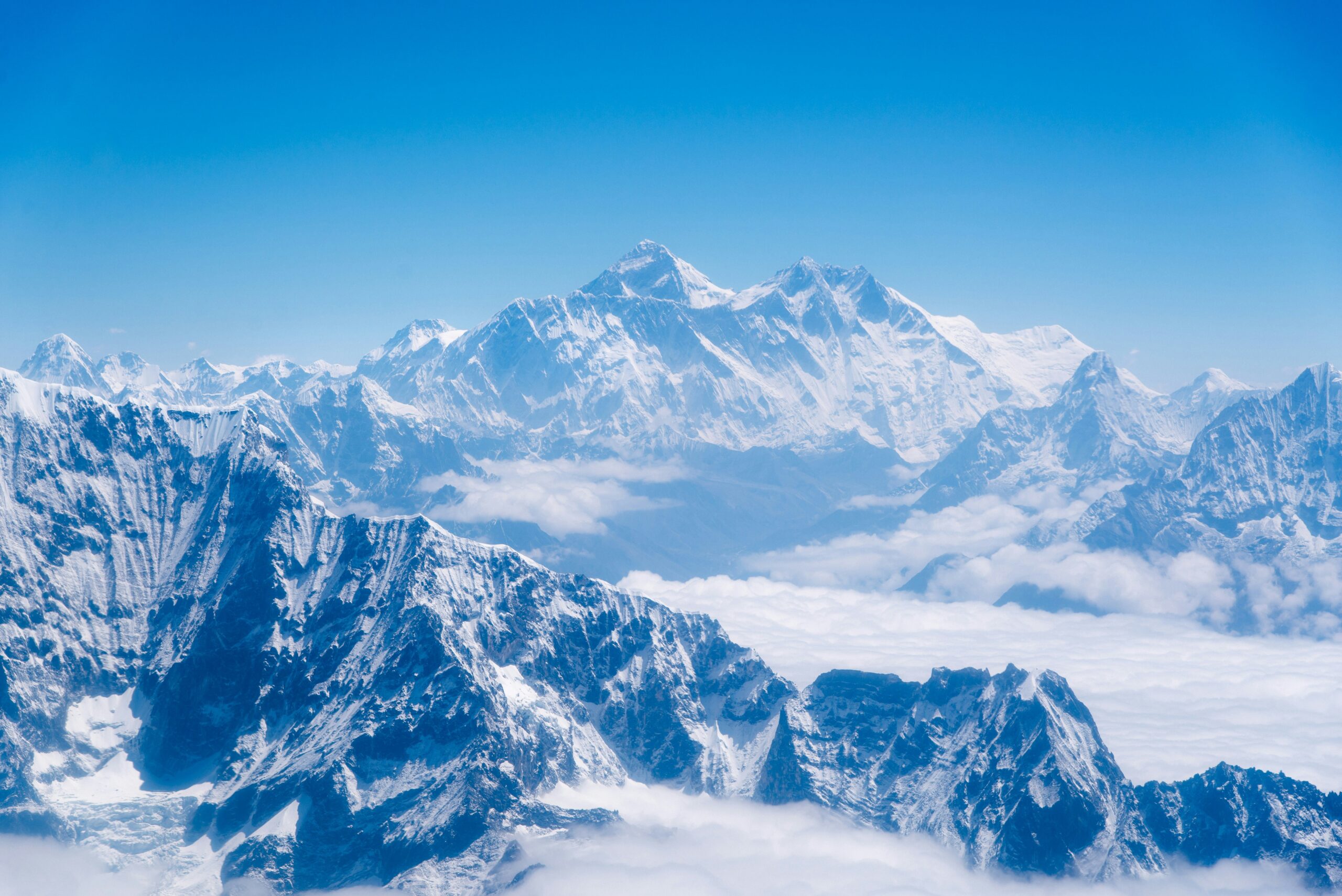
Mount Everest. The very name evokes images of the ice-coated mountains, the prayer flags in the wind, and the absolute extremity of human effort. Over the past decades, it has been the earthly prize of the world, an image of persistence and adventure that fascinates the minds of millions of people. It is a dream to most people to be able to stand on its top, and few can actually comprehend the financial cost involved in even attempting such a feat.
It is not a simple issue of purchasing an airplane ticket and a permit and traveling to the top of the world. It is a huge logistical process, a trial of patience that starts way before you arrive in Nepal. The actual expenditure of an Everest trip is an intricate woven fabric of government charges, professional instruction, specialized material (equipment), and unintended expenses that can shock the most outfitted mountaineer.
In this article, the overall expenses incurred during a classic Everest trip shall be dissected. We will cover all the requirements of government permits that are obligatory and the fees of a professional guide to the price of your personal equipment, and the frequently neglected costs that can bring thousands of dollars to your budget. When knowing the real price tag, potential climbers will be able to turn an abstract dream into a real, realizable goal.
It should be noted that all the prices here are estimates. Prices will vary dramatically depending on the expedition operator you select, the path you follow (Nepal or Tibet), the degree of support you need, and what kind of personal equipment you buy.
14 Days
Moderate
What does it really cost then? There are guided Everest tours that normally cost between 40,000 and more than 90,000 USD. This variety signifies the number of choices open to climbers. The final price will be based on a number of critical factors:

To see where the money is spent, we will break down the major costs of an Everest expedition.
You have to spend the mandatory government charges before even considering climbing. This is a huge and inevitable expense.
It is usually the greatest single cost of your expedition, and it takes care of the complicated logistics of transporting a group safely and sustainably for two months at altitude. A full-service expedition typically includes:
The price for these services varies dramatically:
The equipment one needs to carry to Everest is to withstand the harshest conditions on earth. This is not where to enable corners to be cut. Your individual list of gears will include:
A personal gear can be between $5,000 and 15,000 and above. One option is to save money by renting some pieces, such as the down suit and sleeping bag, and another one is to buy used equipment, which must be in superb condition.
Before the climb begins, you have to get to Nepal.
This is an absolutely non-negotiable expense. Standard travel insurance will not cover you on Everest.
The Himalayan mountaineering depends on the Sherpa people. Tipping is an important and culturally anticipated aspect of any expedition.
Tips: You are advised to spend on the tips of the entire team that assists you. This would be your climbing Sherpa(s), the Base Camp cooks and kitchen staff, and the porters as they carry your gear. The rule of thumb is to reserve between $500 and 2000 and above as tips.
Beyond the major categories, there are several other expenses to consider:
| Category | Foreign Climbers | Nepalese Climbers |
|---|---|---|
| Overall Cost Range | $35,000 – $100,000+ USD | $20,000 – $50,000 USD |
| Government Permit Fees | $11,000 per person (Spring season) $5,500 per person (Autumn season) $2,750 per person (Summer/winter season) | NPR 75,000 per person (Spring season) NPR 37,500 per person (Autumn season) NPR 18,250 per person (Summer/Winter season) |
| Expedition Operator Packages | $30,000 – $80,000+ | $15,000 – $30,000 |
| Personal Gear & Equipment | $5,000 – $15,000 | $5,000 – $15,000 |
| Oxygen Supplies | $3,000 – $6,000 | $2,000 – $5,000 |
| Travel & Logistics | $2,000 – $5,000(international + domestic) | $500 – $2,000 (local rates) |
| Insurance | $1,000 – $4,000+ | $1,000 – $4,000 |
| Sherpa Support & Tips | $1,000 – $5,000+ | Included in package / lower costs |
| Miscellaneous & Contingency | $1,000 – $3,000 | $500 – $1,000 |
| Budget Options | $30,000 – $35,000 (basic support) | ~$15,000 (minimal services) |

The high price of an Everest climb is an indicator of the sheer difficulty of the business of working in the so-called death zone, which is an area above 8,000 meters, where human life is not sustainable. The logistics of delivering the tons of equipment, food, and oxygen to a camp at 17,500 feet are unbelievable. You are buying security and experience. The most knowledgeable guides, a powerful Sherpa group, and a consistent oxygen supply are expensive, and a lack of them can be deadly.
Although it is easy to select the lowest cost operator, the budget trap is fatal. A cheaper price usually comes at the cost of such fundamental areas as the reduction of oxygen, support staff, food quality, or medical care. It is a valuable life that you have, and Everest is not an area where you can squeeze the trigger. The greatest investments you can make are in a good, established expedition company and full insurance.
In this dream of Everest, it is a powerful thing, but it requires more than physical and mental strength. It involves a lot of preparation of funds. Knowing the real cost, you can make wise, altruistic, and realistic decisions. It is a long process of getting to the top, and in most cases, it begins with a savings plan and a well-researched budget. In case Everest really is your dream, start preparing both physically and financially.
Among the foreigners, it normally costs between 30,000 and 90,000 USD. Depending on the expedition operator, level of service, and inclusion, such as permits, Sherpas, oxygen, and logistics, the price varies.
The Nepalese climbers spend approximately between 15,000 and 30,000 USD. This is because of lower costs in the form of lower permit fees, local operator rates, and access to community resources.
The high cost comes from government permit fees, logistics, base camp services, Sherpa support, oxygen supplies, and insurance. Organizing a safe expedition on the world’s tallest mountain requires massive resources.
Most packages include permits, Sherpa support, food and tents at base camp, climbing gear transport, fixed ropes, oxygen, medical support, and logistics. Higher-priced packages may also offer luxury services and personalized guides.
While “budget” options exist, climbing Everest is never cheap. Foreigners may find limited budget packages around $40,000–$50,000 USD, while Nepalese climbers can manage costs as low as $15,000 USD. However, cheaper options often come with fewer safety and support services.

Sabin Shrestha is an experienced content writer with over 4 years of expertise in creating clear and engaging content. He specializes in writing about lifestyle, travel, health, and technology, delivering well-researched articles that connect with readers. Known for his storytelling skills and attention to detail, Sabin creates content that informs, inspires, and leaves a lasting impression on audiences.