English
 Dutch
Dutch Japanese
 Hindi
Hindi Italian
 Spanish
 French
 German
 Chinese
 Korean
 Arabic
 Hebrew
 Russian
 Portuguese
 Danish
 Czech
Czech Polish
 Swedish
4 Days
Easy
 Share
Share Updated: 30 September, 2025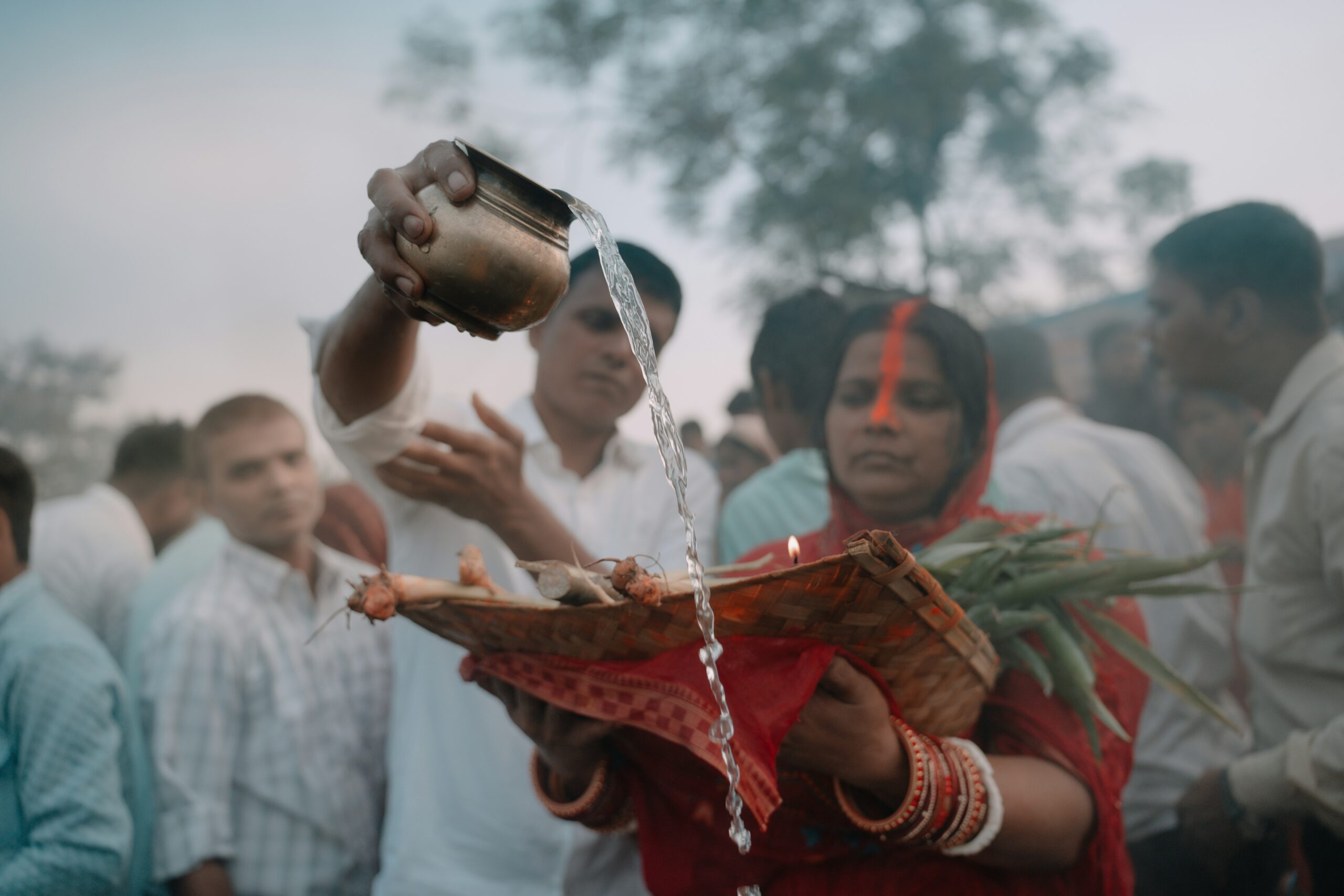
Thousands of flickering lamps light up the banks of the serene Nepal rivers, as devout women stand in water, up to their waist, with eyes facing the rising or setting Sun. This is Chhath Puja in Nepal, a very sacred Hindu festival, at which families gather and pay respect to the Sun God (Surya Dev) and Chhaithi Maiya, who is the Vedic Goddess of Dawn.
The festival is very much entrenched in the culture of Terai and Mithila in Nepal, particularly in places such as Janakpur, Birgunj, Biratnagar, and Rajbiraj. Throughout the years, the festival has not just been limited to the Madhesi nation, but is now celebrated in the whole of Nepal, even in Kathmandu. This blog will discuss the cultural richness, rituals, and the Chhath Puja 2025 dates in Nepal.
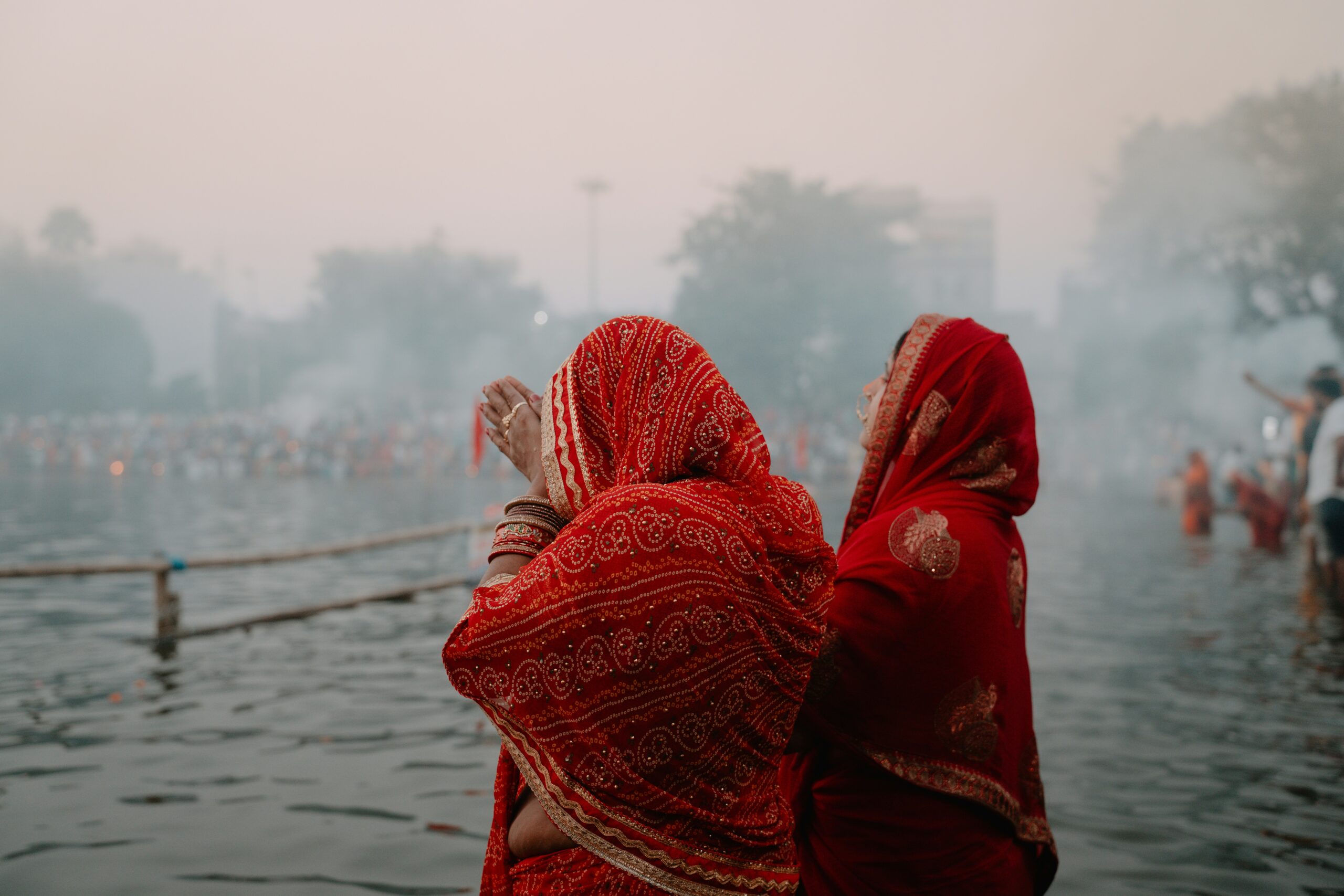
Chhath Puja is a Vedic festival, more primitive, which is dedicated to Surya Dev, the giver of life, and Chhathi Maiya, who is said to safeguard children and bring good luck and health to families.
The Chhath Puja is centred around the Terai region of Nepal, especially the Maithili-speaking regions. During the festival, such cities as Janakpur, which is identified with the culture of Mithila, are spiritual centers.

4 Days
Easy
Chhath is more than a religious ritual—it’s a philosophy of gratitude and harmony with nature.
Chhath Puja falls on the sixth day of the lunar month of Kartika (Kartika Shukla Shashthi).
(Note: Dates may vary depending on local Nepali Panchang and sunrise/sunset timings.)
Worth reading: Popular festival in Nepal
The Chhath Puja in Nepal is not merely a festival but a tradition of purity, devotion, and thanksgiving that has always been there. Based on the cultural identity of Mithila, it still motivates faith, communities, and unites humanity with the cosmos.
Be it Nepal or visiting during this period, Chhath Puja is to experience a deep marriage between faith, family, and nature.
According to the Nepali calendar Chhath festival is on October 23 2025(2082 Kartik 9).
Chhath festival is mainly celebrated by Hindu people of the Terai region by Maithili and Bhojpuri-speaking communities.
During the Chhath festival, devotees worship the Sun. According to the Hindu religion Sun is considered a god, Surya Dev.
Chhath Puja is believed to date back to Vedic times. According to legends, Draupadi and the Pandavas of the Mahabharata performed Chhath to overcome difficulties and gain back their lost kingdom. Another belief says it began with sages who worshipped the Sun God for energy and healing by fasting and standing in water.
Chhath Puja is celebrated to worship Surya Dev (the Sun God) and Chhathi Maiya. Devotees express gratitude for the Sun’s life-giving energy and pray for health, prosperity, and the well-being of their family. The strict fasting and rituals symbolize purity, discipline, and a deep bond with nature.
Chhathi Maiya, also known as Goddess Usha, is considered the sister of the Sun God. She is believed to protect children, bless families with happiness, and ensure prosperity. Devotees worship her during Chhath Puja for the longevity and well-being of their loved ones.
Travelers can experience the Chhath Festival in mostly Southern parts of Nepal, known as the Terai region, with locations including Chitwan National Park, Janakpur, Birgunj, Sarlahi, Lahan, Rajbiraj, and many more.
The Chhath Festival is celebrated over four sacred days, with each day carrying its own unique religious meaning, rituals, and spiritual significance.
Yes, the Chhath festival is a public holiday in Nepal.

Sabin Shrestha is an experienced content writer with over 4 years of expertise in creating clear and engaging content. He specializes in writing about lifestyle, travel, health, and technology, delivering well-researched articles that connect with readers. Known for his storytelling skills and attention to detail, Sabin creates content that informs, inspires, and leaves a lasting impression on audiences.