English
 Dutch
Dutch Japanese
 Hindi
Hindi Italian
 Spanish
 French
 German
 Chinese
 Korean
 Arabic
 Hebrew
 Russian
 Portuguese
 Danish
 Czech
Czech Polish
 Swedish
16 Days
Moderate
US$2200
 Share
Share Updated: 6 February, 2025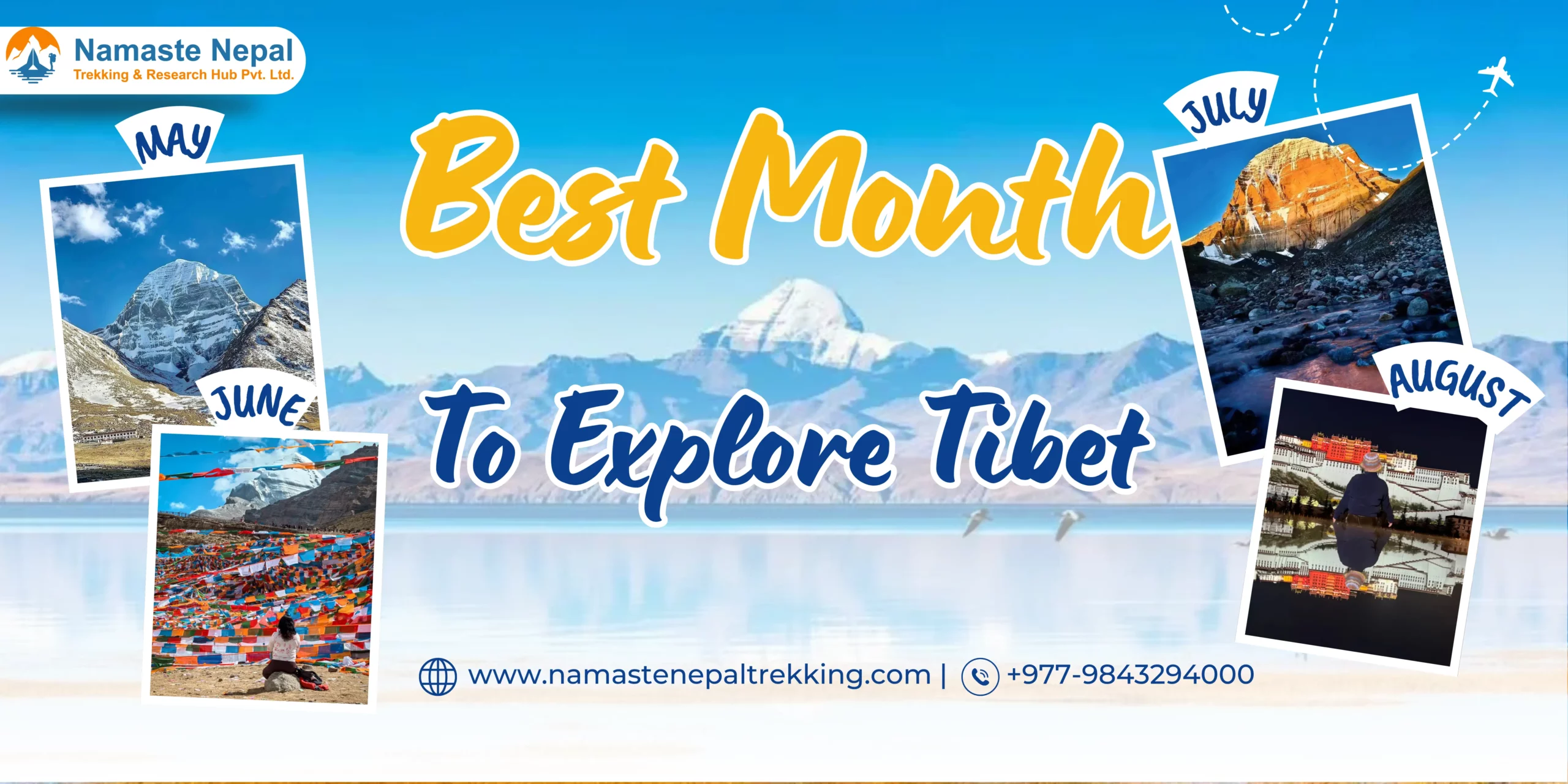
Tibet, the “Roof of the World,” attracts visitors with its stunning landscapes, spiritual aura and unique cultural heritage. Visitors planning a journey to Tibet need thorough deliberation regarding their travel dates. Travel in Tibet is majorly influenced by the altitude conditions and unique seasonal patterns in the region. When should travellers plan their exploration to discover the secrets of this spiritual and enchanting region?
Visitors will find the most ideal conditions in Tibet between April to June and September to early November. During spring months (April to June) and autumn months (September to early November), Tibet presents temperatures that create perfect conditions for sightseeing in its region.
During spring, Tibet becomes a delightful sight because flowers bloom, while autumn creates an ideal climate for gazing at the Himalayas with their crisp blue skies. Visitors can fully experience famous places like Potala Palace, Lake Mansarovar, Kailash Mansarovar, along Mount Everest Base Camp through these months because weather conditions will not limit their interests.
During the summer months, Tibet experiences warmer temperatures, but it becomes the region’s monsoon season, so lower regions might experience rain and muddy trails. Travelling to Tibet during the winter season (December to February) presents very chilly conditions, which require proper preparation for those intending to visit at this time.
Tibetan New Year Losar remains one of the major winter festivals visitors can witness during their stay. The ideal times to visit Tibet match perfectly with the best experiences you can have when exploring its cultural sites and natural wonders.

16 Days
Moderate
US$2200
January brings cold and dry weather in Tibet. Due to extreme cold you can expect heavy snowfall at the high altitude areas. Visiting the city areas is fine during this month but travelling in the remote areas will be challenging due to extreme weather conditions. You can expect very few tourists to travel in this season.
The mountain will be covered by thick snow during this month and the beautiful landscape will turn into a stunning winter wonderland. Night temperature drops below the freezing point, so if you are travelling in this season, you need to pack a good layer of warm clothes with you. The benefit of travelling in this season is you can get a discount on tour packages due to the off-season.
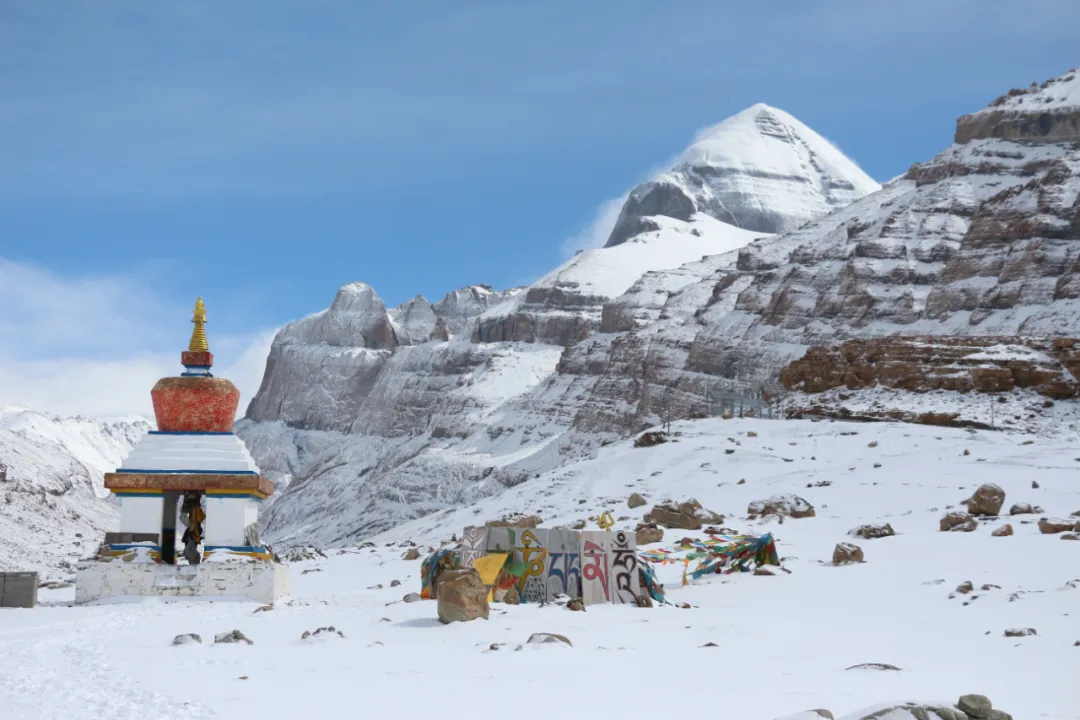
Although the weather remains cold and freezing in February, the Chinese New Year and the Tibetan Lunar bring vibrant energy to Tibet. You can expect grand celebrations with ancient rituals and traditions during this month.
The Tibetan people celebrate the Tibetan Losar for more than a week, and for the extended six-week celebration of the Chinese New Year, travelling this month is not possible for tourists as they will not issue permits and visas.
March welcomes the spring season. The temperature slowly starts to rise, but still, there will be remnants of snow in some places. The sky starts to get clear and the perfect view of the
mountain like Everest and Namtso Lake.
The temperature in the morning and the evening is still chilly during this month. Additionally, due to the extended Chinese New Year celebrations, travel for foreigners is still not possible during this time because of government holidays.
April is the month when you can expect greenery everywhere in the low-altitude areas of Tibet. Blooming of flowers in the lower areas and windflowers are seen during this month. The temperature during this time is a little higher compared to March.
Few tourists can be seen travelling as it is the starting month of peak season. With more daylight hours, it is best to visit outdoor places like Yamdrok Lake and old Tibetan monasteries such as Sera and Drepung. Even though it is best for travelling during the day time, at night, the temperature still remains chilly, so prepare for a chilly night while travelling this month.
May is one of the best months to travel to Tibet because of the consistently pleasant weather, lush green landscapes and clear view of Snow Peak Mountain. Due to the perfect weather conditions for travelling, you can see many tourists travelling for adventure and spiritual journeys, like visiting Everest base camp and Kailash Mansarovar Yatra. Due to the increased number of tourists this month, we suggest you book the accommodation early if you are planning to visit in May.
June marks the beginning of Tibet’s summer season. This month, the temperature in the Tibet region begins to rise. The weather in Tibet is often warm both during the day and at night, so if you want to avoid chilly mornings and evenings, you should go around June.
The vibrant city of Lhasa is enhanced by the widespread celebration of festivals like the Shoton Festival (also known as the Yogurt Festival) and the Saga Dawa Festival in June. While travelling in this season make sure to prepare for the early monsoon rain by carrying essential gear items.

In the lowest part of Tibet, you are likely to encounter occasional rainfall throughout the monsoon season in July. July has pleasant temperatures, but because of the abrupt weather shift, clouds may arise and block views. If you are travelling in July for trekking-related activities, then you may not get the perfect view. So it’s best to visit for sightseeing activities and cultural tours like Lhasa Sightseeing.
The rain starts to stop in the middle of August. After the rainfall in June you can get a refreshed view of Tibet. August is one of the best times to get a great view of snow-capped mountains and beautiful landscapes. It is also the best time for Photography, and well known facilities like Shoton Festival also fall in this season.

Another great season to visit Tibet is in September when there won’t be any rain, the weather will be pleasant, the sky will be clear, and you can have an expansive view of the snow-capped mountains and stunning landscapes.
Many tourists visit popular places like Everest base camp in Tibet and Yamdrok Lake to enjoy the breathtaking view from the high altitude. Additionally, if you travel during this month, you can take part in the week-long celebration known as Bathing Week, during which Tibetans customarily take river baths.
October is the most preferable and loved month by travellers around the world to travel to Tibet due to the sunny days and peak visibility of snow-covered peaks. The mild weather is ideal for trekking activities such as the Kailash Mansarovar Yatra, which includes visits to the well-known Mansarovar Lake, Potala Palace, Tashilhunpo Monastery, Yamdrok Lake, Rongbuk Monastery, Ganden Monastery, Norbulingka, and many more.
Since this is the last month to travel before winter really begins, you should anticipate a very crowded month. This month also sees a well-known harvest festival, where you can join Tibetan farmers to enjoy harvesting together. Horse racing, dancing, and singing are all part of the celebration.
November welcomes the winter, and travelling in high-altitude areas is closed during November. Still you can visit the lower part of Tibet like Lhasa and Shigatse and enjoy the famous Tibet dish and don’t forget to try the hot yak butter tea.
December is the coldest month in Tibet where the landscape will turn into snow paradise. Due to extreme cold and heavy snowfall most of the visitors avoid travelling in this season. Due to this reason, December is also the off-season for travelling to Tibet. During the month-long Tsongkhapa Butter Lamp Festival, Tibetan monks would burn a large number of butter lamps in remembrance of Tsongkhapa.
| Month | Min Temp | Max Temp | Chance of Rain | Precipitation | Rainy Days | Humidity | Sunshine |
| Jan | -15 °C | 1 °C | 5% | 11mm | 1 day | 71% | 78% |
| Feb | -11 °C | 4 °C | 6% | 12mm | 2 day | 71% | 71% |
| March | -7°C | 7°C | 9% | 22mm | 3 days | 72% | 66% |
| April | -4°C | 11°C | 16% | 42mm | 5 days | 67% | 65% |
| May | 2°C | 16°C | 36% | 61mm | 11 days | 59% | 61% |
| June | 7°C | 19°C | 53% | 100mm | 16 days | 64% | 54% |
| July | 9°C | 19°C | 69% | 154mm | 21days | 71% | 54% |
| Aug | 8°C | 18°C | 74% | 150mm | 22 days | 72% | 62% |
| Sep | 6°C | 17°C | 54% | 100mm | 16 days | 71% | 62% |
| Oct | -2°C | 12°C | 19% | 47mm | 6 days | 64% | 85% |
| Nov | -11°C | 5°C | 6% | 15mm | 2 days | 71% | 83% |
| Dec | -13°C | 3°C | 4% | 8.7mm | 1 day | 71% | 83% |
If you’re travelling to visit Tibet, you must obtain the Tibet Travel Permit and Chinese Group Visa. Remember that travelling solo is banned in Tibet, so you need to go through the registered tour and travel agency. Additionally, suppose you are travelling to Tibet for adventurous and spiritual activities like visiting sacred Kailash Mansarovar and Everest base camp. In that case, you need additional permits such as the Alien Travel Permit and Military Area Entry Permit.
Visiting Tibet from a tour operator of Nepal like Namaste Nepal will be perfect because they will arrange all types of permits, visas, and logistics and provide a Tibetan guide, including food and accommodation.
Travelling to Tibet city areas is generally straightforward and doesn’t demand much in terms of fitness. You can enjoy cultural sights, visit monasteries, and take in the beauty of the region without needing to push your physical limits. Even though city areas are located at altitudes like 3,000 – 4,000m, there is no high risk of altitude sickness.
But if you are travelling in a high-altitude trekking area, for example, Kailash Kora, you need to be aware of altitude sickness. Keep yourself hydrated all the time, walk slowly and gradually, pack light and follow the instructions of the trekking guide. Also, to make your journey a more comfortable option for hiring a personal porter with you.
If you are planning to visit Tibet for the adventurous, like Kailash Mansarovar Yatra, then along with physical fitness, you need to have mental resilience. This trek is challenging as it takes you to a high altitude and demands physical fitness.
To reduce the stress and pressure of challenge during the challenging trek you can practise yoga and meditation. It will help to keep your mindset strong and fill the positive thoughts required for a successful journey.
Proper acclimatization is an important step when you are visiting Tibet high altitude areas. Keep yourself hydrated all the time and walk slowly on a steep trail. Avoid strenuous activities, smoking and drinking alcohol to avoid it as it can cause dehydration and trigger altitude sickness. Take proper rest to recover and adjust your body to altitude.
Learn symptoms of altitude sickness and its preventive measures. Seek help from your trekking guide or your tour operator if you need any help. You can also use Diamox to avoid altitude sickness by consulting a Doctor. Check your health conditions before heading for Tibet.
When travelling in different places, packing the right stuff is key. You need to pack all the important things, and while packing, make your packing light for a smooth and enjoyable journey.
Here are the essentials you’ll need to include for both city tours and trekking adventures:
Note: The above packing list that we present will help you to get ready to explore the city as well as for the adventurous treks to make your journey warm, safe and comfortable.
Travelling Tibet is safe as you will be travelling in a group with a tour guide. Even though it is safe, you need to be aware of some challenges like high altitude, language barrier, remoteness, and basic facilities of food and accommodation during the trip.
For safety and emergency, make sure to have travel insurance and make proper plans and preparations before travelling. Carry some local cash and only travel with a reputable tour operator. Expect unexpected delays and changes in the plan.
Tibet is known for its ancient culture, traditions and rich history. Here, people are connected deeply. You should be mindful that discussions about Tibet’s political situation can be sensitive and cause problems for the people you are talking to. Therefore, you should limit any public conversations accordingly. Be careful when taking pictures of sensitive subjects such as soldiers, military installations, or government buildings.
You may be asked not to take photos, visit certain sites or stop in certain places for no apparent reason. In these situations, it is best to comply with the request. You should always walk clockwise around a temple or any other religious institution. You can spin prayer wheels or join pilgrims on their temple circuits. But please be respectful that these are religious activities.
The currency in Tibet is known as the yuan or the Chinese Renminbi. In Bank of China ATMs you can use your foreign cards, but there are very few in Tibet. Currency is the most convenient way to manage money. It is possible to purchase Renminbi here, and larger hotels will exchange US dollars or Pounds.
Riding the Horse and exploring the remote part of Tibet is adventurous. You can also hire a personal porter if you want. It will help to reduce the physical strain and to enhance the travelling journey, and allow you to fully immerse in the breathtaking landscape, saving your energy. Hiring a Horse and porter will not only benefit you, but also it will help to support the local economy.
What is the best time of year to visit Tibet for pleasant weather?
The best time of the year to visit Tibet for pleasant weather is from April to October. During this month, the weather is mild, with a clear view of the surroundings and less chance of rainfall, making it perfect for sightseeing and outdoor activities.
Are there any specific months to avoid visiting Tibet due to extreme weather conditions?
We suggest you avoid visiting Tibet during the month of the winter( December to March) as during this season, the weather remains harsh due to extreme cold weather and heavy snowfall, which make travel challenging and many places inaccessible.
When can I experience Tibet’s most famous festivals and cultural events?
What is the peak tourist season in Tibet, and how does it affect travel plans?
The month of summer(July and August) is the peak tourist season in Tibet. In summer we can expect little monsoon which can sometimes interrupt our travelling plans. Due to the huge number of tourists arriving this season, travelling costs are higher, and attractions are more congested.
Is it possible to visit Tibet during the winter months, and what should I expect?
Yes, travelling in the winter is still possible in some of the places of Tibet like Lhasa and Shigatse. Due to the crowd in this area, the daytime remains moderate, but the morning and night remain chilly. Chances of seeing tourists are very few and travelling cost is also low due to the off season.
What are the best months for trekking or outdoor activities in Tibet?
For trekking and outdoor activities in Tibet, we suggest you visit during the months of April to May and September to October. During this time, the weather is dry, and the skies are clear.
How does the weather vary between Lhasa, Everest Base Camp, and other regions of Tibet?
Lhasa generally has milder weather compared to the Everest Base Camp and near the mountain region places like Kailash, which can be much colder. In winter, it is colder and harder to get to the northern areas.
What’s the best time to visit Tibet if I want to avoid large crowds?
If you want to avoid large crowds while travelling in Tibet, we suggest you visit during April, May, September, and October.
When is the best season for Photography in Tibet, considering landscapes and festivals?
Summertime in July and August is the best season for Photography because of the clear sky and lush and colourful surroundings.
Are there any special considerations for altitude sickness during certain seasons?
Altitude sickness can happen any time of the year when travelling at the high altitude of Tibet, but the chances remain high in winter due to more physical exertion and challenging routes.
Deciding when to visit Tibet depends entirely on what you hope to experience most. Travelers who desire pleasant climates combined with amazing landscape views together with cultural appreciation of local attractions should plan their visit for the spring or autumn periods.
Visitors interested in high altitude trekking like Kailash Mansarovar Yatra and Everest base camp alongside warmer temperatures should consider visiting Tibet in summer despite possible rainy conditions and crowds.
No matter in which month or season you choose to travel to Tibet, preparation is required for a successful journey. Make sure to research weather conditions, obtain all permits and visas and travel with a reputable tour agency. Tibet is a location of spirituality where you can go on a spiritual trip and make lifelong memories of adventure.

Sabin Shrestha is an experienced content writer with over 4 years of expertise in creating clear and engaging content. He specializes in writing about lifestyle, travel, health, and technology, delivering well-researched articles that connect with readers. Known for his storytelling skills and attention to detail, Sabin creates content that informs, inspires, and leaves a lasting impression on audiences.