English
 Dutch
Dutch Japanese
 Hindi
Hindi Italian
 Spanish
 French
 German
 Chinese
 Korean
 Arabic
 Hebrew
 Russian
 Portuguese
 Danish
 Czech
Czech Polish
 Swedish
16 Days
Moderate
 Share
Share Updated: 23 July, 2025
The Kailash Mansarovar Yatra is among the hardest spiritual journeys in the world, where pilgrims trek through some of the least accessible and sanctimonious places in the world. In Hinduism, Buddhism, Jainism, and Bonpo, there exists a holiest mountain, Mount Kailash. It attracts hundreds of pilgrims every year in an attempt to complete the sacred going-around, the Kora.
But here’s what many first-time pilgrims don’t fully grasp: this isn’t a typical vacation. The accommodation along the Kailash Yatra route is basic, functional, and designed for survival rather than comfort. You’ll be staying in remote locations at extreme altitudes, where infrastructure is limited and amenities are sparse.
Understanding what lies ahead on the Kailash Mansarovar Yatra can transform your experience from shocking to a spiritual journey.
The simple lodging room is a part of the pilgrimage itself on this Yatra. On this Yatra, you will come out of your comfort zone to test your endurance, time to reflect and build fellowship with fellow travellers.
In this comprehensive guide here you will learn every aspect of accommodation for your Kailash Mansarovar Yatra in Tibet. From city areas to remote villages during the Kora trek, you will get an understanding of the types of accommodation you will encounter on the Yatra journey.
This accommodation guide helps you know what to pack for the Yatra. It also explains how to prepare physically and mentally so you can comfortably complete your Kailash Mansarovar Yatra.
Accommodation standards in the Tibetan Autonomous Region have improved significantly over time, particularly in politically and commercially important cities like Lhasa and Shigatse. However, the Kailash Yatra route itself is characterized by a challenging infrastructural setup. The general rule governing lodging quality is simple: the higher the altitude and the more remote the location, the more basic the guesthouses or lodges become.
This means the Yatra involves several distinct categories of lodging. Travelers begin in areas where infrastructure supports high-end hotels, transition through remote towns offering standard but basic facilities, and culminate in high-altitude zones near the Kora (circumambulation route), where only rudimentary, dormitory-style facilities are feasible. Proper preparation hinges on understanding this fundamental logistical reality.
Pilgrim accommodation can be segmented into three primary types, representing the transition experienced during the journey:
Luxury and Standard Lodging (Lhasa, Shigatse, Keyrung, Saga, Darchen): These stops offer modern comforts necessary for initial acclimatization and recovery. Establishments in these larger towns frequently feature heating, reliable hot water, attached bathrooms, and often provide oxygen enrichment services.
Dormitory Lodges (The Kora stops—Derapuk, Zuthulpuk): The highest altitude phase mandates the most austere lodging. These facilities are strictly dormitory-style with shared outdoor toilets, limited heating (reliant largely on electric blankets), and zero shower facilities, serving as a profound test of the pilgrim’s physical and mental endurance.
Many foreign citizens from different parts of the world prefer the Nepal route, as it is one of the most popular ways to reach Kailash Mansarovar. Before starting the Kailash Mansarovar Yatra, many pilgrims choose to stay in Kathmandu, the capital city of Nepal. Tour operators here in Nepal arrange all the necessary things like food, accommodation, permits, logistics, Tibet visa, guide, and porter if you buy the package. It will be a guided Kailash Mansarovar tour as travelling solo is not permitted in Tibet. Depending on the package you choose, you can select your accommodation — from budget guesthouses to standard hotels, or even luxury five-star hotels.
Here’s a general idea:
A Detailed Logistical Review of Nightly Stops Along the Kailash Mansarovar Yatra Route includes the accommodation experience changes dramatically as the Yatra route progresses, moving from the fully facilitated cities of the Tibetan heartland to the logistical extremes of the Western plateau.
The initial phase of the journey, typically spent in Tibet’s major cities, provides essential days for acclimatization and robust rest.
Lhasa offers the highest standard of accommodation available on the entire route. Travelers can expect 3- to 5-star hotels that feature reliable modern infrastructure, including central heating, high-speed internet, and full en-suite bathrooms. These initial stops are vital, providing the optimal environment for the body to begin adjusting to the altitude before moving to higher, colder areas.
The journey continues through Shigatse, maintaining the standard of comfortable 3- to 4-star hotels.4 This stop is strategically important, serving as a critical recovery and acclimatization point before the journey enters the increasingly remote regions of Western Tibet. Facilities here routinely include attached baths, consistent heating, and electric blankets to ensure quality rest.
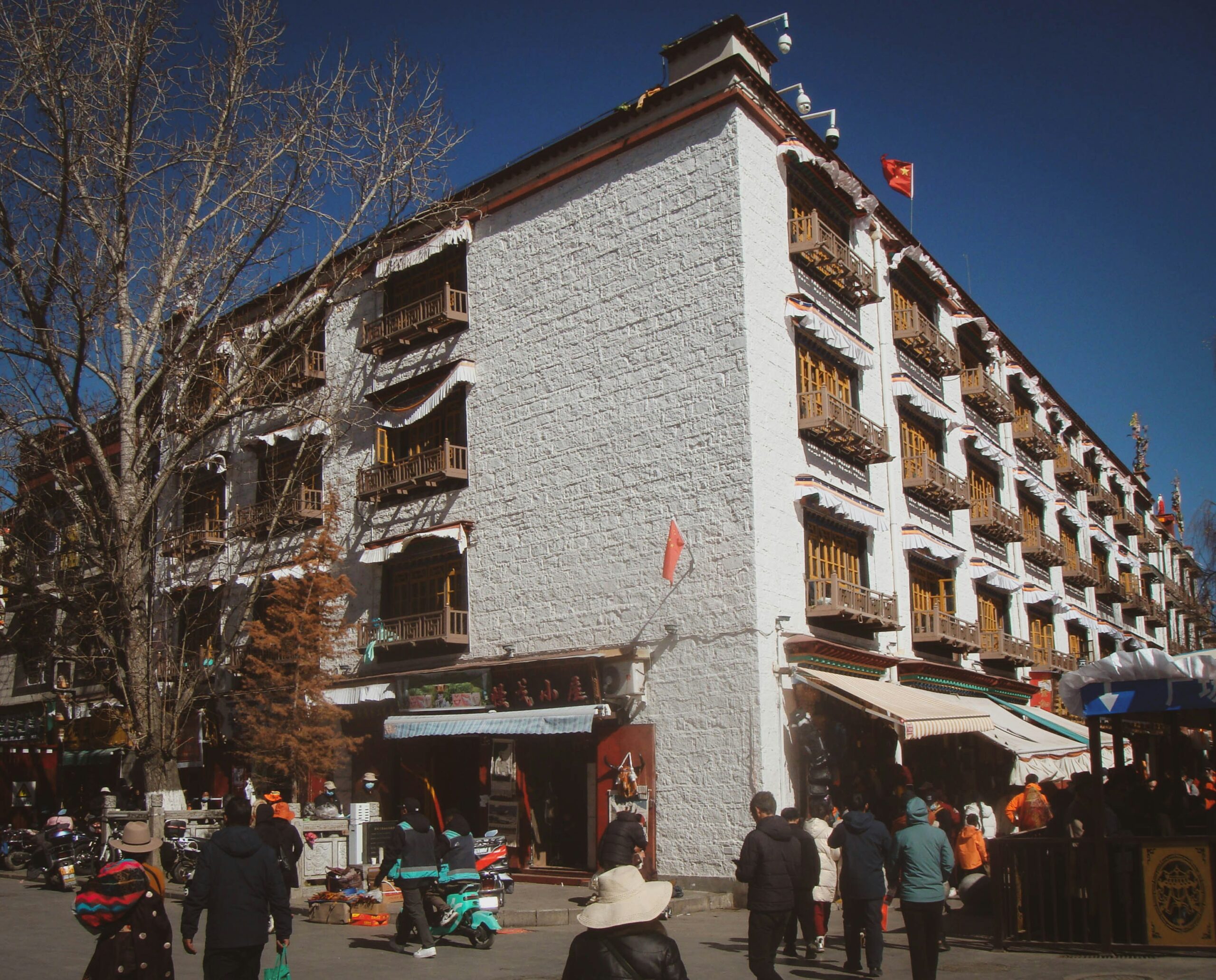
As the Yatra progresses westward toward the border areas, accommodation quality begins to reflect the challenges of transport and altitude, though high-quality options remain available.
Located at a comparatively moderate altitude of approximately 2,700 meters 15, Keyrung is often the first major stop for pilgrims traveling overland via Nepal. The Keyrung facilities, exemplified by establishments like the Gyirong Hotel, represent the best available local standard, often categorized as a 5-star equivalent. Key facilities are crucial for pilgrim comfort and include 24-hour hot water, attached bathrooms, heating, comfortable bedding (including electric blankets), and free high-speed Wi-Fi. These amenities ensure a comfortable and restorative stop before the ascent to higher plateaus.
Saga and Paryang are a critical crossroads located at a significantly higher altitude of roughly 4,400 meters. The town’s role as a major transit center has encouraged the development of specialized lodging. While some hotels are simple, options like the Venia hotel, Oxygen Hotel illustrate the emerging trend toward providing crucial high-altitude amenities, specifically continuous oxygen supply. Standard rooms generally feature attached bathrooms and essential heating for comfort at this elevation.

Accommodation options near the holy Lake Mansarovar (above 4,500 meters) present a distinct choice for pilgrims.
Option 1: Dormitory-Style Shared Guesthouses.
This is the traditional lodging standard near the Chiu Monastery. Conditions are uniformly very basic, comprising dorm beds (often 4-5 per room), limited heating, electric blankets, and communal/outdoor public toilets. These basic facilities reflect the high altitude and conservation efforts, which restrict commercial luxury development in the area.
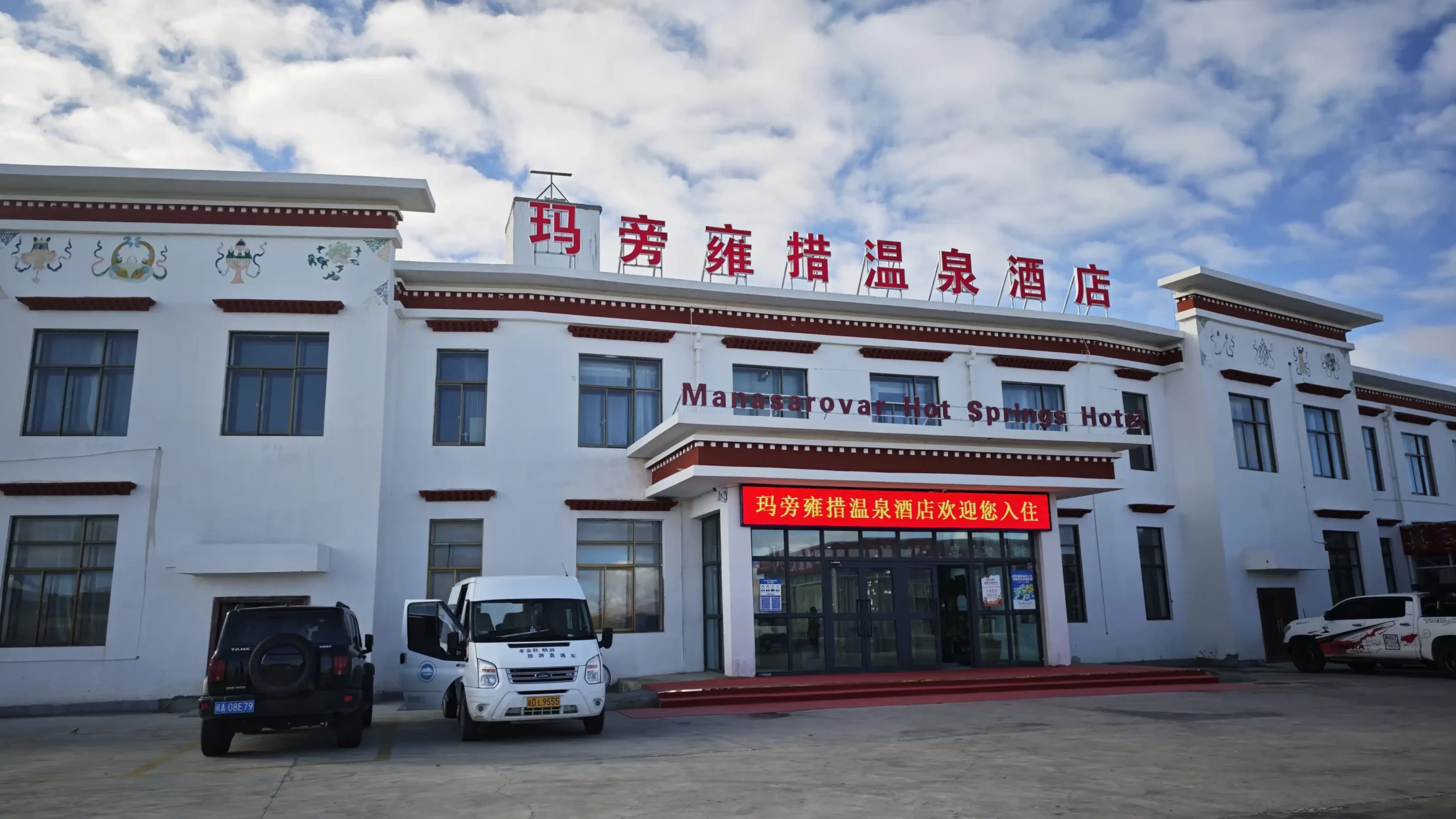
Option 2: Mapangyongcuo Hot Spring Hotel.
This new establishment offers a significant exception, providing a 4-star level of comfort at this crucial high-altitude location. Its facilities include the following:
The distinction between these two options is highly significant for the pilgrim’s physical well-being. The Mapangyongcuo Hot Spring Hotel offers vastly superior acclimatization and rest quality due to its continuous oxygen and improved hygiene. Choosing to invest in this superior lodging is not merely a search for luxury, but a strategic decision to mitigate the risk of Acute Mountain Sickness (AMS) just before starting the physically demanding Kora. Securing better sleep and health at Mansarovar fundamentally alters the physical challenge profile of the rest of the Yatra.
Darchen serves as the crucial base camp for the Kailash Kora and, consequently, offers slightly more varied accommodation than stops further in the wilderness. The town offers simple to higher-end lodging facilities, recognized as the best available in Darchen, sometimes reaching a 5-star equivalent standard. These upgraded options feature private indoor bathrooms with reliable hot showers, providing a significant boost to hygiene and comfort. A key amenity available in rooms at these is a free oxygen supply, which is a major benefit for managing Acute Mountain Sickness (AMS). Travelers should be aware that the high cost reflects the logistical difficulty and scarcity of high-quality services in this remote area, and expectations should be moderated compared to comparable hotels in major cities like Lhasa, Saga, or Shigatse.
Accommodation in Darchen provides a strategic investment in pre-Kora hygiene and psychological preparation. Given that the Kora itself offers zero opportunities for showering for three days, a guaranteed private, hot shower and sanitary facilities just before the trek begins is invaluable for maintaining morale, ensuring hygiene, and minimizing the risk of infection. Early booking for these highly demanded, upgraded stays is essential, particularly during the peak pilgrimage months from July to September. These facilities represent the pilgrim’s final opportunity for guaranteed, high-level comfort and preparation.

The three-day, 52-kilometer Kora around Mount Kailash demands the greatest physical effort and requires pilgrims to accept the uniform simplicity of the accommodation. Lodging standards here are necessarily modest, reflecting the extreme altitude (above 5,000 meters) and the remote, harsh wilderness.3
Derapuk is situated at an elevation of approximately 5,080 meters. The lodging here, such as the Shixabangma Guest House, consists of simple dormitory-style rooms, often shared by three or four individuals.
Essential Comfort: Despite the altitude, electric blankets are universally provided and are the primary source of warmth, crucial for sleep quality and safety.
Facilities and Hygiene: There are no private bathrooms and no hot showers. Shared facilities consist predominantly of basic squat toilets or designated outdoor public toilets, challenging the traveler’s commitment to self-sufficiency.
Optional Upgrade: Guesthouses offer optional private rooms, sometimes boasting panoramic views of the spectacular North Face of Mt. Kailash. Securing this upgrade, which must be strictly pre-booked, offers a luxury of space and privacy but does not generally translate to improved hygienic facilities, which remain shared and basic.
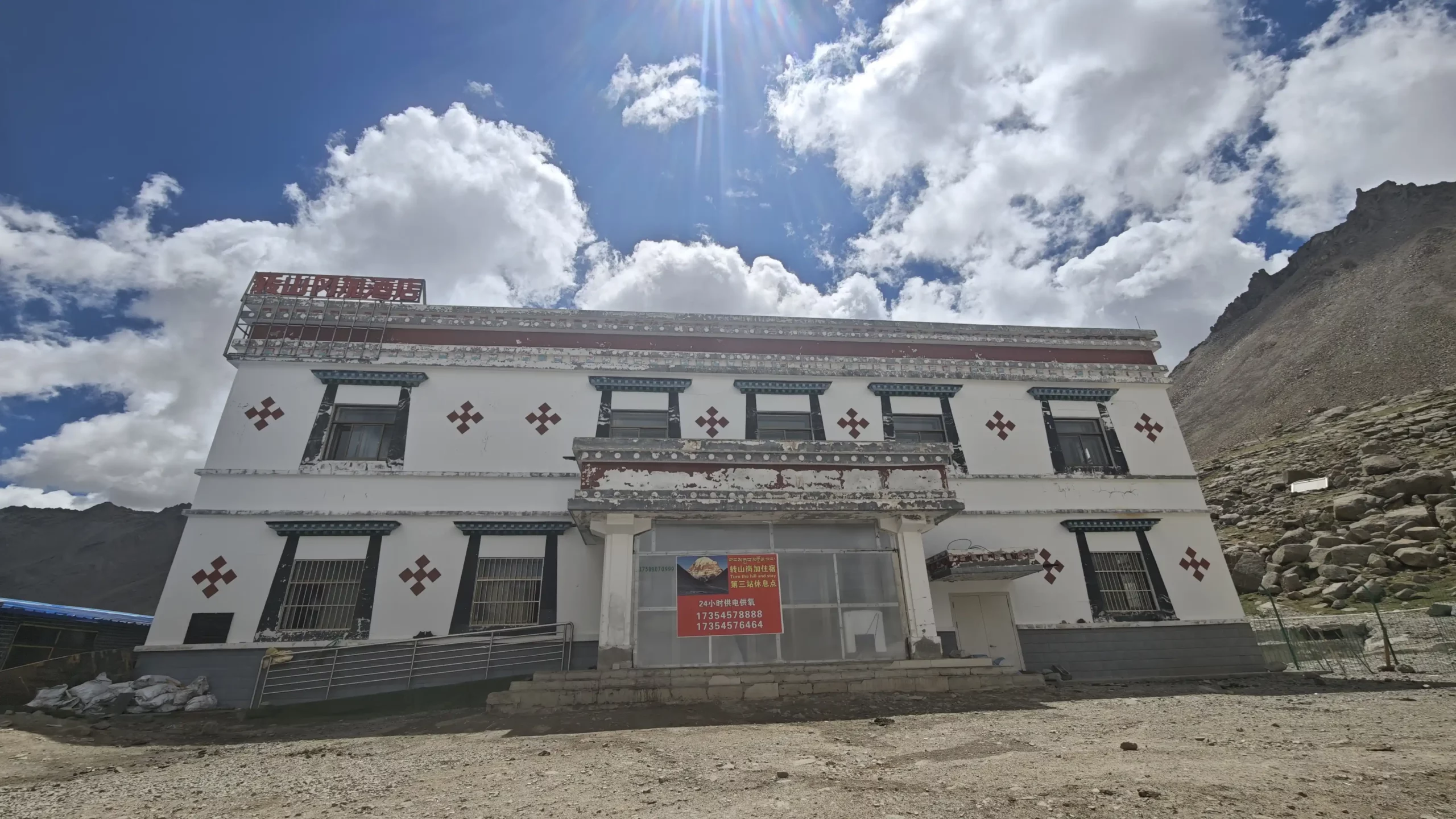
The final overnight stop on the Kora route maintains similar conditions to Derapuk. Pilgrims stay in simple dormitory lodging with public toilets. During peak trekking season, temporary huts or tents may be used.
Amenities: Electric blankets are vital for warmth. Basic guesthouses and small hotels now offer lodging beyond the Zuthulpuk Monastery itself. These modest conditions underscore the high-altitude wilderness experience, demanding patience and a focused spiritual mindset from the pilgrim. For hygienic concerns, facilities include simple public toilets.
For travelers extending their journey to Everest Base Camp (EBC), accommodation at Rongbuk Monastery Guesthouse (above 5,000m) offers arguably the most breathtaking views coupled with the most rudimentary facilities. Accommodation is basic, often consisting of rooms equipped only with beds, electric blankets, and power sockets. Key limitations include no showers, limited and unreliable electricity, and shared toilet facilities. Travelers are advised to bring a warm sleeping bag as a precaution and accept the limited amenities, prioritizing the location itself.
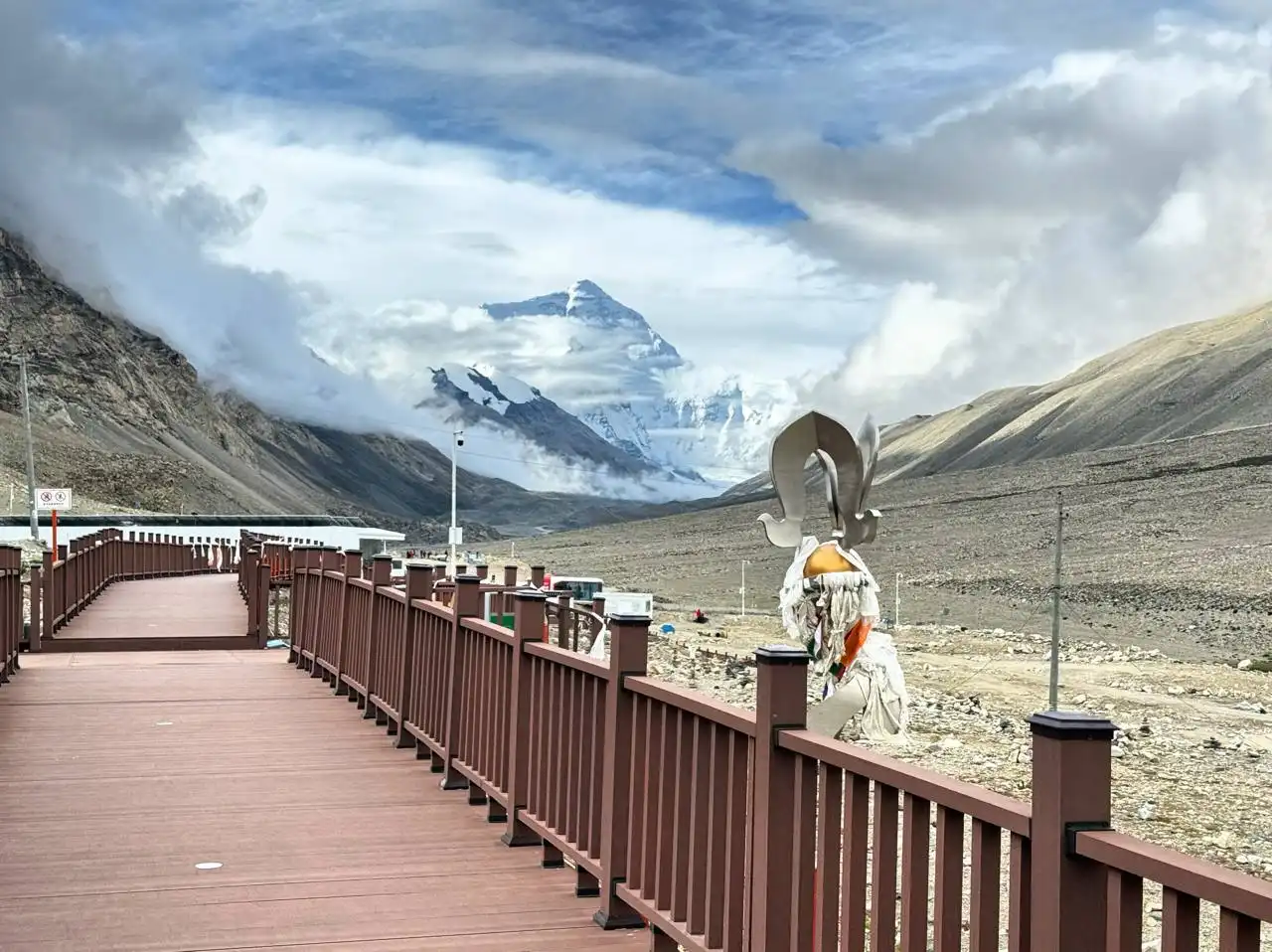
Understanding the infrastructural limitations of Western Tibet is vital for mitigating risks and preparing adequately. The availability of essentials such as heat, electricity, and connectivity fluctuates drastically along the route. The following table summarizes the crucial shift in logistical reality across the route:
| Facility/Challenge | Status in Cities/Transit Hubs (Lhasa, Keyrung, Saga, Lake Mansoraver, & Darchen) | Status on Kora Route Derapuk, Zuthulpuk, and Lake Mansoraver’s GH | Preparation Requirement |
| Hot Water / Showers | Generally, 24-hour hot water, Attached Bathrooms | Extremely scarce or non-existent; No showers on the Kora | Supply of wet wipes, Quick-dry towel |
| Oxygen Supply | Central or Dispersed oxygen enrichment is common in 3-star+ hotels | Generally unavailable, except for specialized private facilities | Portable Oxygen bottles are available |
| Heating | Central heating System, Electric blankets, and double-glazed windows | Primarily reliant on electric blankets, communal areas may have simple heating | Good quality sleeping bag (Optional) and thermal layers |
| Connectivity (Wi-Fi/Mobile) | Reliable WIFI available inside the hotel Property | Reliable WIFI available inside the hotel Property | Get the Local SIM card (China Telecom) to use 5G internet connection throughout the journey. |
| Toilet Type | Attached Mostly Western and Asian Squat | Public Asian Squat, Outdoor Public, or Open Pit ‘Long Drop’ | Ample toilet paper, Hand sanitizer, and Practice with squat toilets |
Proper preparation can transform basic accommodation from miserable to manageable. A high-quality sleeping bag rated for temperatures between -10°C to -15°C becomes your most important piece of equipment. The thin air and lack of heating make nighttime survival dependent on proper insulation.
A reliable headlamp or flashlight is essential for navigating dark corridors, finding toilet facilities, and managing your belongings when electricity is unavailable. Pack extra batteries or ensure your light source is rechargeable via USB.
Personal hygiene supplies should include biodegradable soap, wet wipes, hand sanitizer, and a quick-dry towel. Since shower facilities are rare, these items become your primary cleaning tools throughout the journey.
Layer your clothing system with thermal underwear, warm socks, and sleeping accessories like hats and gloves. The temperature inside accommodation often matches the outside temperature, making warm clothing essential even while sleeping.
A portable power bank ensures your devices stay charged during the limited electricity hours. This becomes particularly important for emergency communication and capturing memories of your spiritual journey.
Pack comfort snacks and instant hot drink options to supplement the basic meals provided. Having familiar foods and warm beverages can provide psychological comfort during challenging nights.
Travelling to Tibet solo is forbidden, so you need to catch a tour agency and travel in a group if you are planning to visit Kailash Mansarovar. Travellers need to understand that they cannot stay more days in Tibet than what is written in the itinerary.
All your lodging, fooding, travel permits, logistics, and guide will be included in the Kailash Mansarovar Package. When you make a booking, your tour operator pre-arranges all the things that are required for this Yatra. So we suggest you book the trip at least 1-2 months early by selecting the proper departure that suits your vacation.
Check the route, cost, and group discount while making a booking. You can also do a private guided Kailash Mansarovar tour if you are in a group.

16 Days
Moderate
It is essential to follow the hygiene and safety practices when you are staying in basic accommodation. Wash your hands regularly when you use the shared facilities. Don’t forget to use the hand sanitizer frequently and try to avoid touching your face.
During the Yatra, only use safe drinking water. You can use boiled water or purified water and try to avoid tap water. Brush your teeth with bottled water, and even if there is no hot shower facility, try to clean your body with wet wipes.
Altitude sickness can strike at any time when you walk above 3,500 metres. Be cautious about the early symptoms such as headaches, nausea, dizziness, and difficulty sleeping. Take proper rest in your accommodation, and if you find any difficulty, inform your tour guide immediately.
Secure your valuables and important documents in a money belt or locked bag. While theft is uncommon, the basic accommodation offers little security for loose items. Keep your passport, permits, and emergency money close to your body at all times.
Practice responsible waste management by packing out everything you pack in. The remote locations have no waste disposal systems, making every piece of trash a long-term environmental impact.
Participants must take this Kailash Mansarovar yatra as a pilgrimage destination rather than a tourist destination. Similar living conditions are a part of this challenging spiritual journey. You will keep yourself away from the chaos and modern distractions. You will learn to survive in the holy land even if you have fewer amenities.
Take a shared accommodation as an opportunity to connect with fellow travellers from around the world. You never know—you might have a meaningful conversation and form a lasting friendship that could transform your spiritual journey.
View the shared sleeping arrangements as opportunities to connect with fellow travellers from around the world. Some of your most meaningful conversations and lasting friendships may develop in these basic guesthouses, united by the shared experience of spiritual seeking.
Maintain flexibility as your most valuable mental tool. Weather changes, road conditions, or facility issues may require last-minute accommodation changes. Accepting these disruptions as part of the adventure rather than obstacles to overcome makes the journey more enjoyable.
Practice gratitude for the opportunity to experience this sacred land. The basic shelter, simple food, and challenging conditions become blessings when viewed through the lens of spiritual growth rather than vacation comfort.
The accommodation along the Kailash Yatra route will test your physical comfort. Don’t expect luxury in all places on this spiritual journey; instead, stay focused on the purpose of your pilgrimage.
Your successful Kailash tour depends upon how you prepare for the Yatra, like maintaining physical fitness, proper packing, booking the right package, choosing the best time, and travelling through the best tour operator for Kailash Mansarovar Yatra, like Namaste Nepal trekking.
A journey to the base of Mount Kailash creates unforgettable memories that stay with you forever. Here, you will experience the divine energy of Lake Mansarovar and Mt. Kailash—something you cannot explain, only feel.

Sabin Shrestha is an experienced content writer with over 4 years of expertise in creating clear and engaging content. He specializes in writing about lifestyle, travel, health, and technology, delivering well-researched articles that connect with readers. Known for his storytelling skills and attention to detail, Sabin creates content that informs, inspires, and leaves a lasting impression on audiences.