Many people have a dream to climb Mount Everest, a place to be in the highest spot on the planet. This dream, however, is very dangerous. In the Death Zone, above 8,000 meters, the oxygen levels are very low, and the climate can shift at any time, and the body begins to become weaker very rapidly.
Climbers need to observe safety regulations in order to survive. Among the key ones is the 2 PM Rule. It is not merely advice at all. It is a grave deadline, and it informs climbers when they should head back, even in case the summit is near.
This blog will define the meaning of the 2 PM rule, its existence, and how a climber can lose their life by not adhering to the rule.
What Exactly Is the 2 PM Rule on Mount Everest?
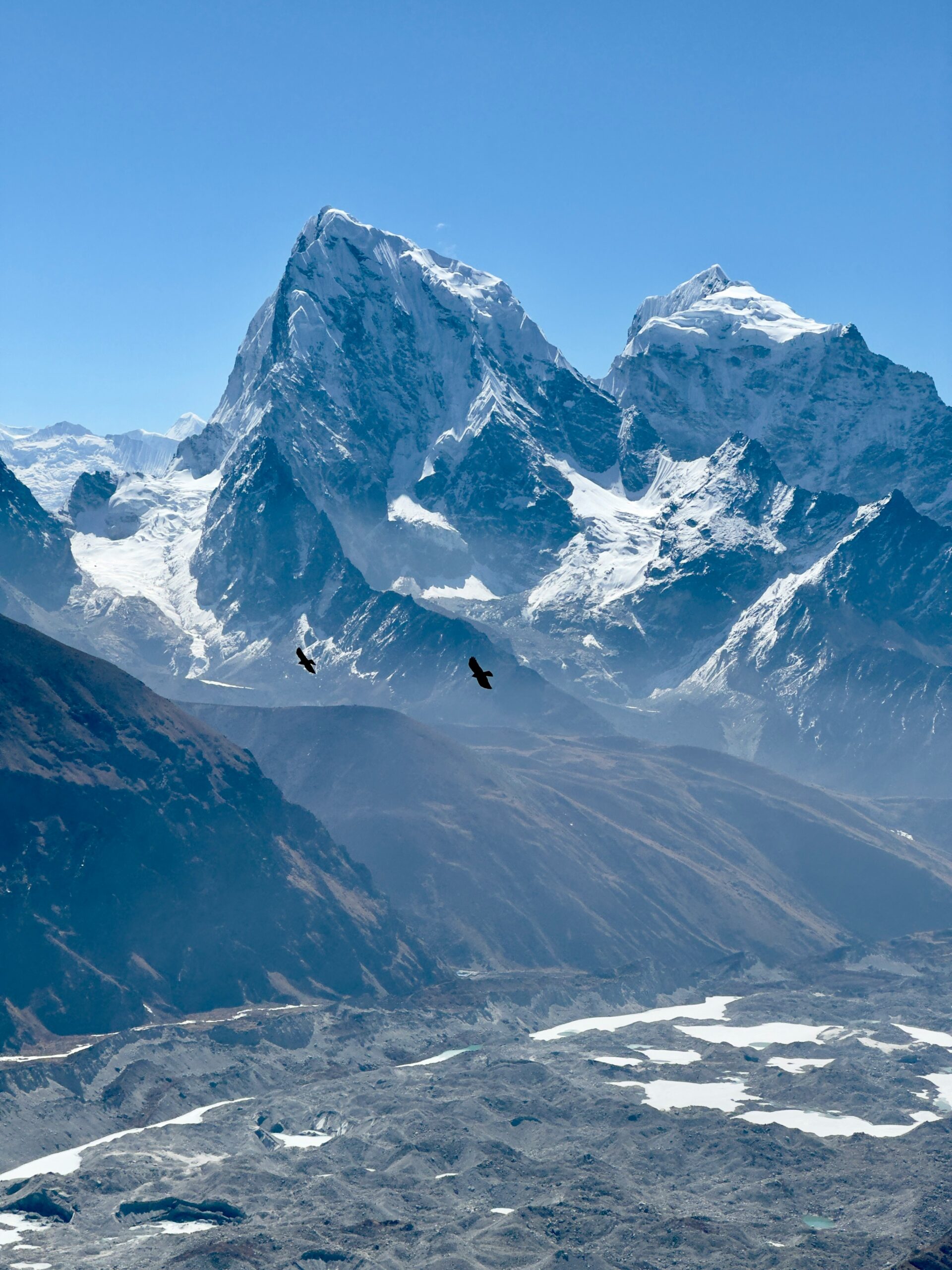
Mount Everest, located inside Sagarmatha National Park, Khumjung, Nepal.
One of the simple but strict rules of climbing Mount Everest is the 2 PM Rule. It stipulates that a climber or a group of climbers who have not reached the summit by 2 PM local time should stop and go back down, regardless of how near they are to the summit.
This is most significant in the final summit push, which begins at Camp IV on the South Col or Camp V on the North side. This is because past 2 PM, theweather normally deteriorates, it becomes colder, and the possibilities of arriving back safely are reduced significantly.
It is not always an easy rule to follow, and when the top in view is in sight, it is hard to resist; however, often life and death depend on it. Numerous climbers who disregarded it did not come back home.
Why 2 PM? The Science and Logic Behind the Critical Deadline
Deteriorating Weather Conditions:
Afternoon whiteouts are common and dangerous.
Severe storms may develop suddenly, and it is impossible to descend.
There is an accelerated wind speed in the afternoon.
The Onset of Darkness:
It is extremely dangerous to descend in the dark in the “Death Zone.
Difficulty in seeing, risk of falling, becoming lost, andloss of fixed ropes.
Added to exhaustion and hypoxia, there is a serious effect on decision-making ability.
The risk of severe frostbite remains increased with the fall in temperatures.
Oxygen and Energy Depletion:
Reduced supply of supplemental oxygen. The majority of climbers come with what they need to ascend and descend in case a planned climb and descent causes delays that waste valuable reserves.
Severe physical activity in the highland quickly burns energy reserves.
The further down the mountain, the more fatigued the mountaineer is, and the more likely he is to make errors.
Time for Decision-Making & Descent:
Even a turnaround at 2 PM would be a long way down (it can take 6-8 or more hours to get back to Camp IV).
Going down is usually more perilous than going up, particularly when one is exhausted.
Factoring in potential delays (e.g., traffic on fixed ropes, slower climbers).
Risk of Frostbite and Exposure:
Higher elevations above 8,000m imply a higher risk of severe frostbite, hypothermia, and high-altitude cerebral/pulmonary edema (HACE/HAPE).
The Grave Consequences of Ignoring the Rule on the Everest Expedition
Increased Risk of Death: Most of the deaths that occur on Everest are attributed to those who have descended late, lost, or have died due to exhaustion, cold, or HACE/HAPE.
Unnecessary Risk to Others: This can expose the guides, Sherpas, and even other climbers in an attempt to help or rescue the people who broke the rule.
Severe Injuries: Frostbite causing amputation, extreme cases of altitude sickness, andirreversible damage to the brain.
Becoming Stranded: Caught in a storm or by night without a means of going down.
Who Enforces It (And How)?
Head Guides and Sherpas: Their decisions are sometimes both tough and unpopular, and they are also the ones who enforce the tougher decisions. Their experience is of utmost importance.
Personal Discipline: And so, the decision will have to be made by the climber. This points out the psychological strength needed to reverse.
Team Dynamics: Pressure from the teammates or the group decision to follow safety measures.
The Mountain Itself: The final punisher – bad weather or physical breakdown gives no other choice but to cease.
Historical Context and Evolution of the Rule
Learning from Tragedies:
The idea of the 2 PM rule (or any other turnaround time) was formed under the influence of the sad experience, which occurred over thedecades, especially the early expeditions and accidents, such as the one that happened in 1996. Read more: Everest Green Boots: A Tragic 1996 Expedition on Mt. Everest
Professionalization of Guiding:
With the increase in commercial voyages, such standard safety measures became mandatory. Now the Expedition company makes this rule mandatory for the safety of their climbers and their staff.
Modern Expedition Practices:
This rule has become a part of the climb plans and briefing by reputable operators today, and it is non-negotiable. Now, if you are heading for the Mount Everest expedition, you need to follow this rule strictly.
Beyond 2 PM: Other Critical Factors for Everest Safety
Experience and Acclimatization: Climbing the world’s highest mountain in the world is not a joke. Climbers need to have previous climbing experience of at least 7,000m. Acclimatization plays a crucial role in controlling the effect of altitude.
Physical and Mental Conditioning: Without a doubt, climbers need to have several months of physical preparation before attempting Mount Everest. Along with physical fitness, it is equally important to have mental resilience. Climbers must be ready to face tough days, extreme fatigue, and heavy psychological pressure on the mountain.
Equipment: There is no second chance on Everest. So make sure to carry all the essential equipment during the expedition, like high-quality gear, clothing items, and oxygen bottles.
Weather Forecasting: Weather plays a very crucial role, especially when you are above Everest base camp. Make sure to check the weather forecast in advance and plan the expeditions accordingly.
Conclusion: Respecting the Mountain, Prioritizing Life
The 2 PM Rule is one of the most important keys to survival on Mount Everest. True success is not just standing on the summit, but coming back alive. The mountain must always be respected—because in the end, the summit is optional, but getting down is mandatory.
Sabin Shrestha is an experienced content writer with over 4 years of expertise in creating clear and engaging content. He specializes in writing about lifestyle, travel, health, and technology, delivering well-researched articles that connect with readers. Known for his storytelling skills and attention to detail, Sabin creates content that informs, inspires, and leaves a lasting impression on audiences.


 English
 Dutch
Dutch Japanese
 Hindi
Hindi Italian
 Spanish
 French
 German
 Chinese
 Korean
 Arabic
 Hebrew
 Russian
 Portuguese
 Danish
 Czech
Czech Polish
 Swedish
 Share
Share Updated: 26 September, 2025